Deck Railings Built for Staten Island’s Coastal and Elevated Properties
Deck railings in Staten Island deal with harsher conditions than most standard outdoor structures. Elevated decks near Great Kills, Tottenville, South Beach, and waterfront sections of Brooklyn stay exposed to coastal wind, salt-heavy air, heavy rain, and freeze-thaw movement throughout the year. Weak railing systems start showing movement fast in those conditions, especially around stair connections and elevated deck edges.
At Deck Master Company, railing systems are designed around structural stability, long-term durability, and how the deck is actually used day to day.
Verified Railing Systems From Published Deck Master Projects
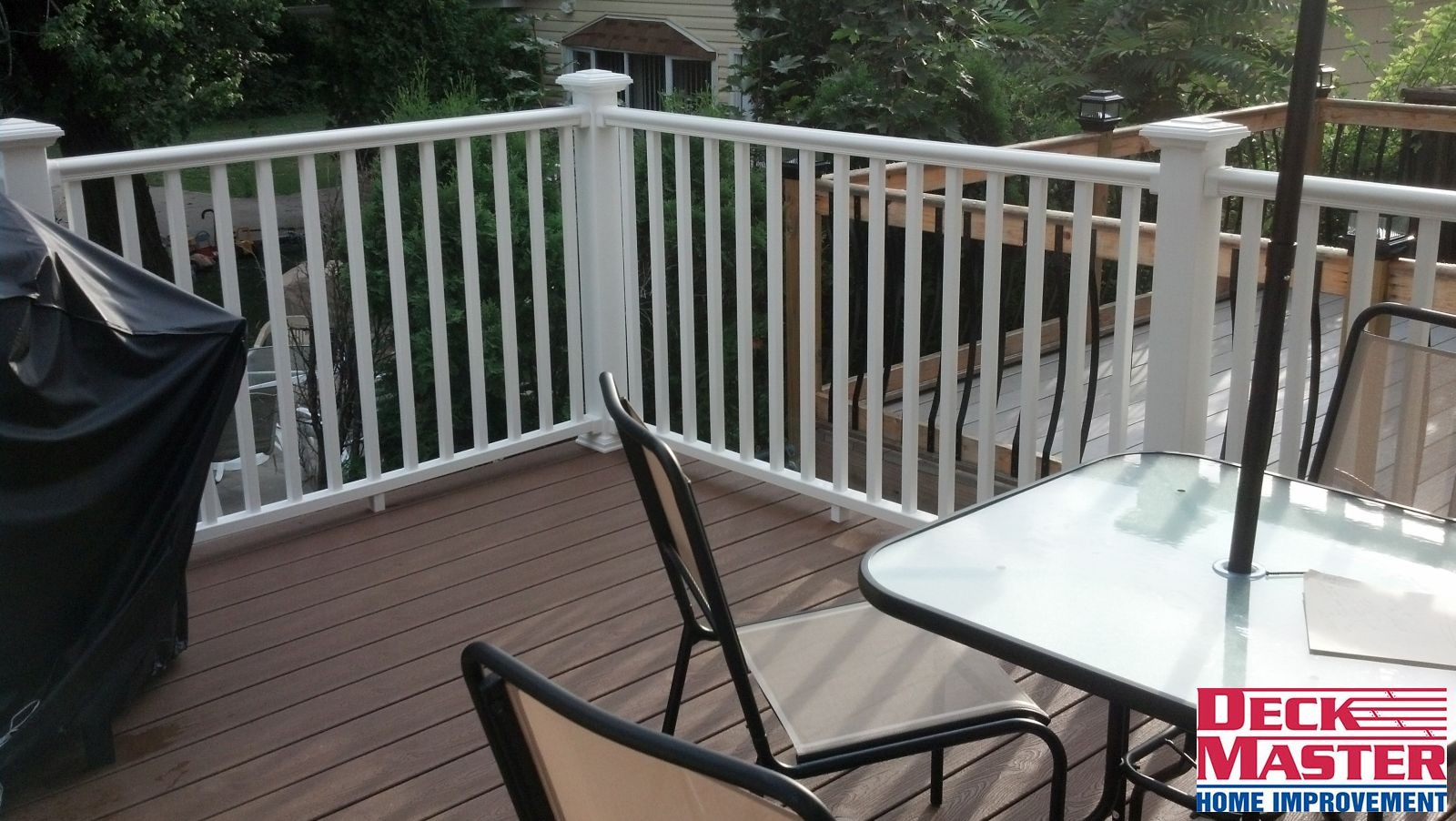
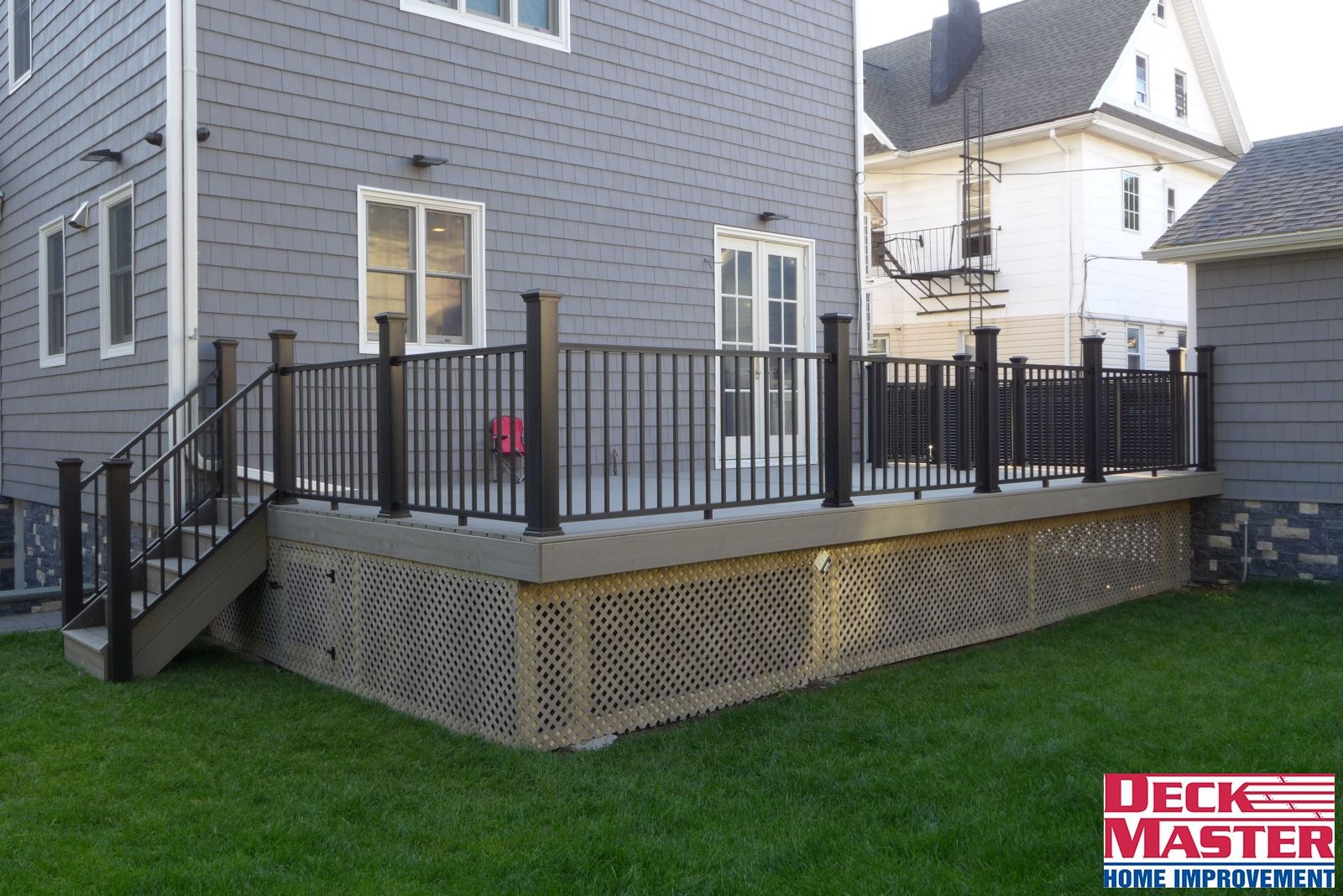
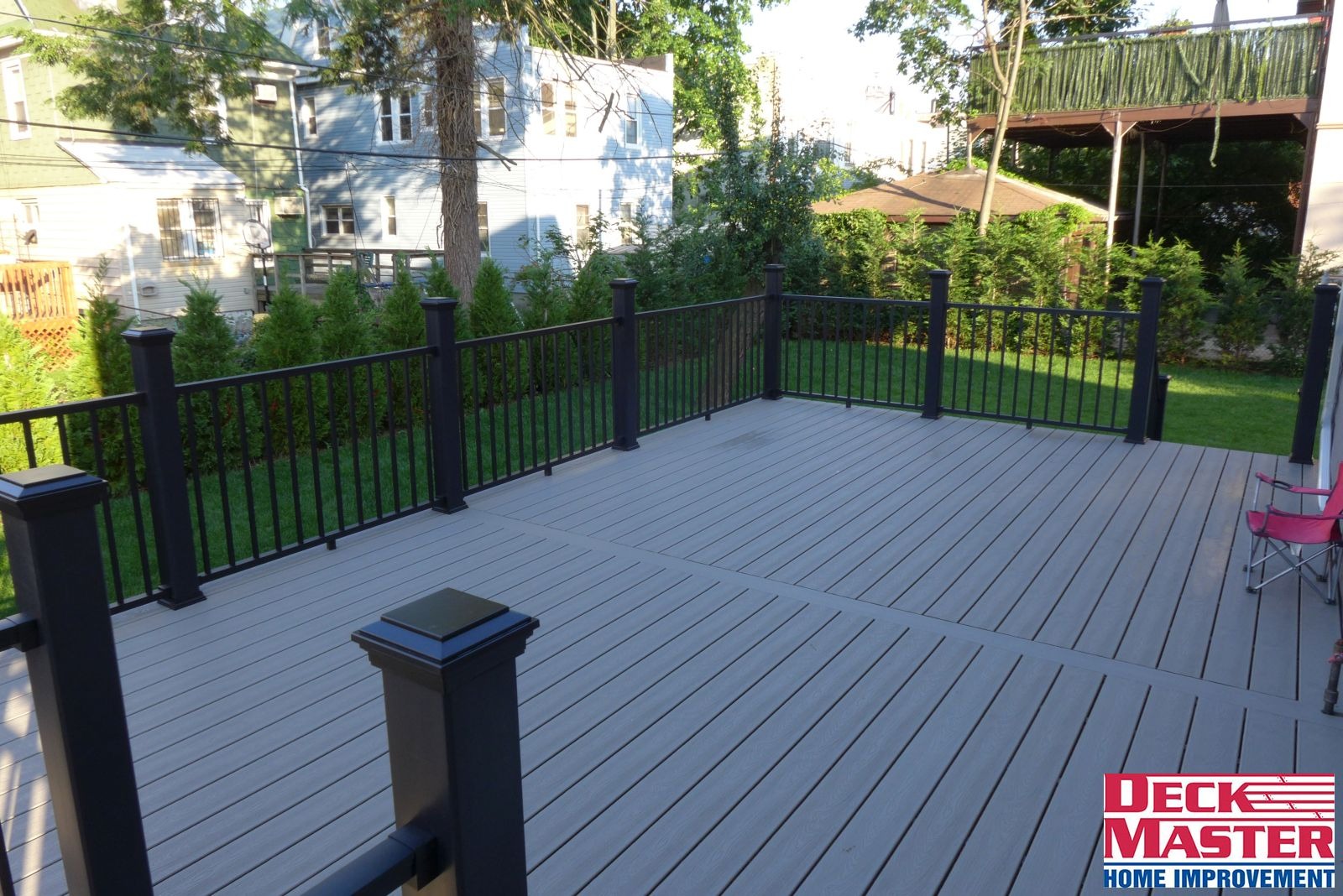
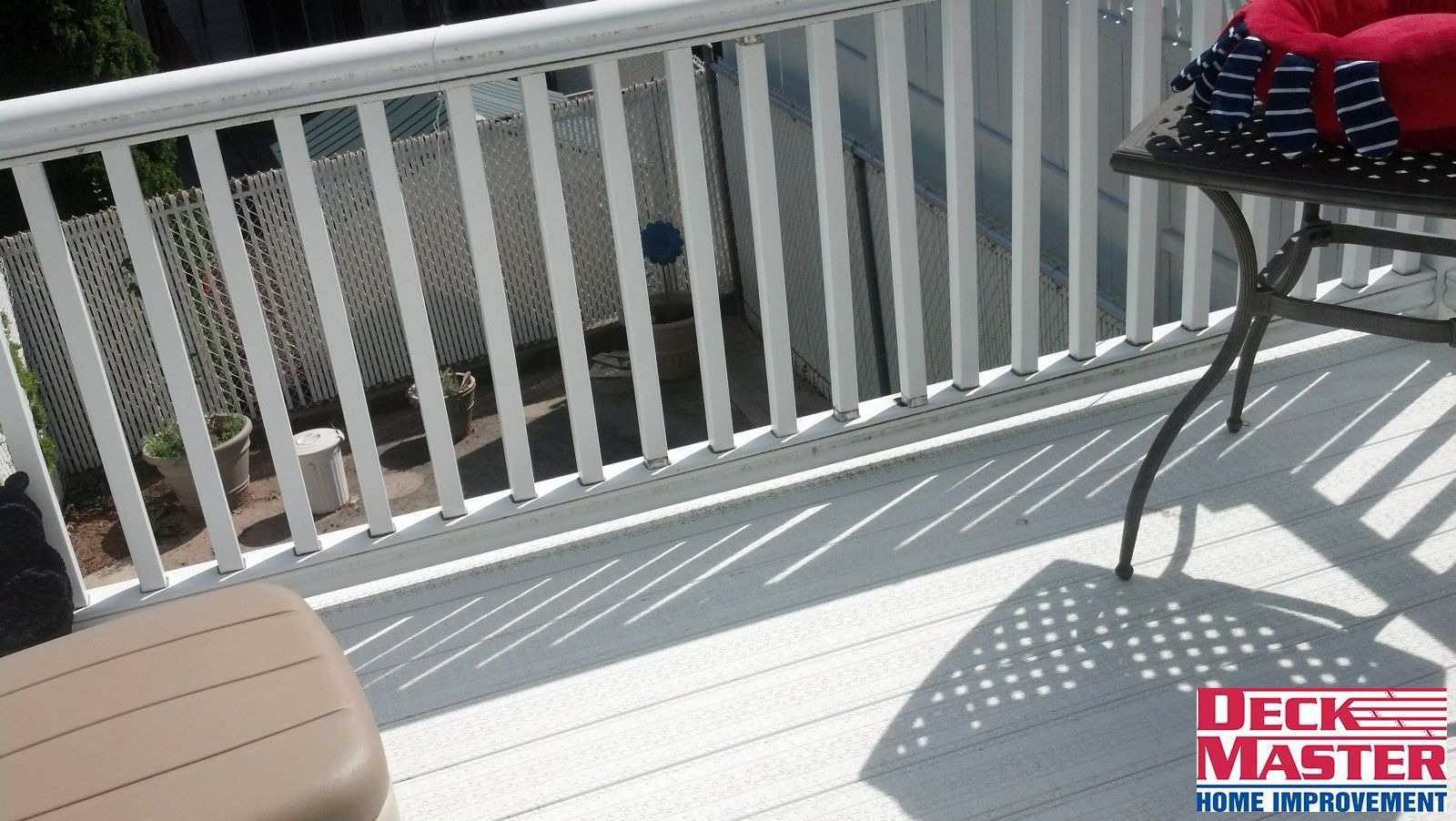
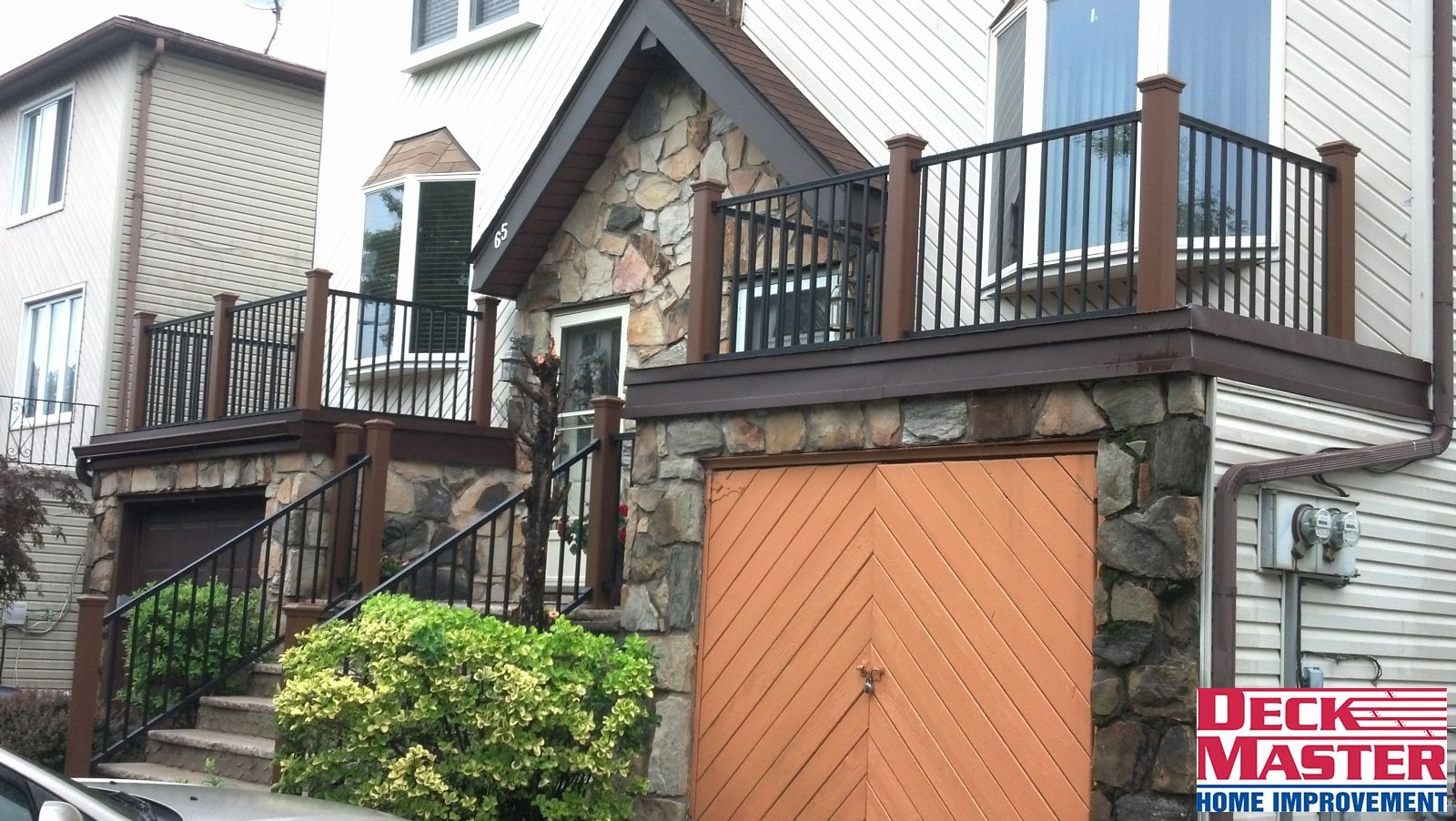
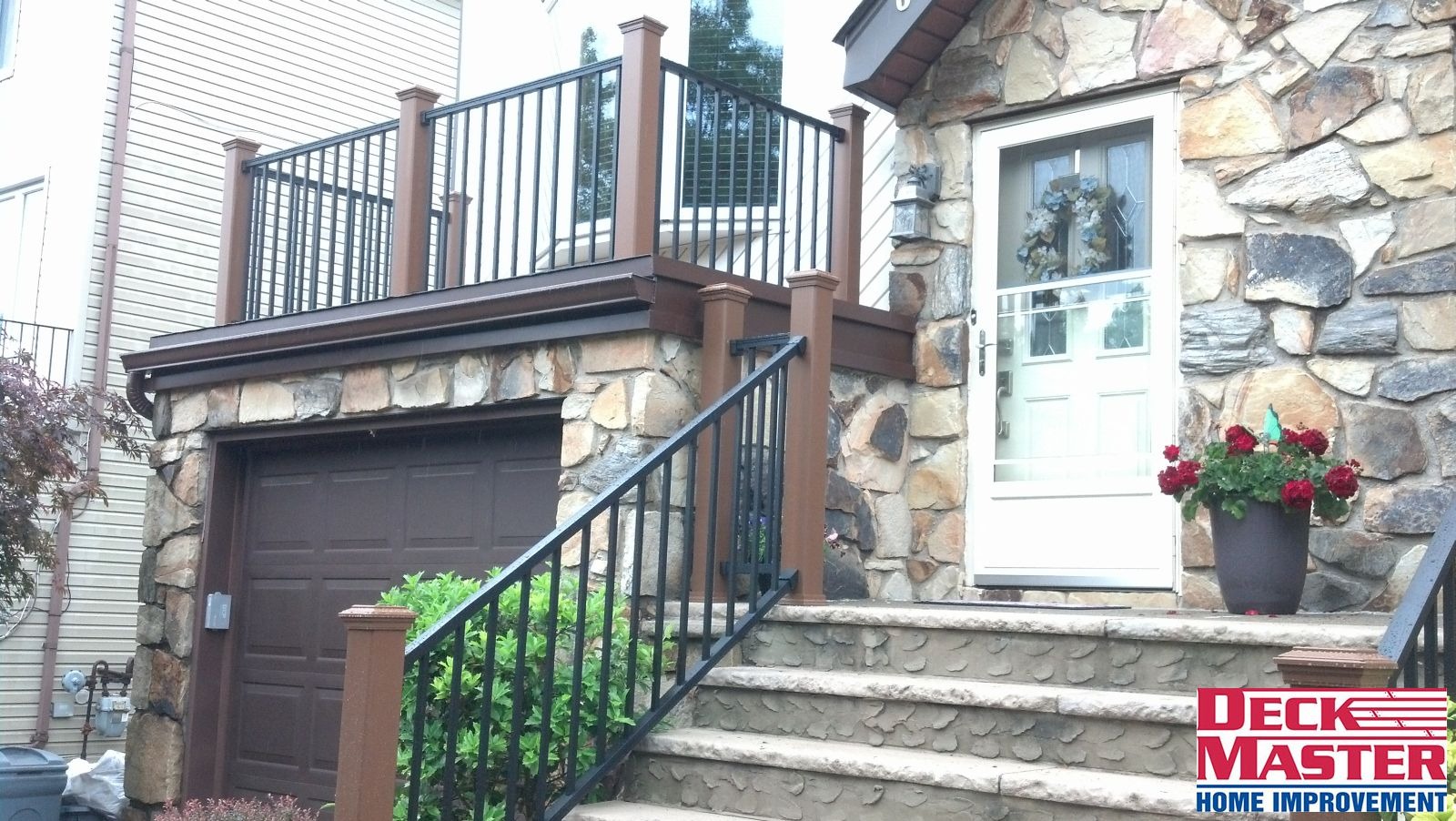
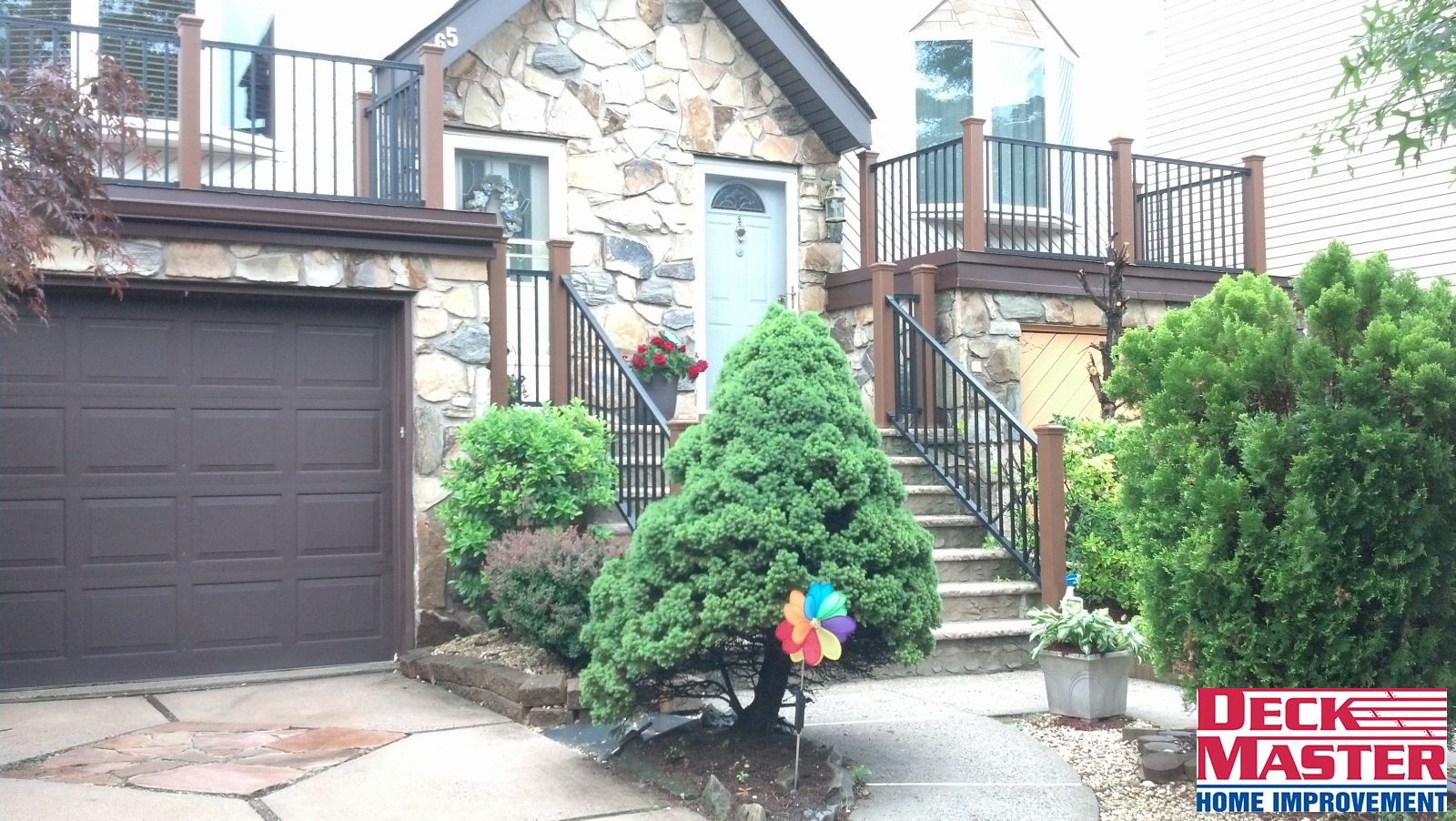
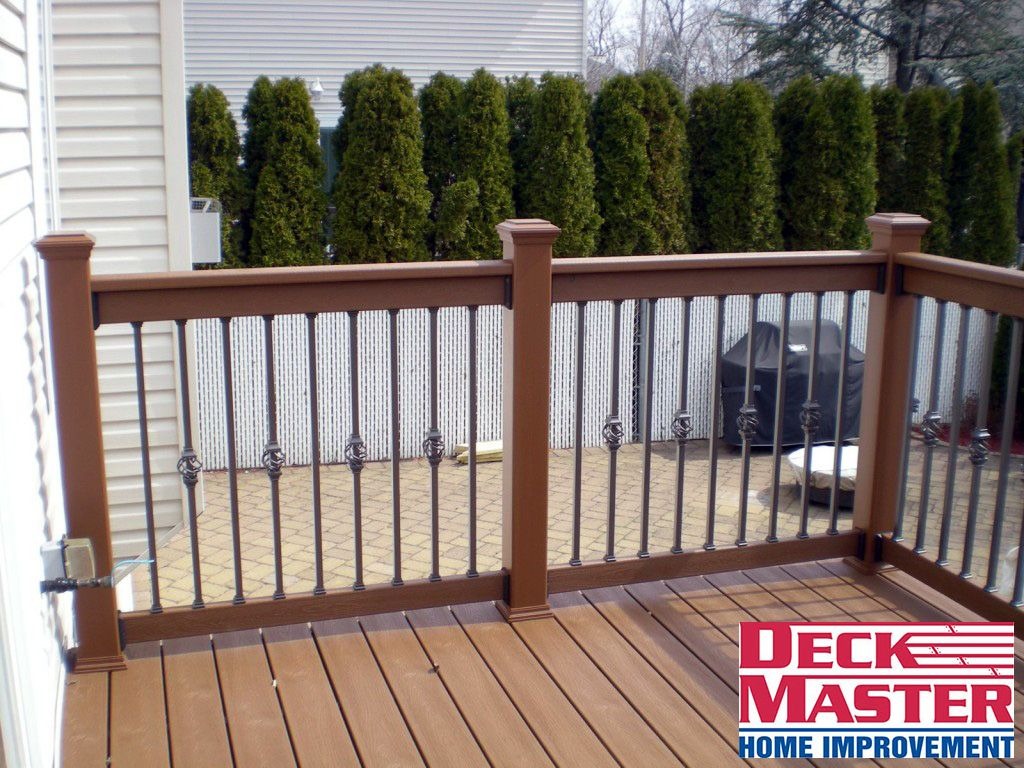
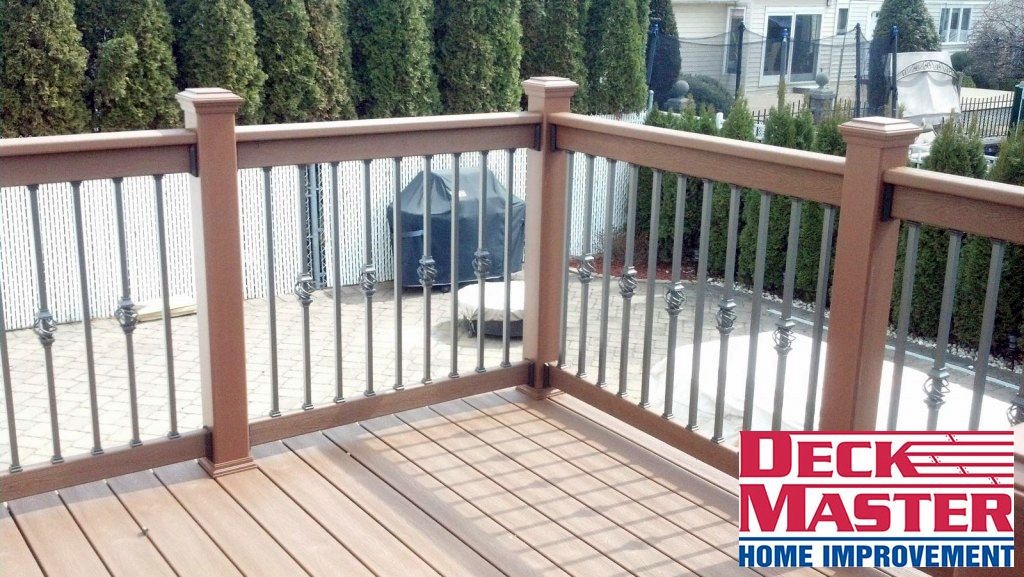
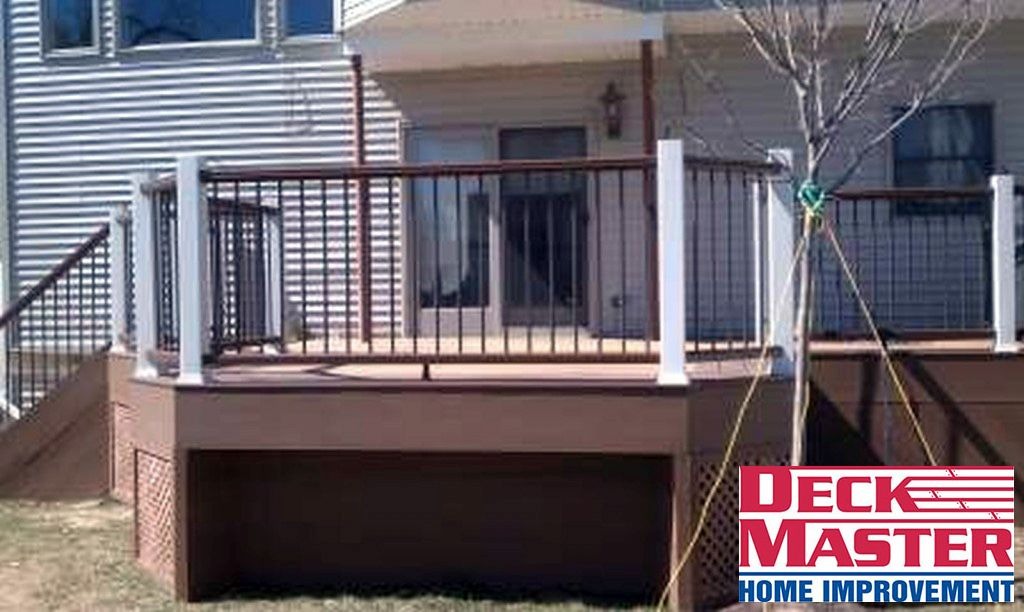
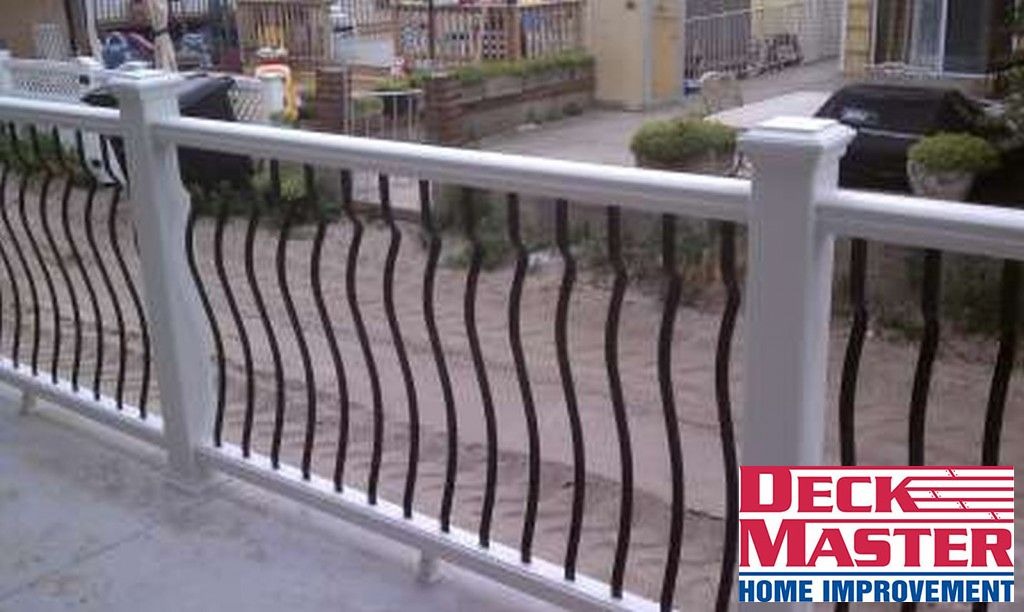
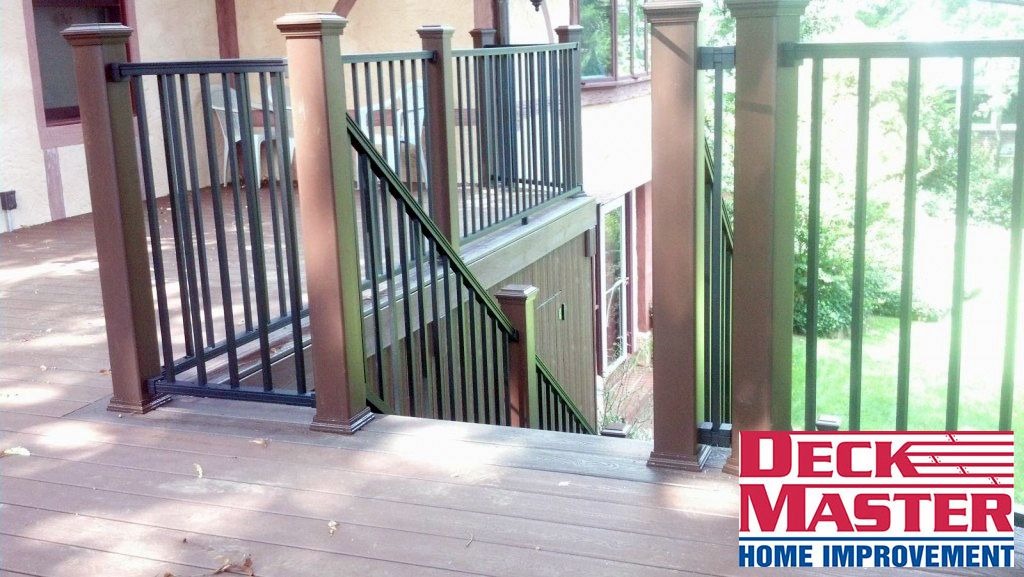
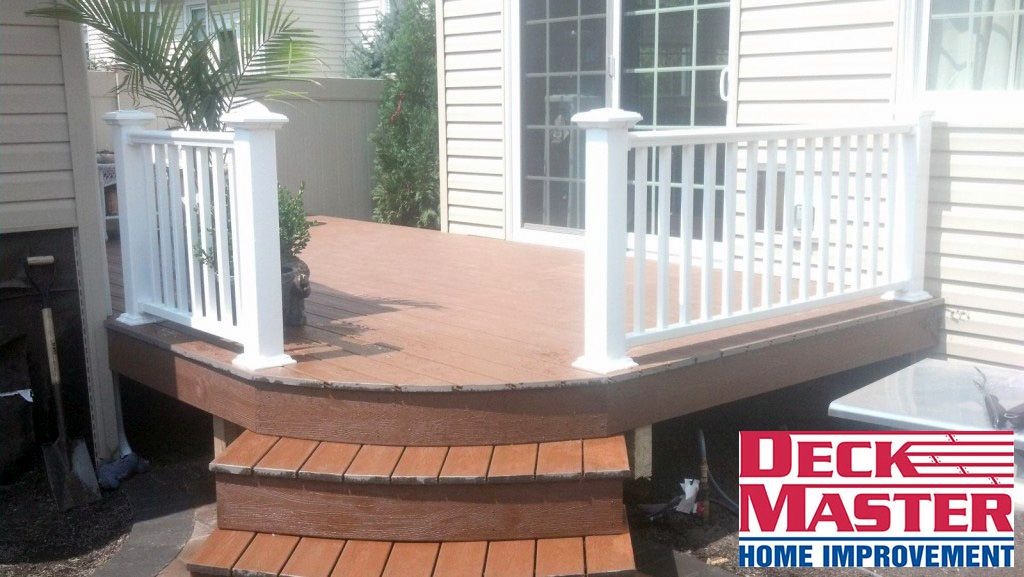
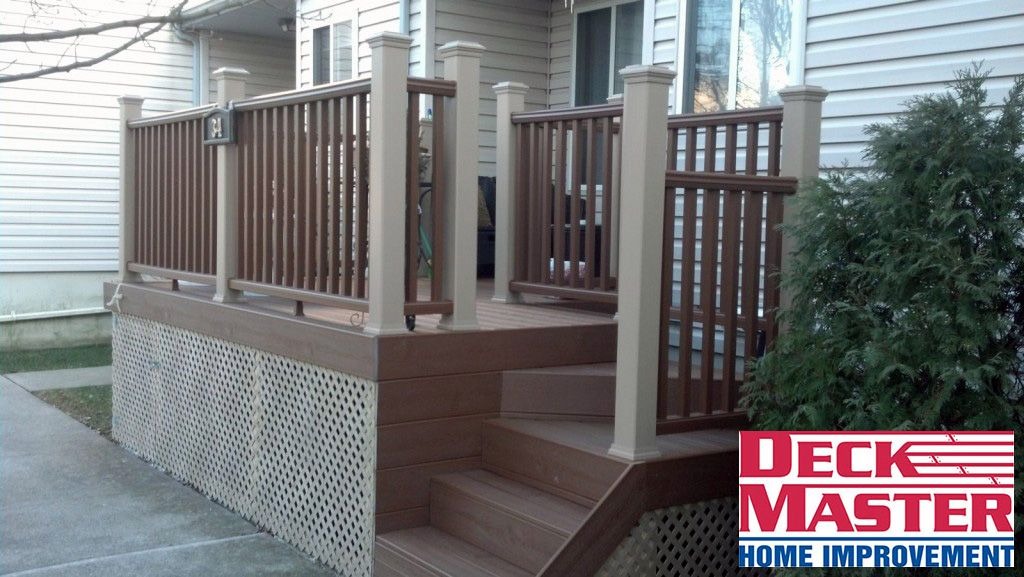
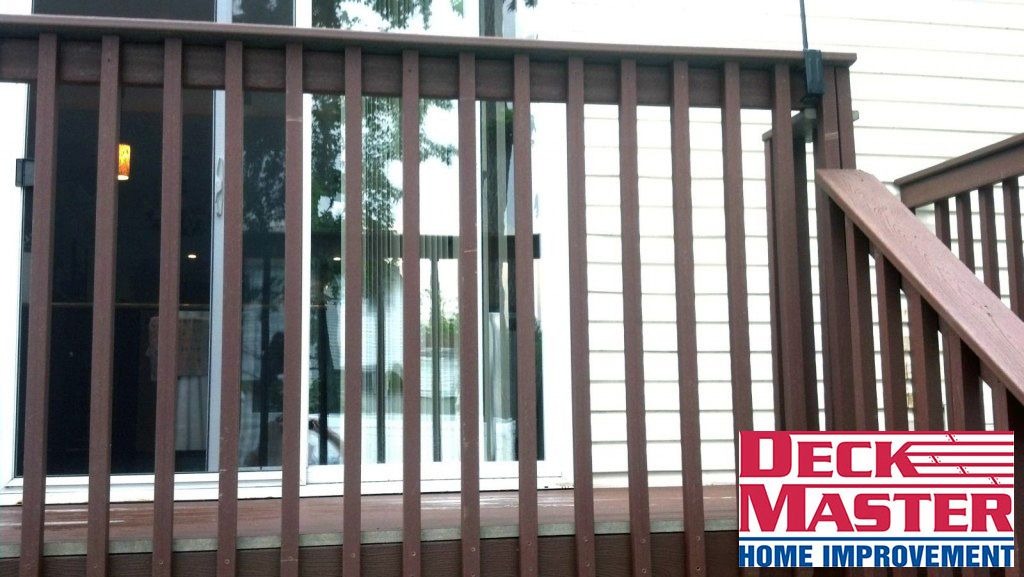
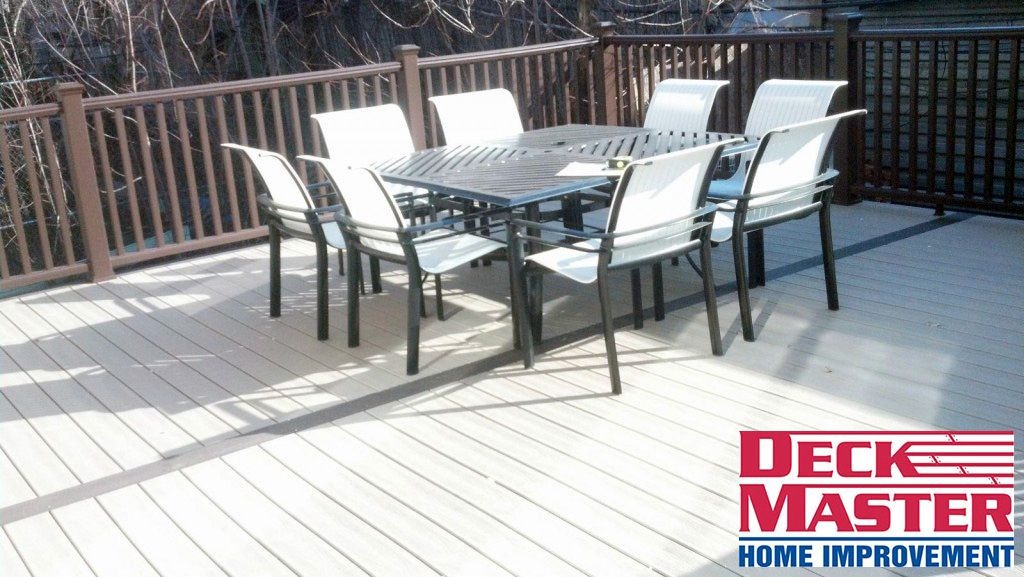
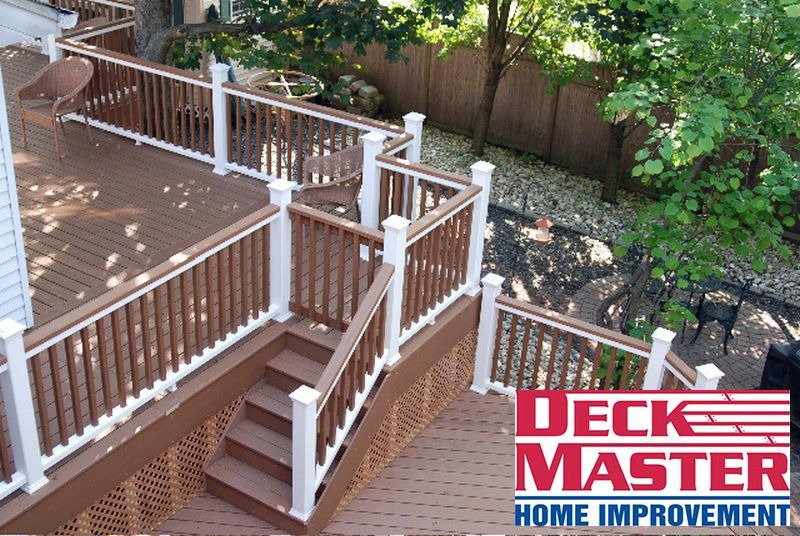
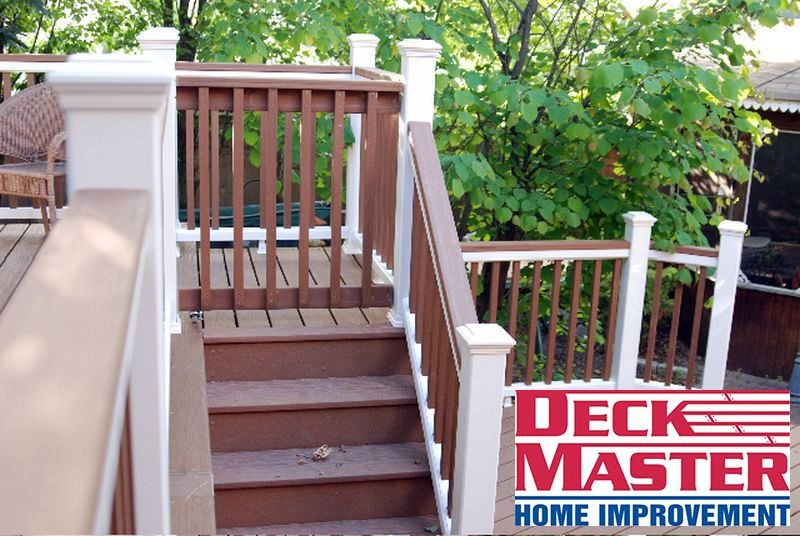
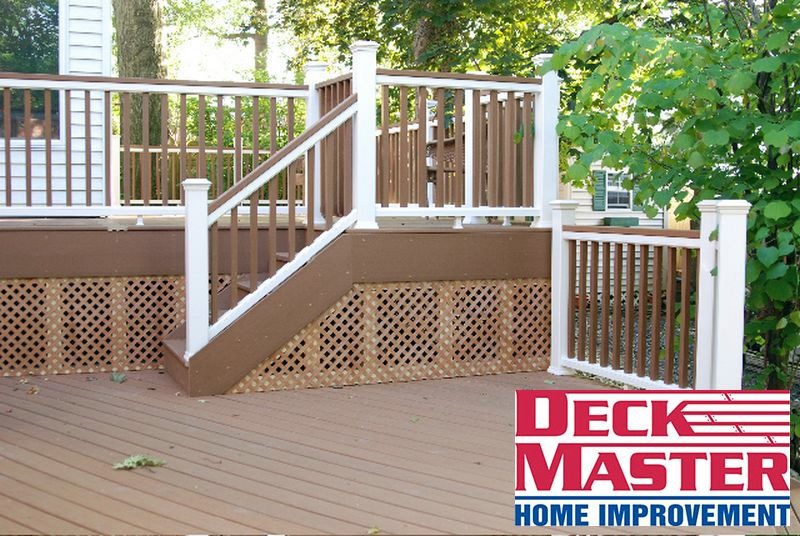
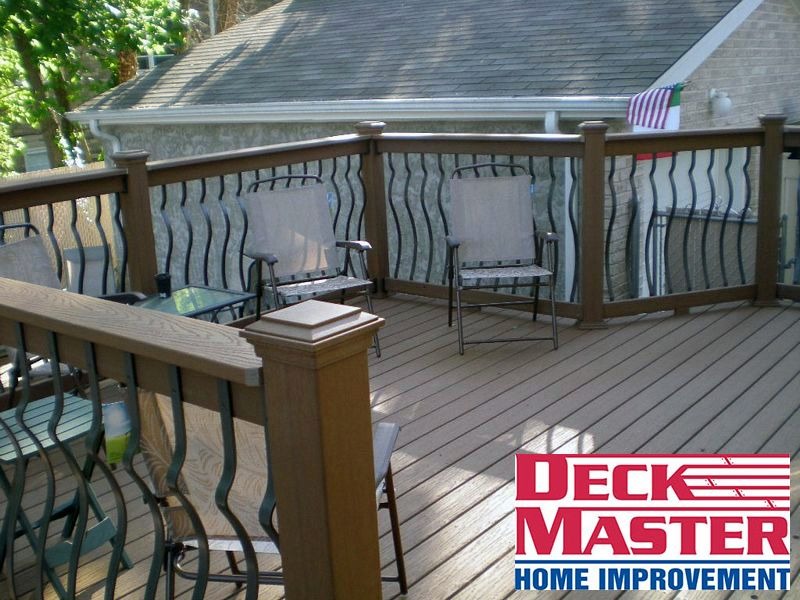
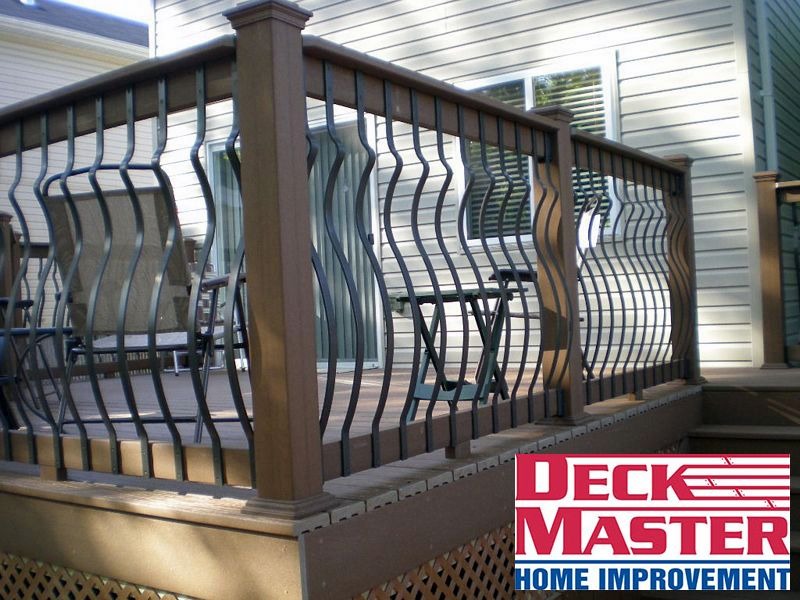
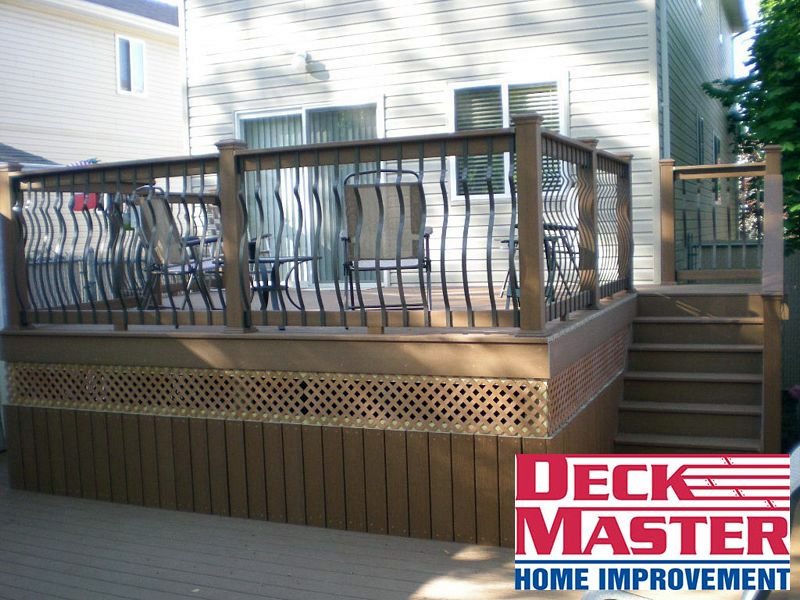
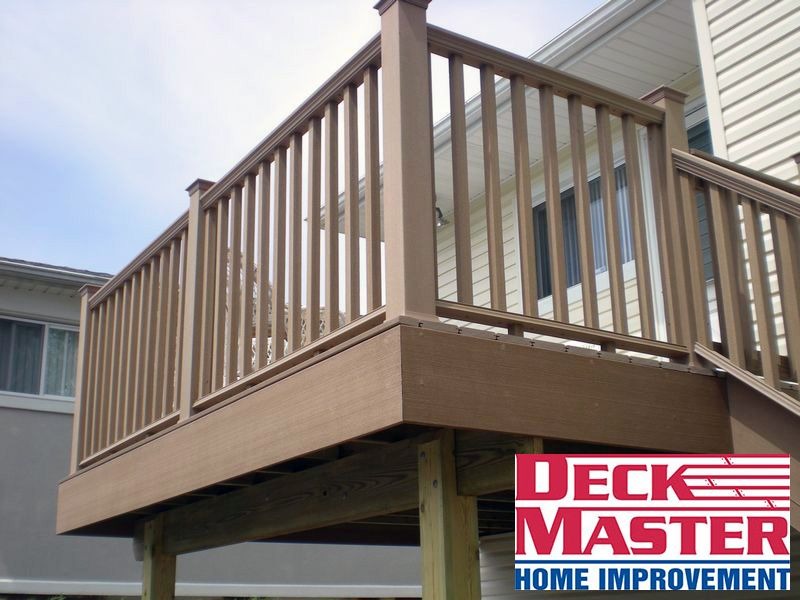
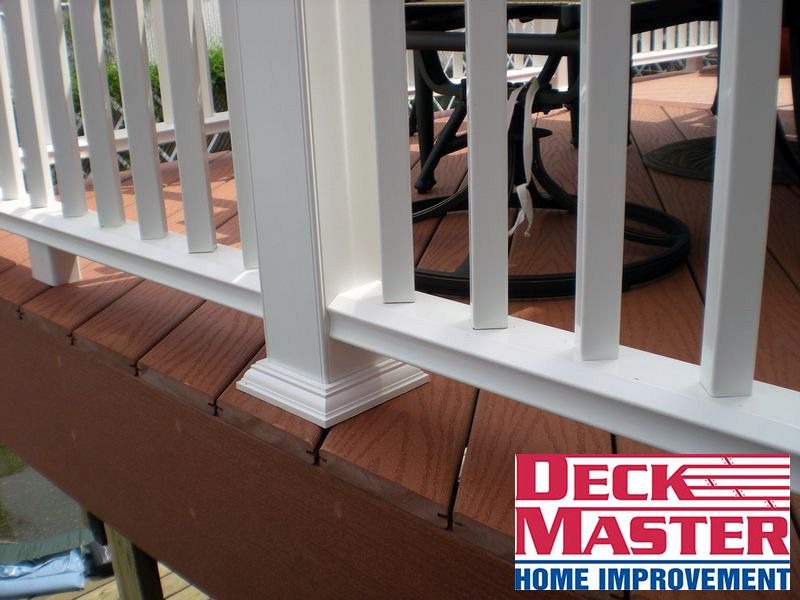
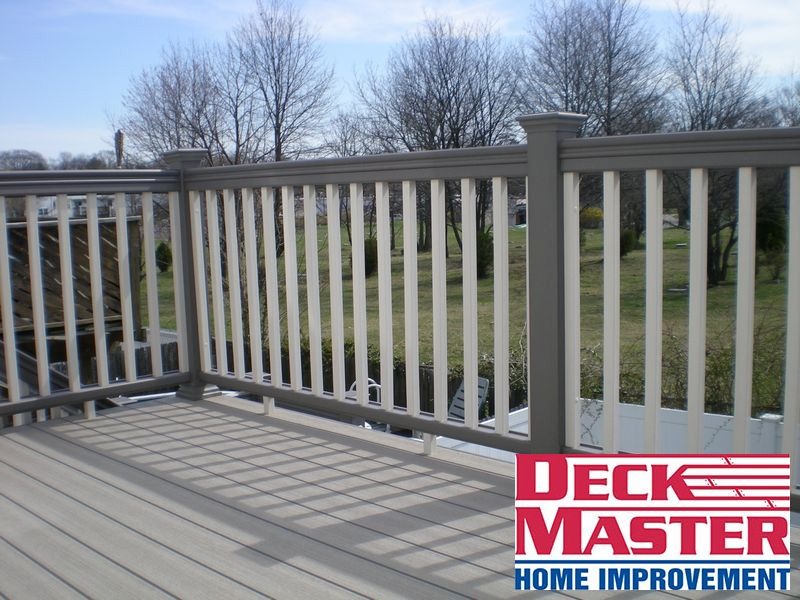
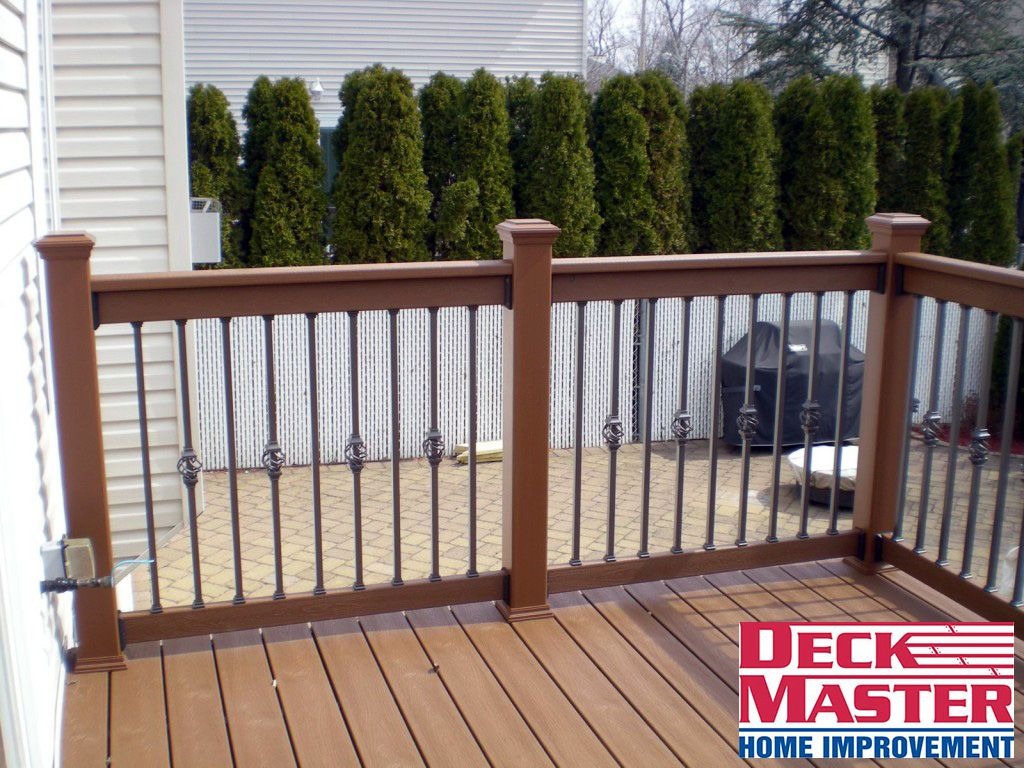
Deck Master’s verified project portfolio consistently shows the use of Trex Signature railing, RDI railing systems, aluminum railings, and traditional composite rail configurations across elevated and rooftop builds throughout New York.
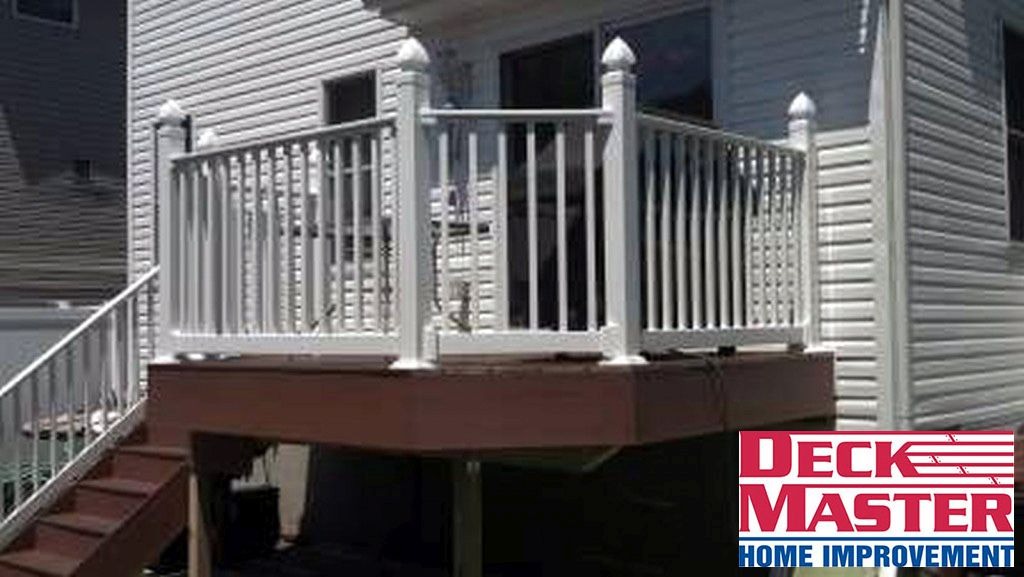
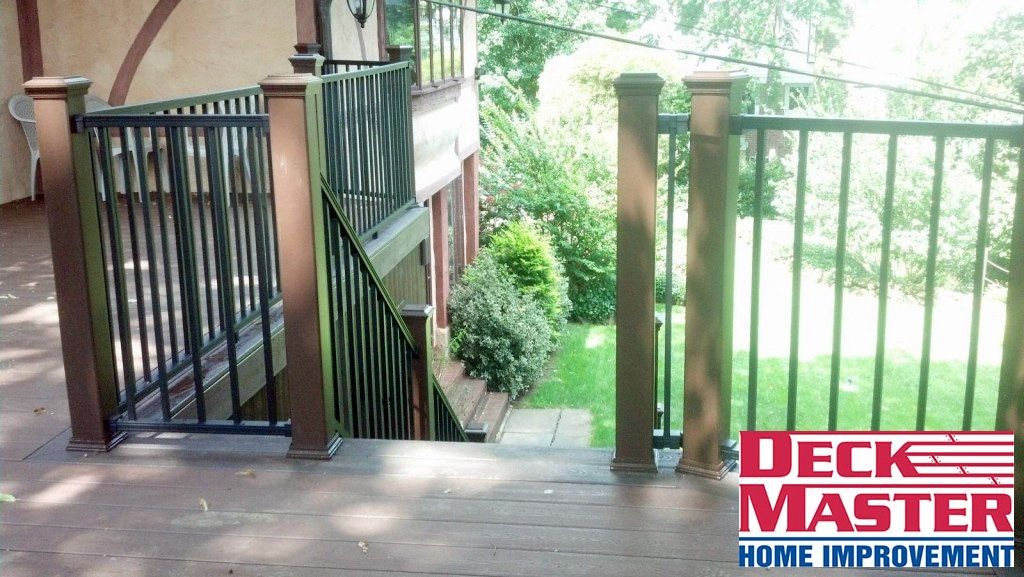
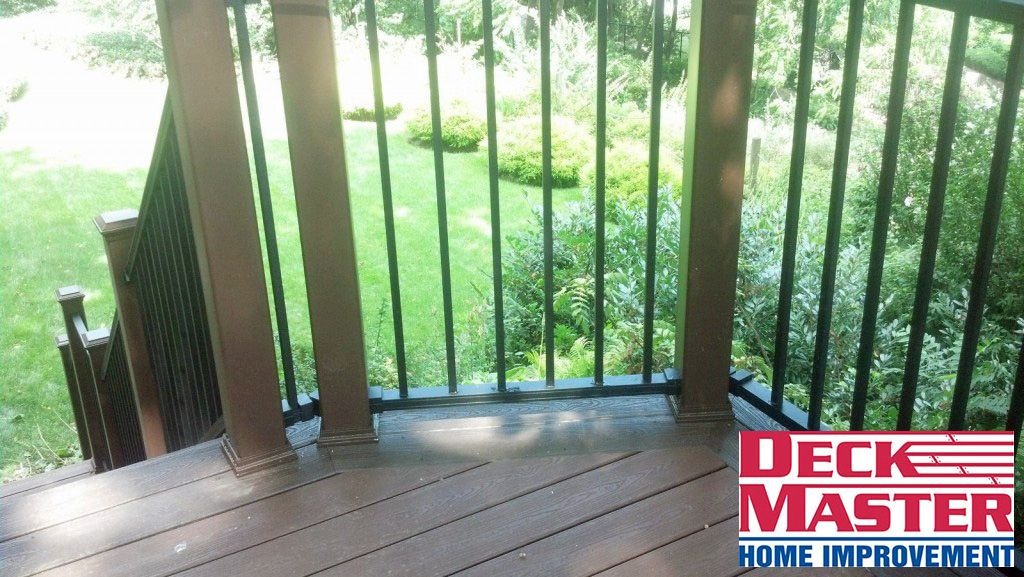
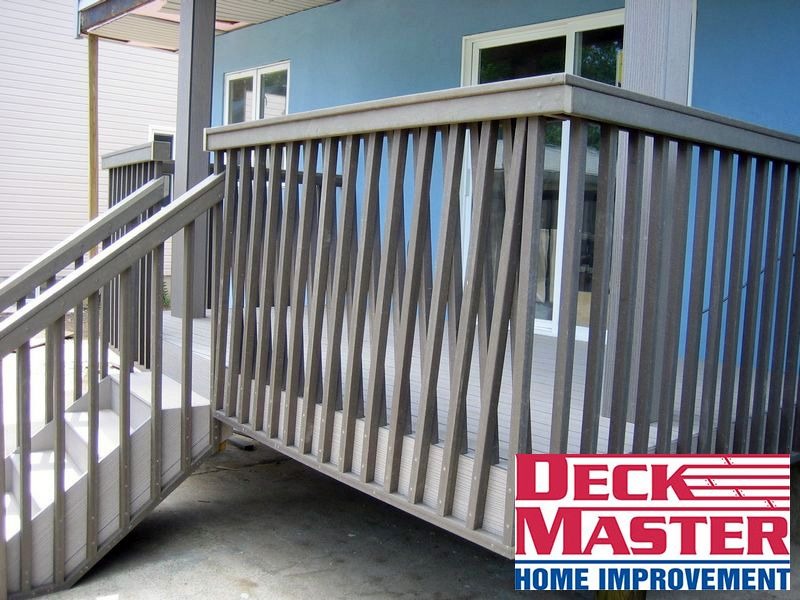
A documented second-story project in Gerritsen, NY paired Trex Transcend decking with an RDI railing system alongside a staircase engineered with 23 steps and 24 risers. Projects like this require rigid railing stability across long stair runs while maintaining consistent spacing and safe vertical transitions.
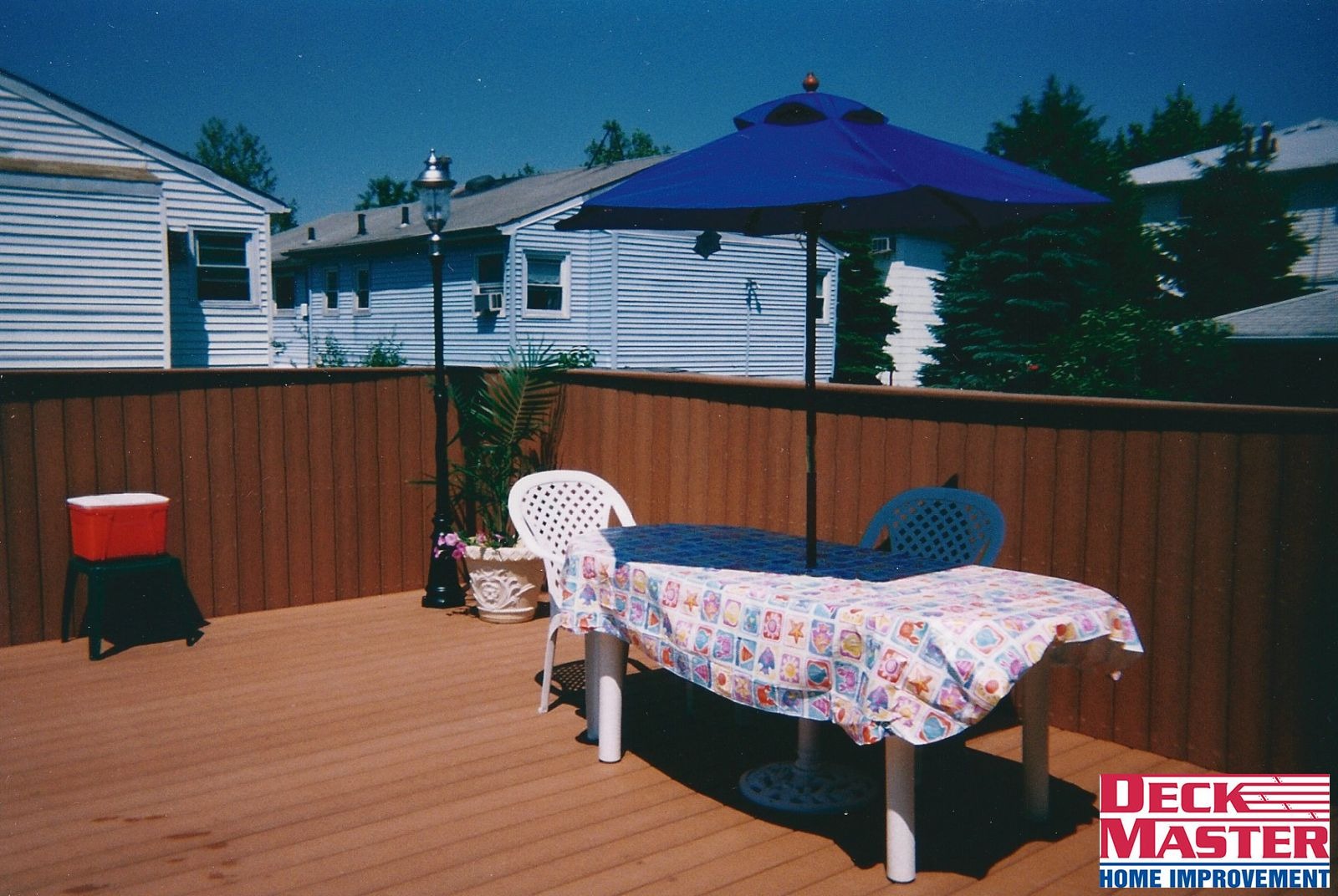
Another verified project in East Flatbush used Trex Transcend flooring with RDI railing and integrated Trex cocktail caps to create a cleaner entertaining layout with usable top-rail surfaces.
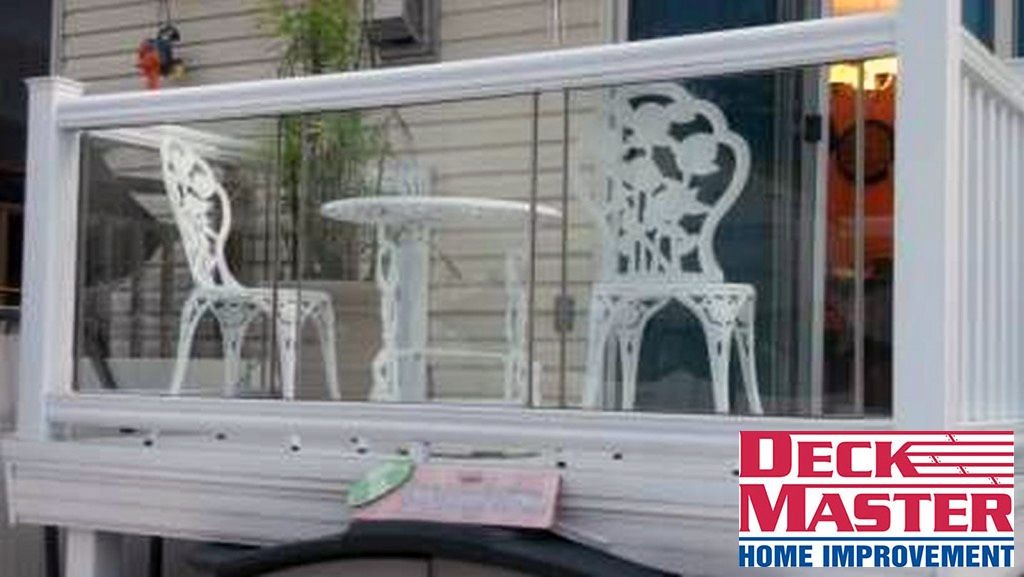
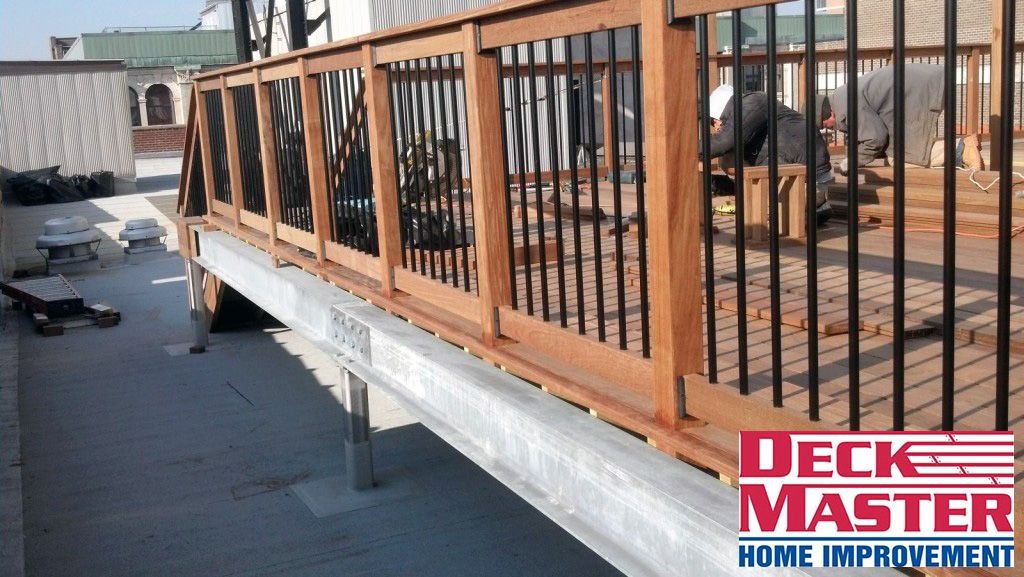
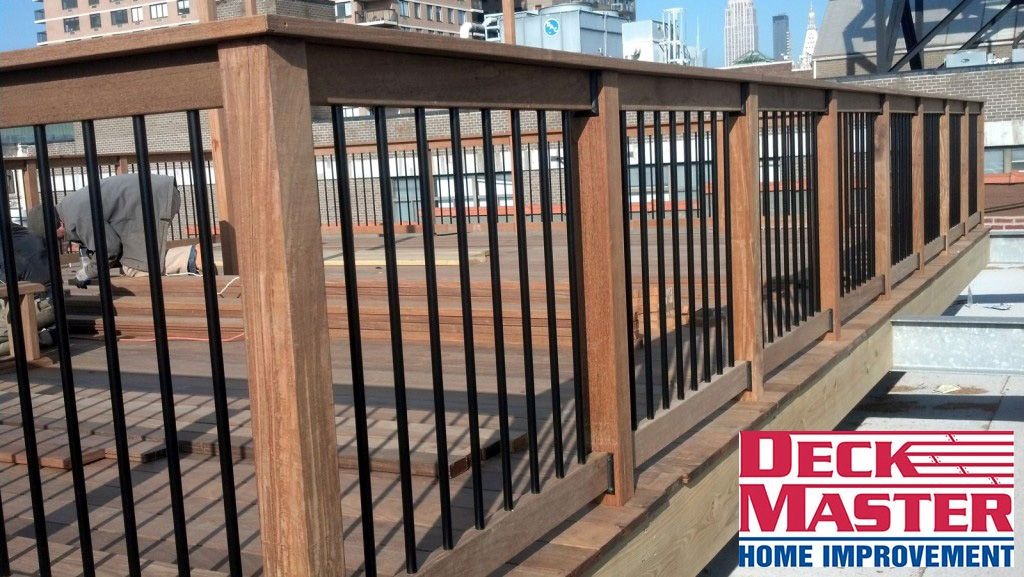
The company’s Greenwich Village rooftop deck incorporated Trex Signature railing across a 600-square-foot rooftop terrace system exposed to high wind and constant rooftop weather conditions.
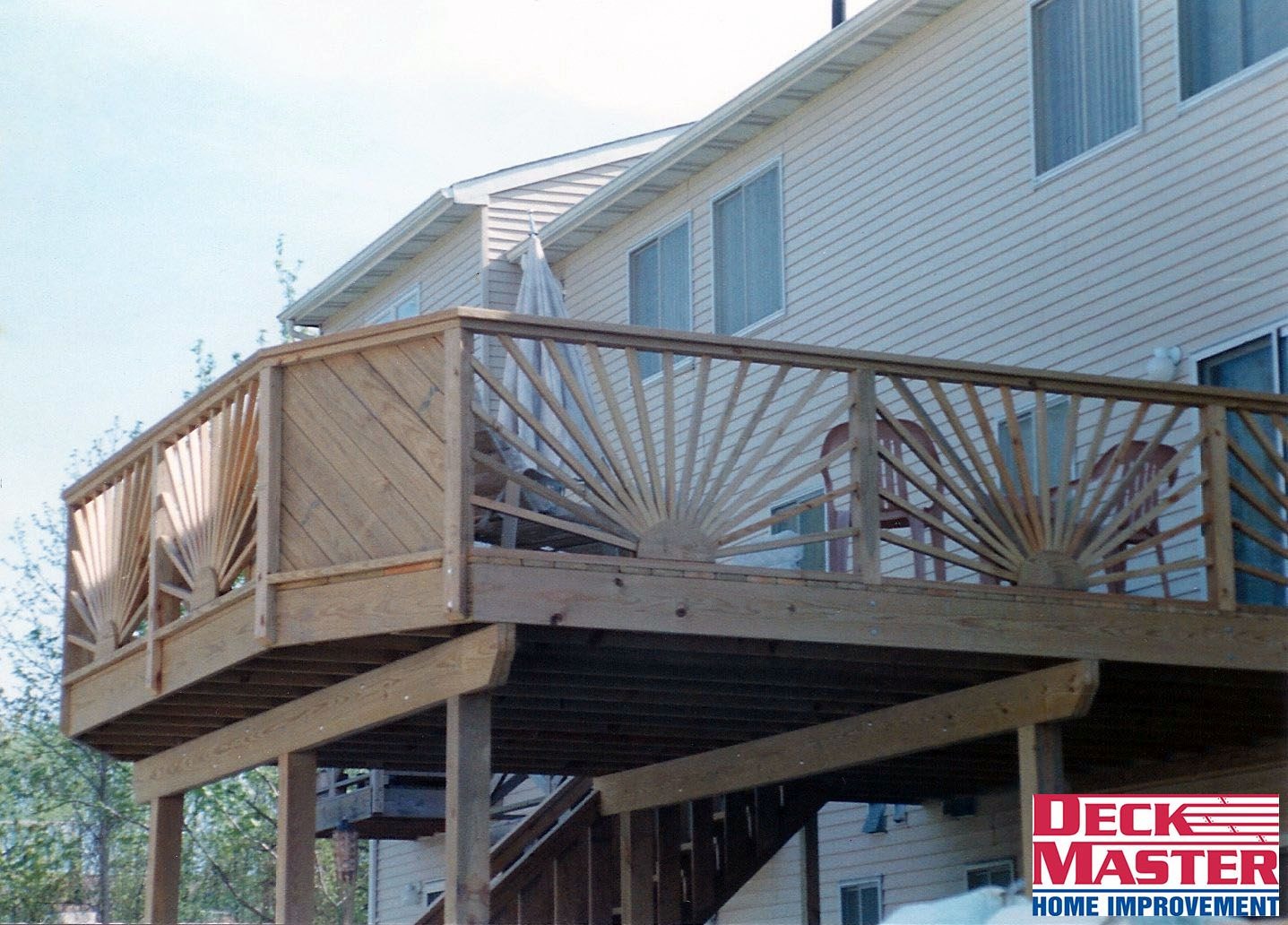
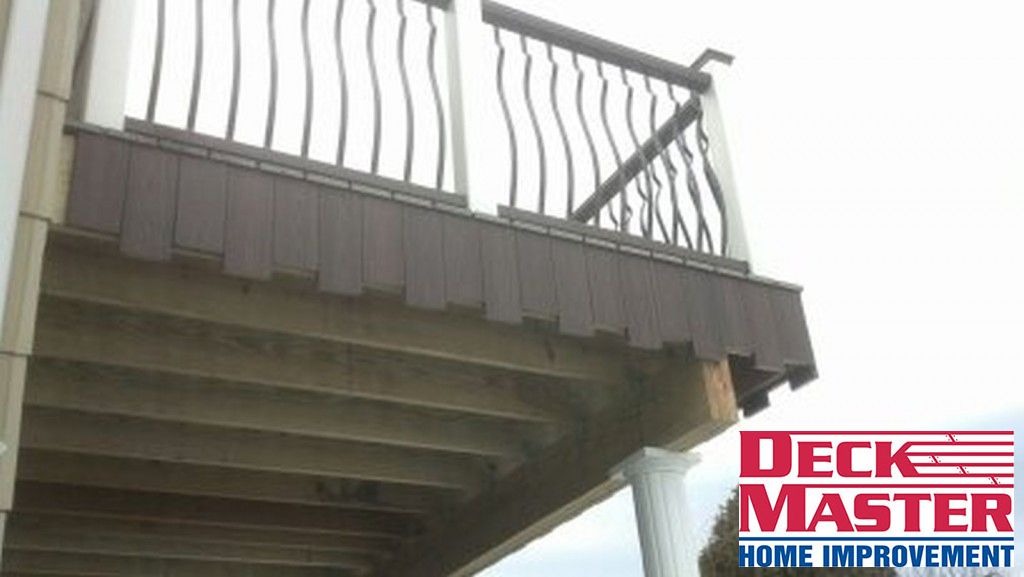
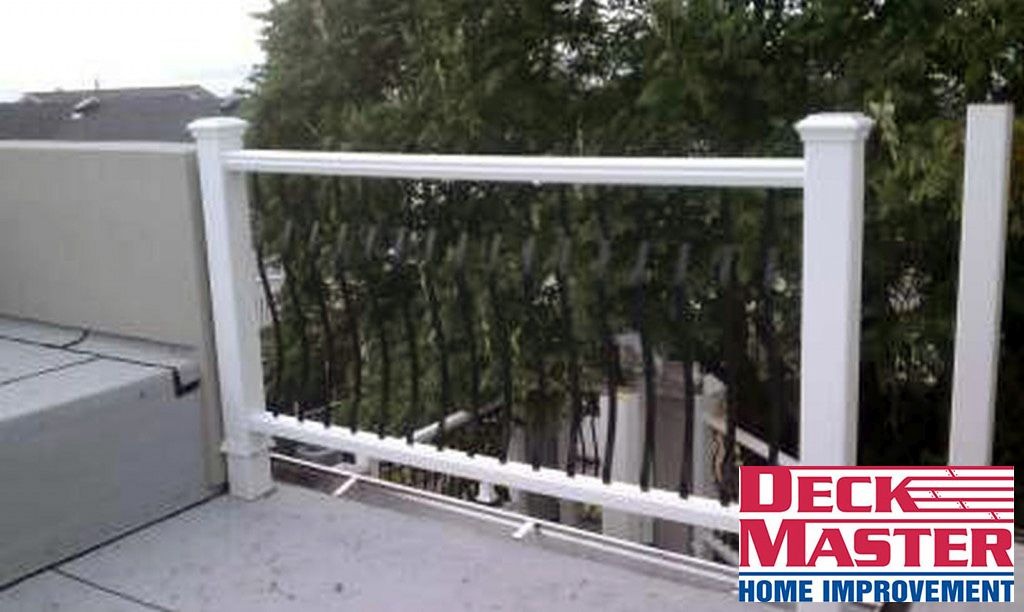
Published project records also confirm aluminum railing installations in Mill Basin and multiple second-story composite railing systems throughout Brooklyn rooftop and elevated builds.
Railing Systems That Match Elevated and Rooftop Structures
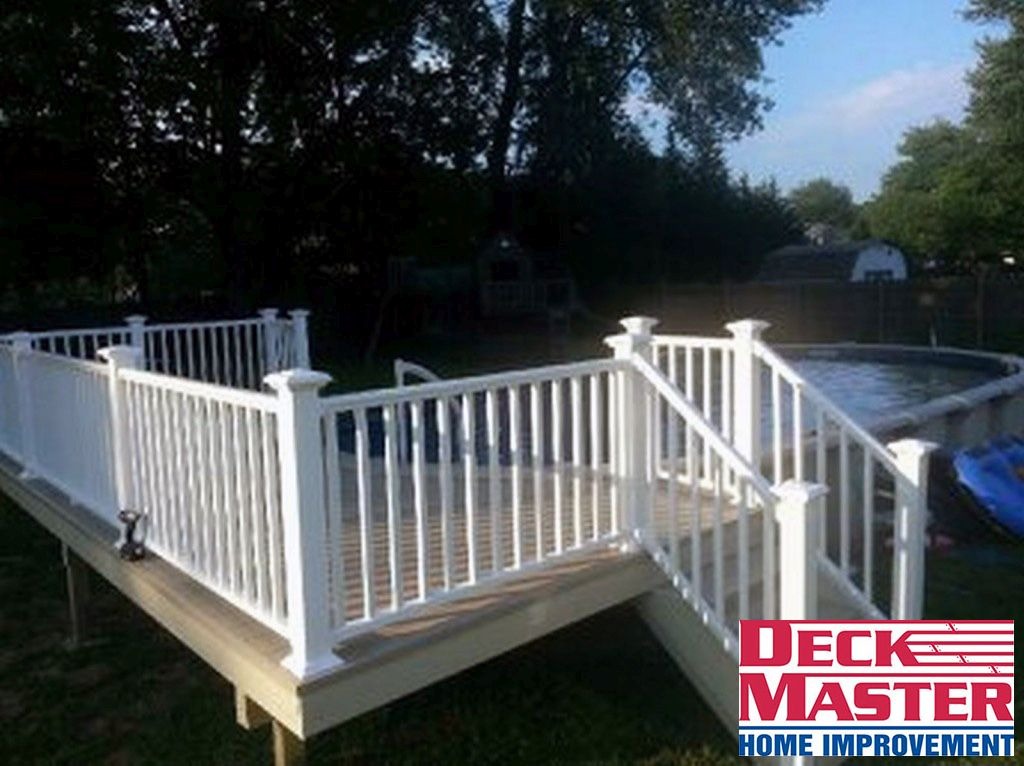
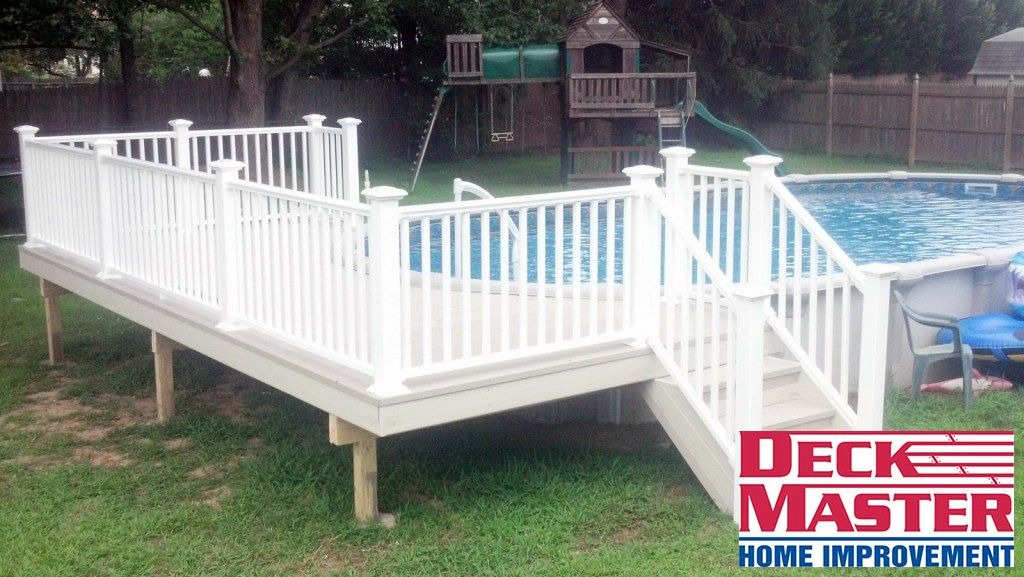
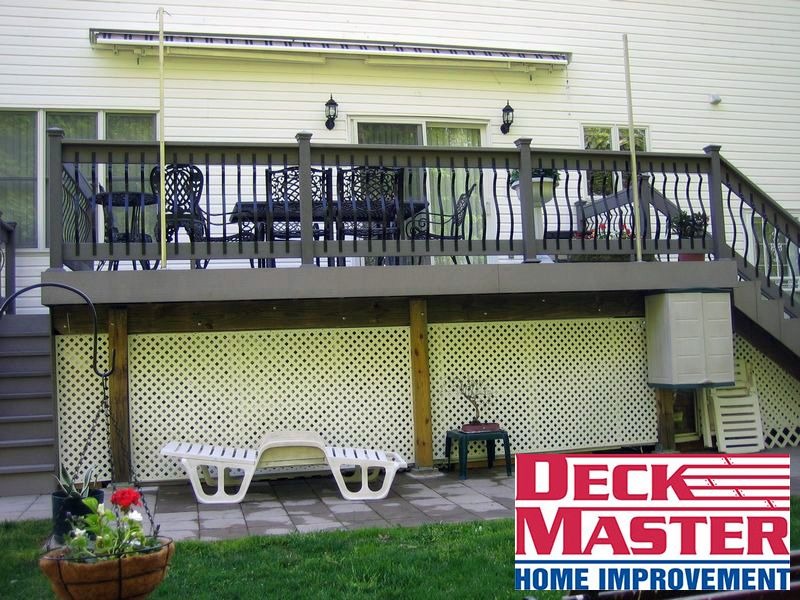
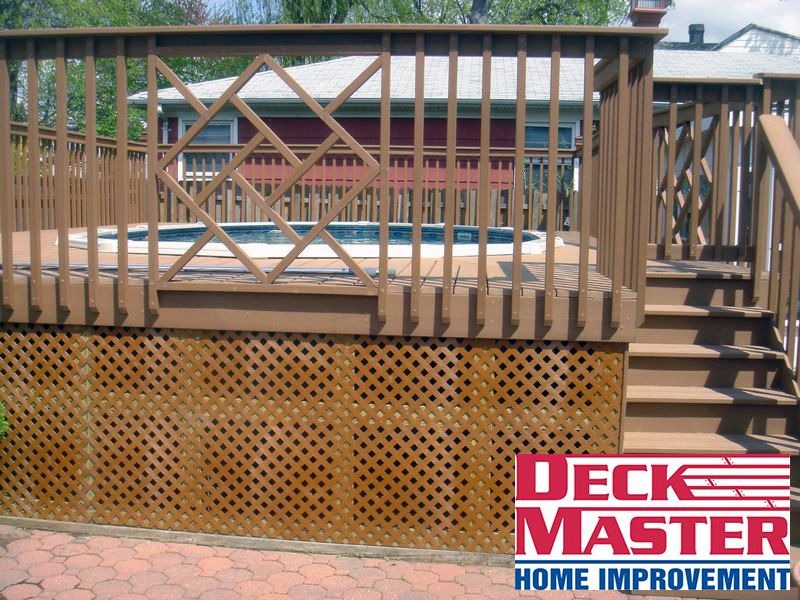
Different deck layouts require different railing approaches. Elevated backyard decks need stable perimeter systems capable of handling daily traffic and stair movement. Rooftop decks need open sightlines without compromising safety. Pool decks require moisture-resistant materials that stay durable around constant water exposure.
Deck Master’s verified portfolio primarily features:
Trex Signature railing
RDI railing systems
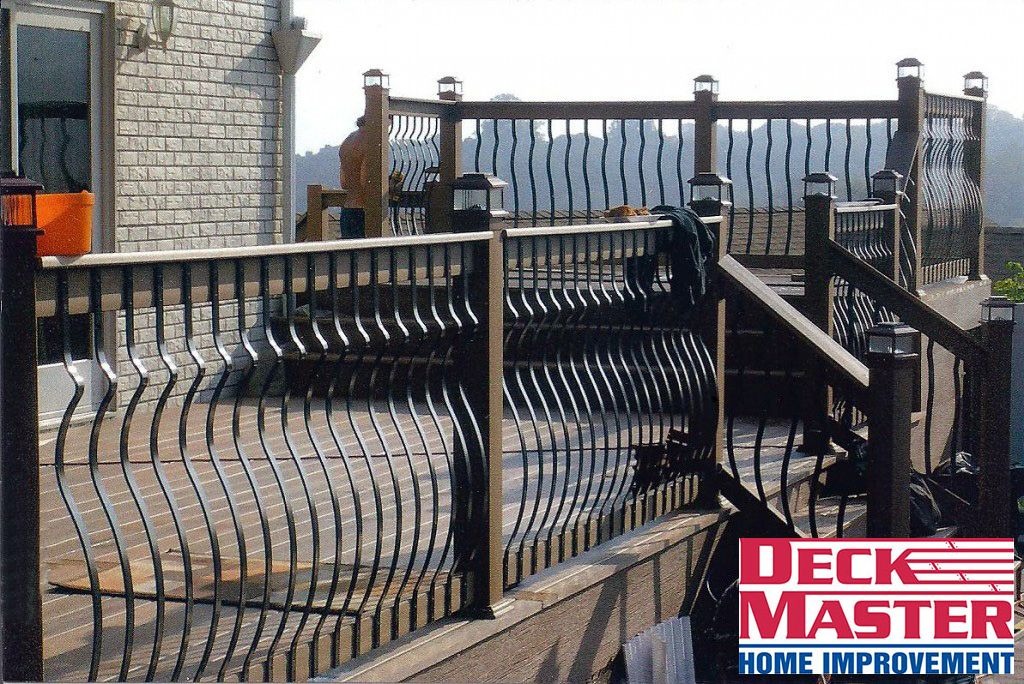
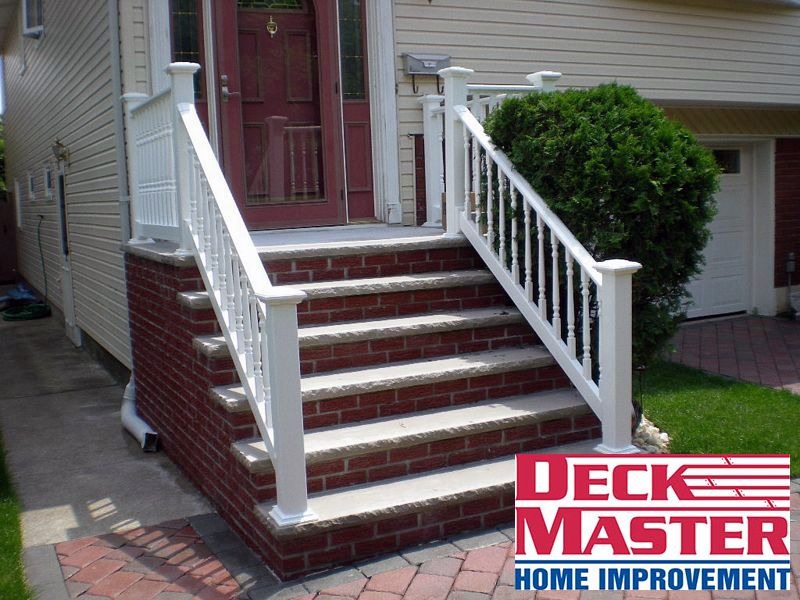
Aluminum railing
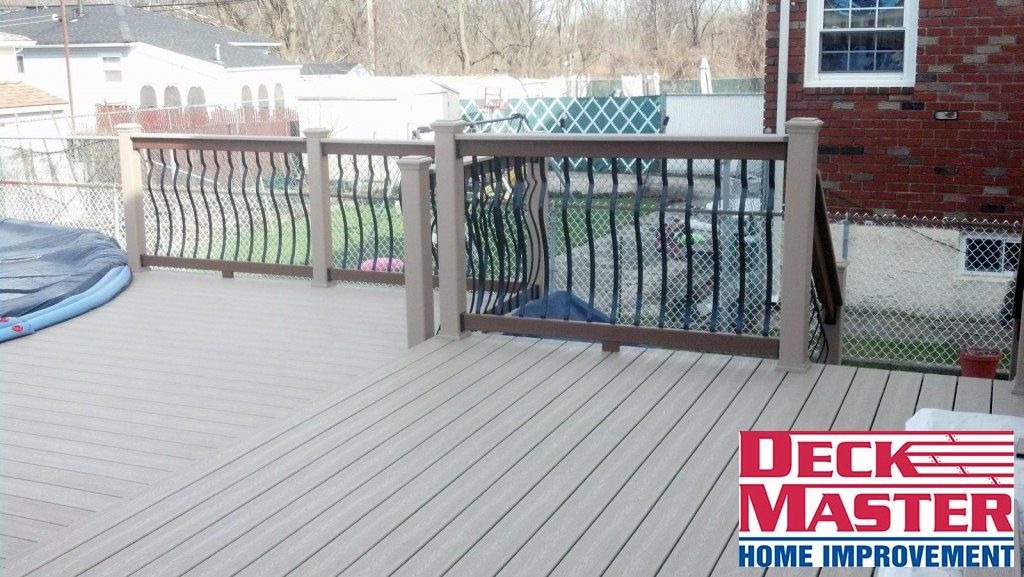
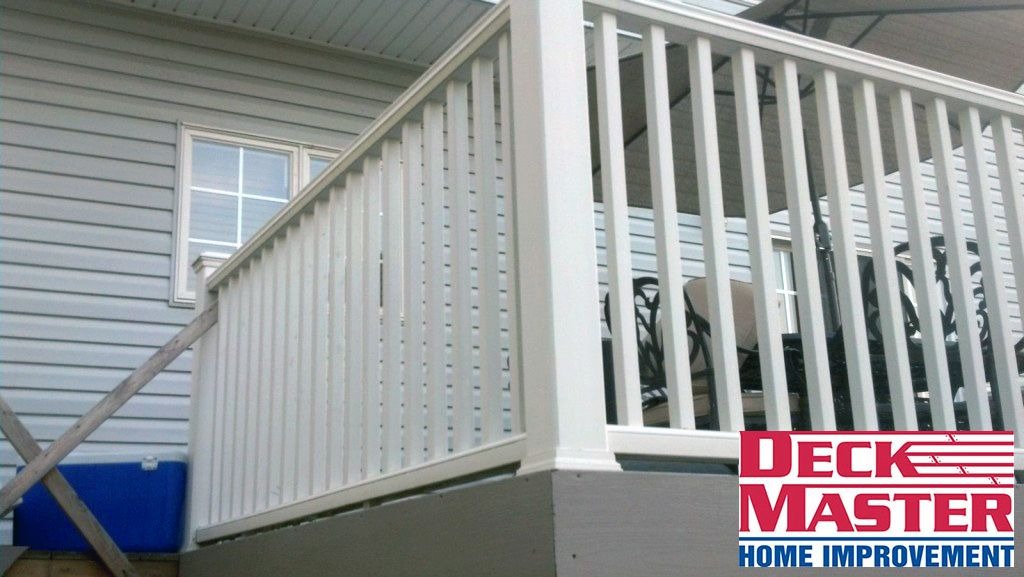
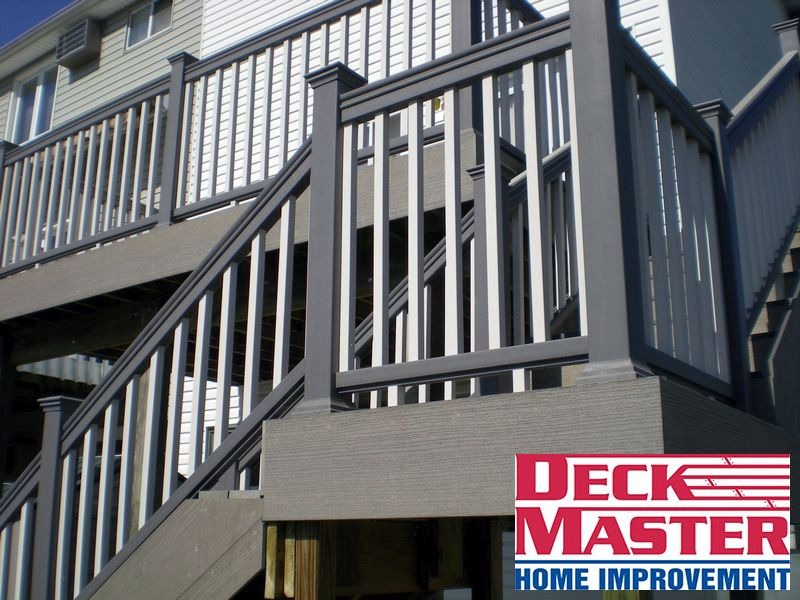
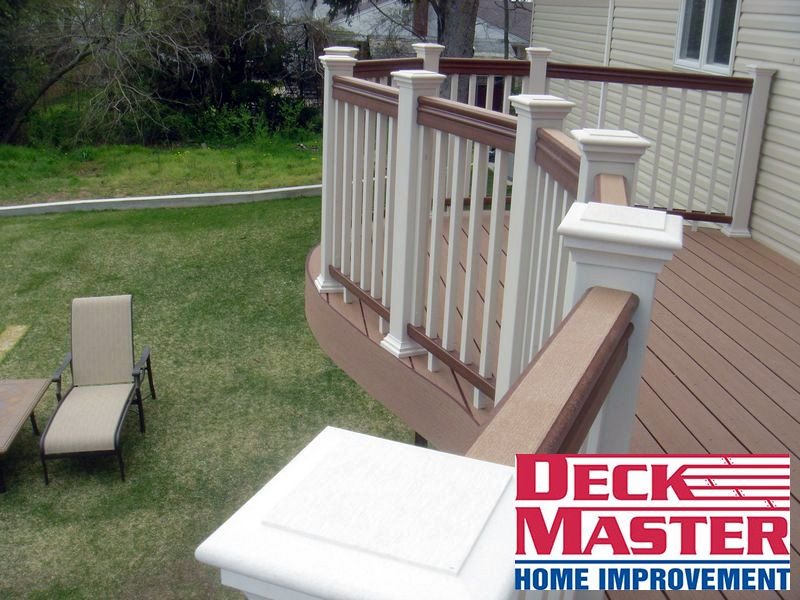
Composite railing systems
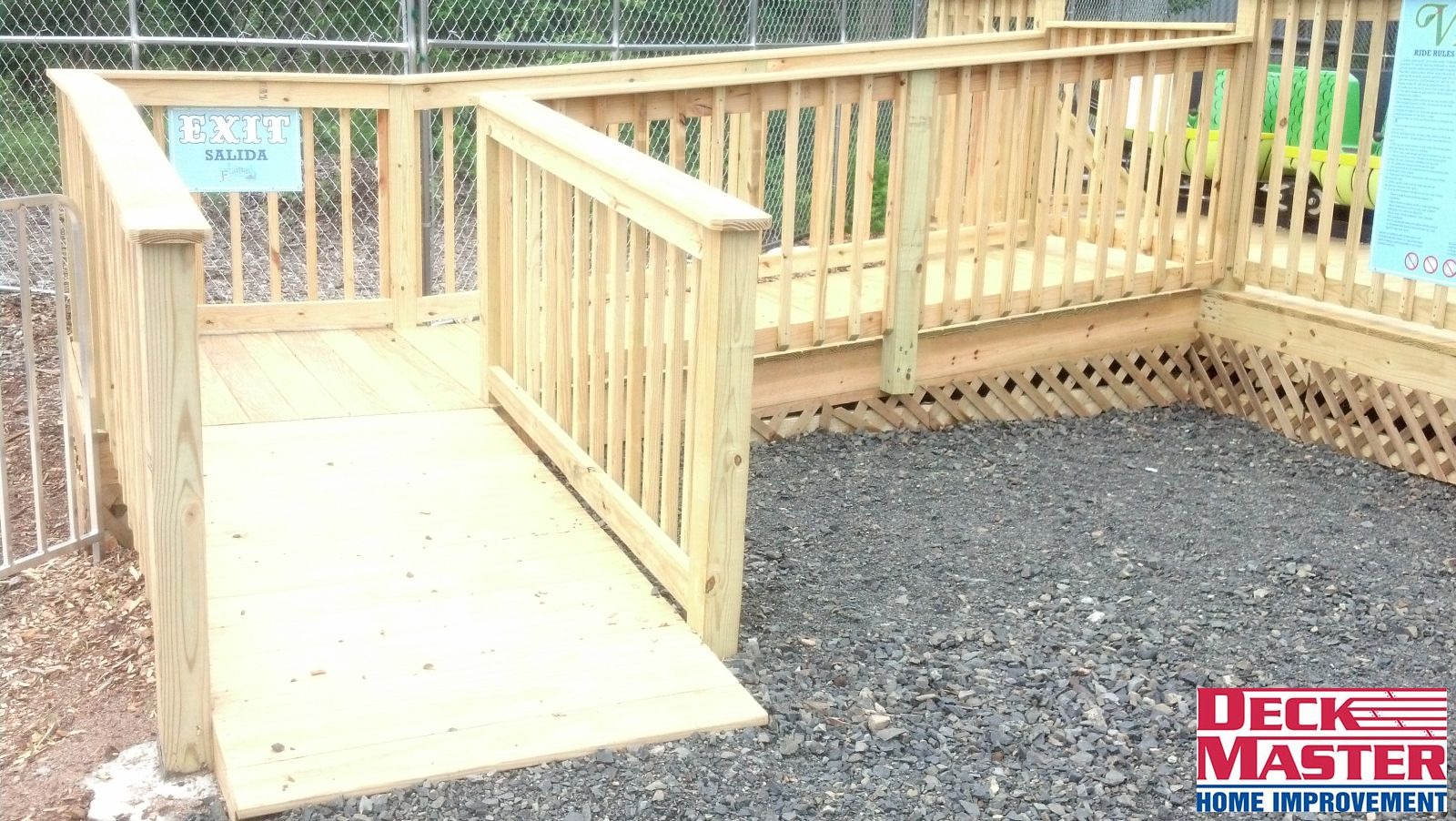
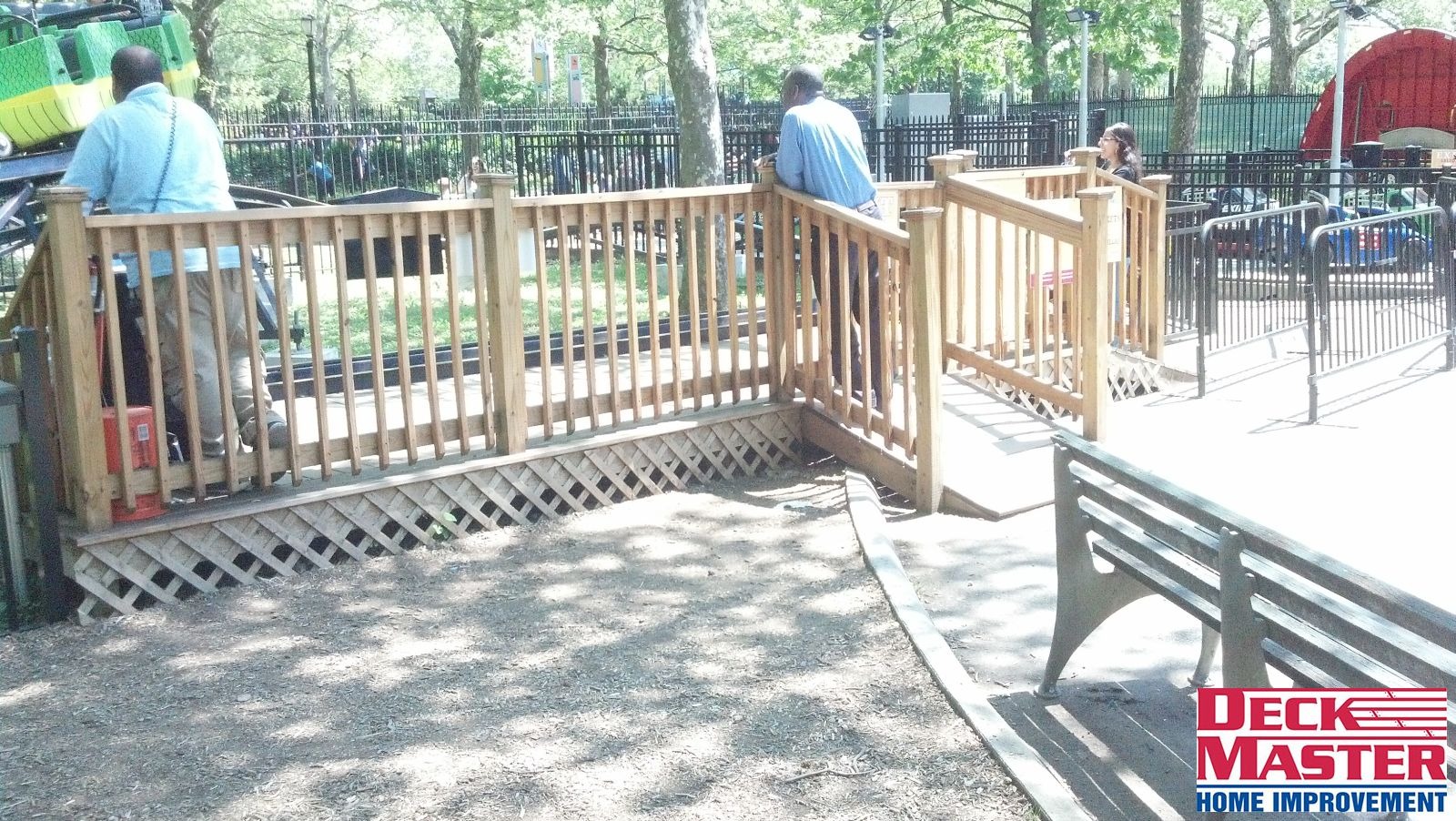
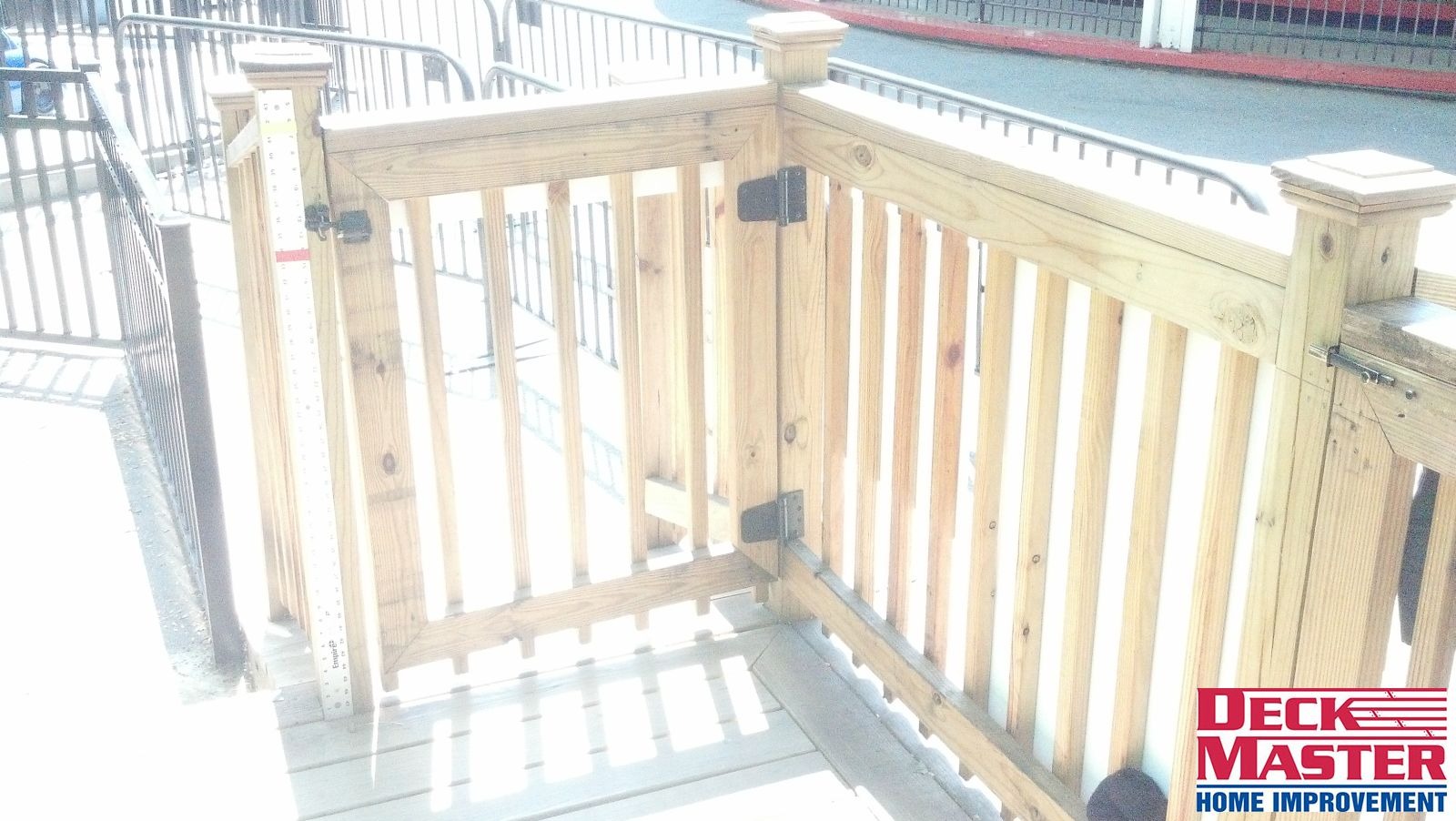
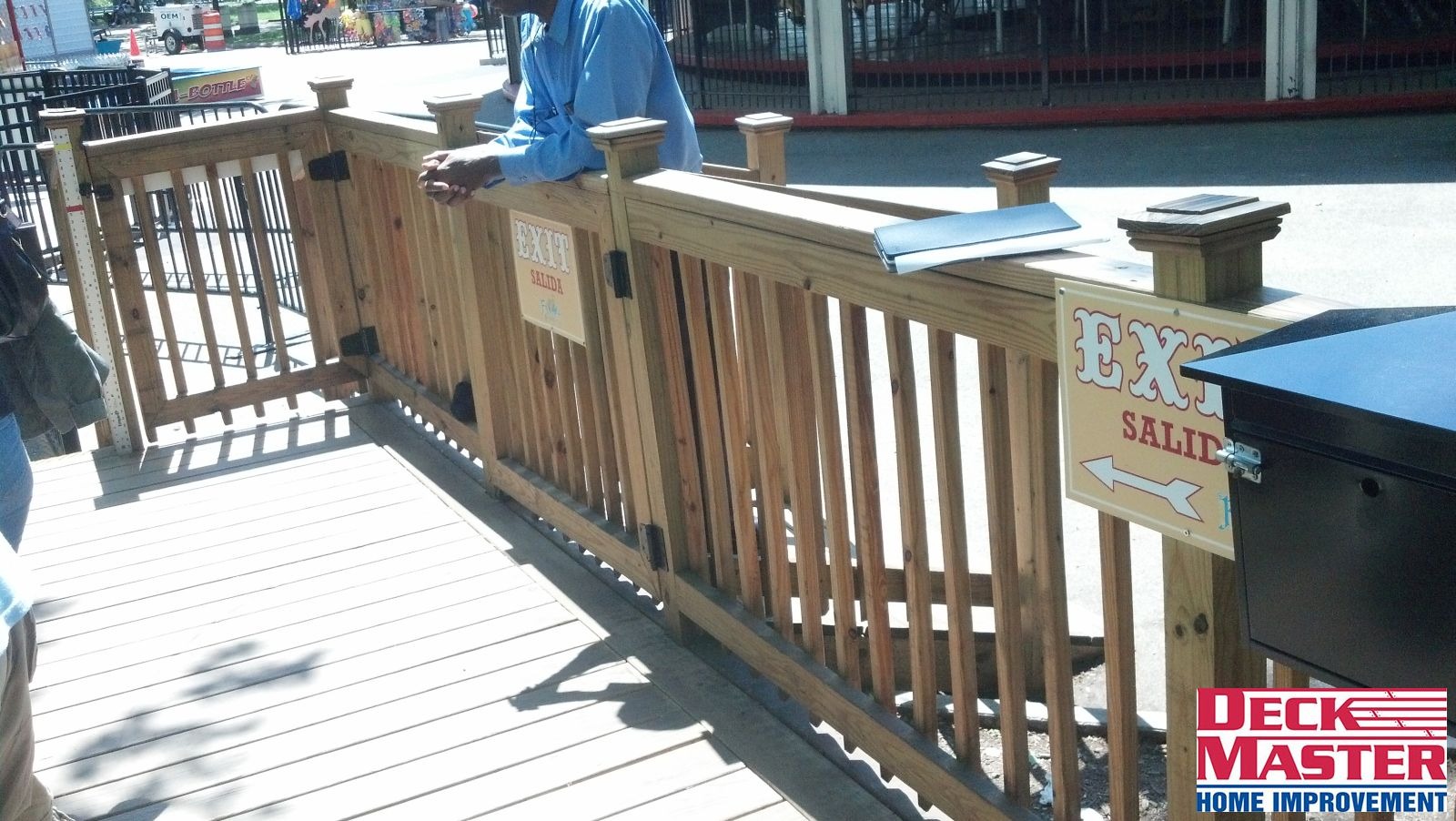
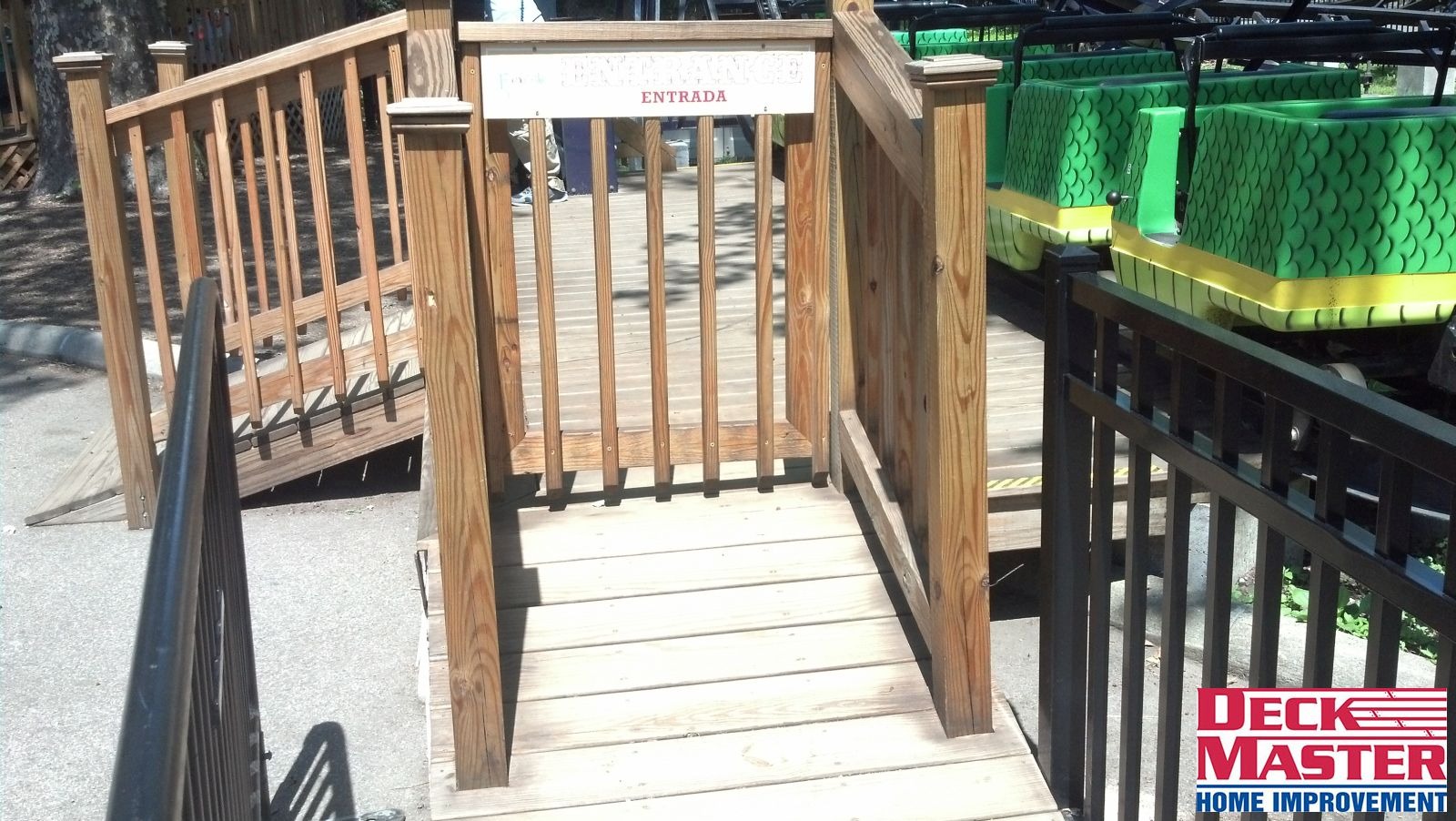
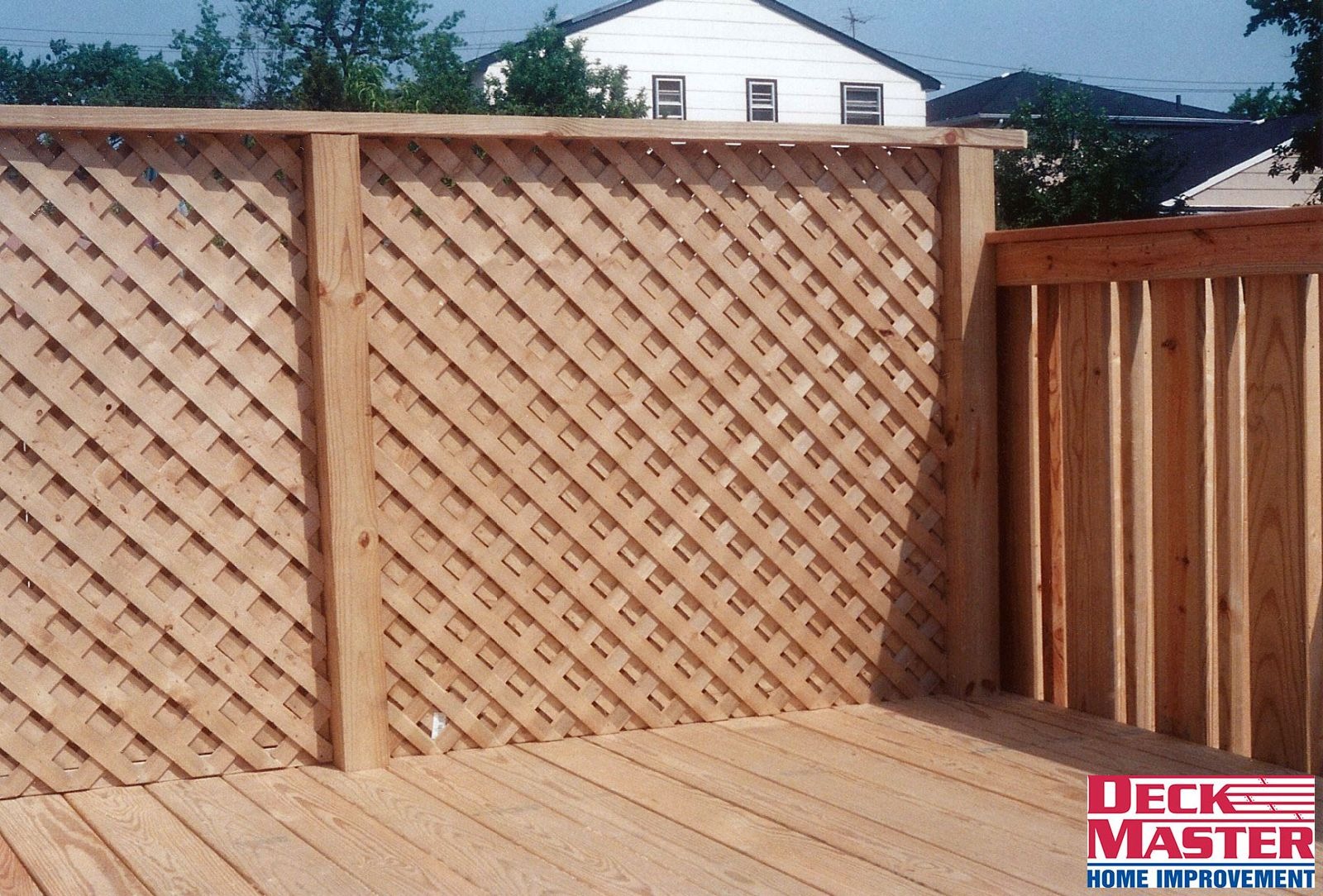
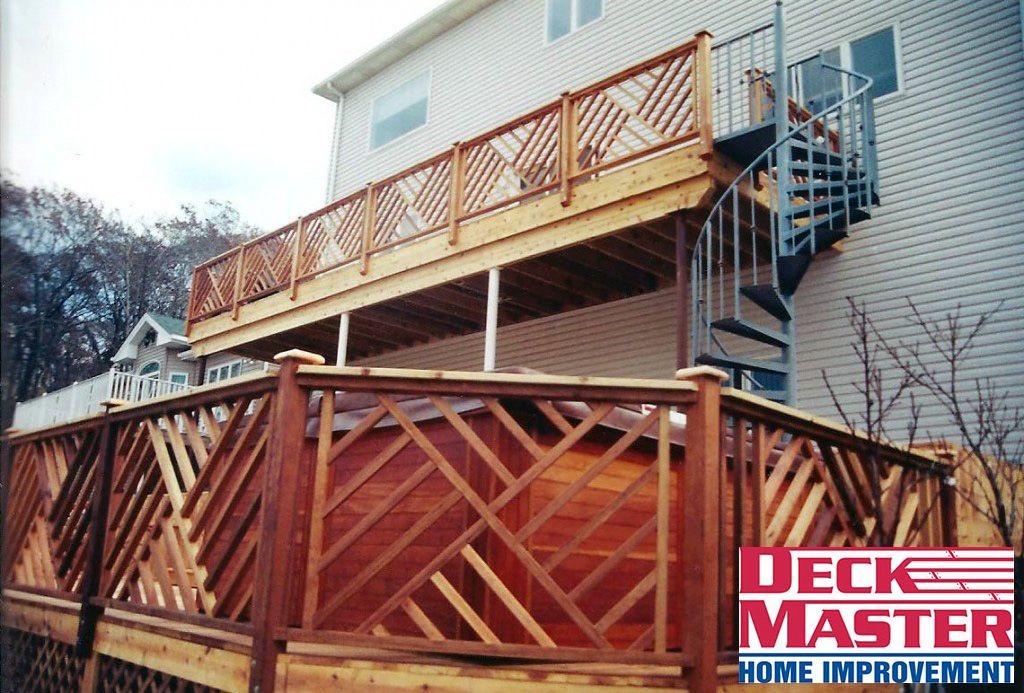
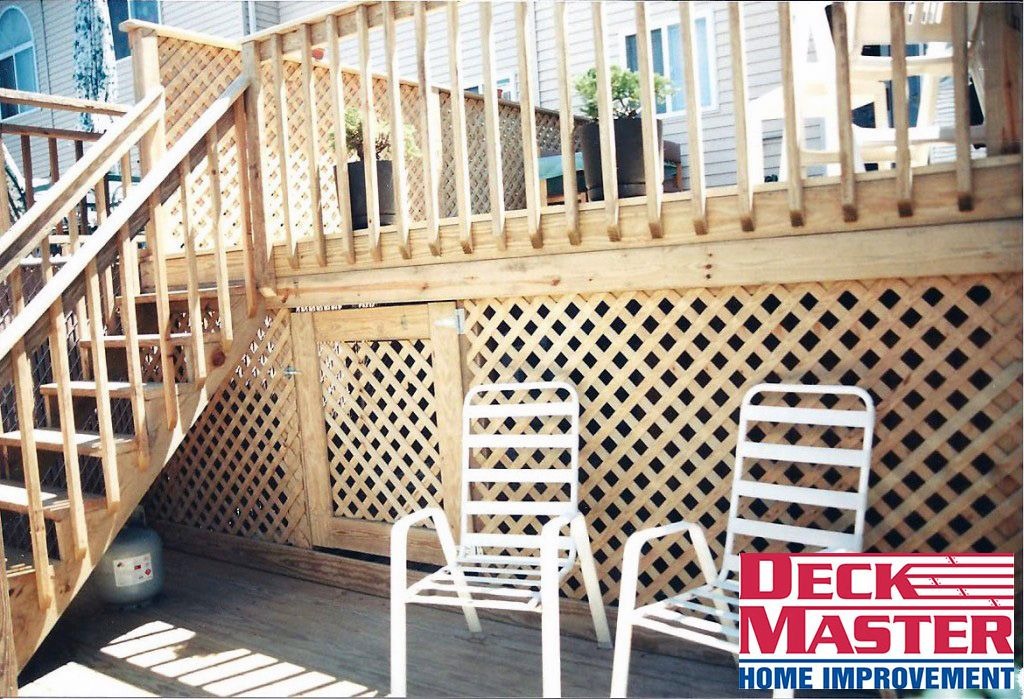
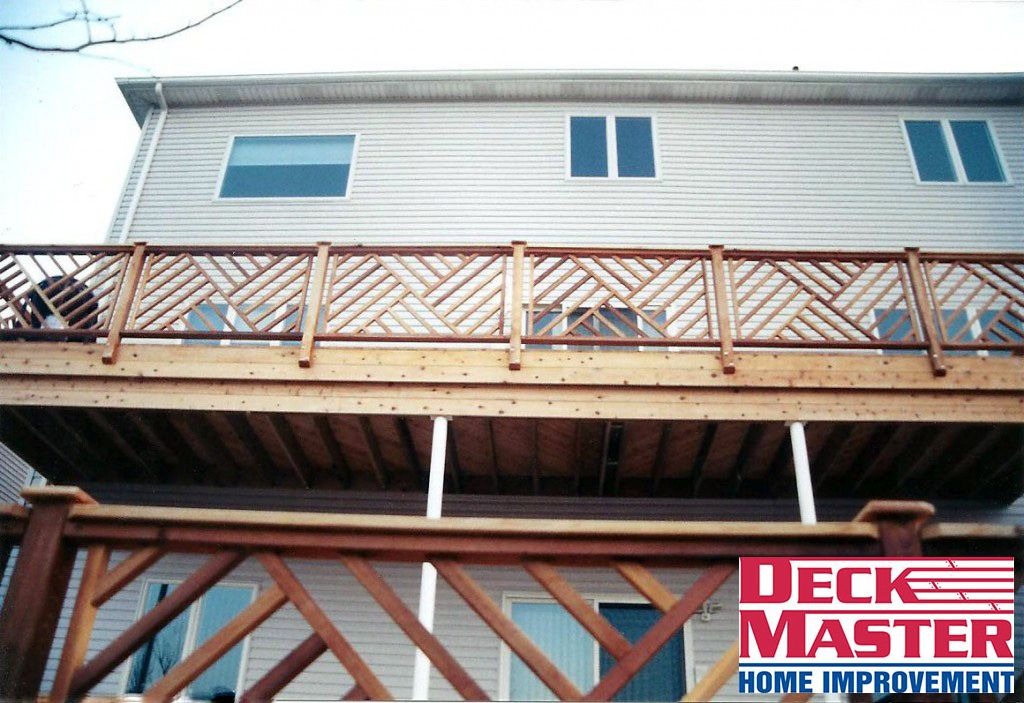
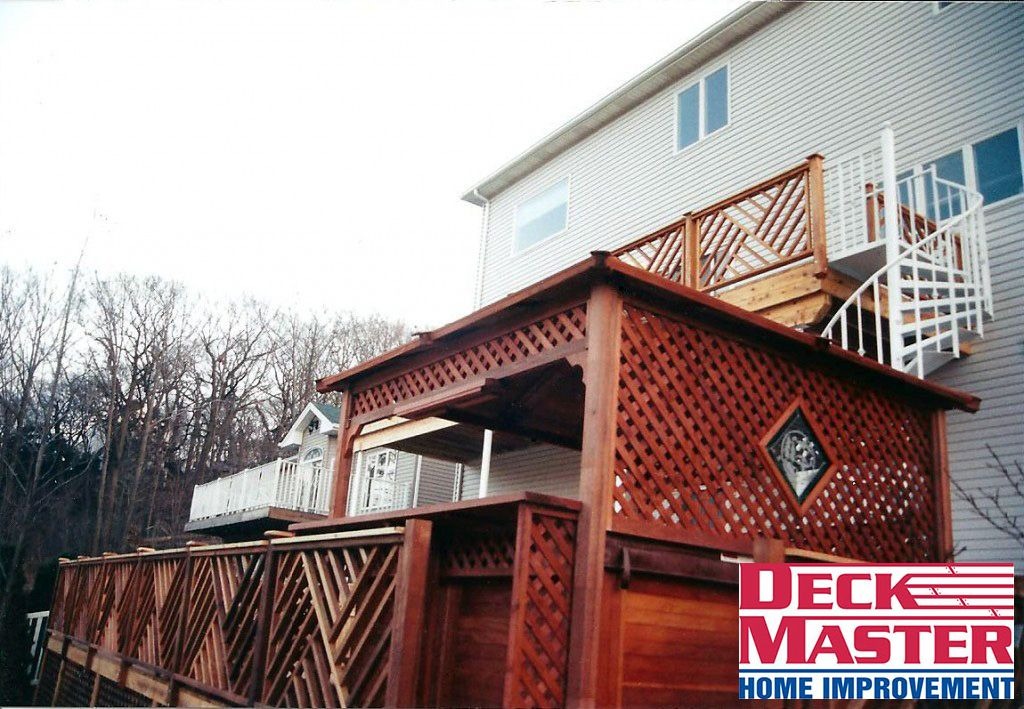
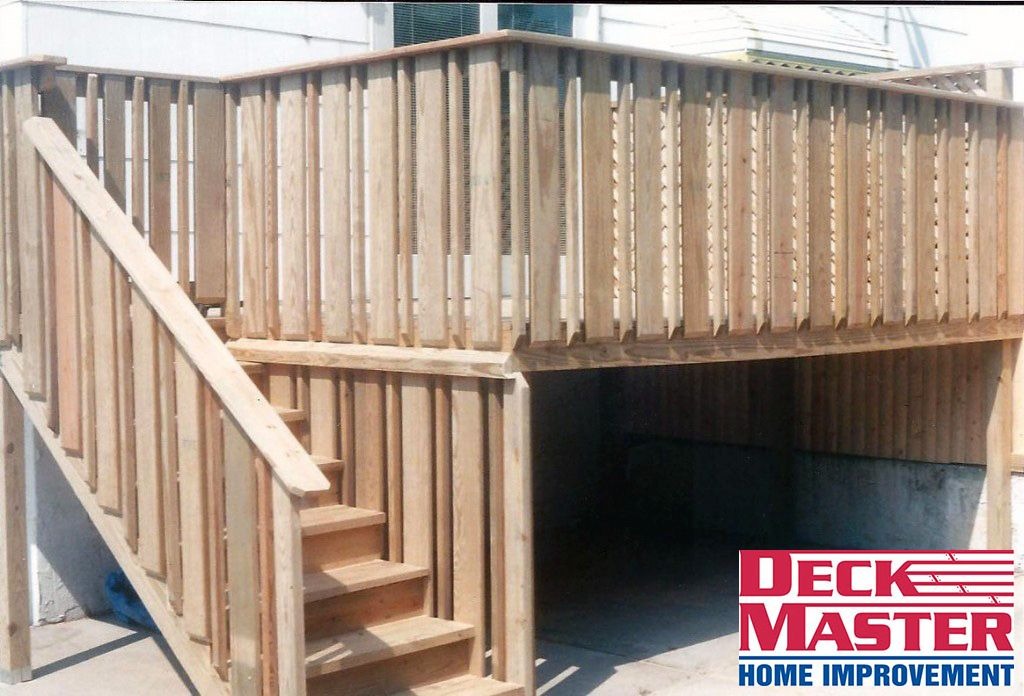
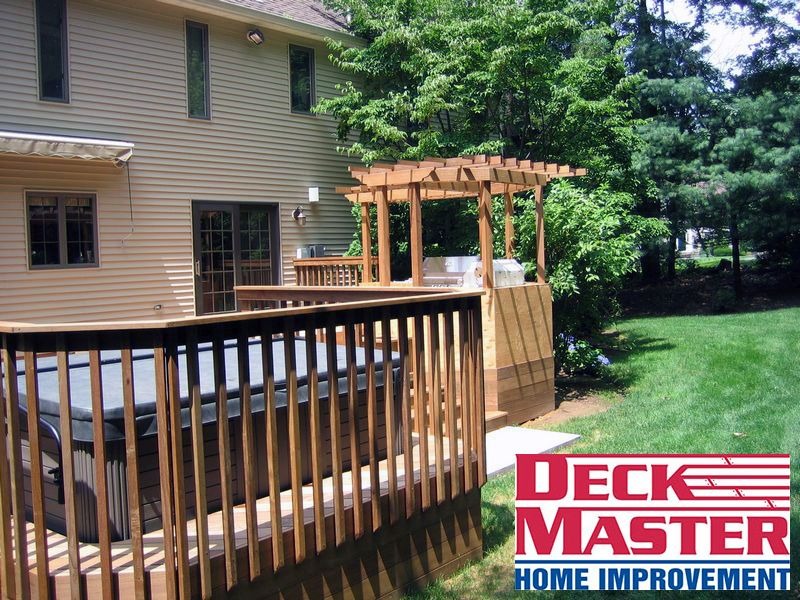
Traditional wood railing applications
These systems appear consistently across the company’s documented rooftop, elevated, and second-story projects throughout New York.
Trex Systems Dominate the Verified Portfolio
A detailed audit of Deck Master’s published project database shows Trex Transcend and Trex Signature systems appearing across nearly all verified elevated and rooftop installations. The company holds TrexPro Platinum Contractor status, reflecting a direct alignment with Trex composite and railing systems across its documented builds.
This matters more in coastal New York environments because railing materials stay exposed to:
Salt-heavy marine air
Constant UV exposure
Moisture retention
Winter expansion and contraction
Wind pressure on elevated structures
Composite and aluminum railing systems reduce long-term deterioration compared to older untreated wood installations that commonly loosen or warp after repeated seasonal exposure.
Designed for Real Outdoor Use
Most homeowners aren’t looking for railings that simply meet code requirements. They want systems that improve how the outdoor space feels without making the deck look visually closed off.
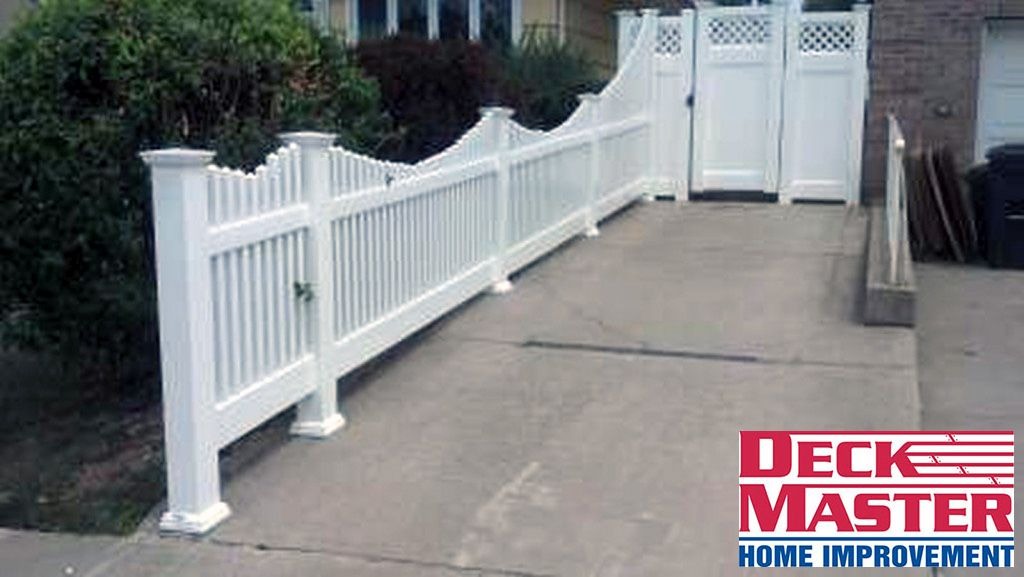
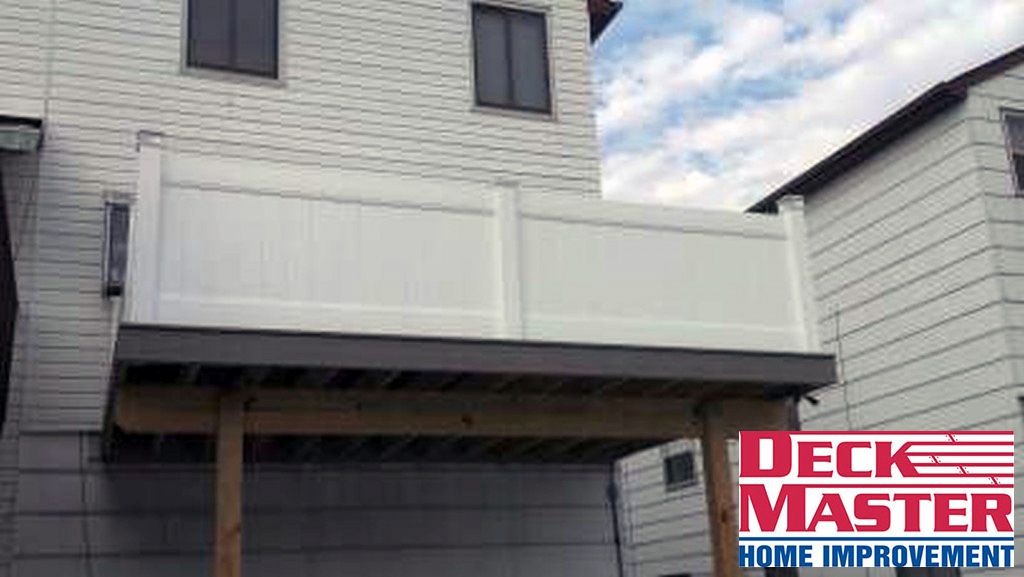
Deck Master builds railing systems for:
Elevated decks
Rooftop terraces
Pool decks
Water view decks
Second-story platforms
Multi-level outdoor spaces
The result is a railing system that fits the architecture of the property while staying durable through long-term New York weather exposure.
Structural Stability Matters More Than Appearance Alone
Many railing failures happen beneath the finished surface around fastening points, stair transitions, and post movement. Elevated decks and rooftop structures place additional lateral pressure on railing systems because of height, wind exposure, and longer stair runs.
That’s why railing systems need:
Reinforced post connections
Stable stair geometry
Corrosion-resistant fastening systems
Proper spacing and code compliance
Structural integration with the framing system beneath the deck
Projects near Staten Island waterfront areas experience even greater stress because coastal wind and moisture accelerate wear around exposed hardware and railing joints.