Rooftop Decks Built for New York City Properties

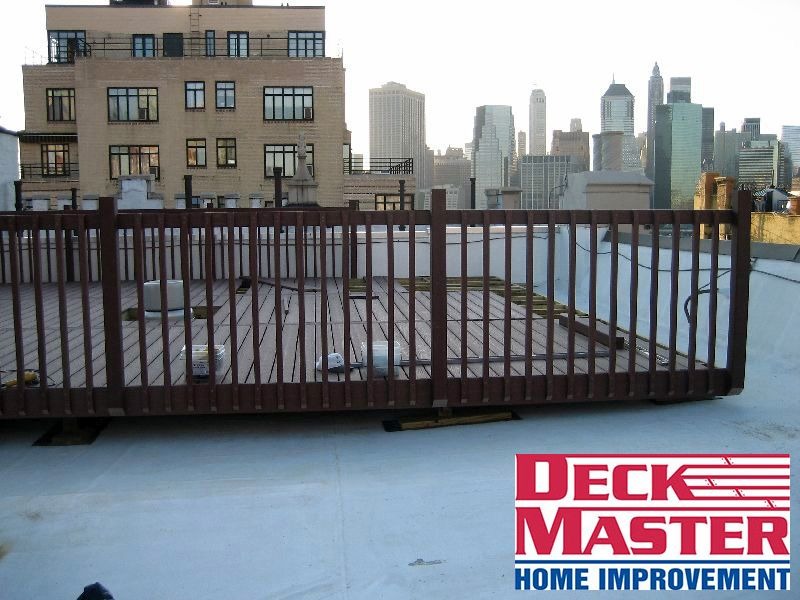
Rooftop decks in New York require a completely different level of planning than standard backyard decks. Tight property lines, limited structural access, drainage restrictions, wind exposure, and weight distribution all affect how the space can be designed and built. In areas like Staten Island, Brooklyn, and Manhattan, rooftop structures also face constant exposure to salt air, direct UV heat, coastal storms, and freeze-thaw cycles that wear down low-quality materials fast.

At Deck Master Company, rooftop deck construction is approached as a structural engineering project first, not just an outdoor renovation. The company has operated since 1979 and completed more than 10,000 projects across New York, New Jersey, and Florida.

Verified Rooftop Deck Projects Across New York

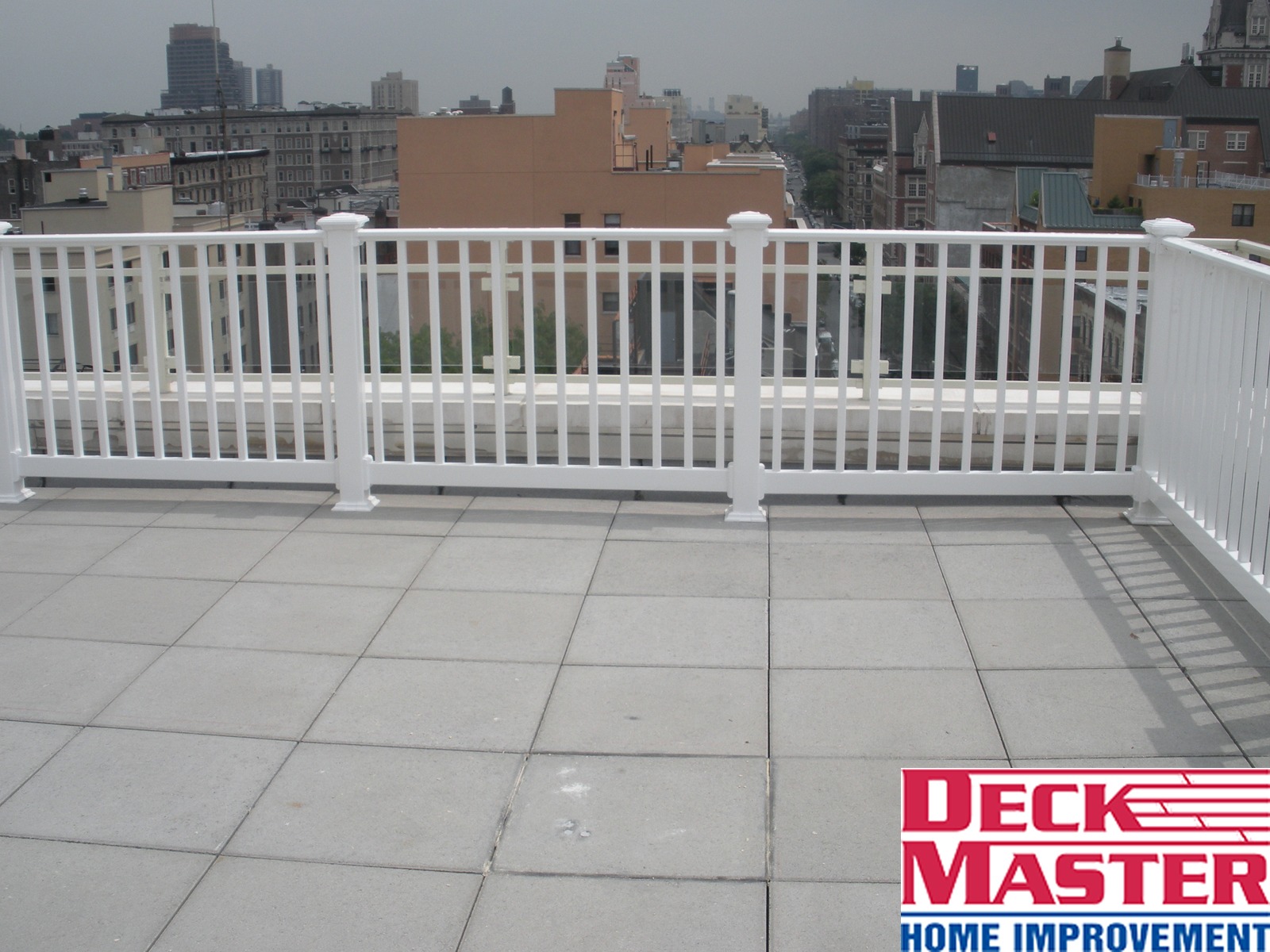
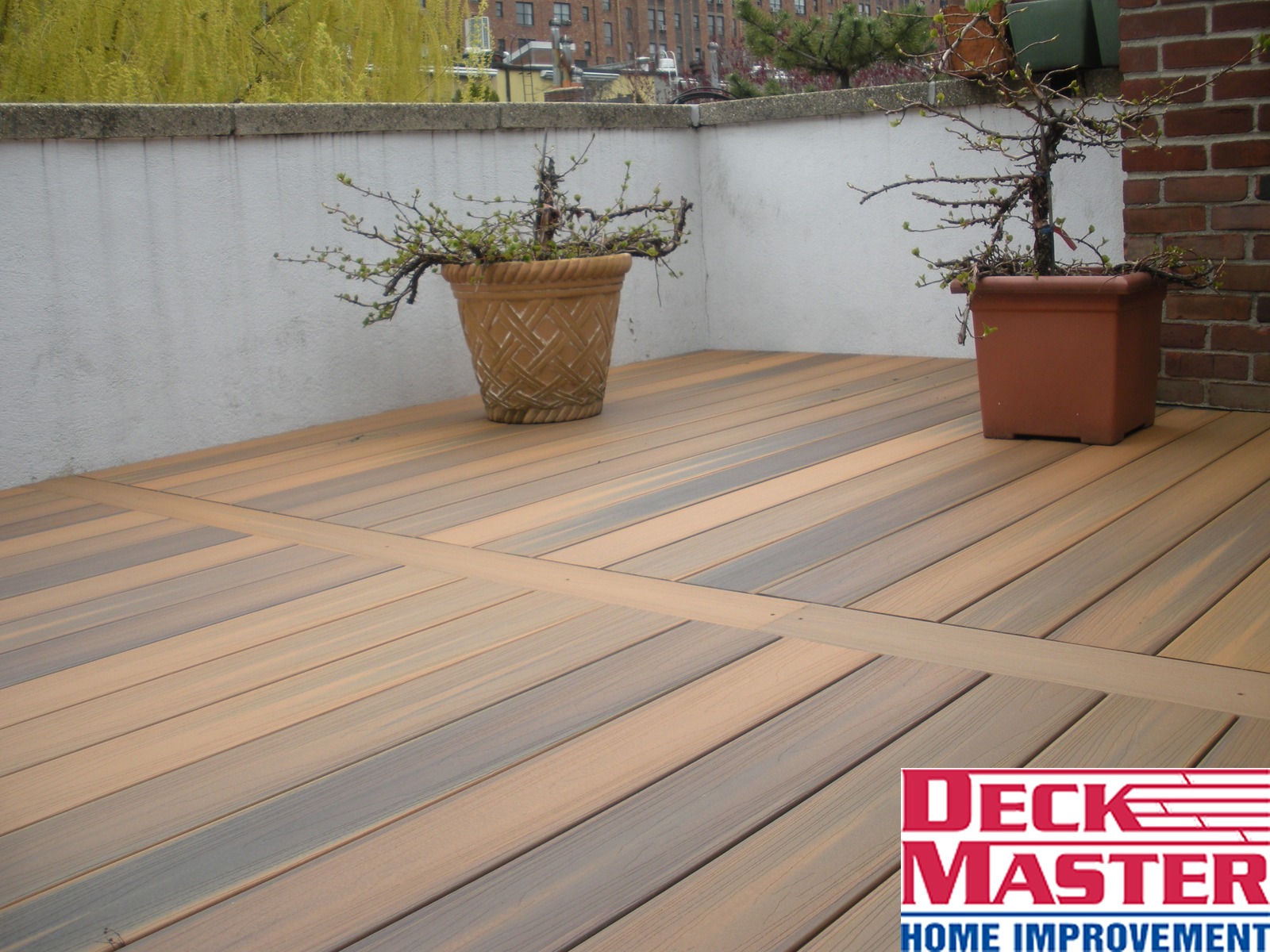
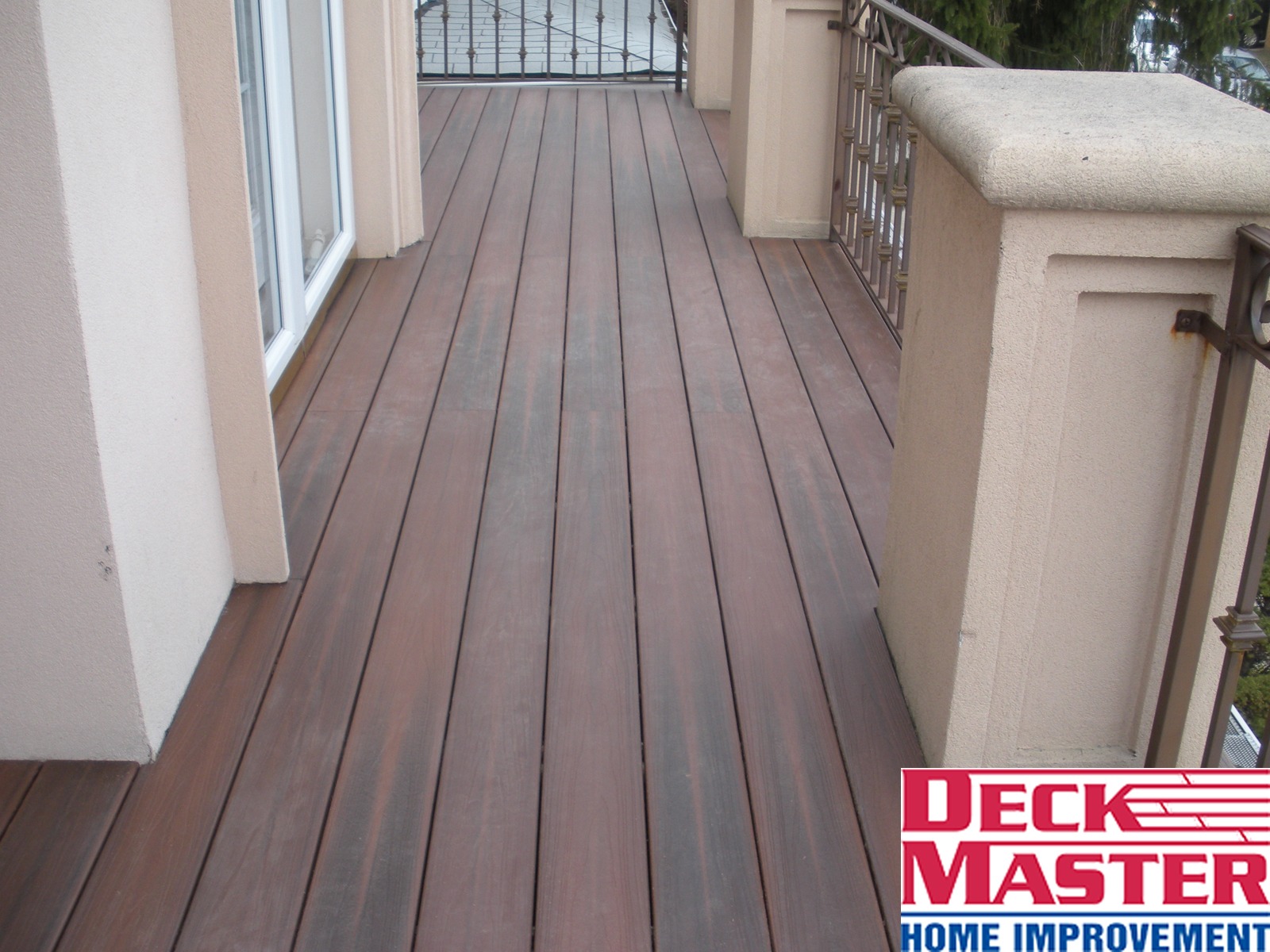
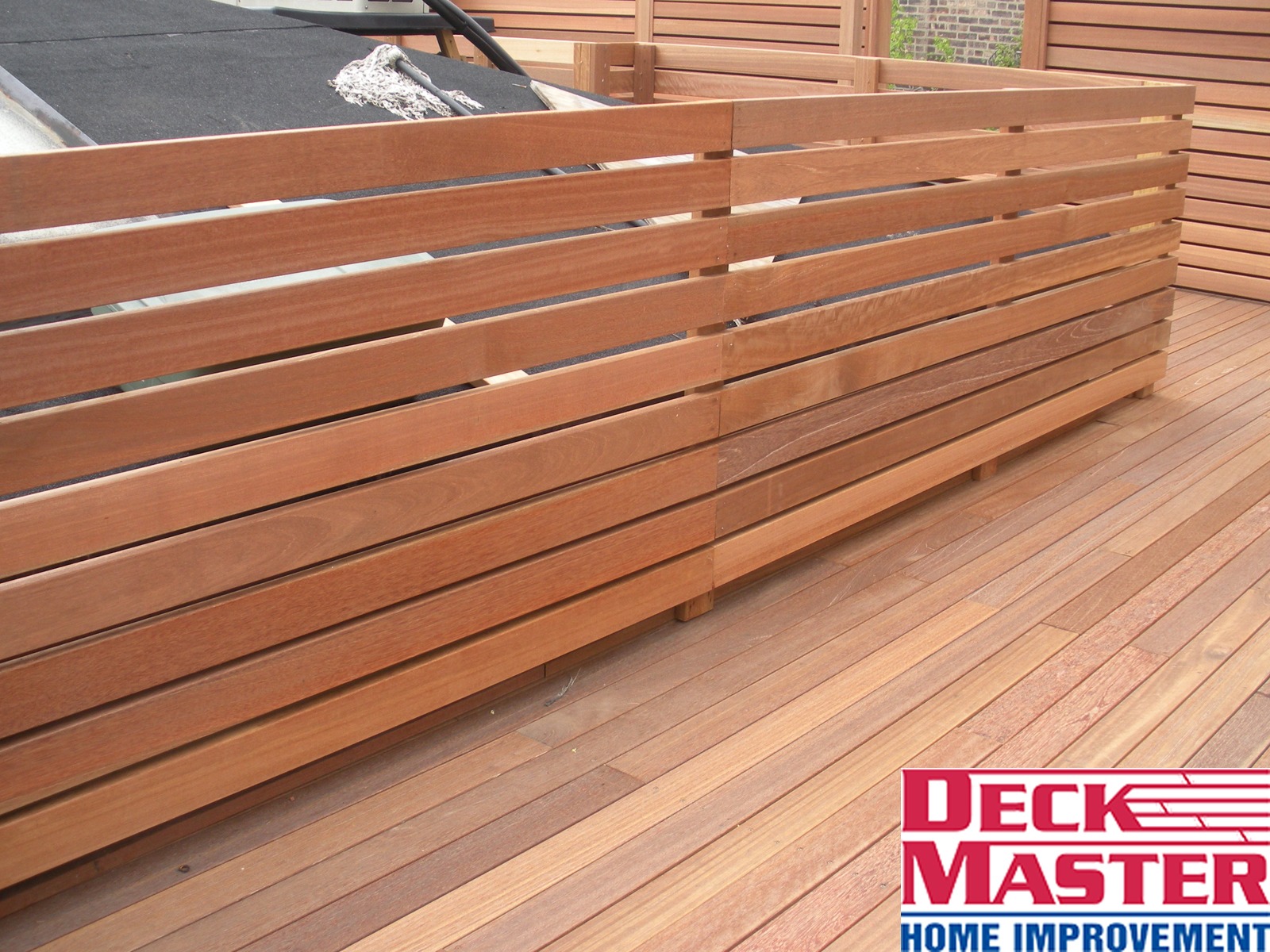
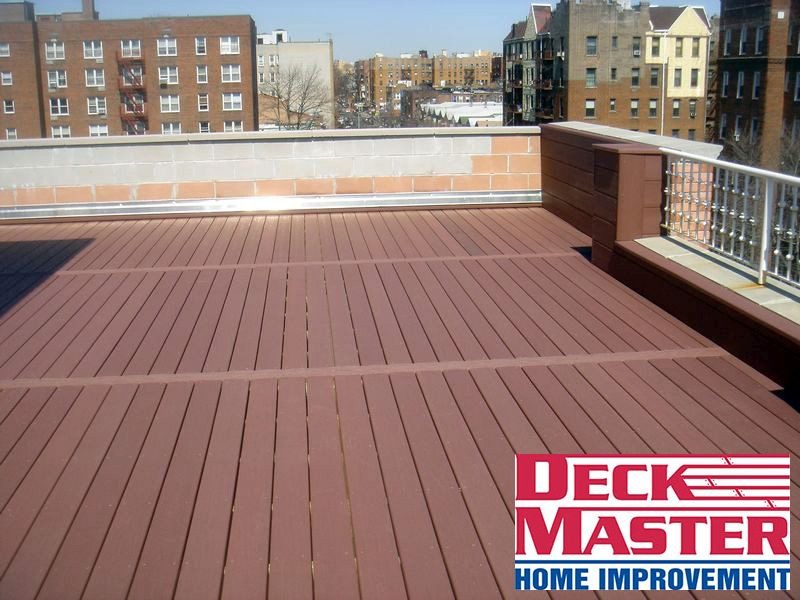
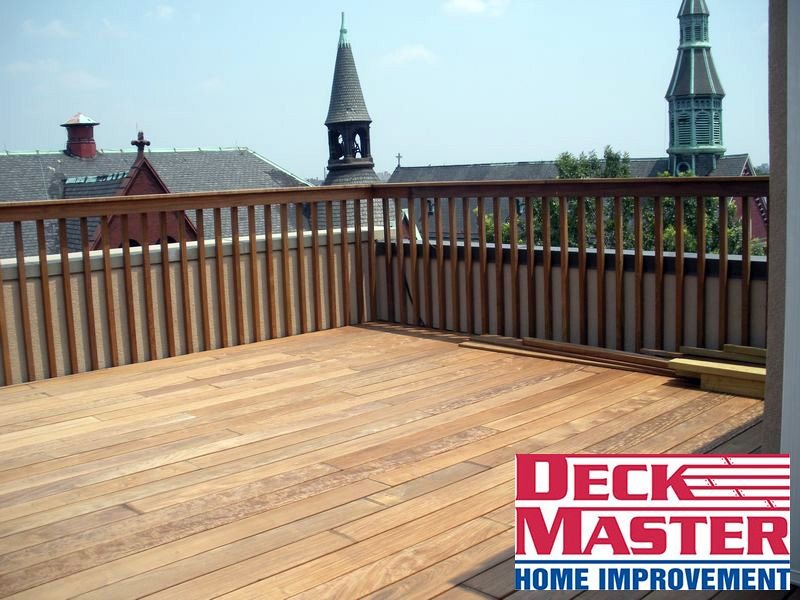
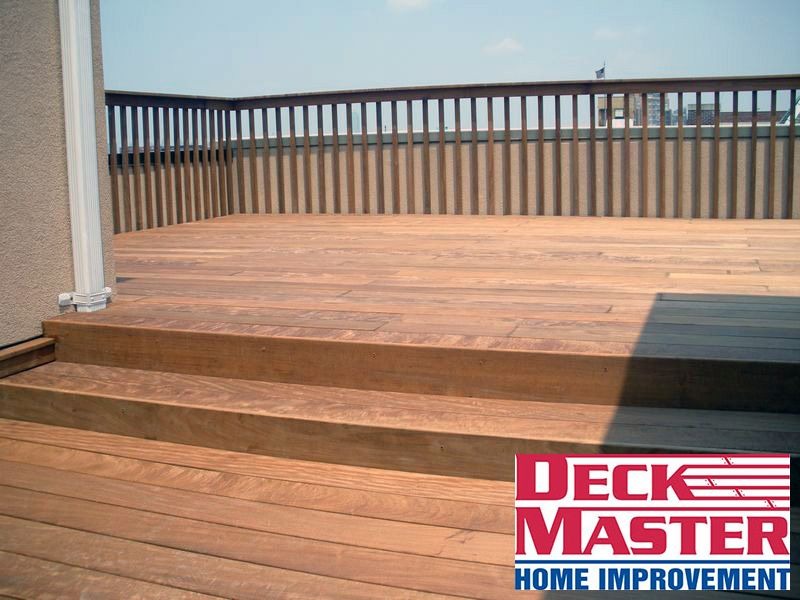
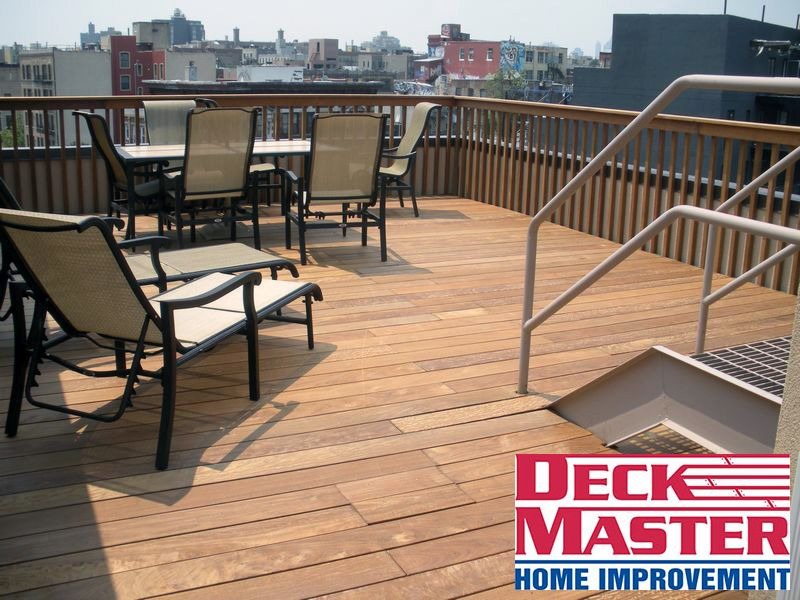
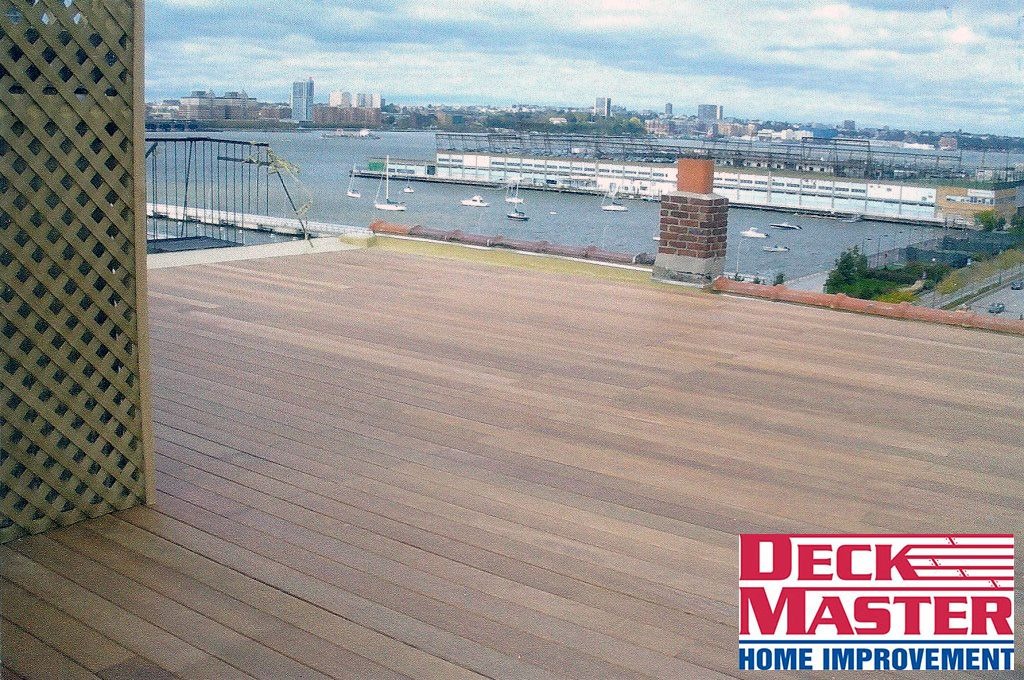
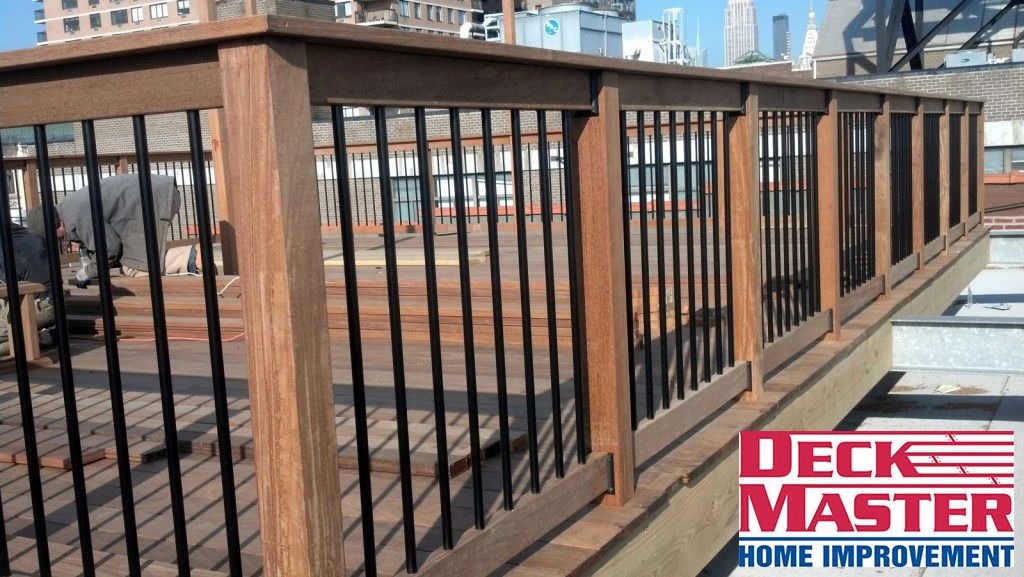
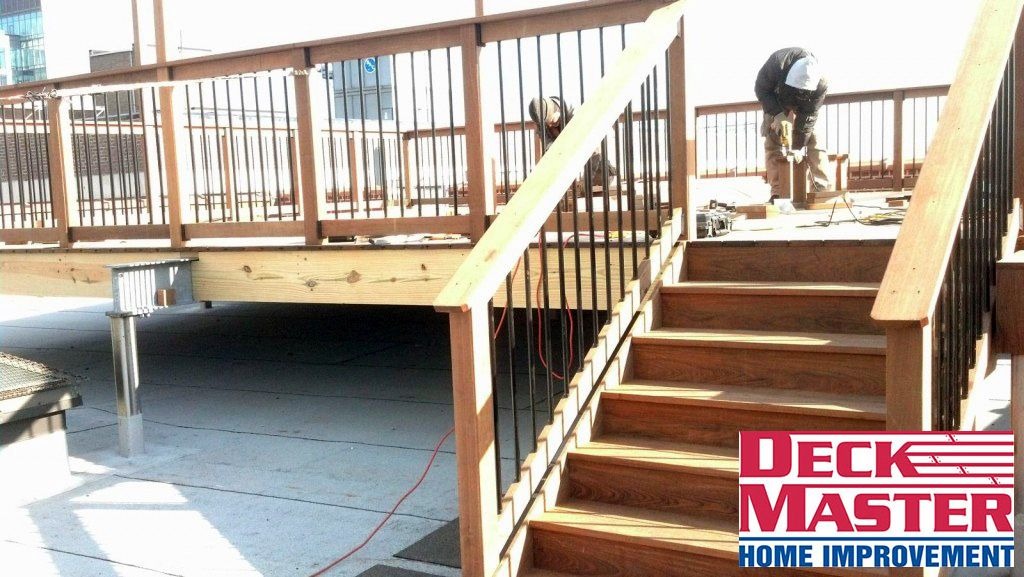
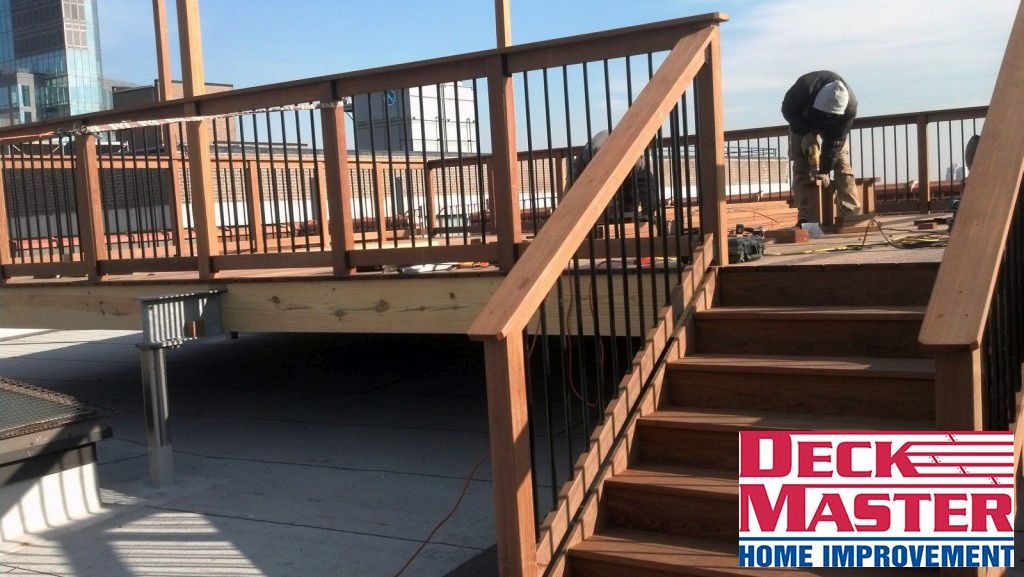
Deck Master’s published portfolio includes multiple verified rooftop and elevated deck installations throughout New York City. These projects show the level of structural planning required when building outdoor living spaces above occupied residential areas.

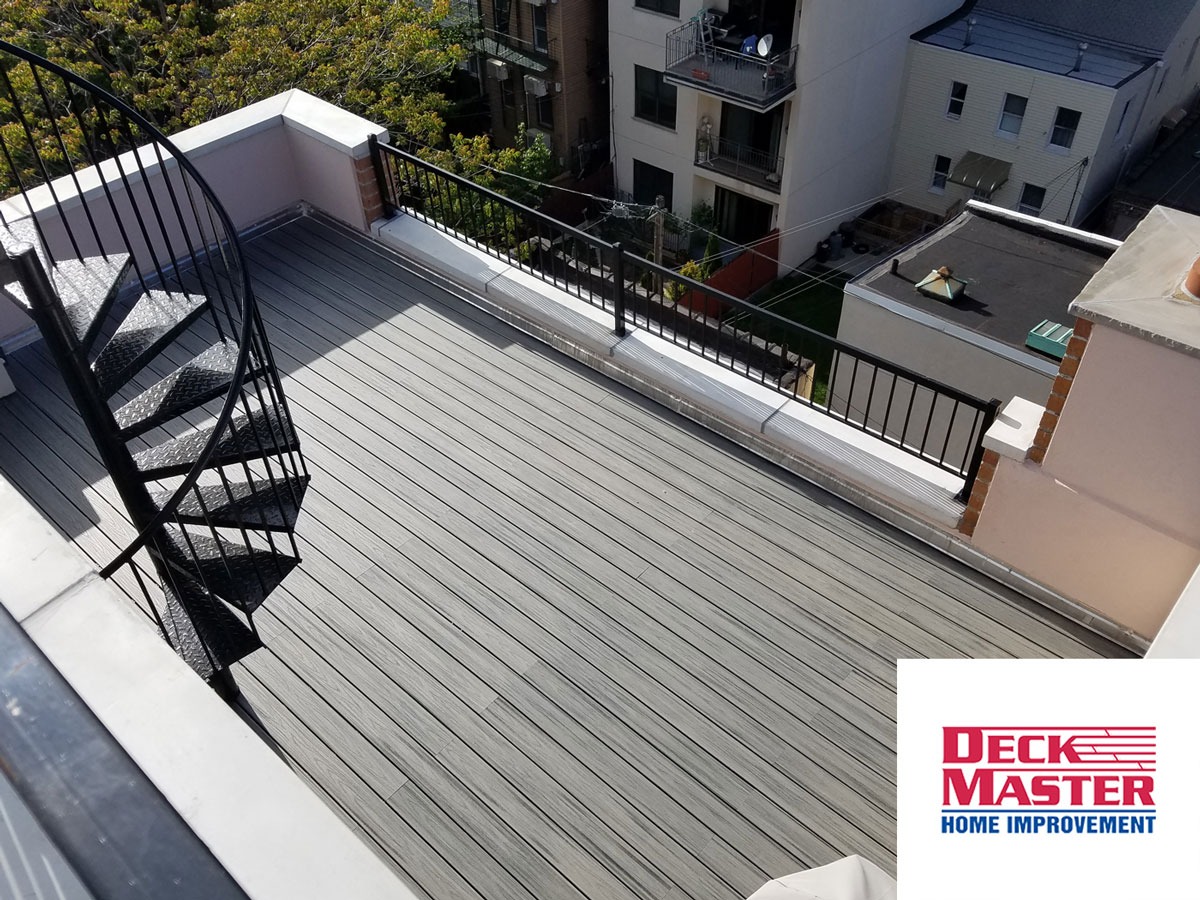
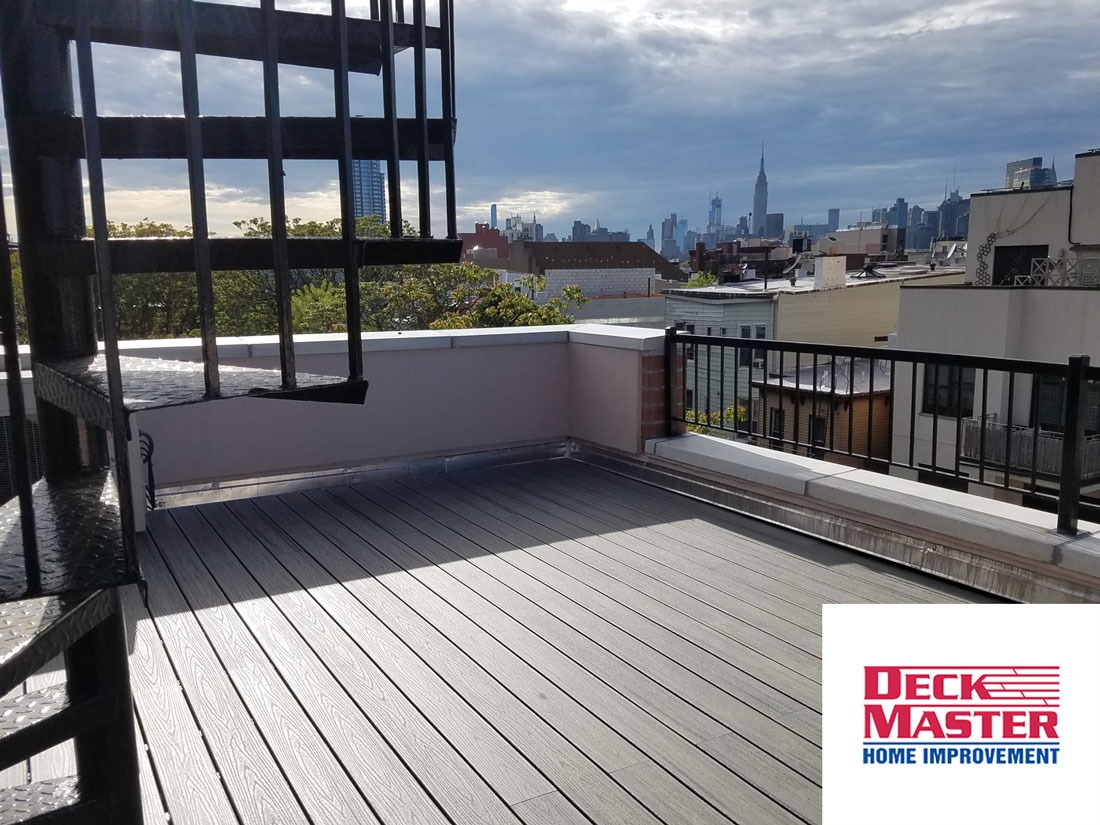
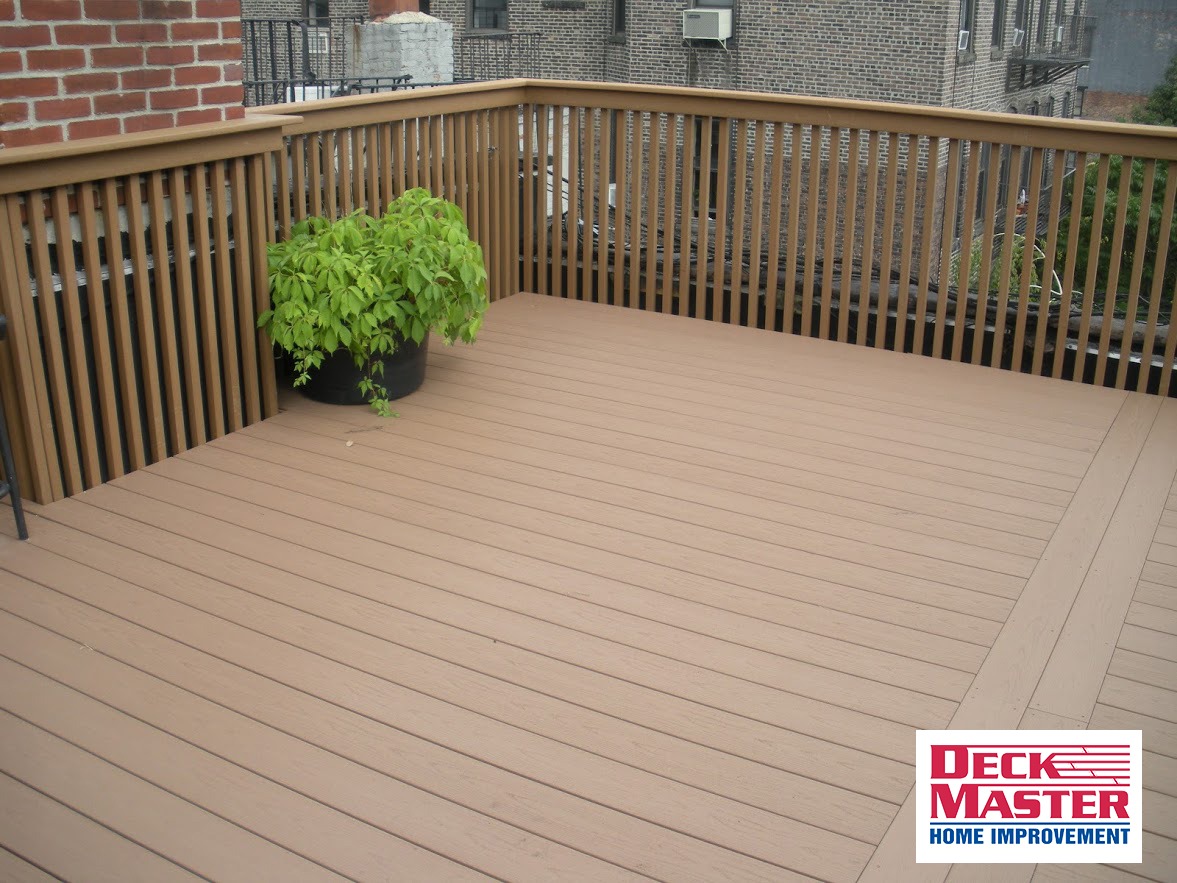
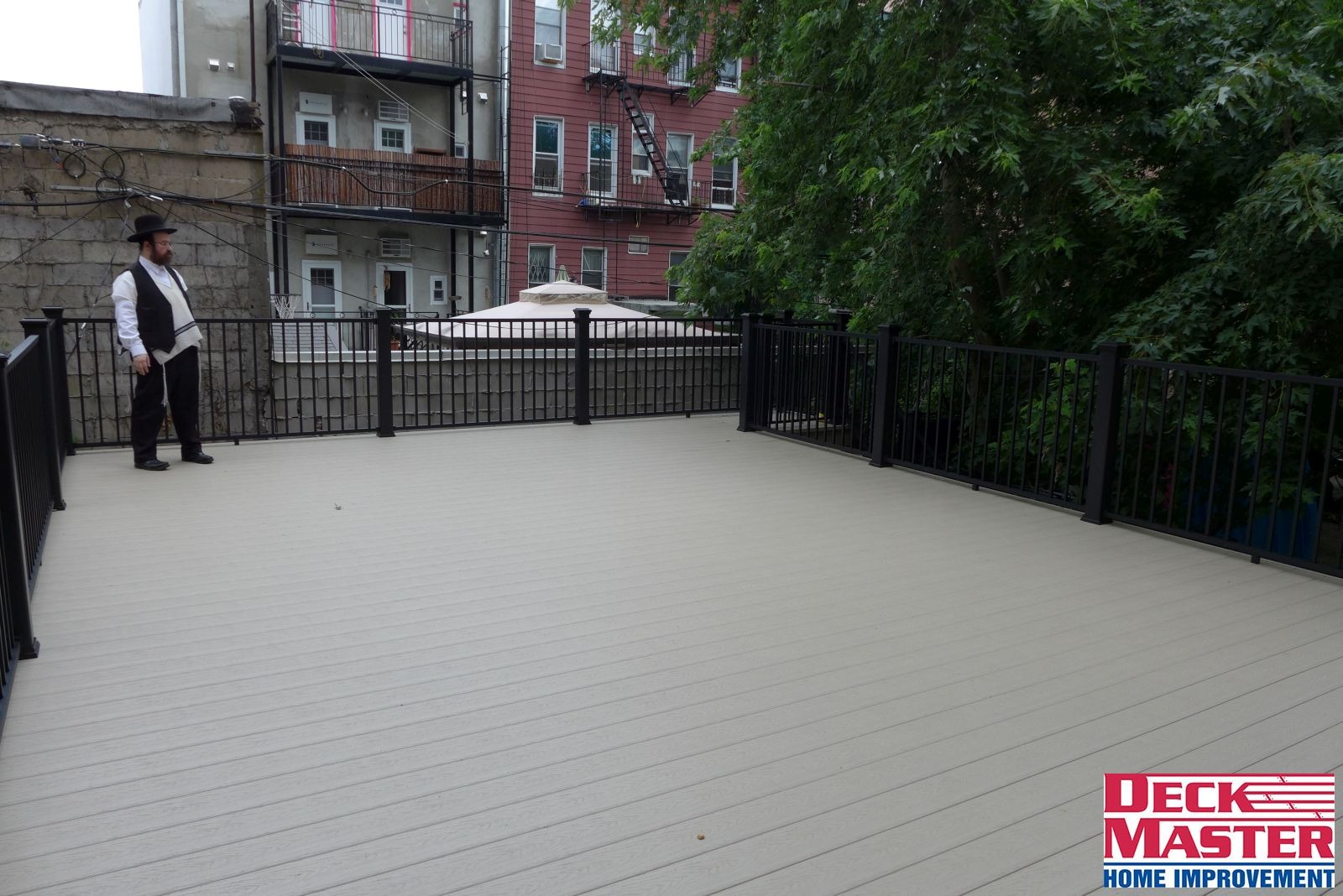
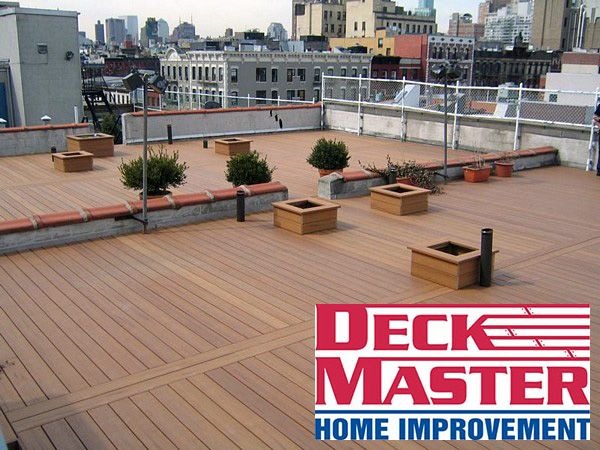
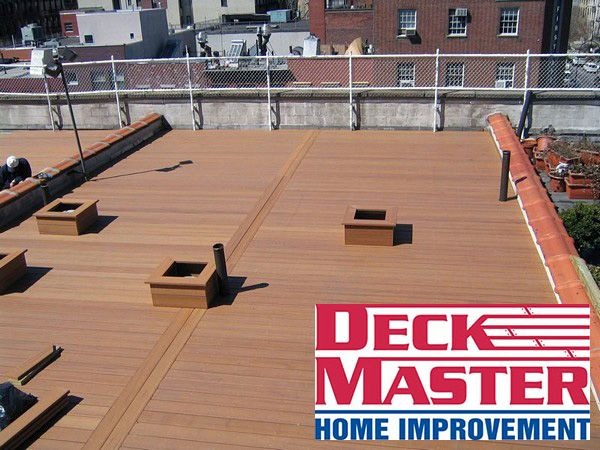
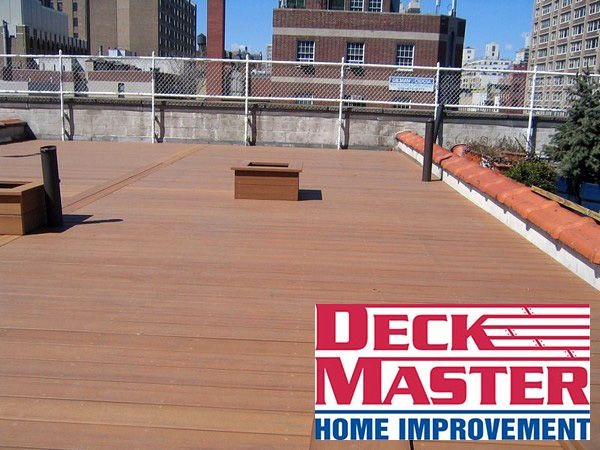
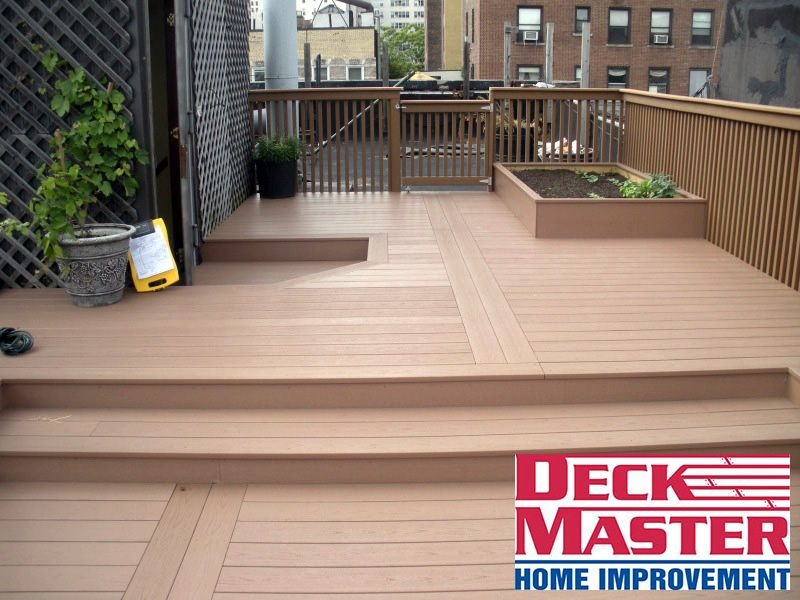
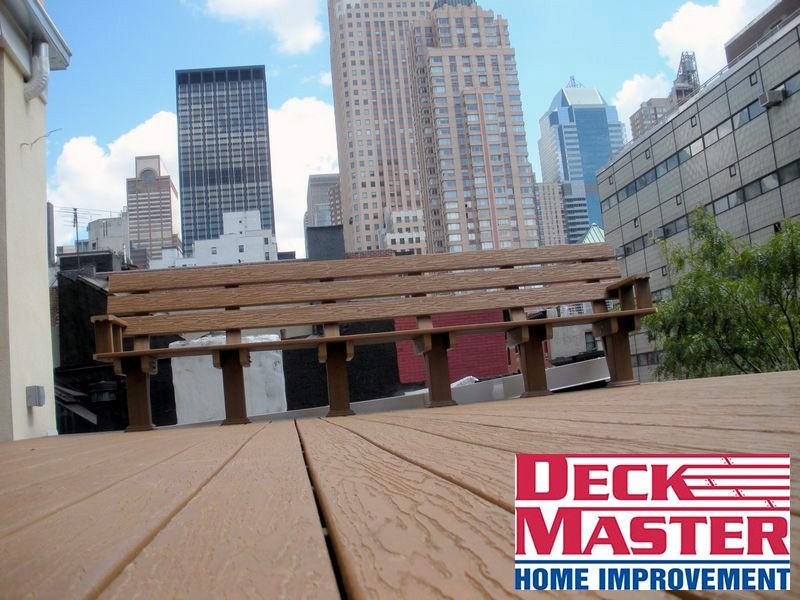
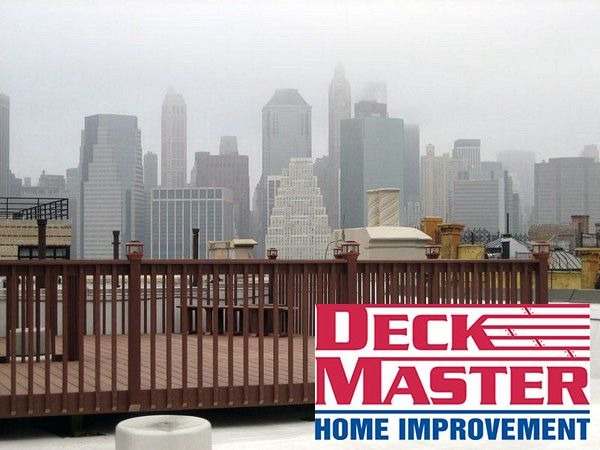
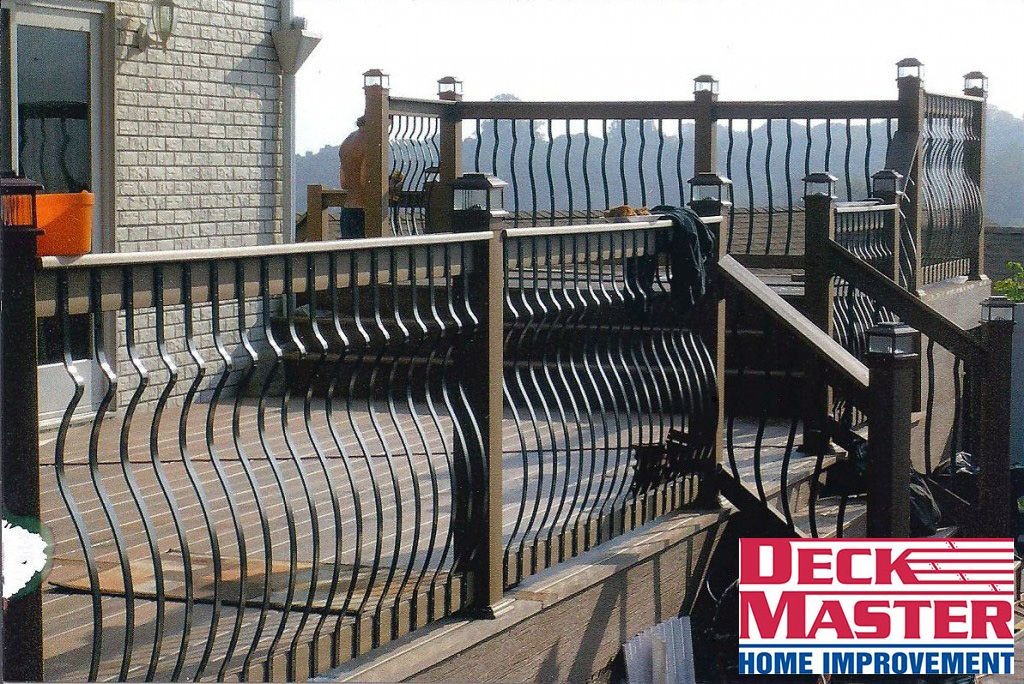
One documented rooftop deck in Greenwich Village used Trex Transcend decking with Trex Signature railing across a 600-square-foot elevated terrace system. Rooftop projects in Manhattan require precise material staging, drainage coordination, and framing calculations because access points are often limited to narrow stairwells and confined roof openings.

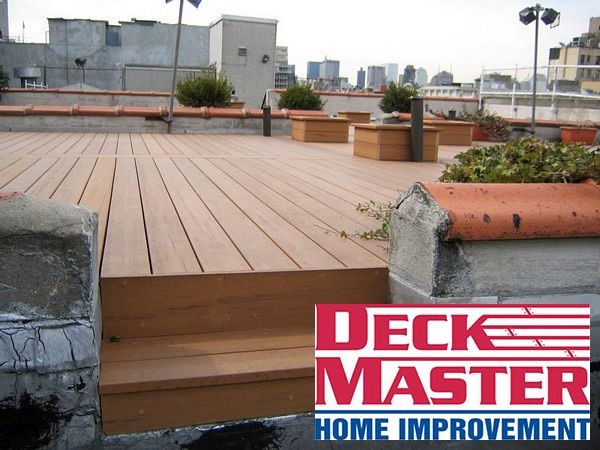
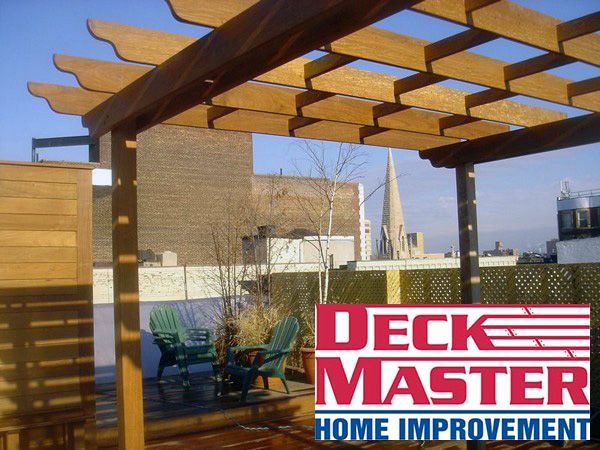
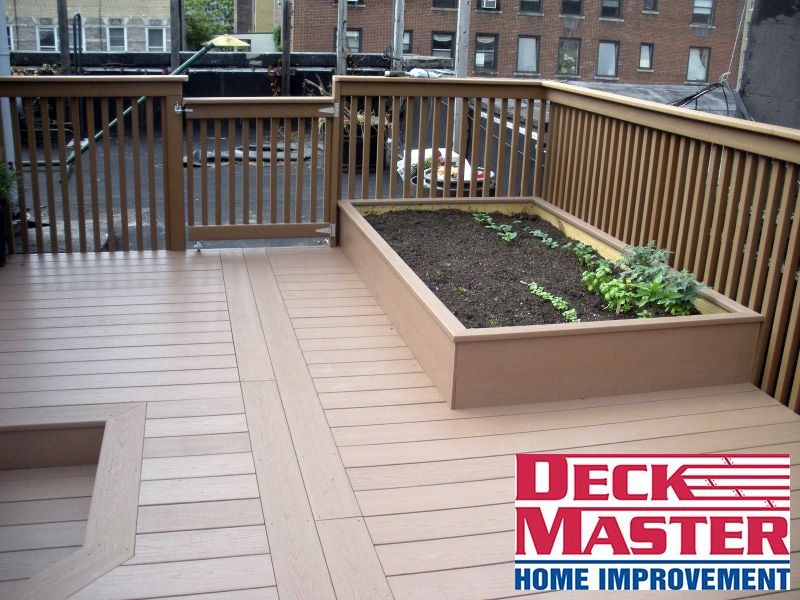
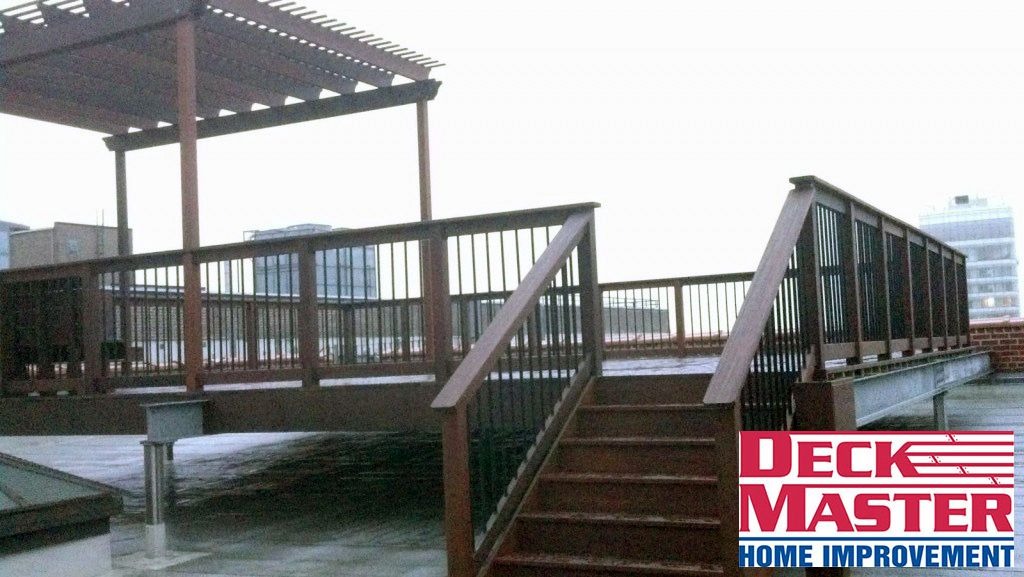
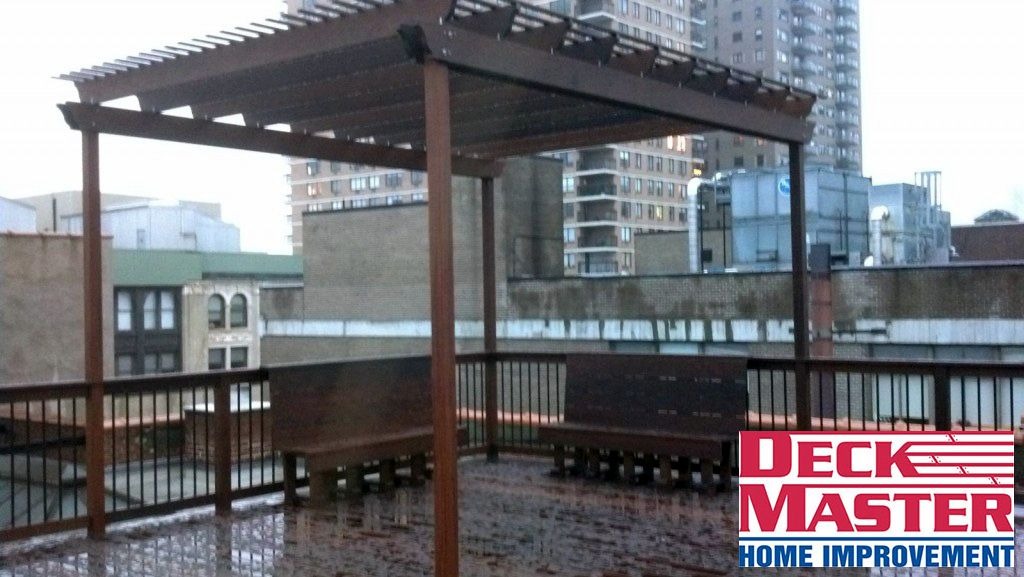
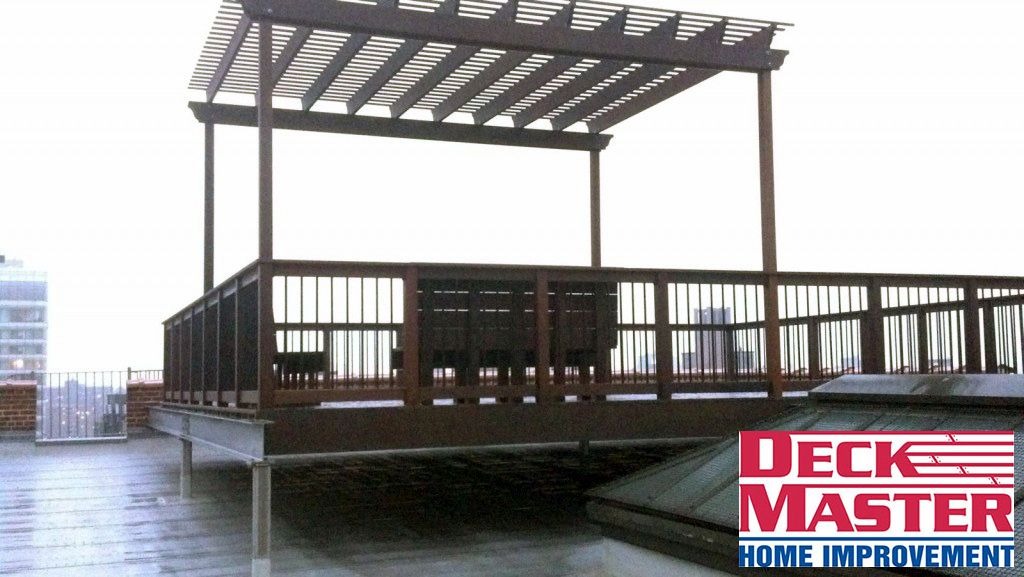
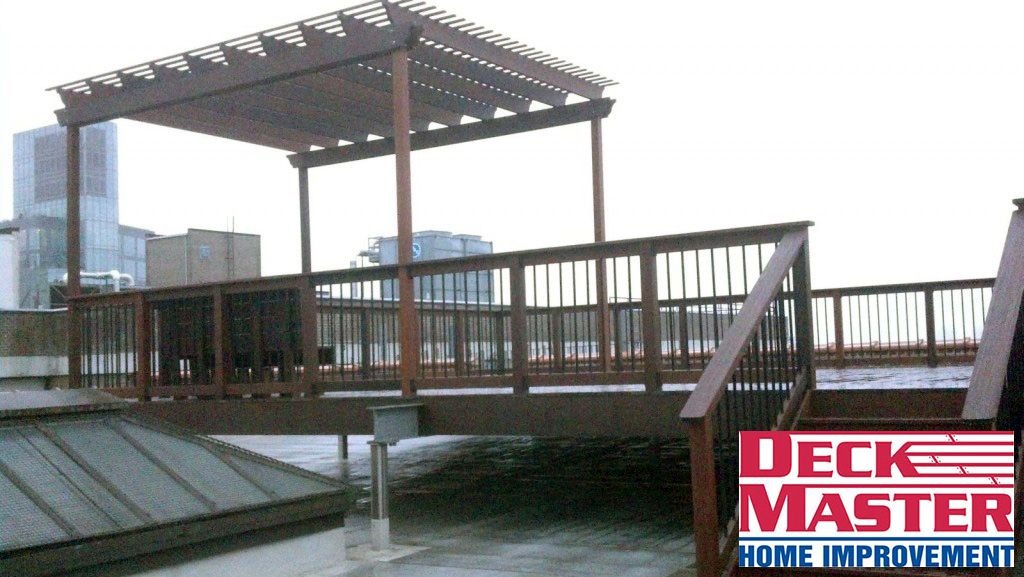
Another verified rooftop installation in Sheepshead Bay covered approximately 1,200 square feet and included integrated pergola structures and planter benches. Projects at that scale require careful live-load planning to support furniture, planters, outdoor kitchens, and large entertainment layouts without overloading the underlying structure.

The company has also completed second-story and rooftop-style projects throughout Brooklyn neighborhoods including Williamsburg, Park Slope, Gerritsen, Mill Basin, and East Flatbush.
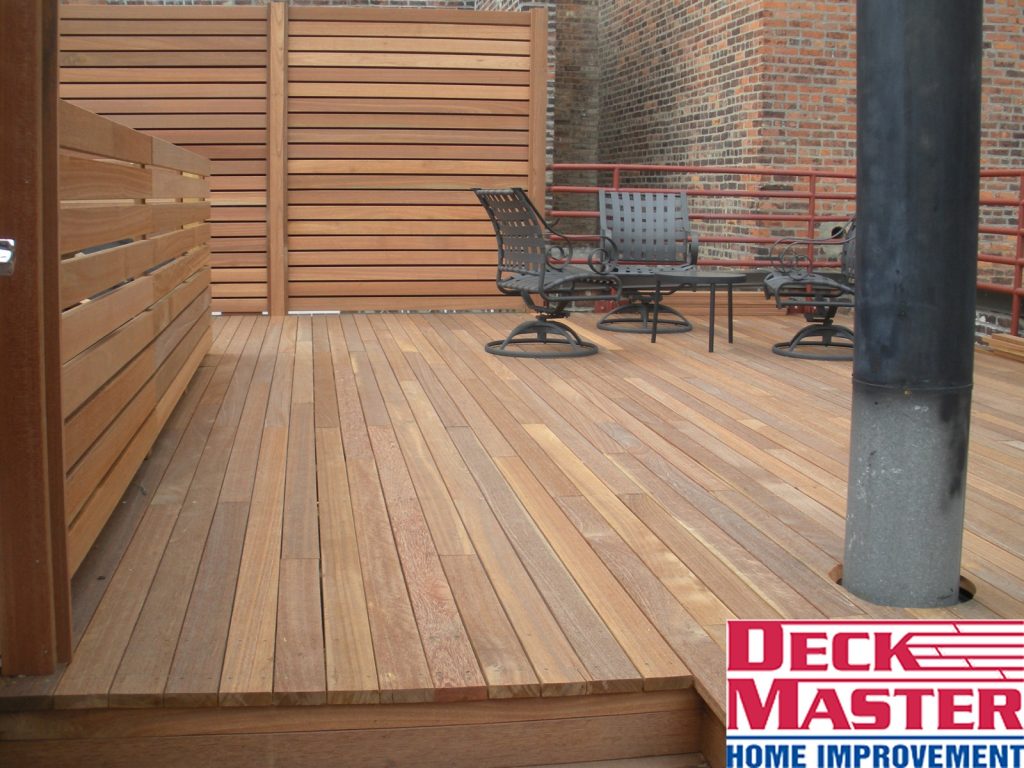
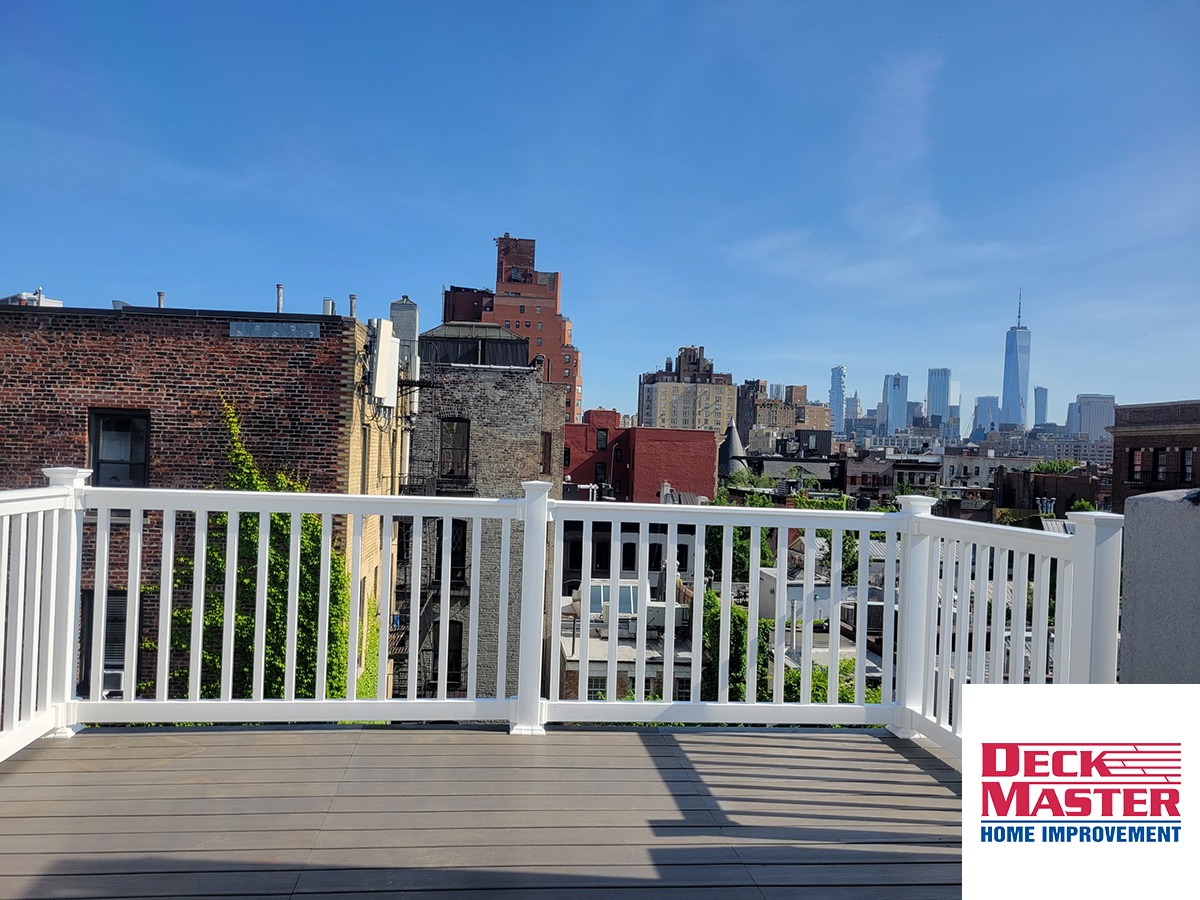
Rooftop Decks Need Better Drainage and Structural Planning

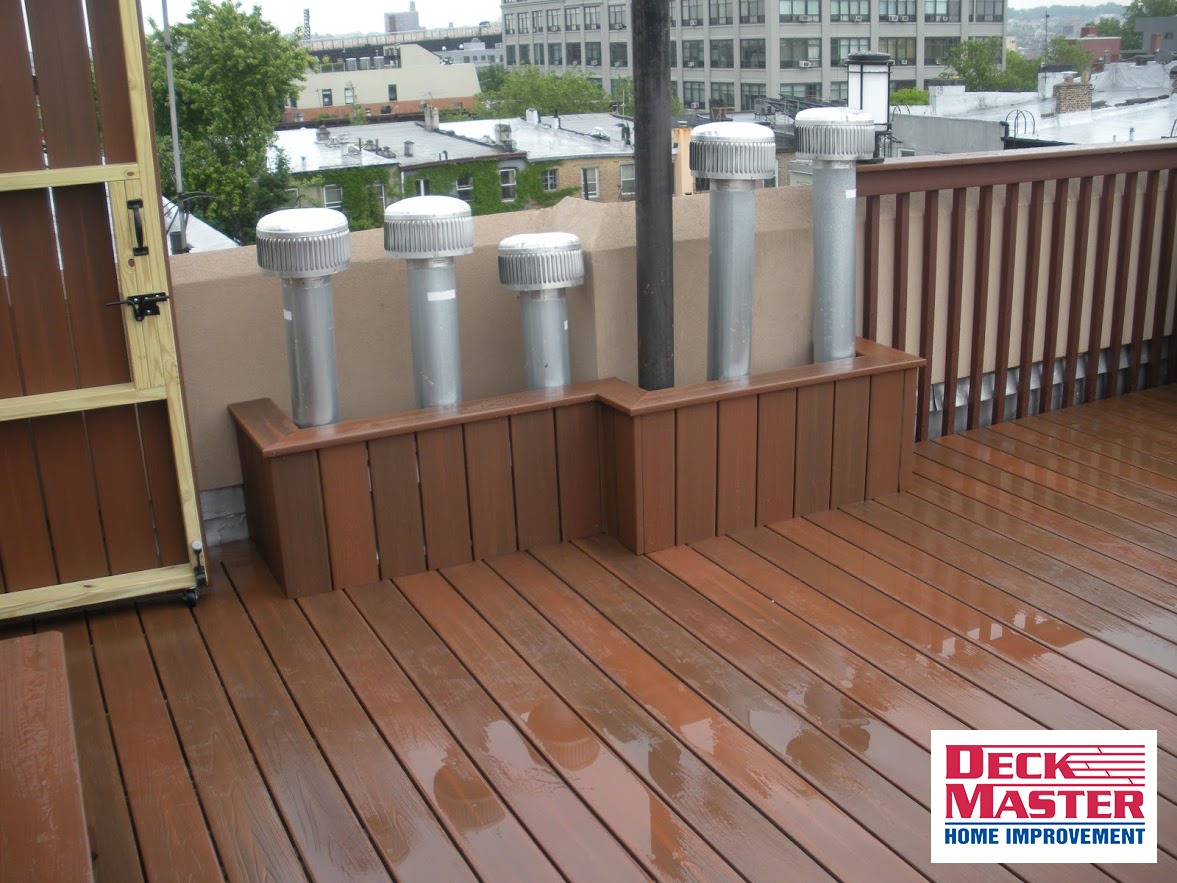
Most rooftop deck failures happen beneath the finished surface. Water pooling, poor ventilation, overloaded framing, and incorrect flashing around roof penetrations can create long-term structural problems that homeowners don’t notice until damage has already spread.
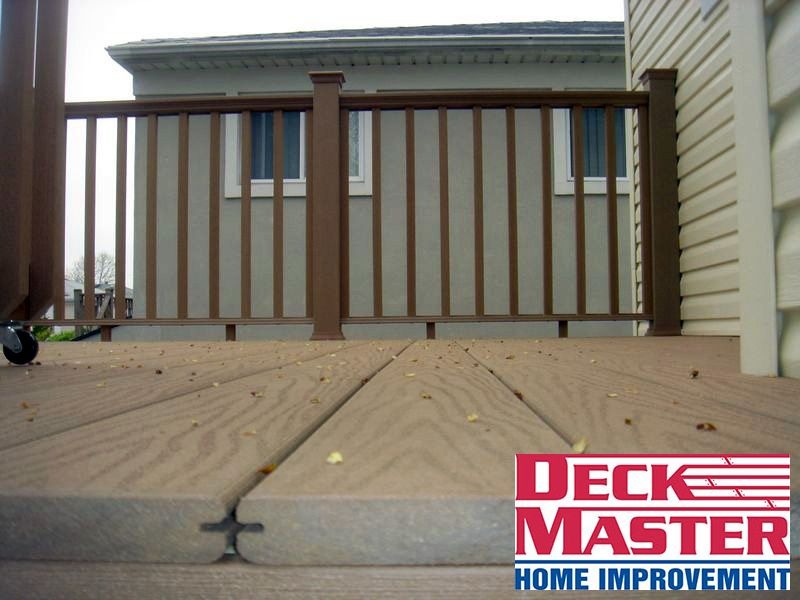
New York rooftop environments create additional stress because surfaces absorb intense summer heat during the day and rapidly cool at night. Coastal neighborhoods near Staten Island’s South Shore and Brooklyn waterfront areas also deal with salt-heavy air that accelerates hardware corrosion and moisture breakdown around exposed fastening systems.

That’s why rooftop deck systems need:

  • Proper rooftop drainage channels

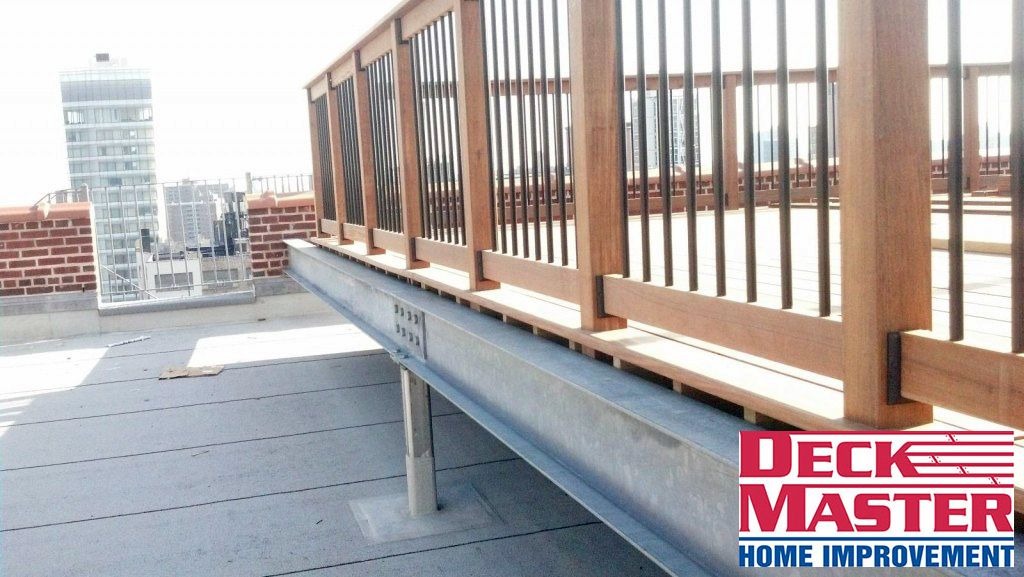
  • Pedestal deck support systems where required

  • Weight-distribution planning

  • Moisture-isolated framing connections

  • Ventilation beneath deck surfaces

  • Wind-resistant railing systems

  • Slip-resistant composite materials

Projects built near waterfront areas also need materials capable of handling repeated moisture exposure without warping or splintering.

Trex Composite Systems Dominate the Verified Portfolio

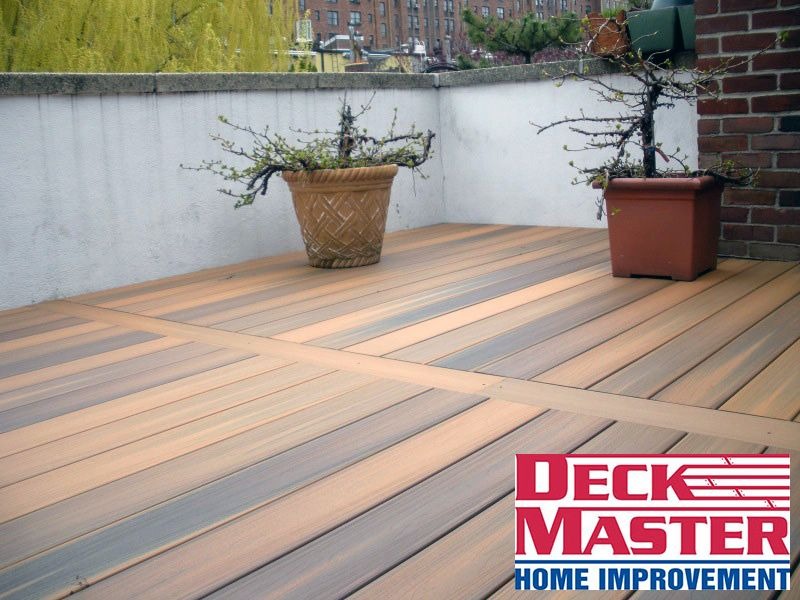
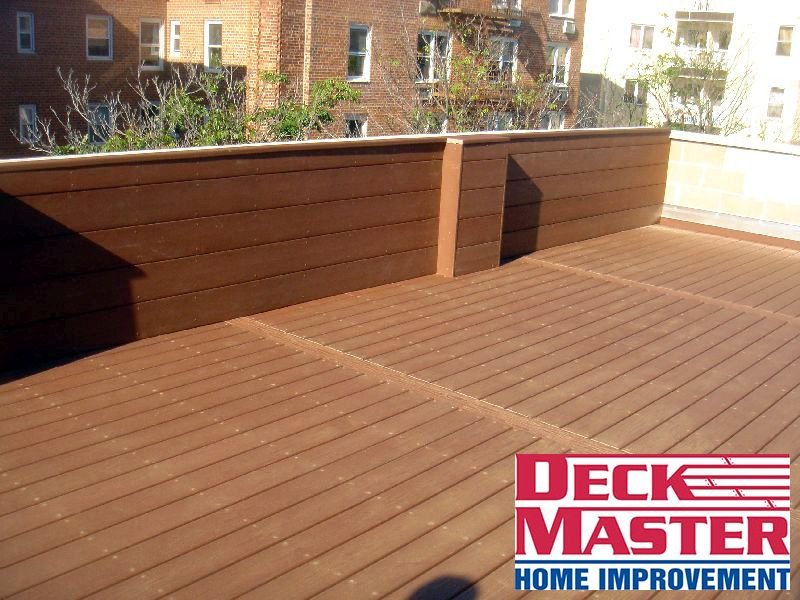
Deck Master holds official TrexPro Platinum Contractor status, and the company’s published rooftop projects heavily feature Trex Transcend and Trex Signature systems. These composite materials are commonly selected for rooftop environments because they resist fading, moisture absorption, surface cracking, and long-term weather deterioration better than traditional wood decking.

The verified project portfolio also shows select use of TimberTech composite systems on multi-level projects, including a Park Slope installation combining TimberTech decking with Trex Signature railing and custom cedar siding elements.

Rooftop Spaces Designed Around Real Outdoor Use

A rooftop deck should feel like an extension of the home instead of a platform placed on top of the building. Layout planning matters even more in dense New York neighborhoods where outdoor square footage is limited.

Many rooftop deck projects are designed around:

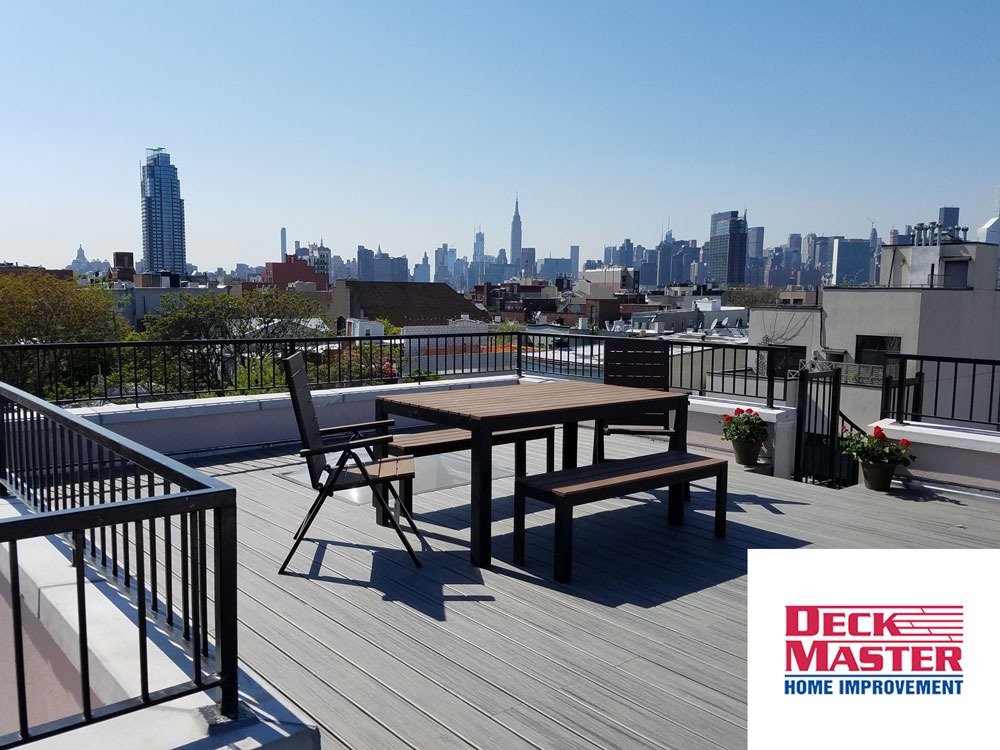
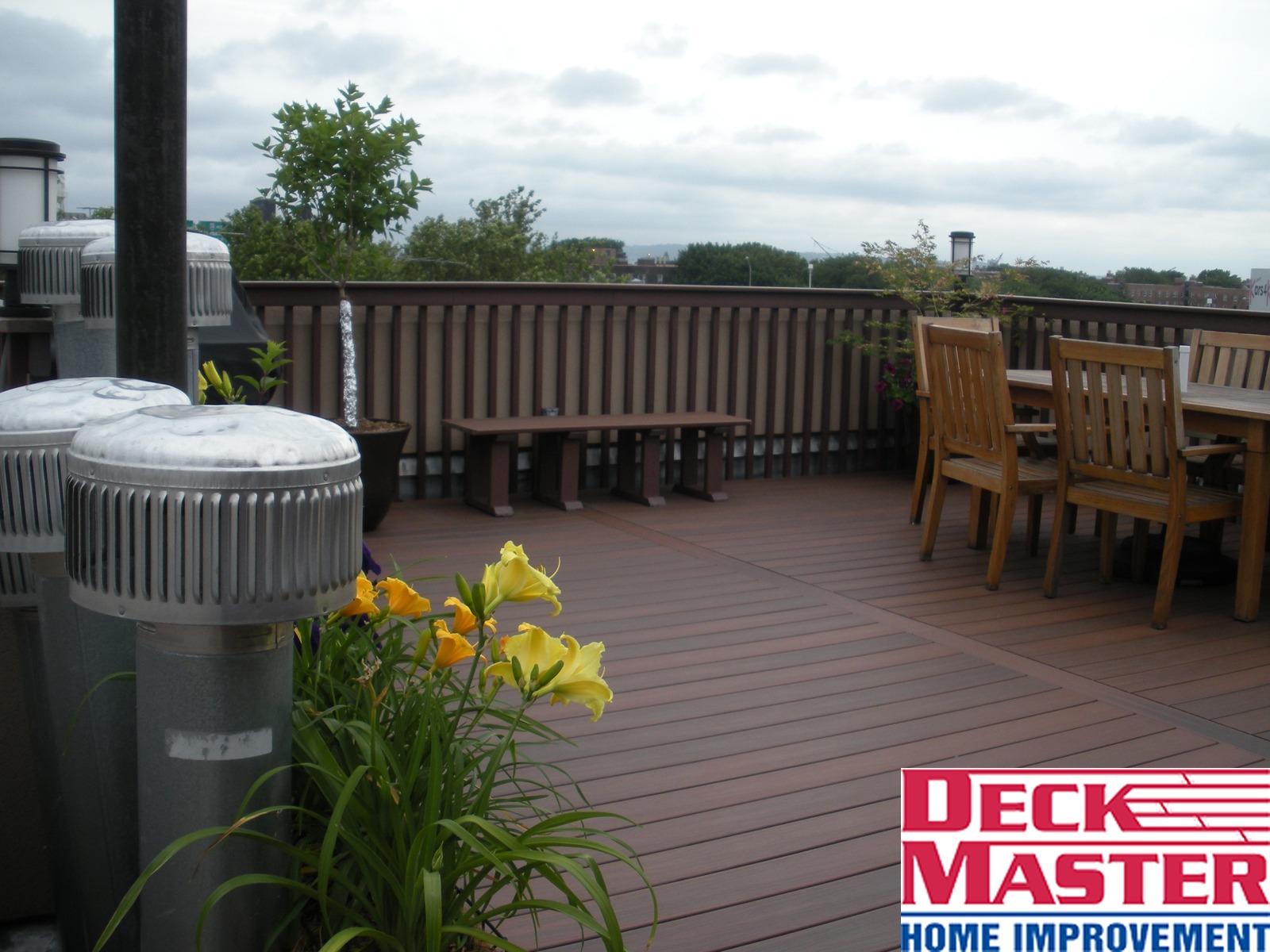
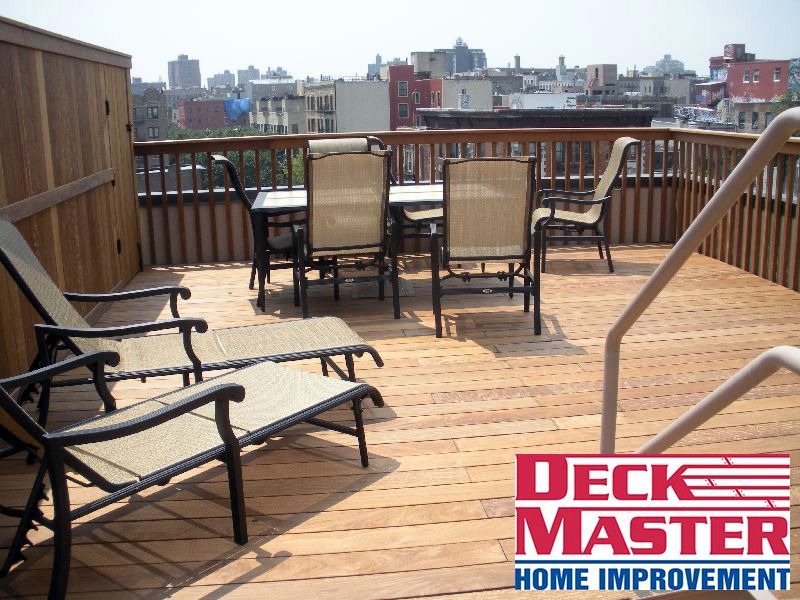
  • Outdoor dining areas

  • Lounge seating layouts

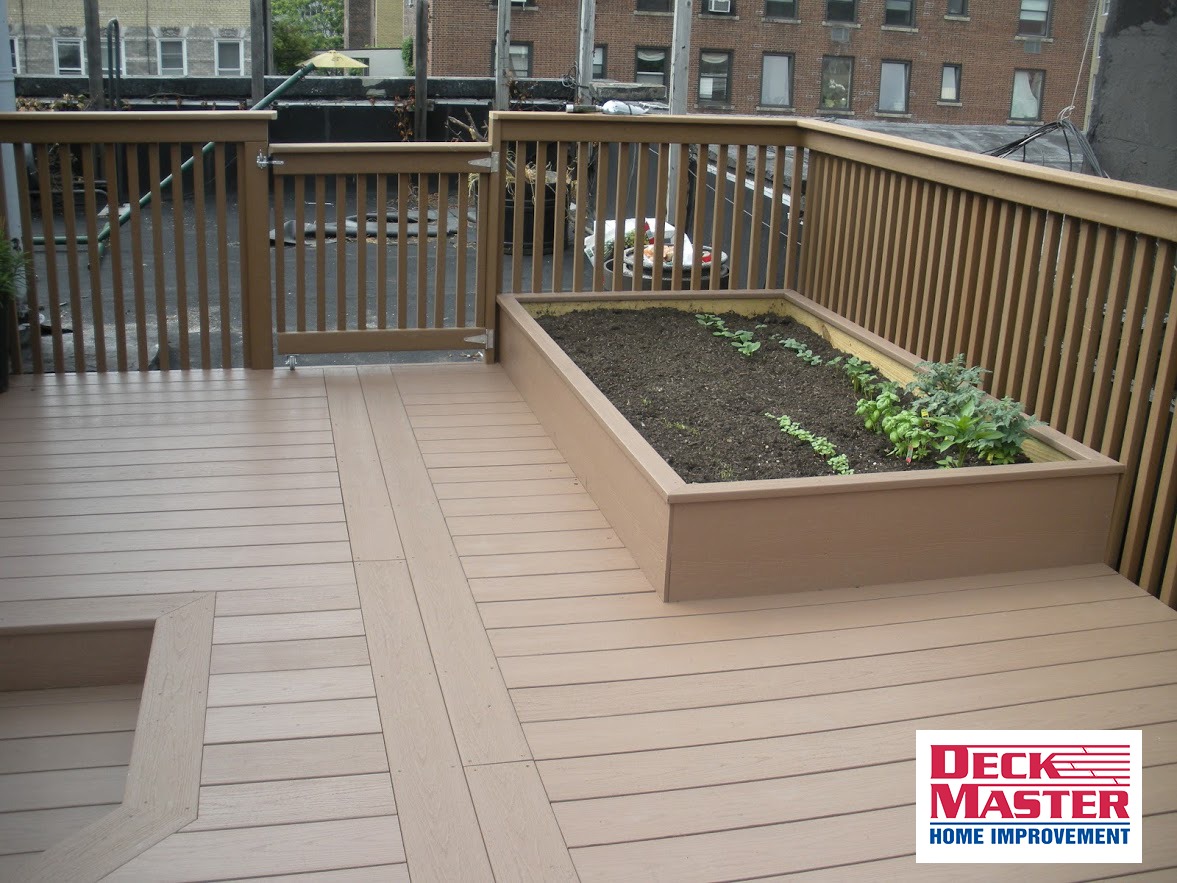
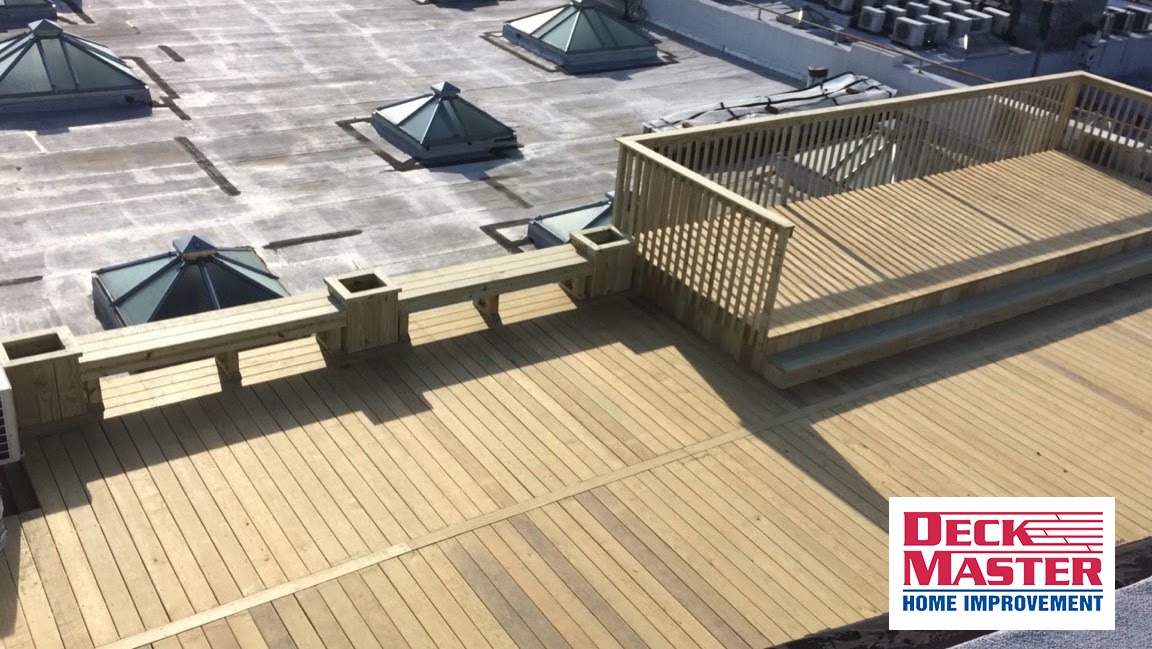
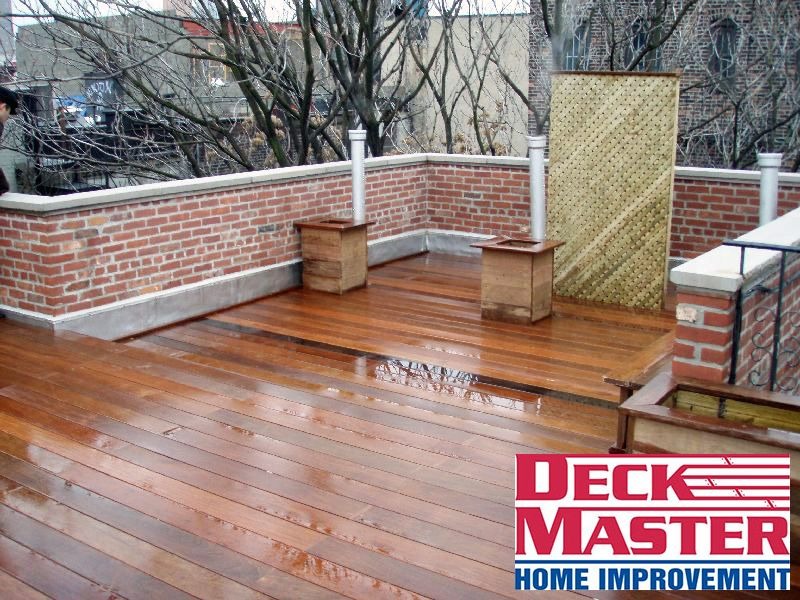
  • Built-in planter systems

  • Pergolas and shade structures

  • Outdoor kitchens

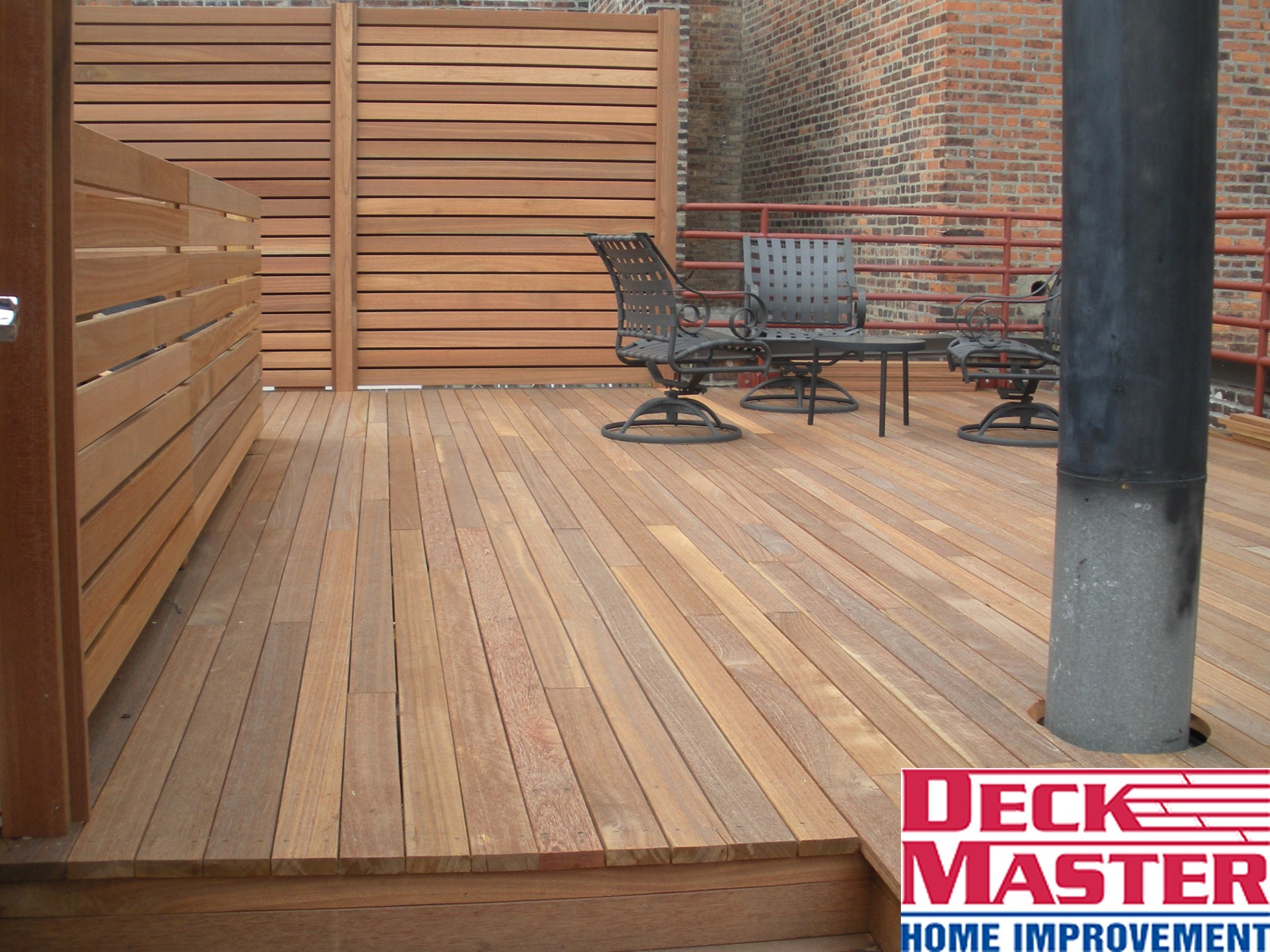
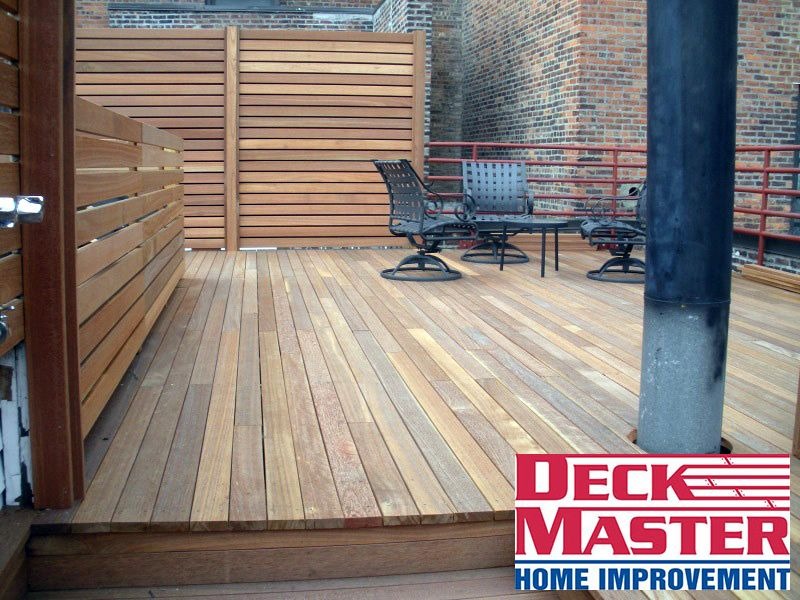
  • Privacy screening

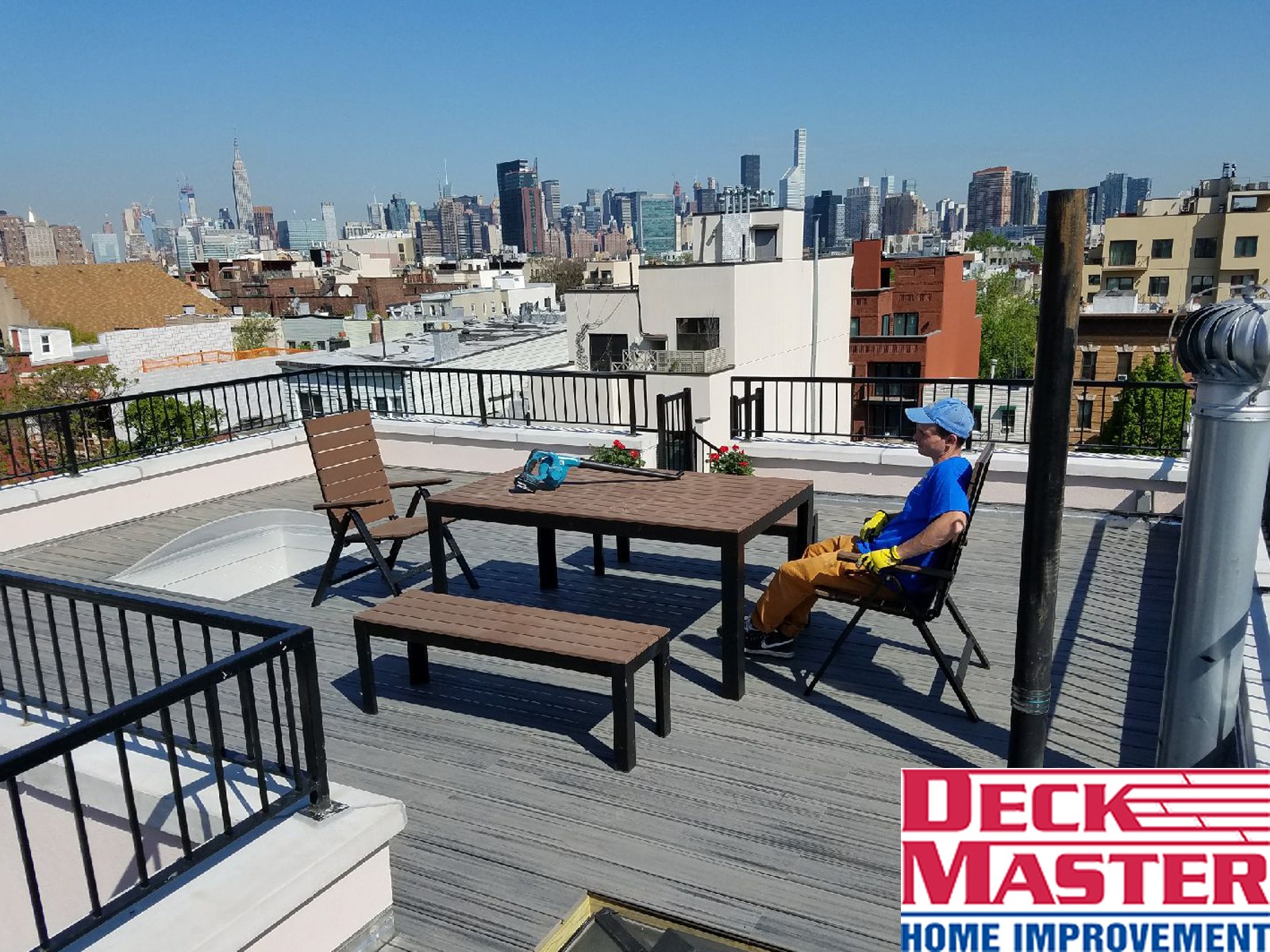
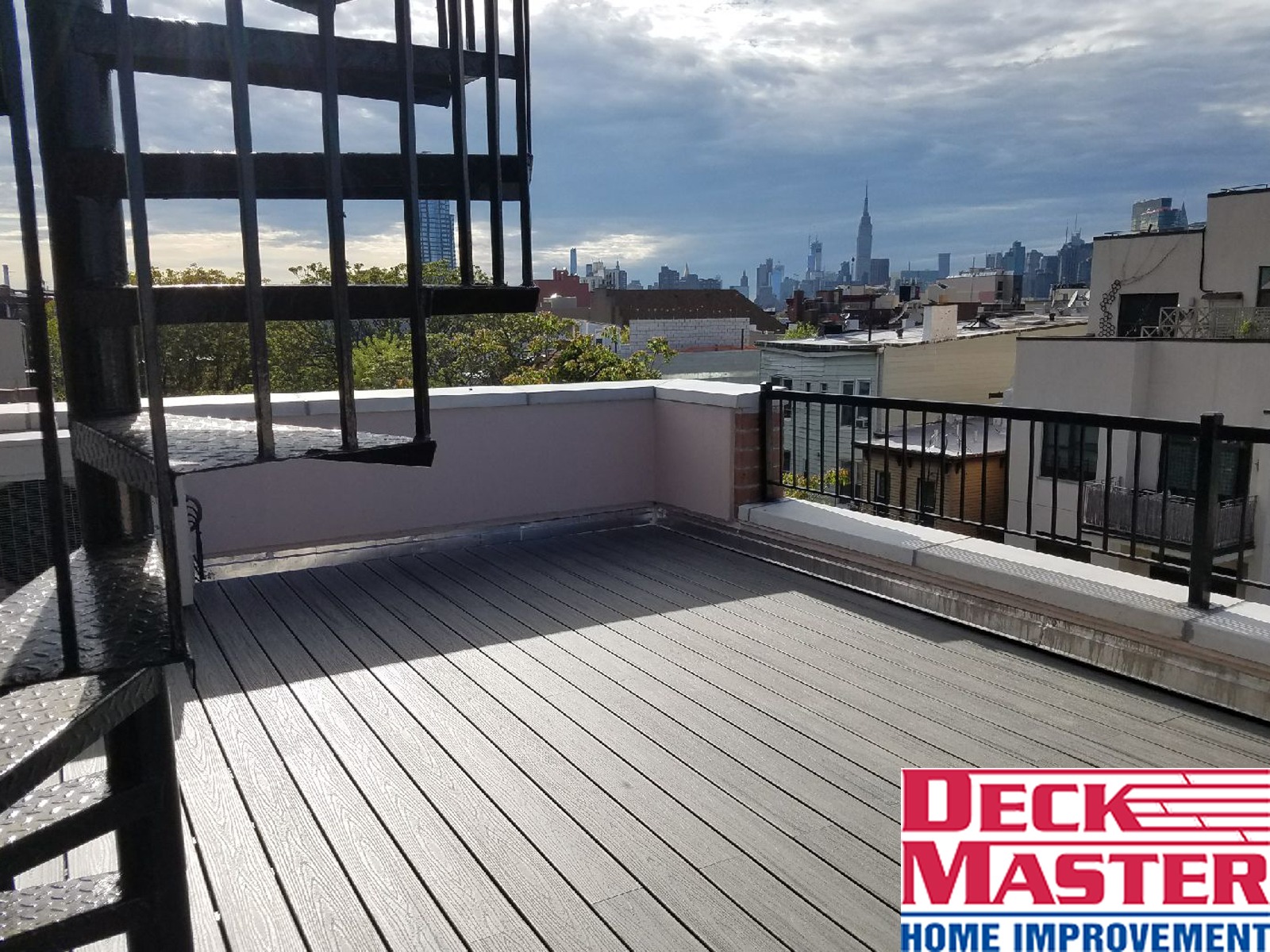
  • City skyline visibility

  • Low-maintenance entertaining space

Traffic flow, furniture spacing, grill clearance, and maintenance access all need to be planned before construction begins because rooftop layouts leave very little room for error after framing is complete.

Built for Long-Term Exposure in Coastal New York

Rooftop decks experience some of the harshest environmental exposure on residential properties. Direct sun, heavy rain, high winds, winter ice, and coastal humidity constantly stress both the surface materials and structural framework beneath them.

Deck Master’s experience with elevated structures, rooftop systems, and coastal construction includes post-Hurricane Sandy reconstruction work in South Beach, Staten Island, where the company completed structural rehabilitation work on waterfront infrastructure at Fantasy Shore Amusement Park.

Explore completed rooftop and elevated deck projects through the Deck Master Company Projects Gallery or start planning your build through the Deck Master Rooftop Decks Page.

Scroll to Top