Custom Deck Builders for Staten Island Homes That Need More Than a Standard Backyard Layout
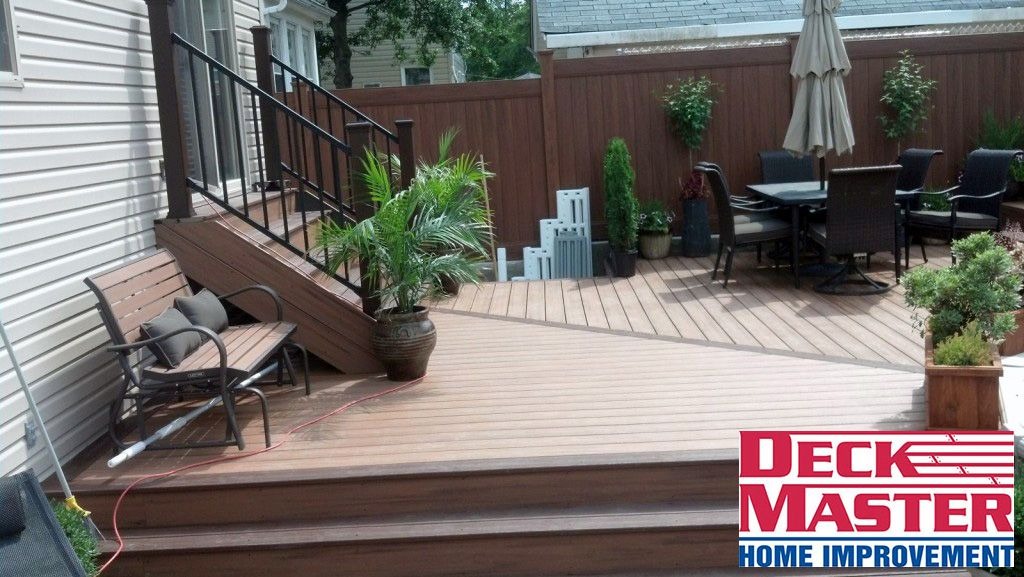
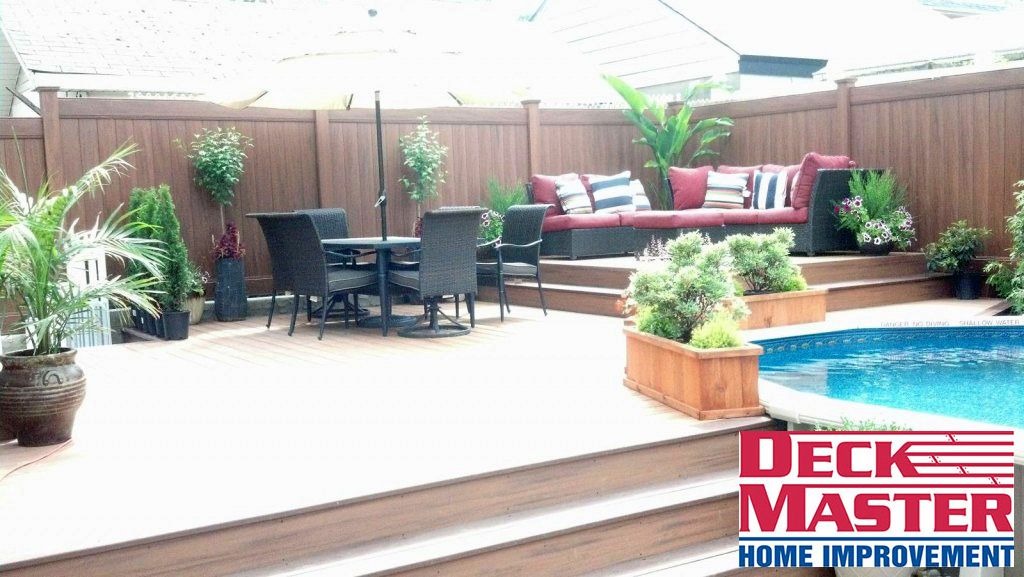
One of our larger residential builds in New Jersey involved more than 760 individual decks across a multi-building residential development. Another project transformed a 22,000-square-foot outdoor area into a multi-level entertainment and recreation space with pool access, gathering areas, and integrated walkways. Those projects demanded commercial-level coordination, structural planning, phased construction schedules, and long-term material durability under constant use.
That same attention to structural performance carries into smaller residential projects throughout Staten Island, where no two properties present the same conditions. A narrow lot in Great Kills behaves differently from a hillside property in Todt Hill or a waterfront backyard exposed to open wind and moisture near the South Shore.
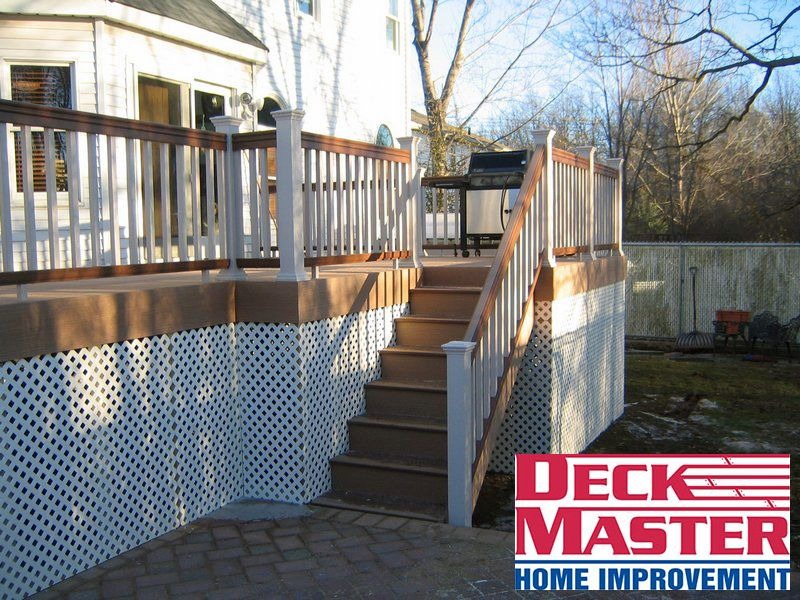
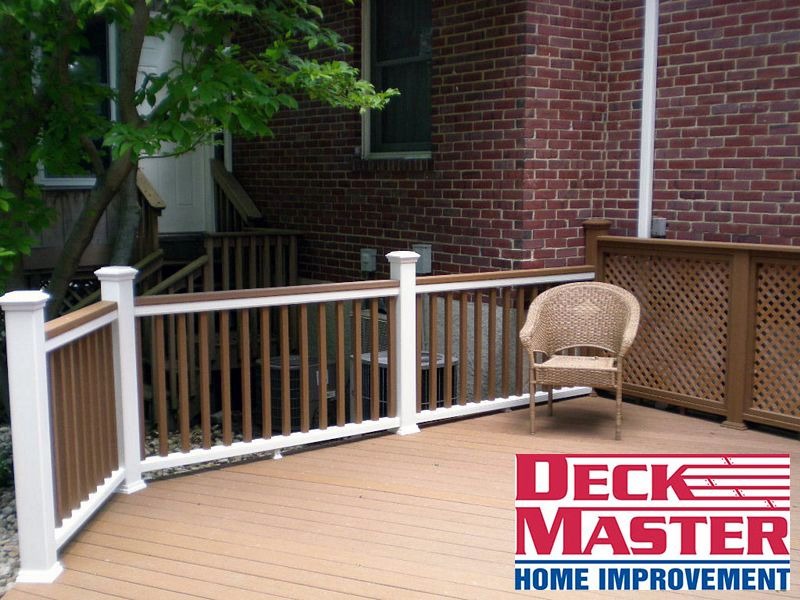
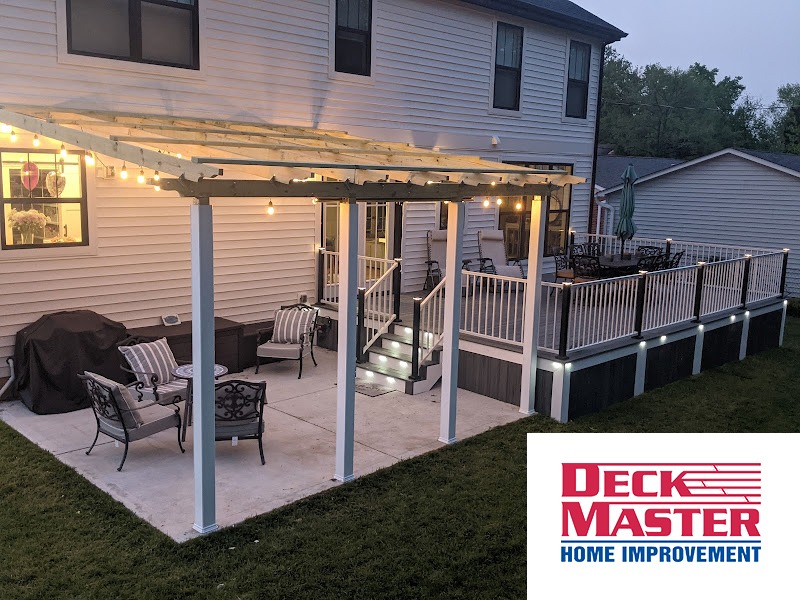
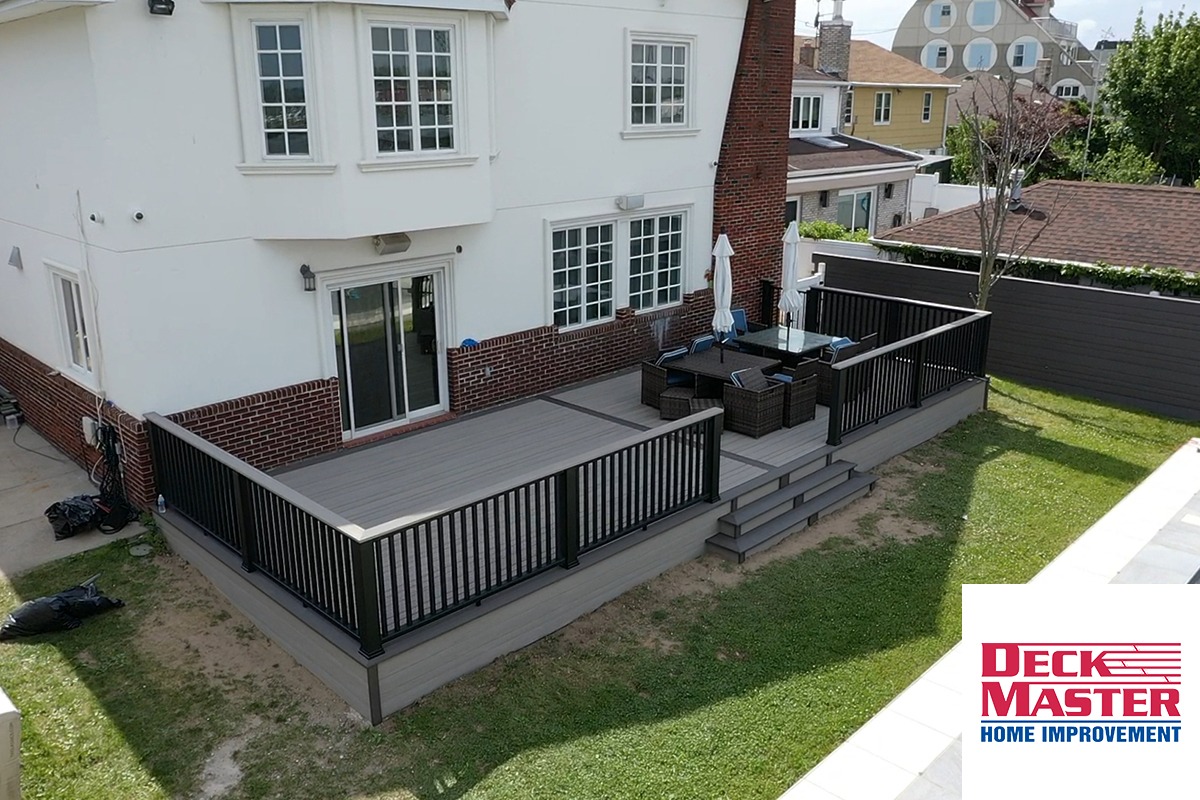
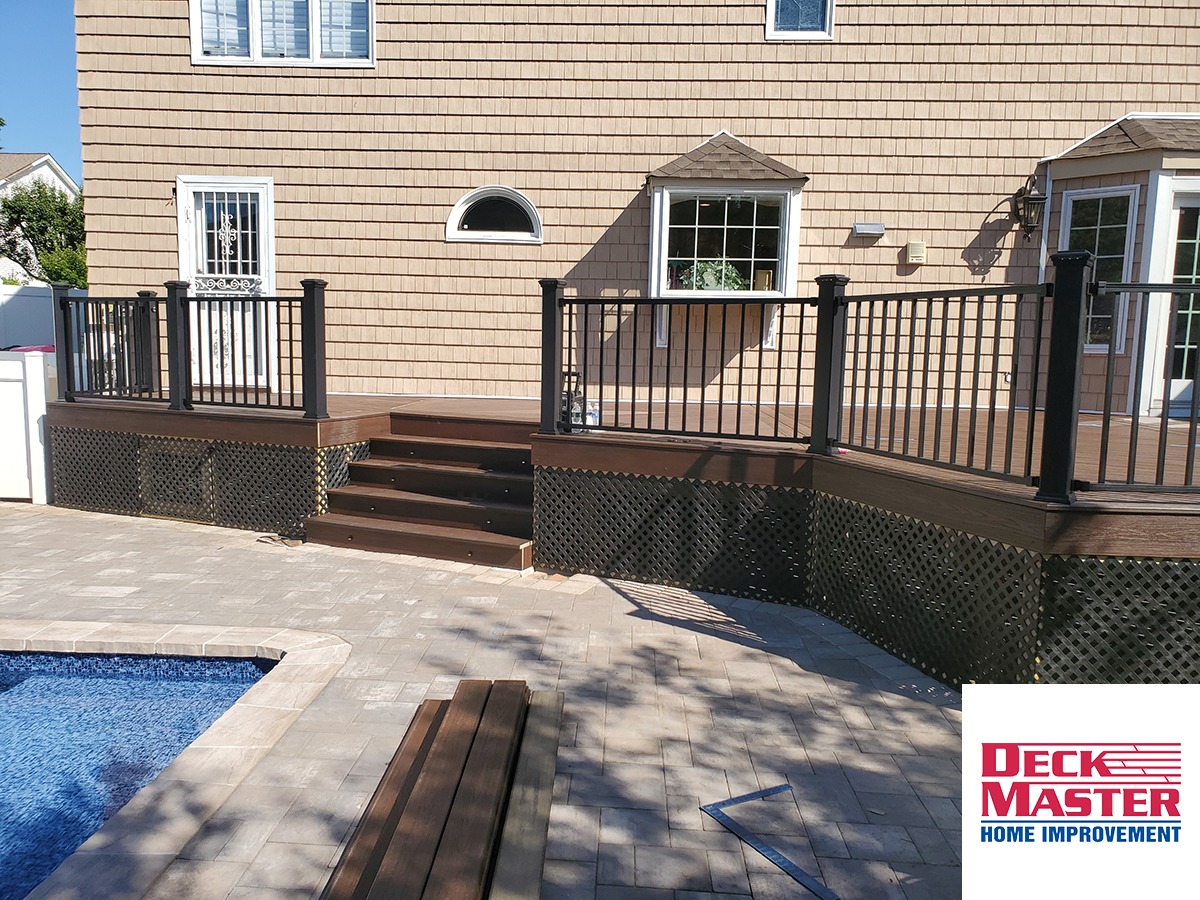
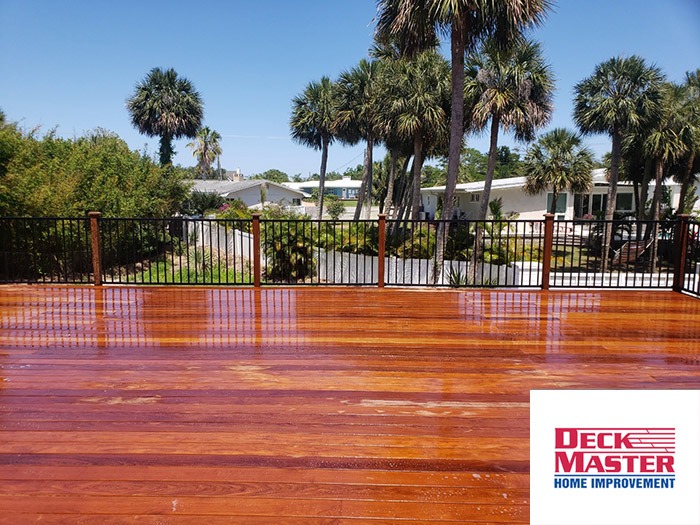
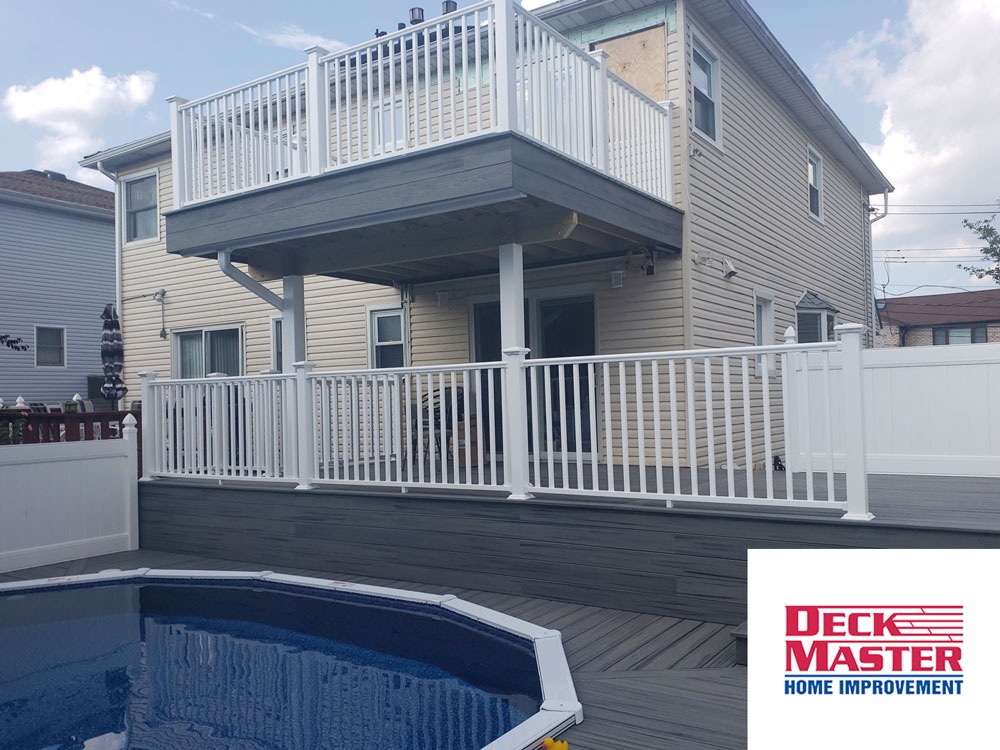
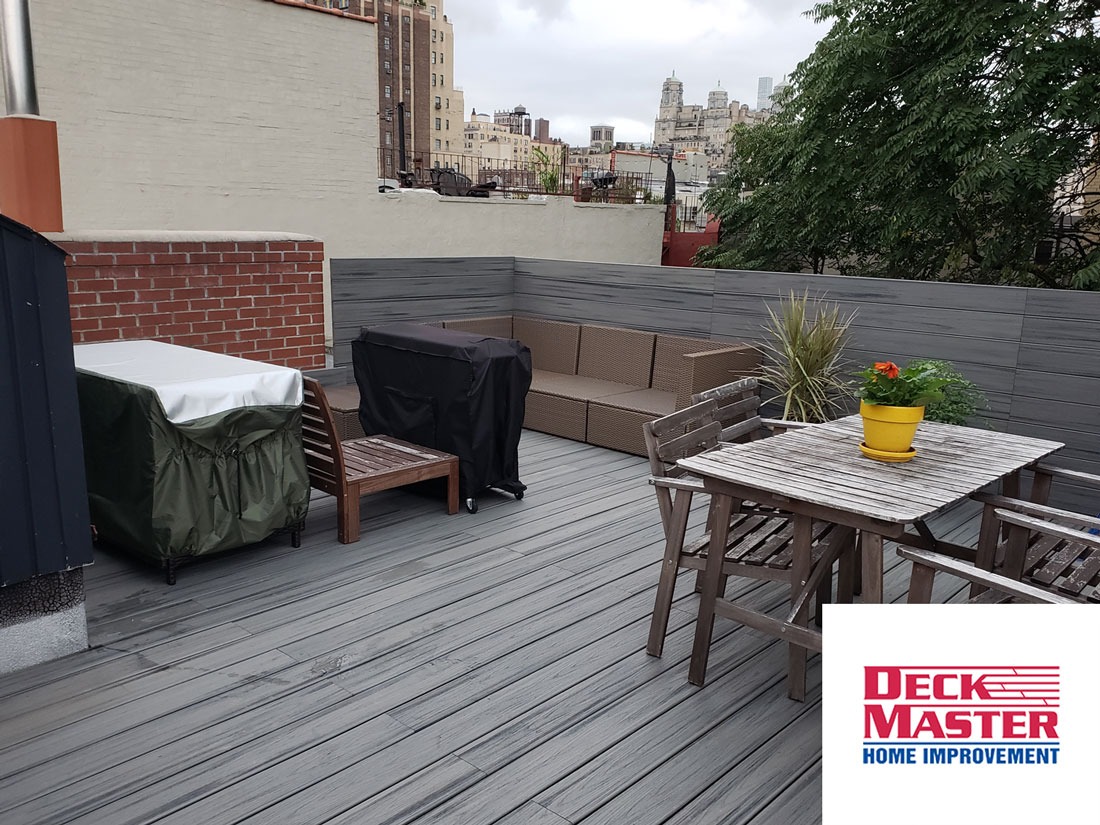
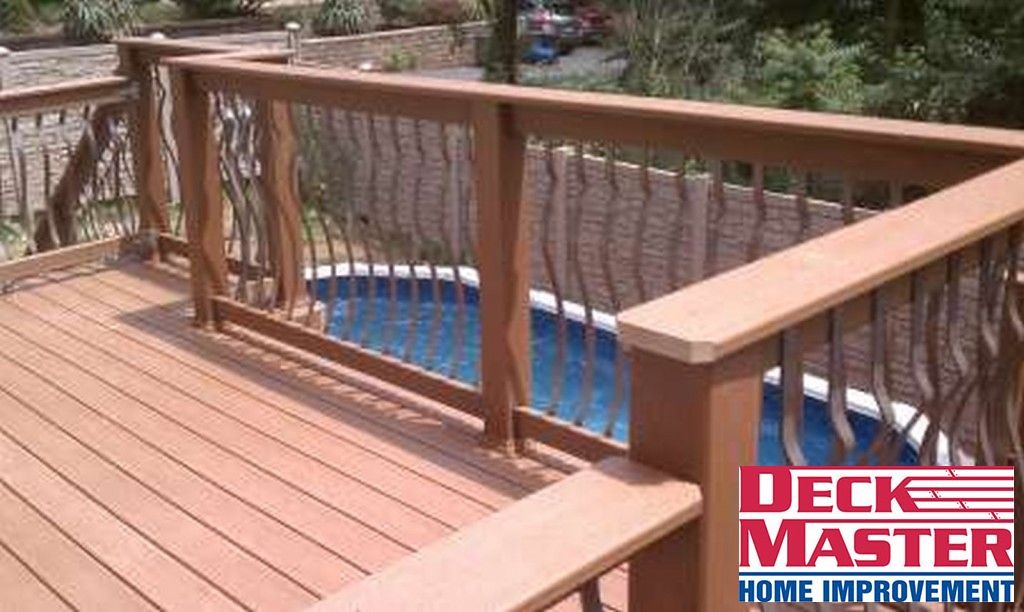
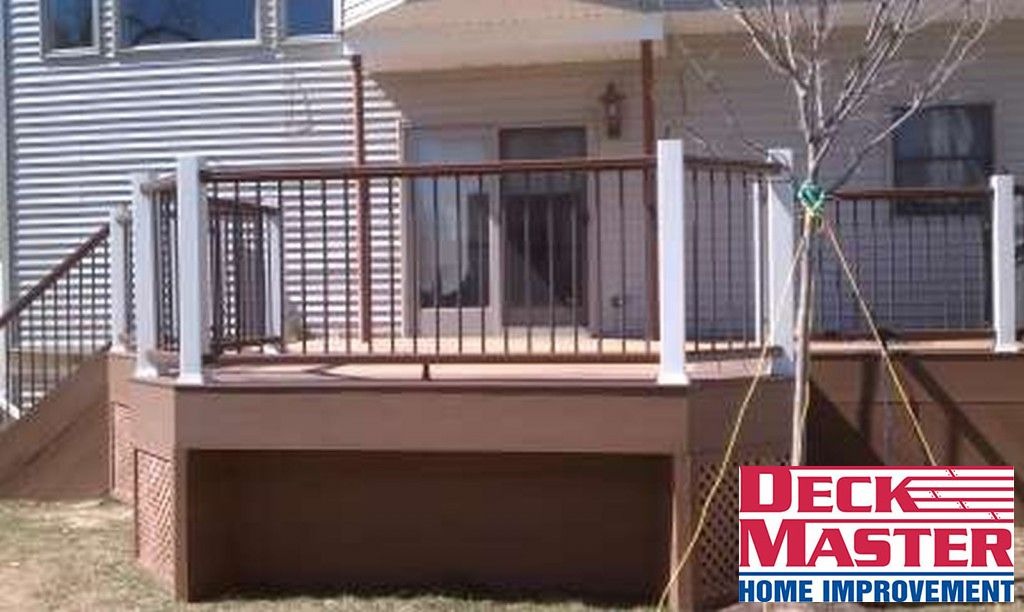
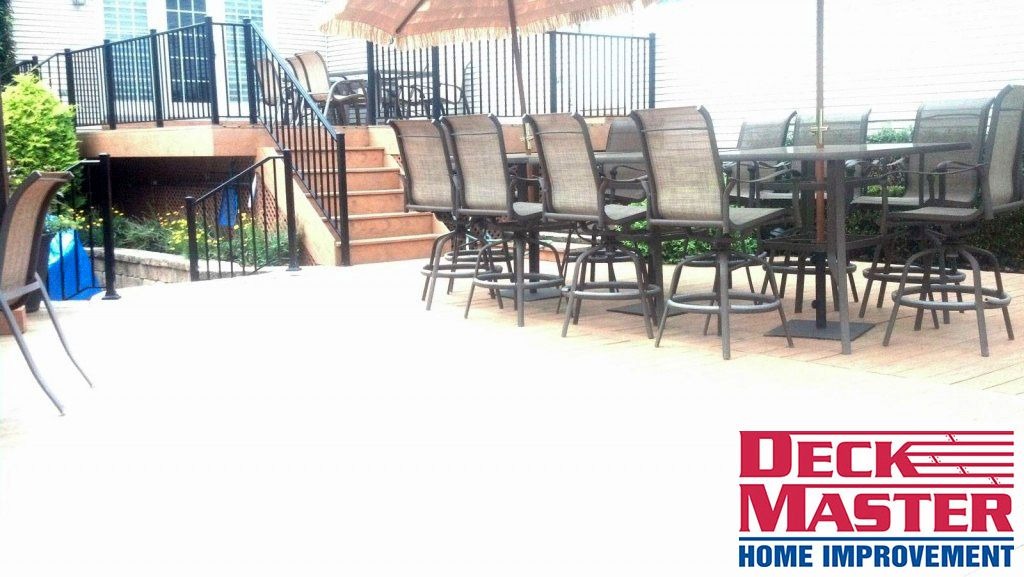
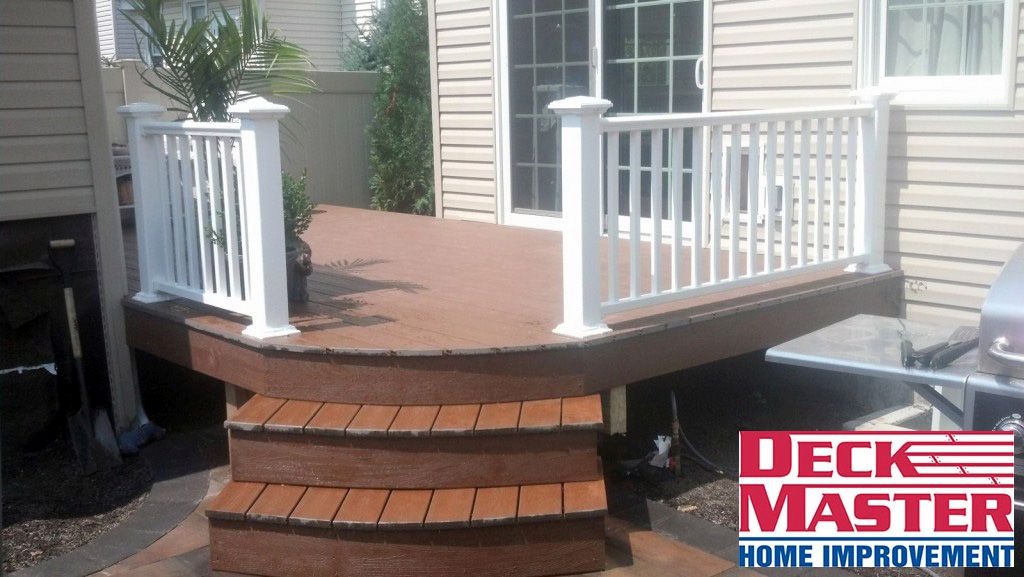
At Deck Master Company Projects, the project portfolio already reflects that range:
rooftop deck installations in NYC
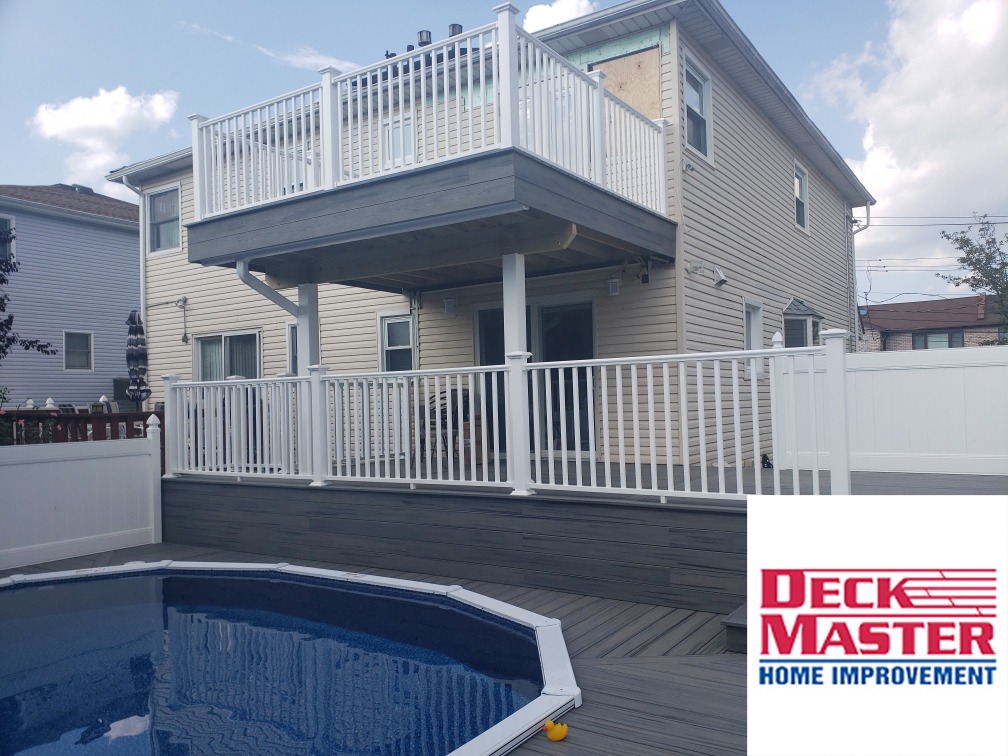
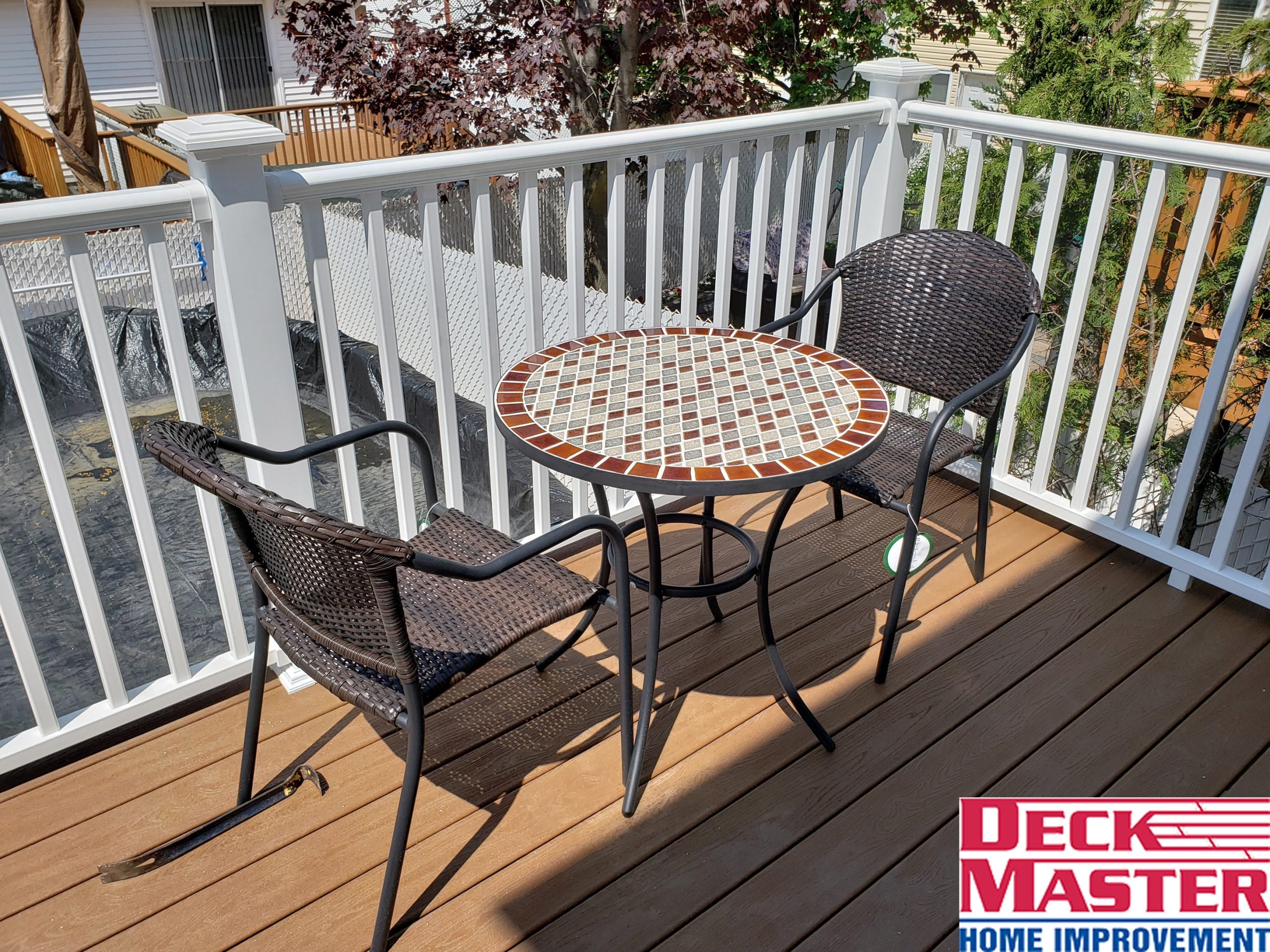
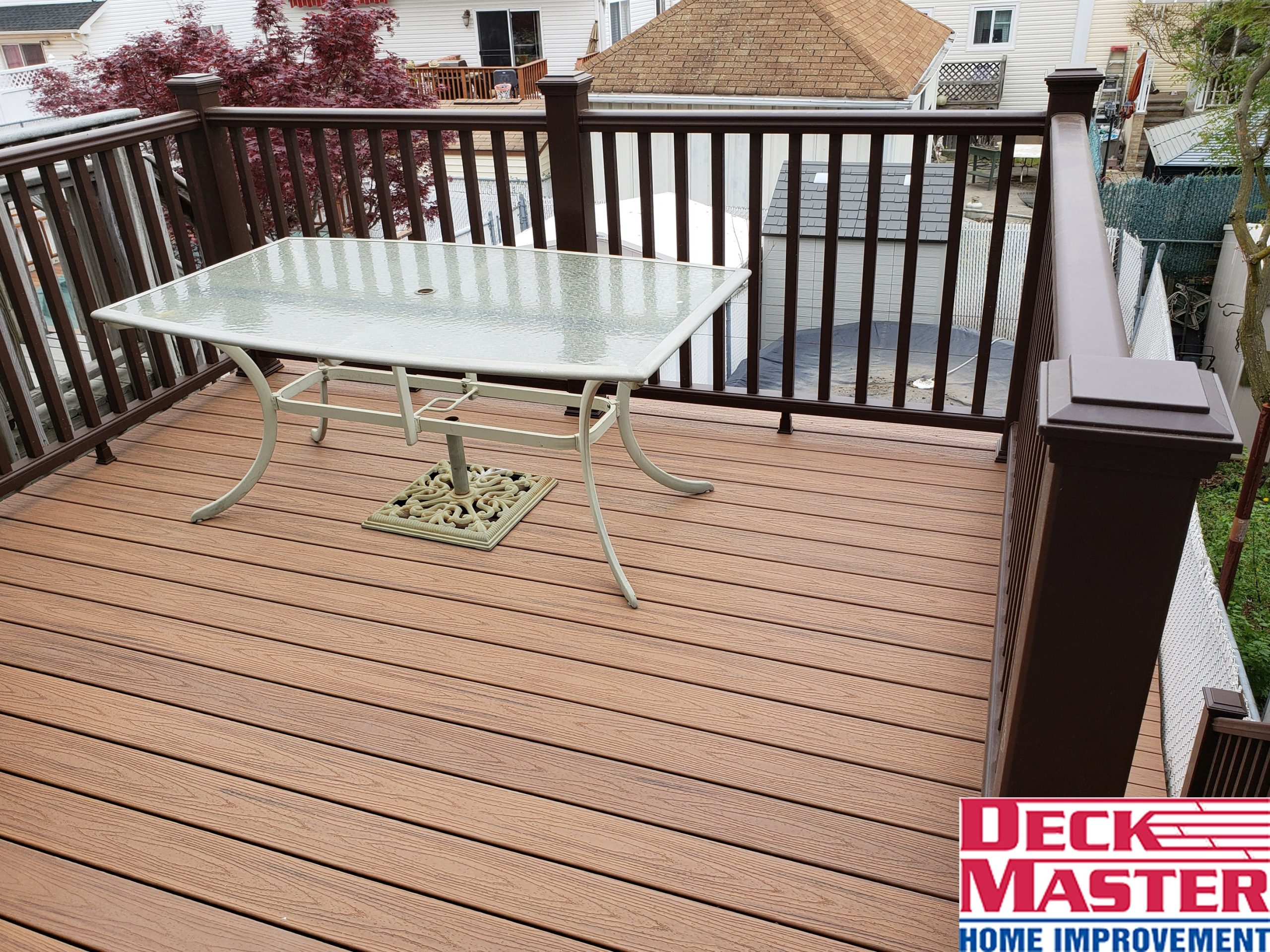
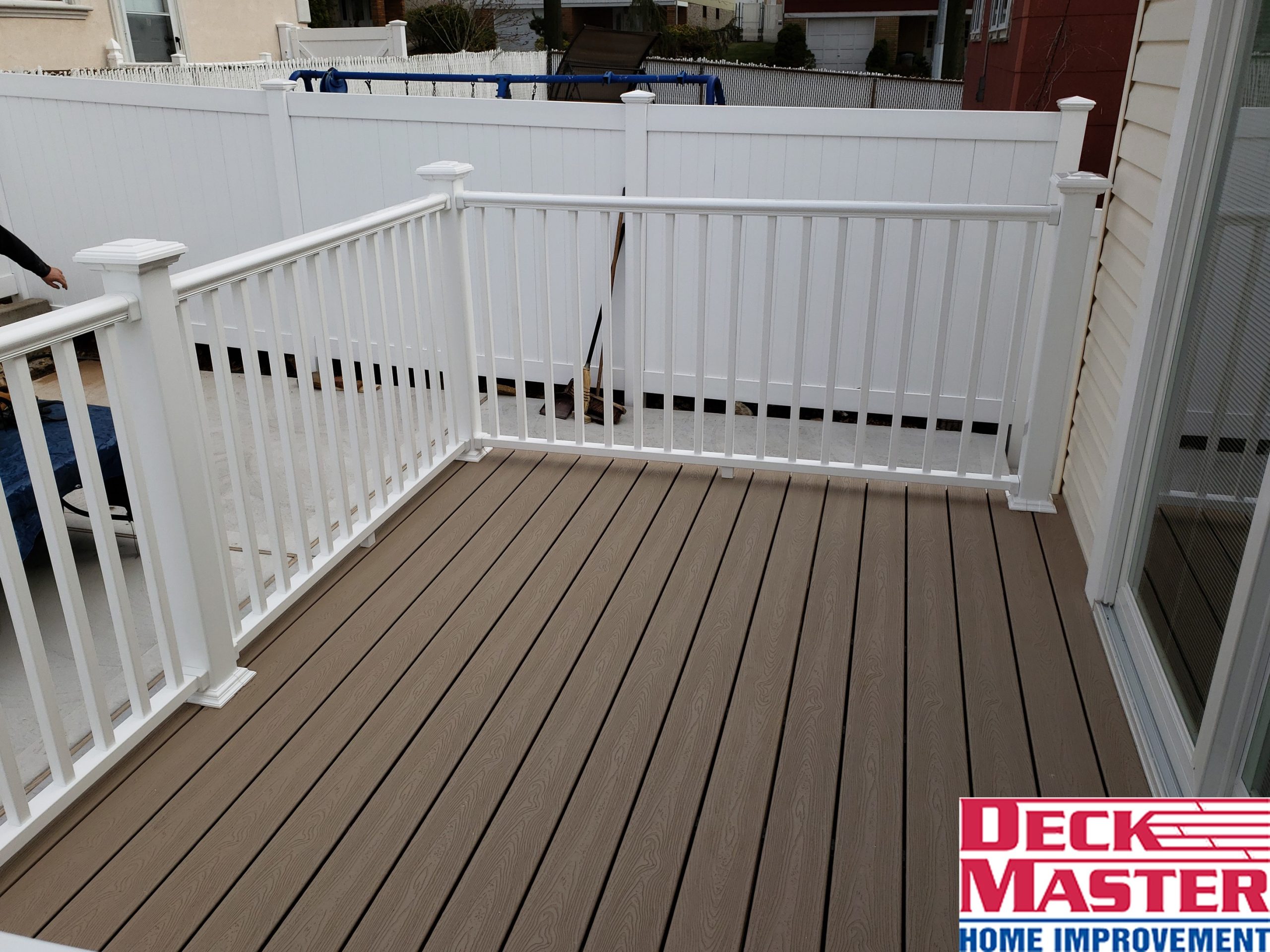
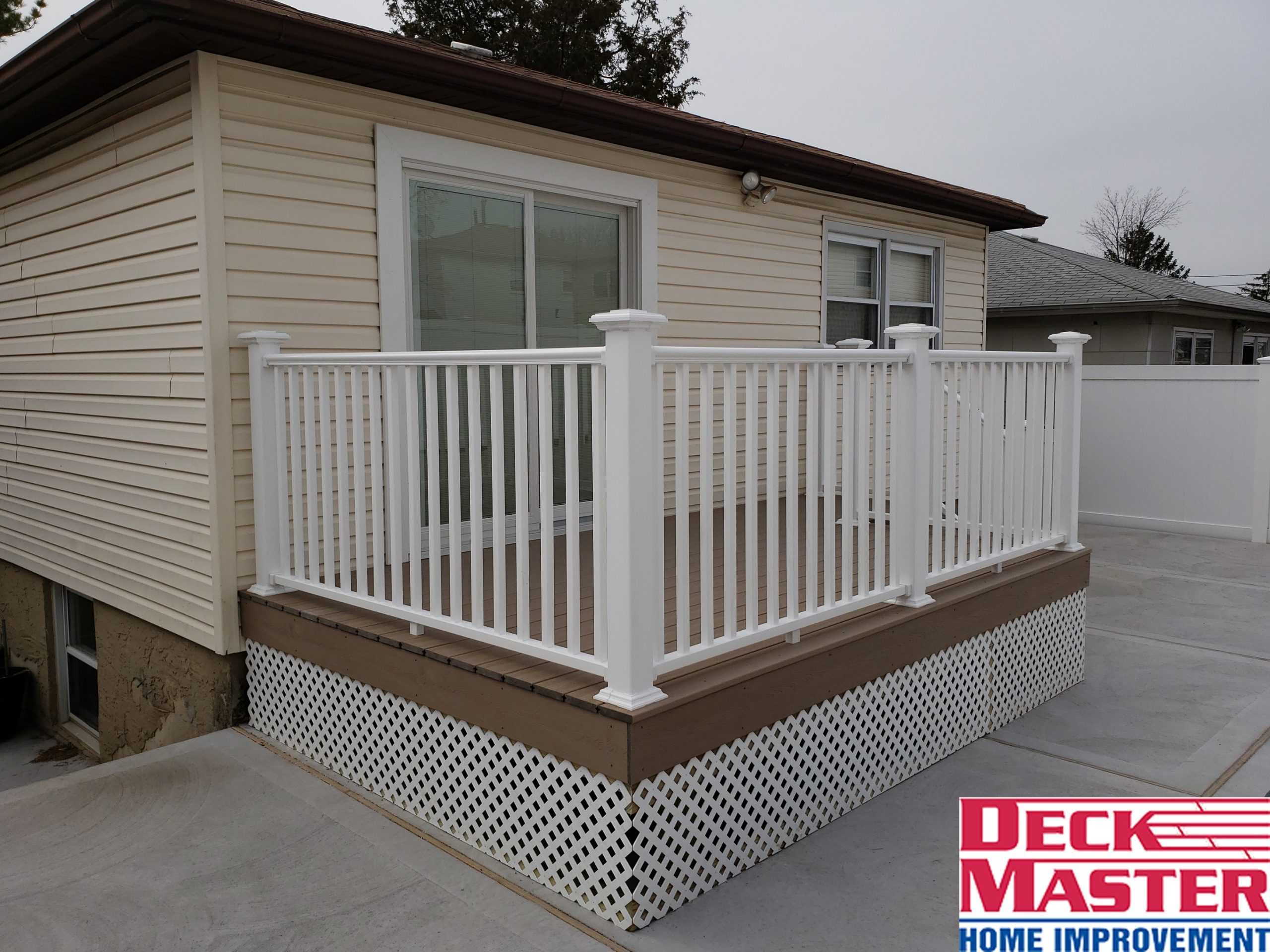
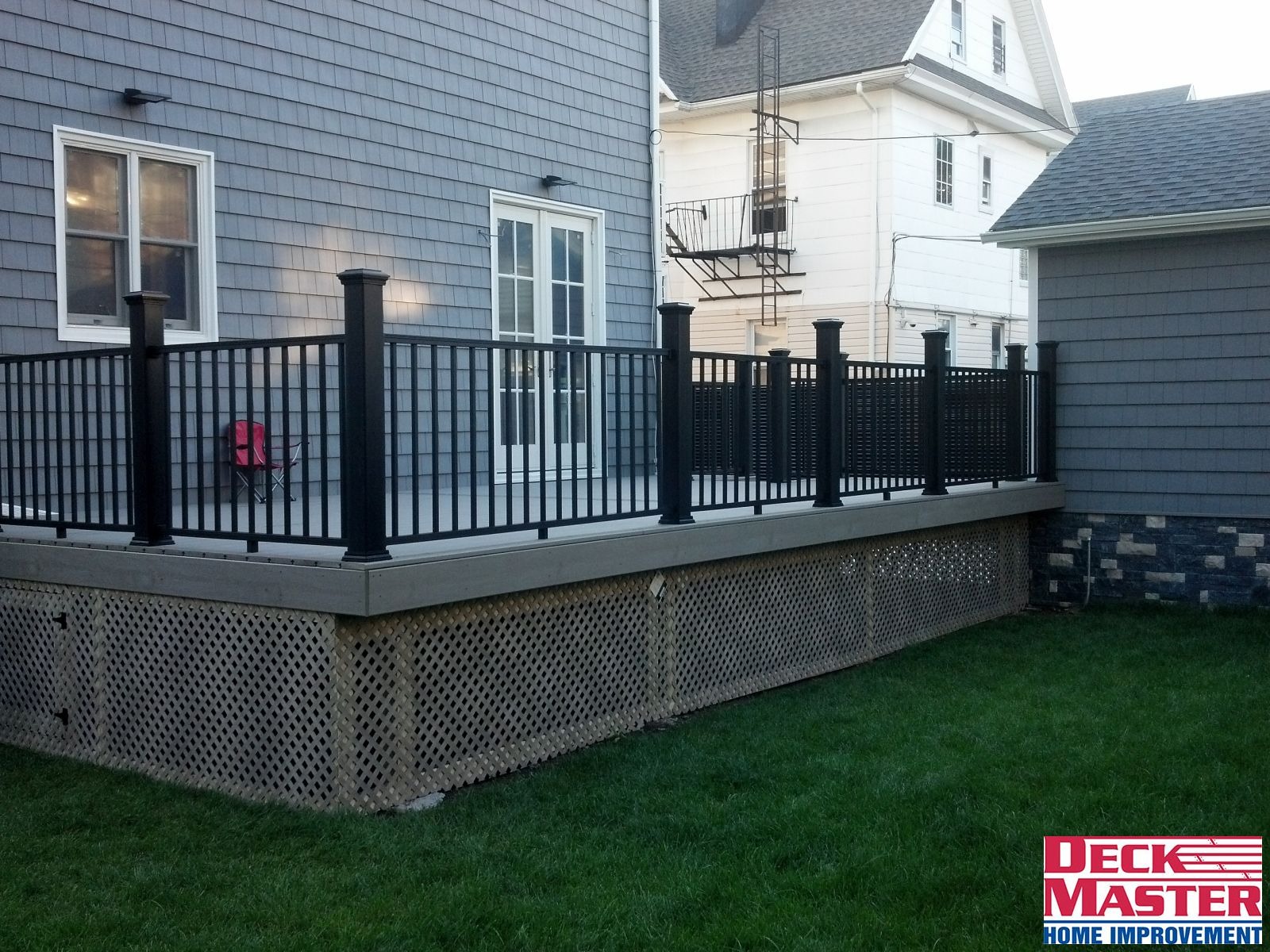
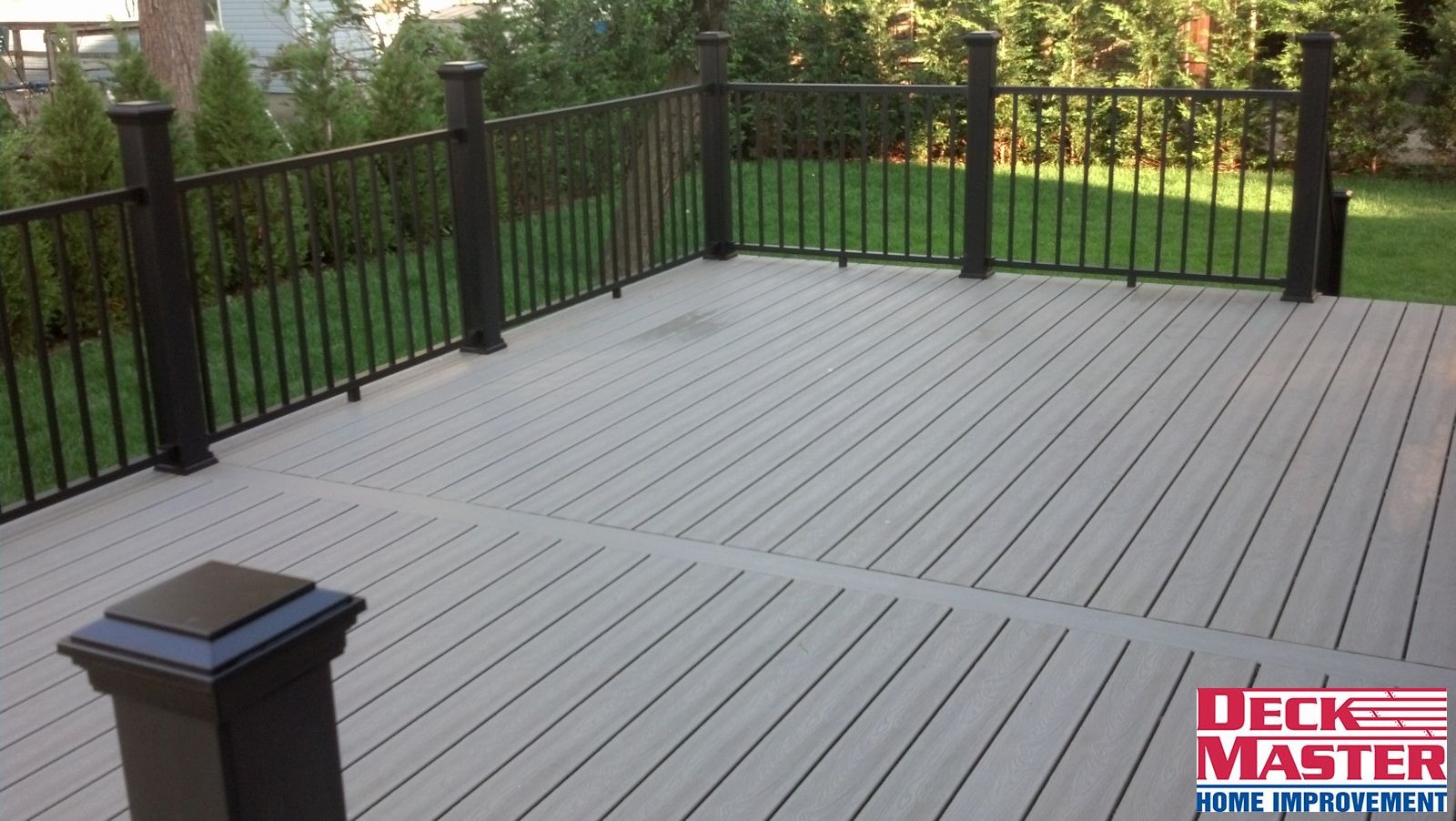
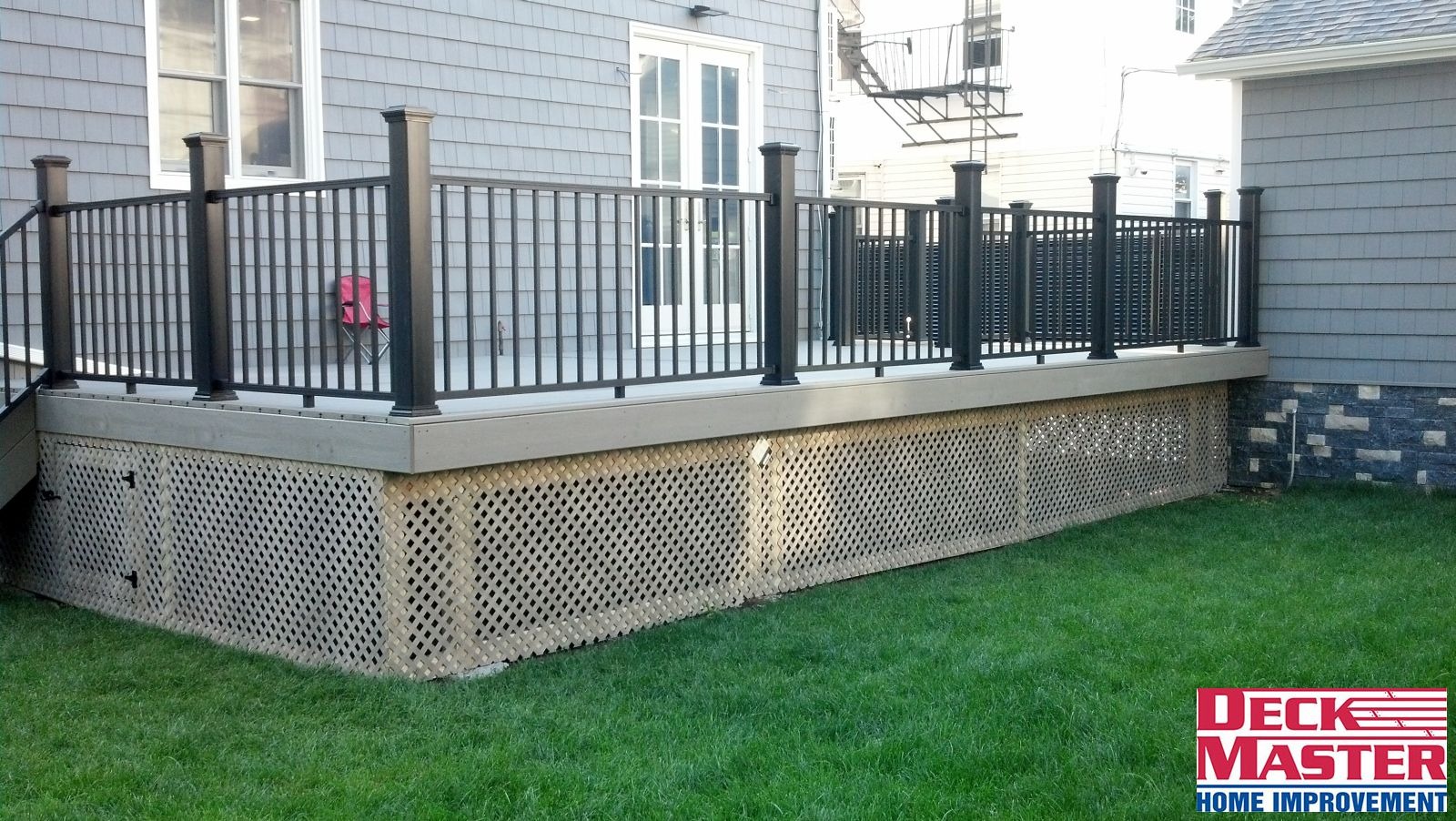
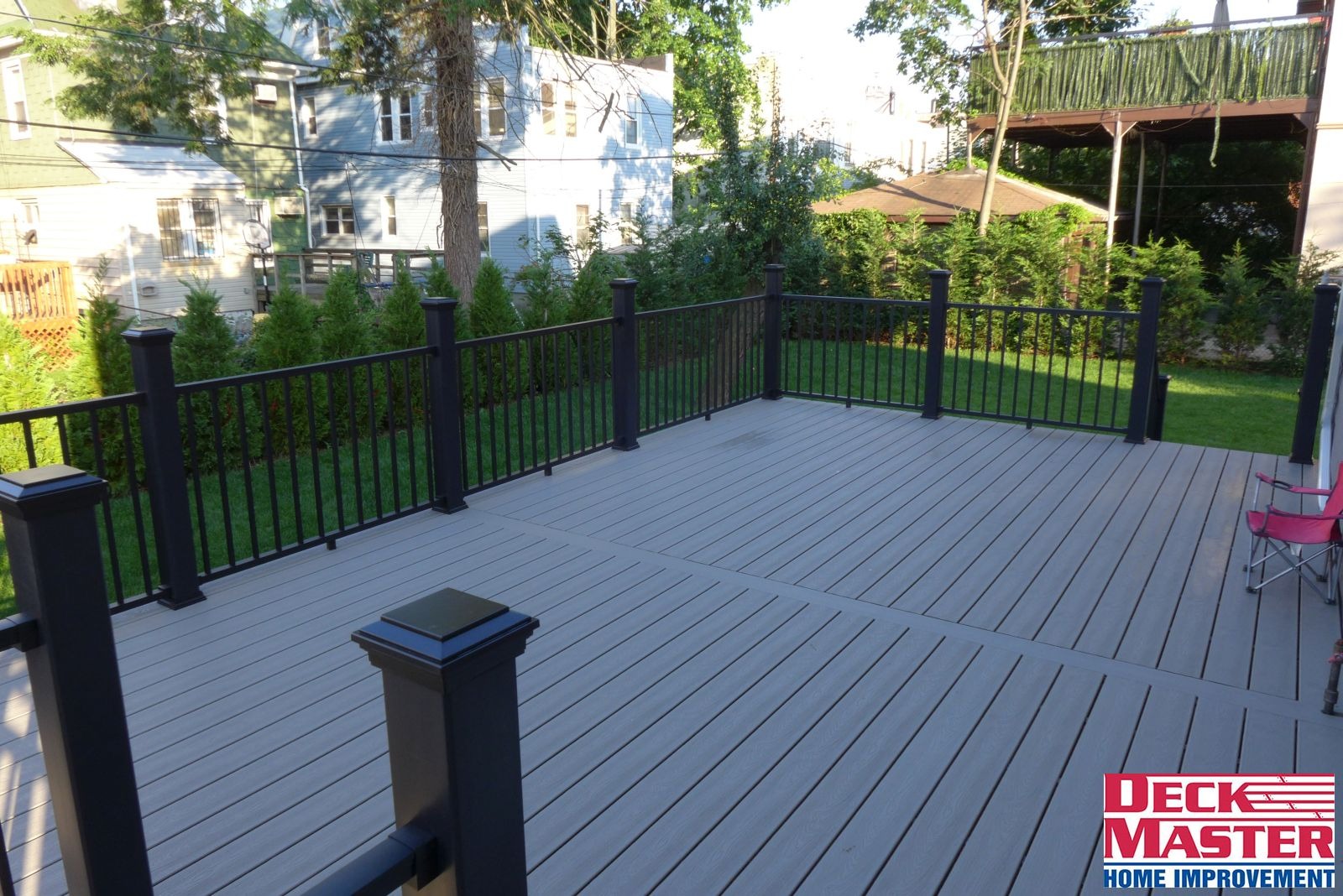
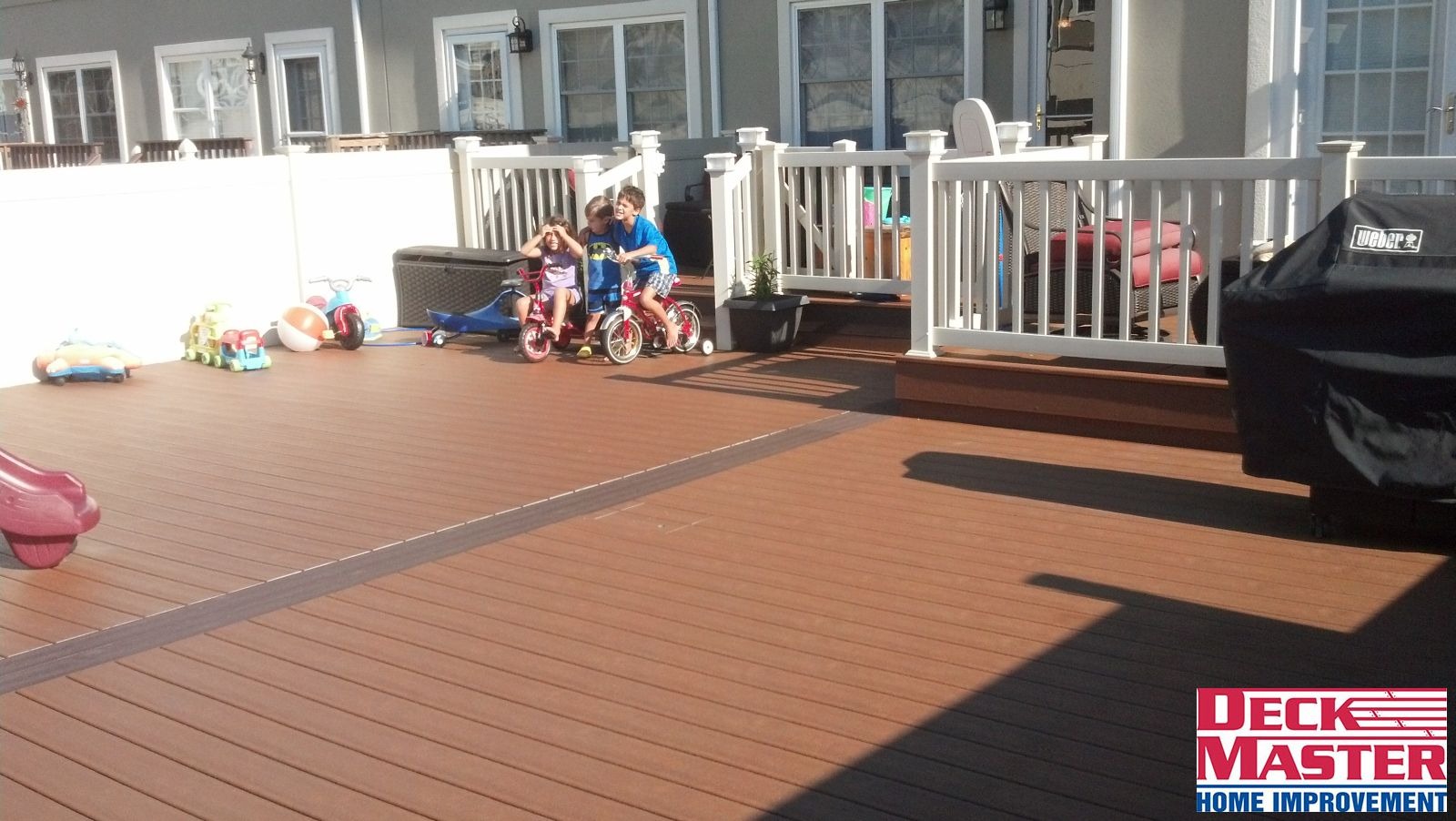
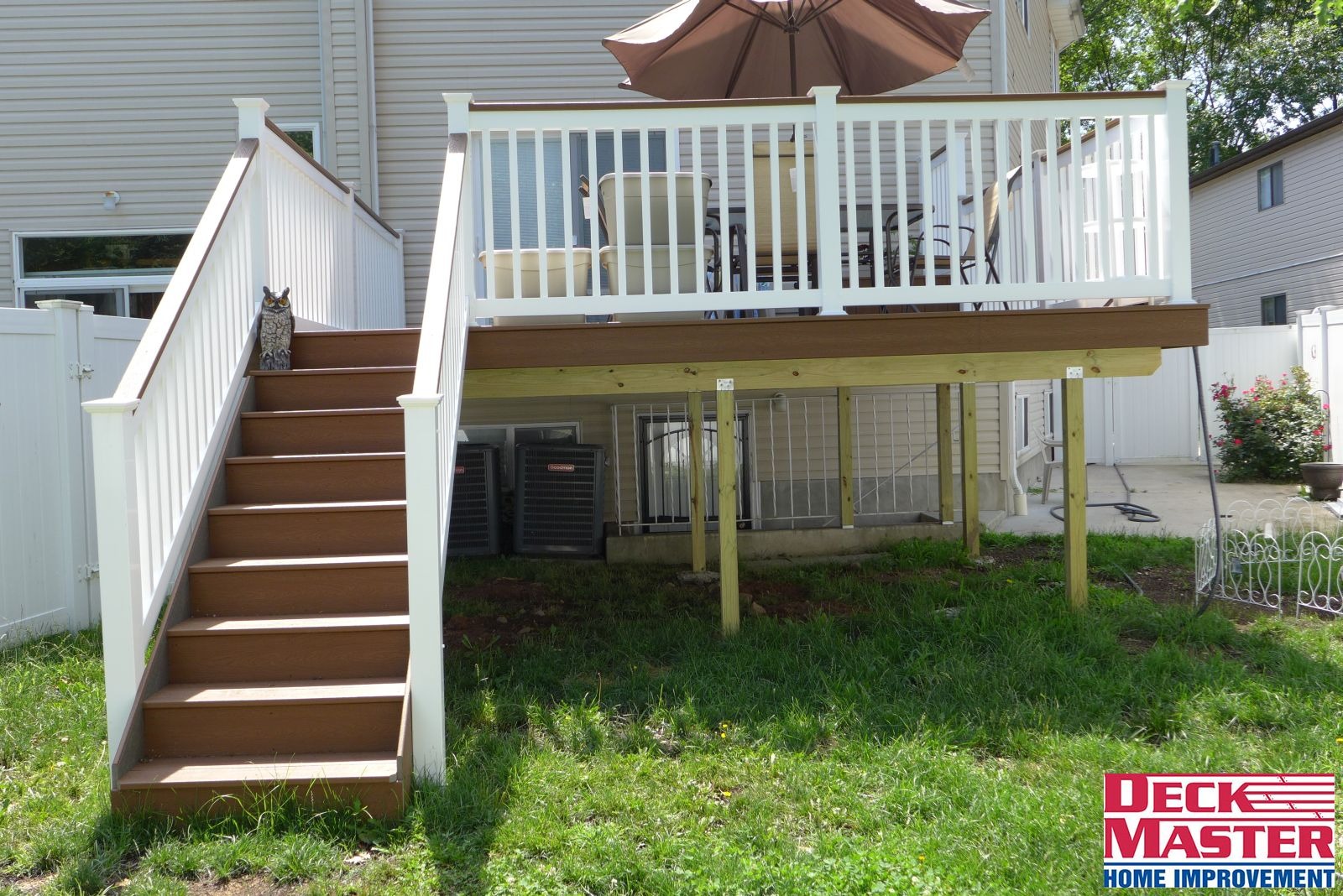
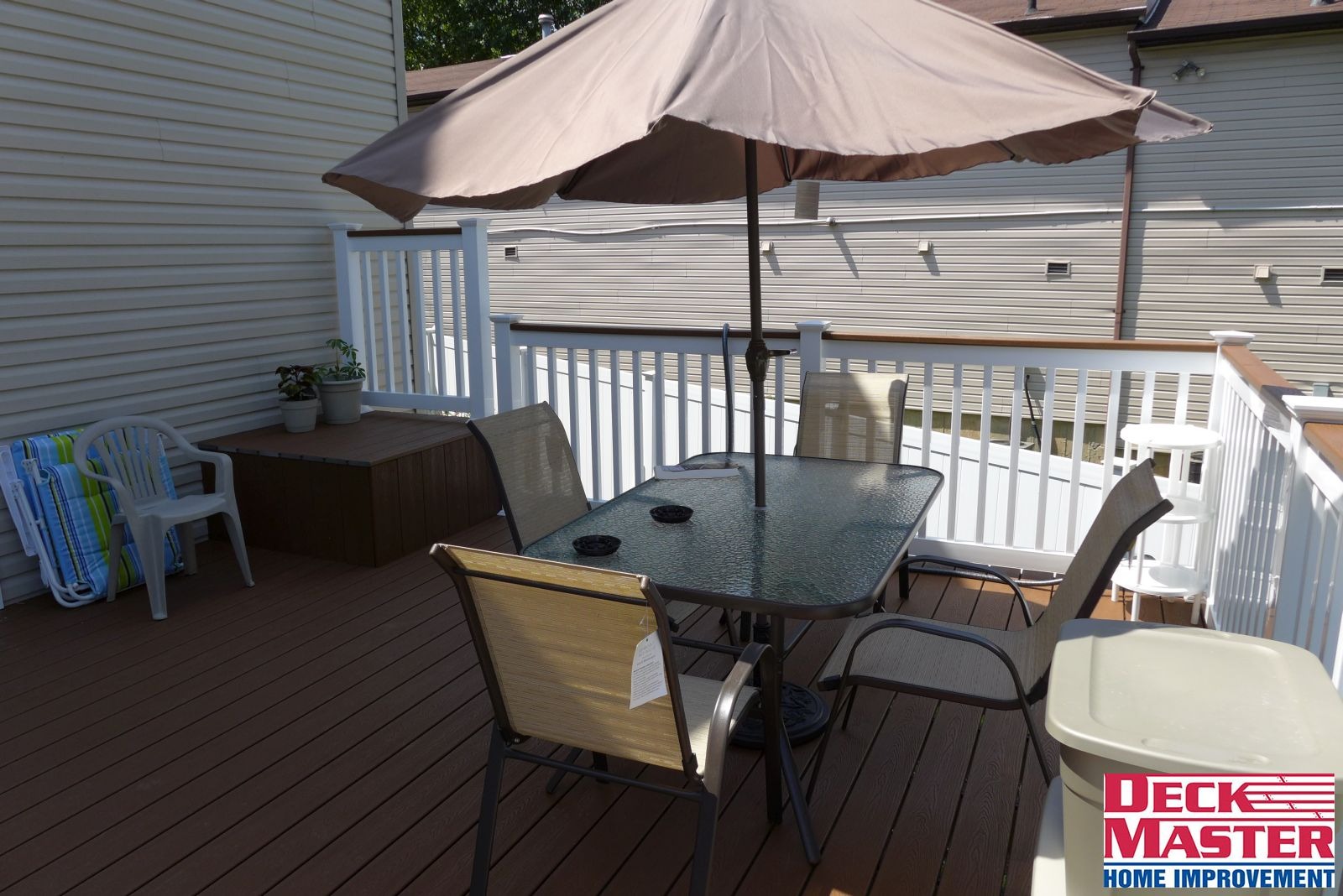
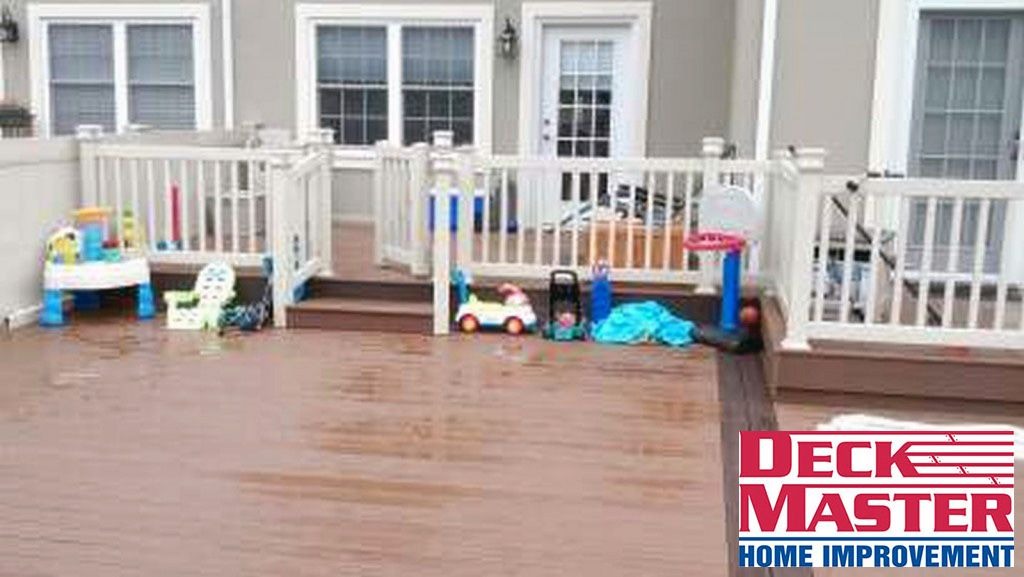
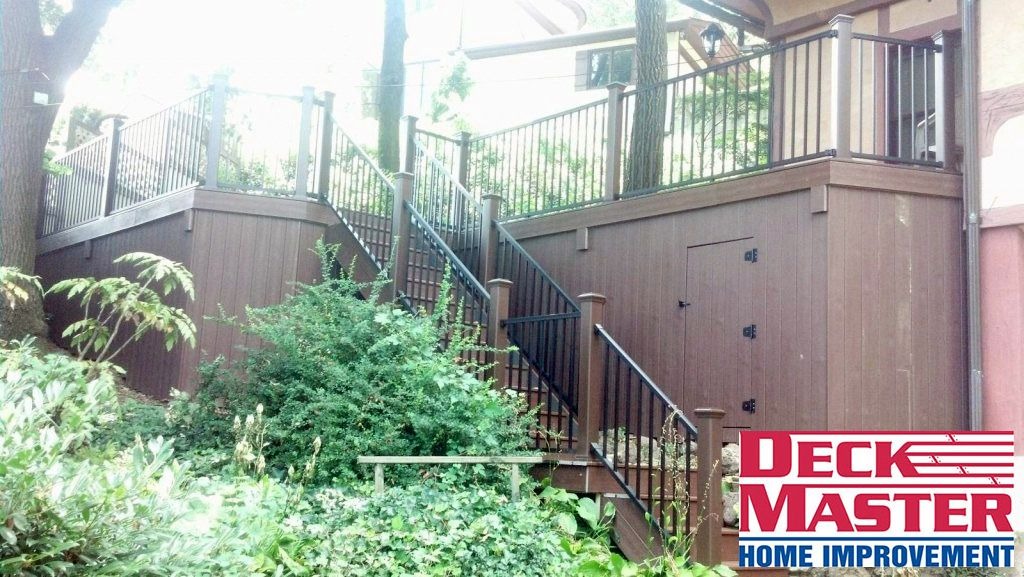
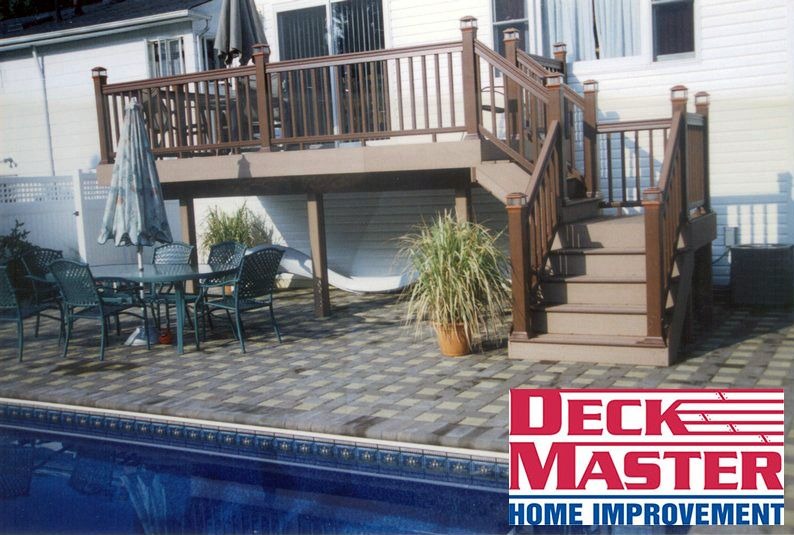
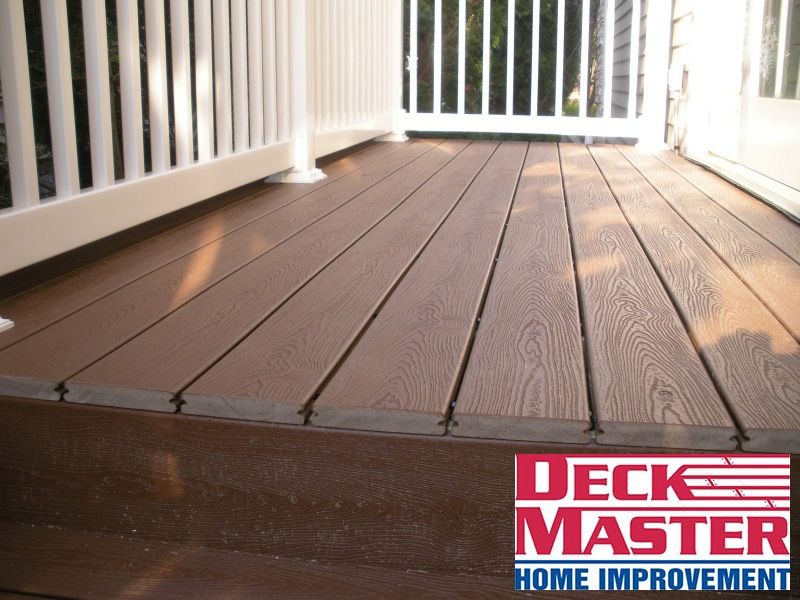
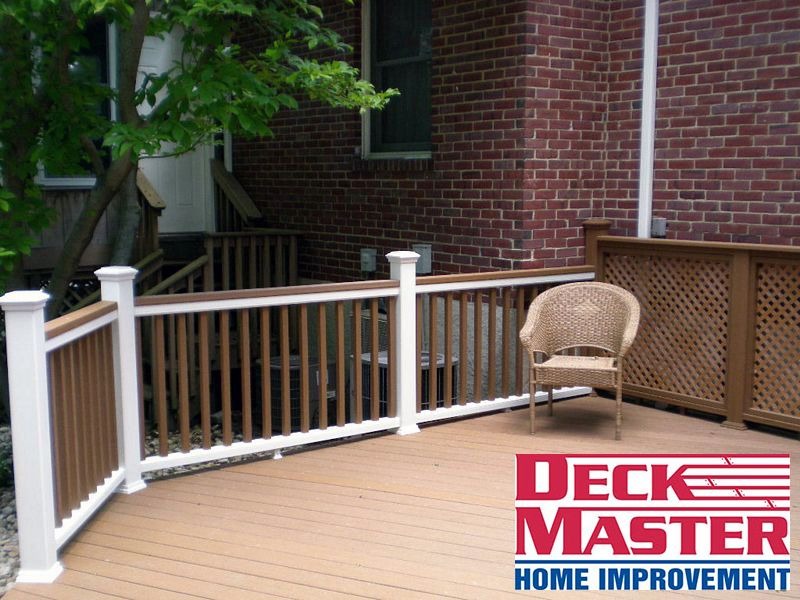
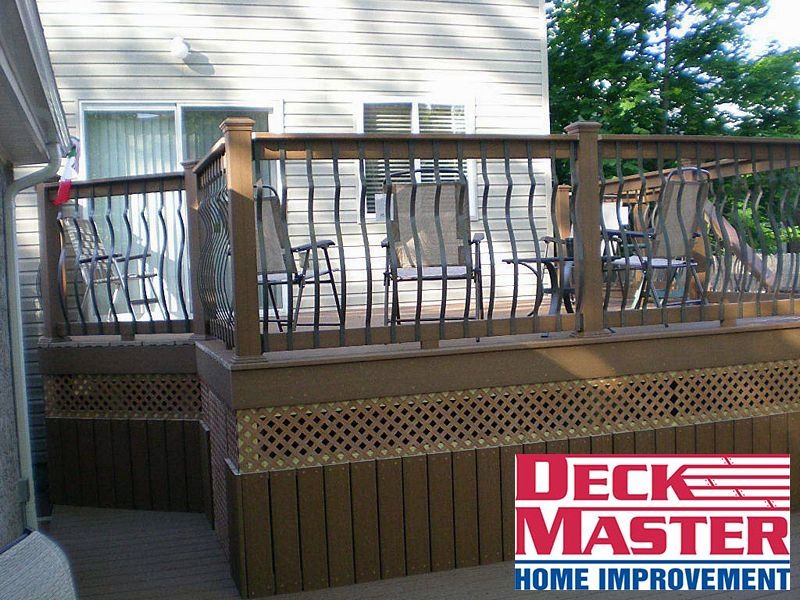
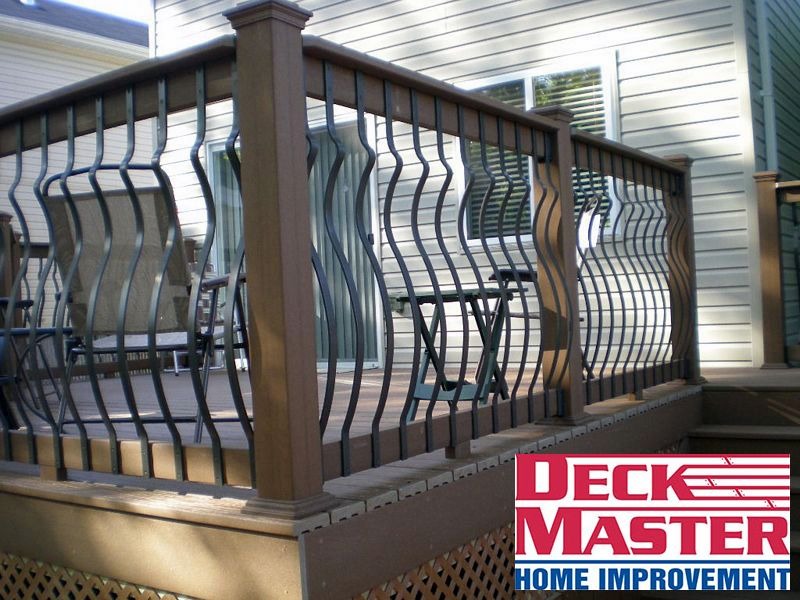
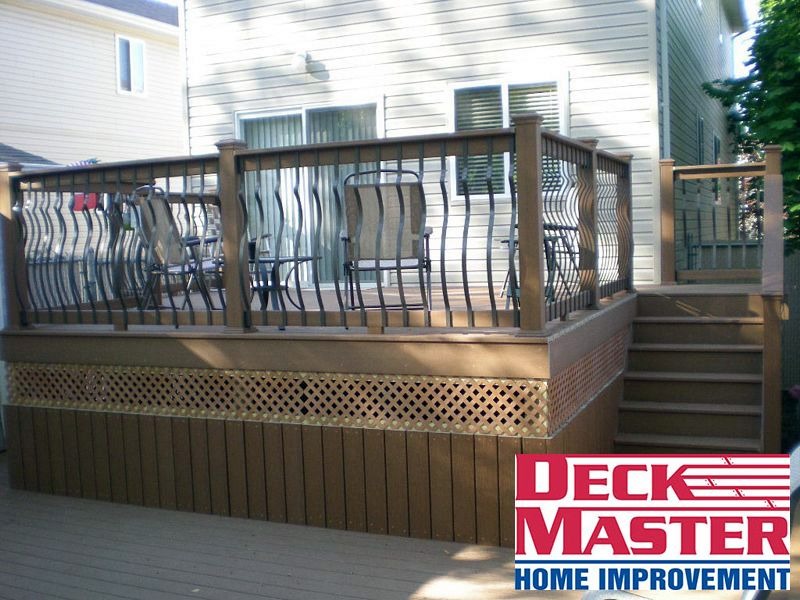
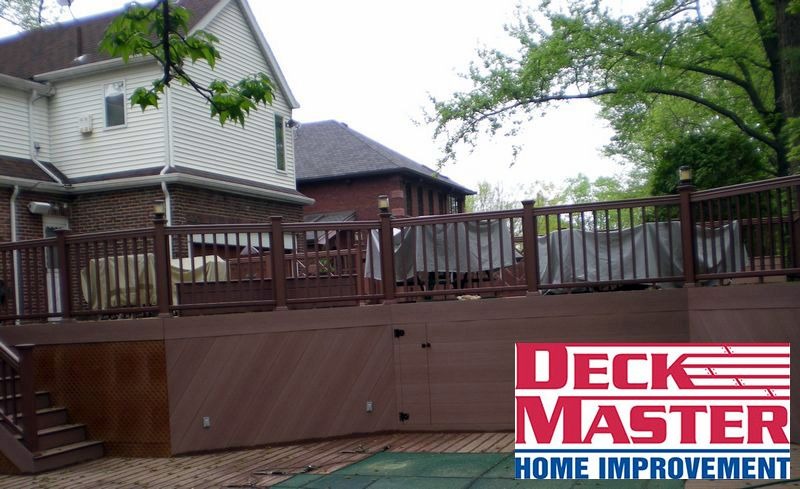
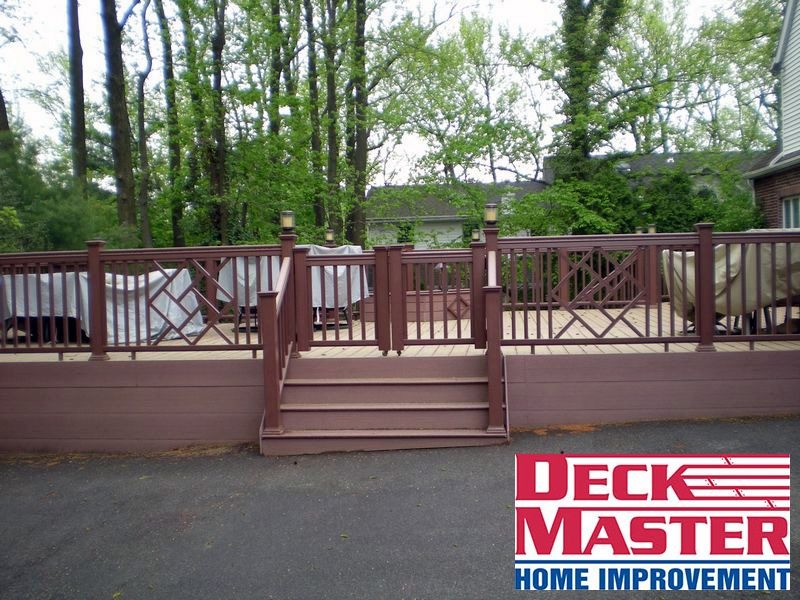
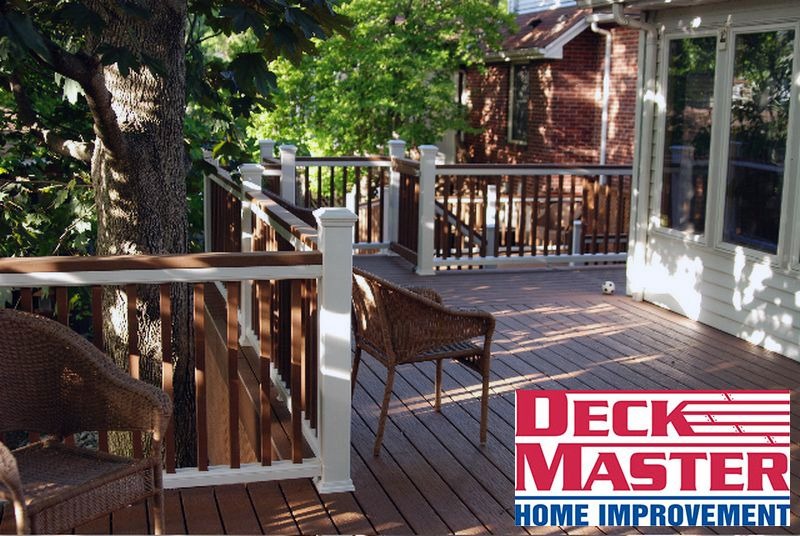
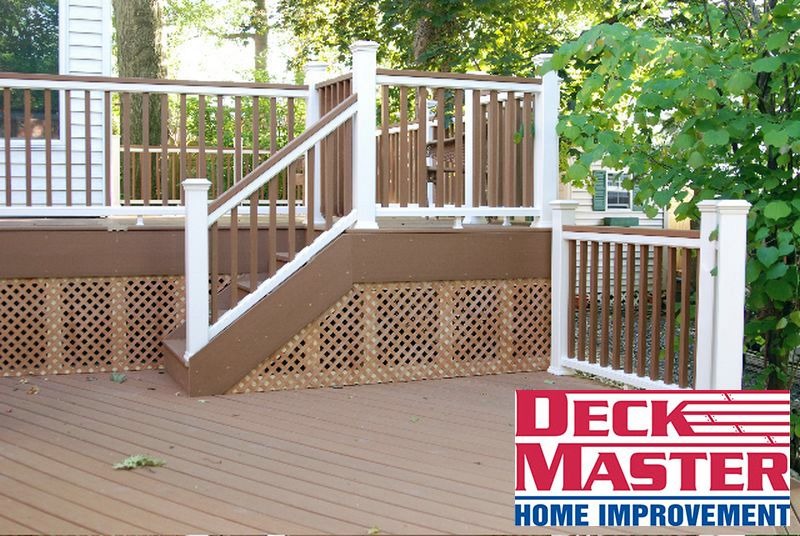
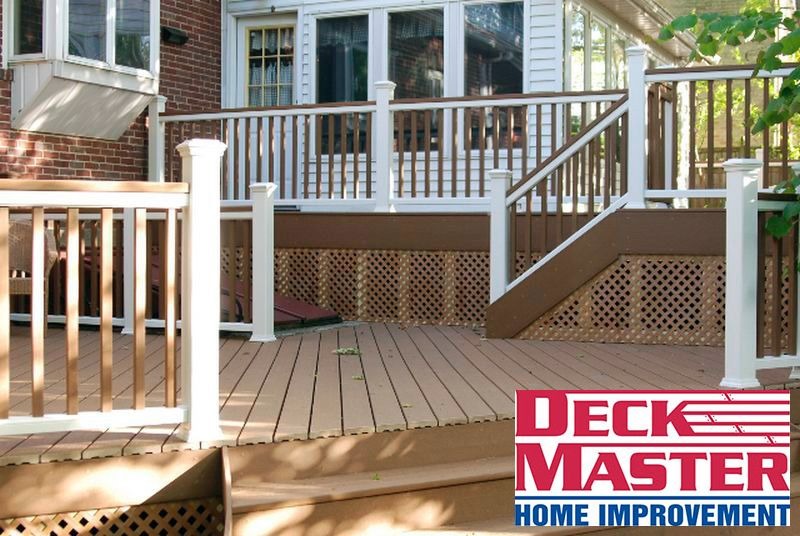
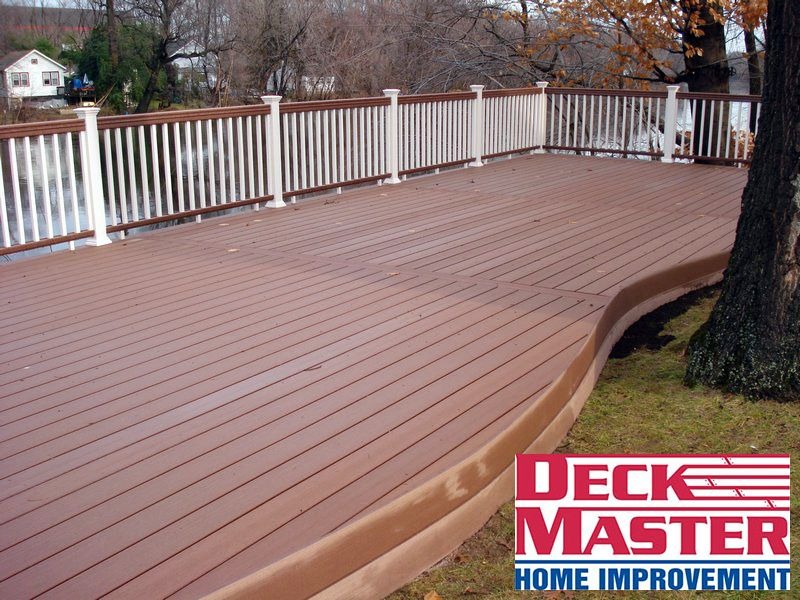
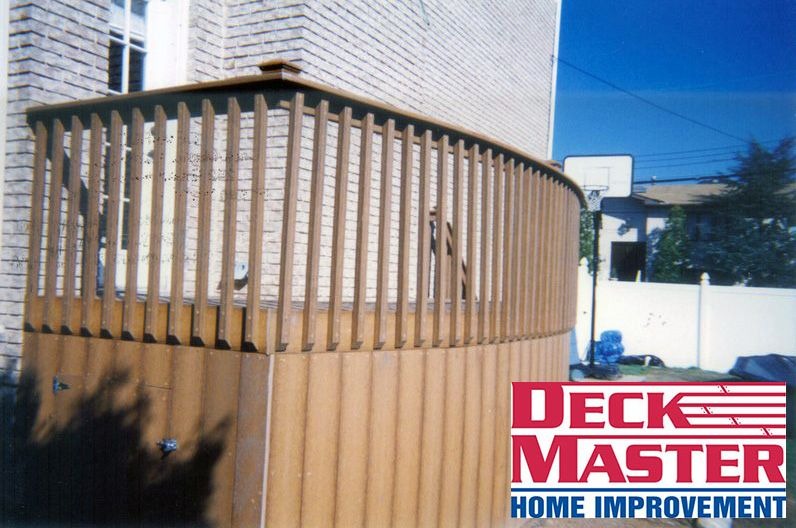
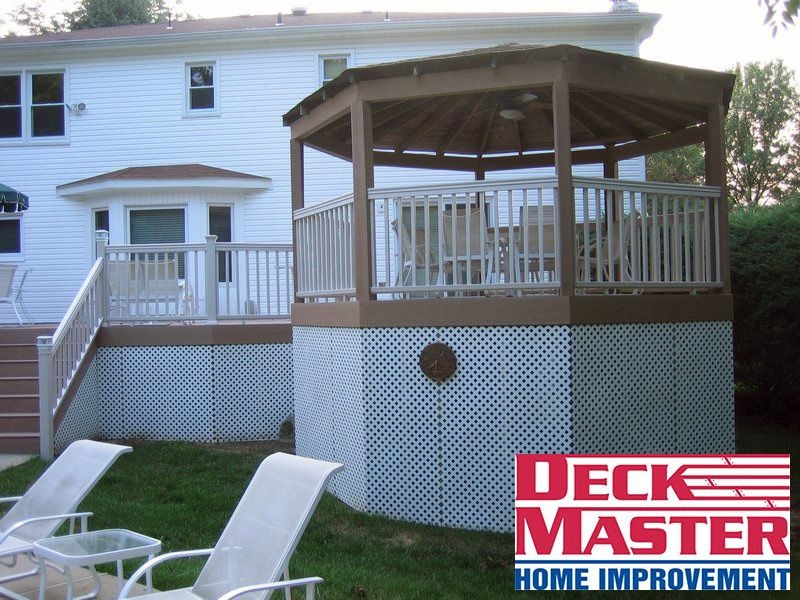
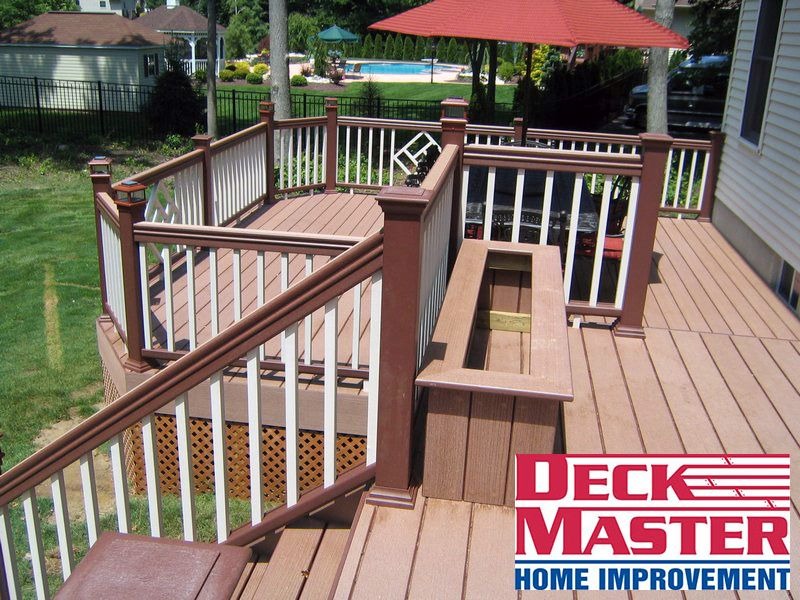
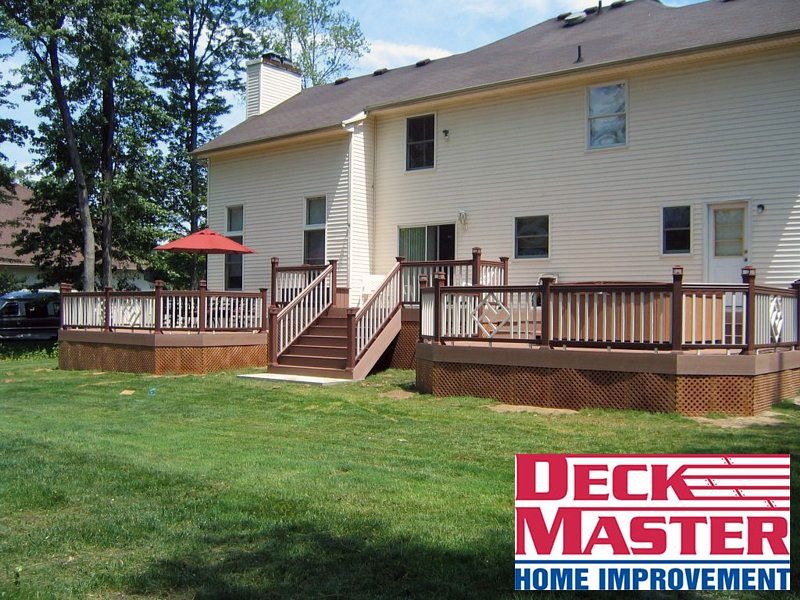
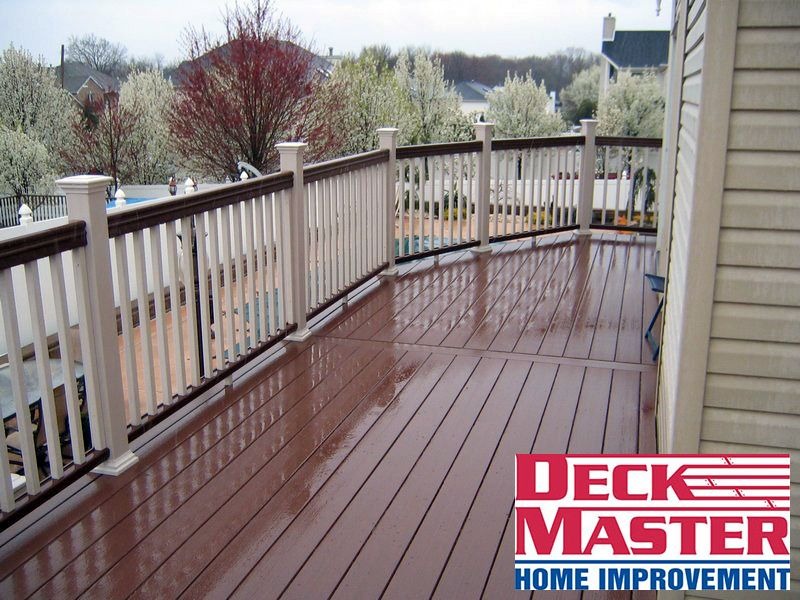
elevated composite decks
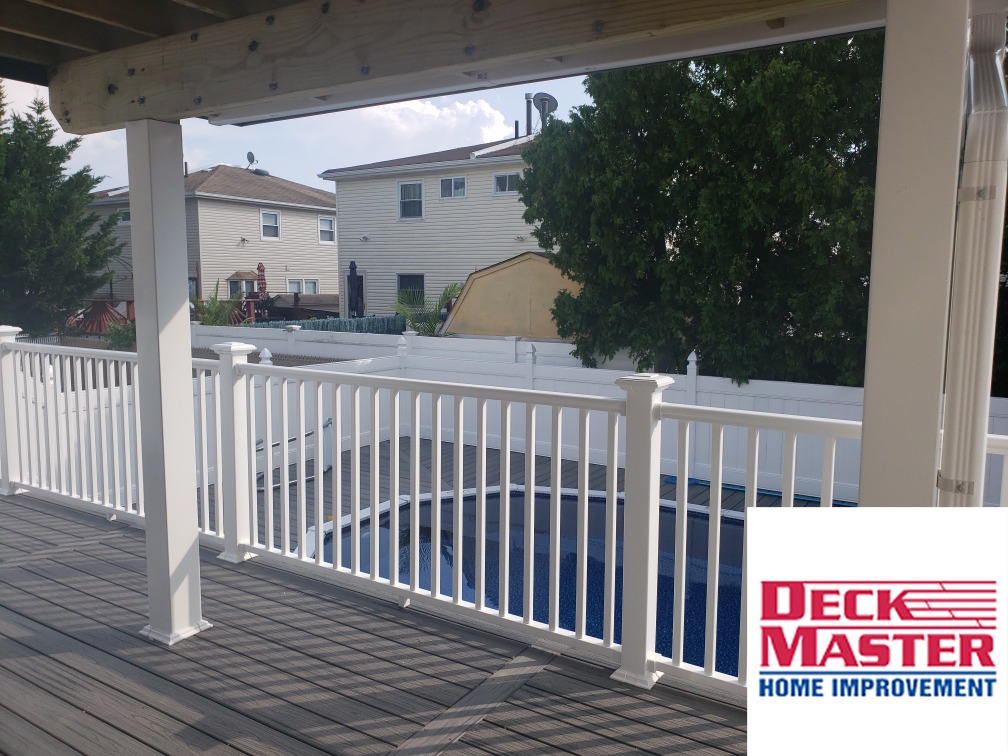
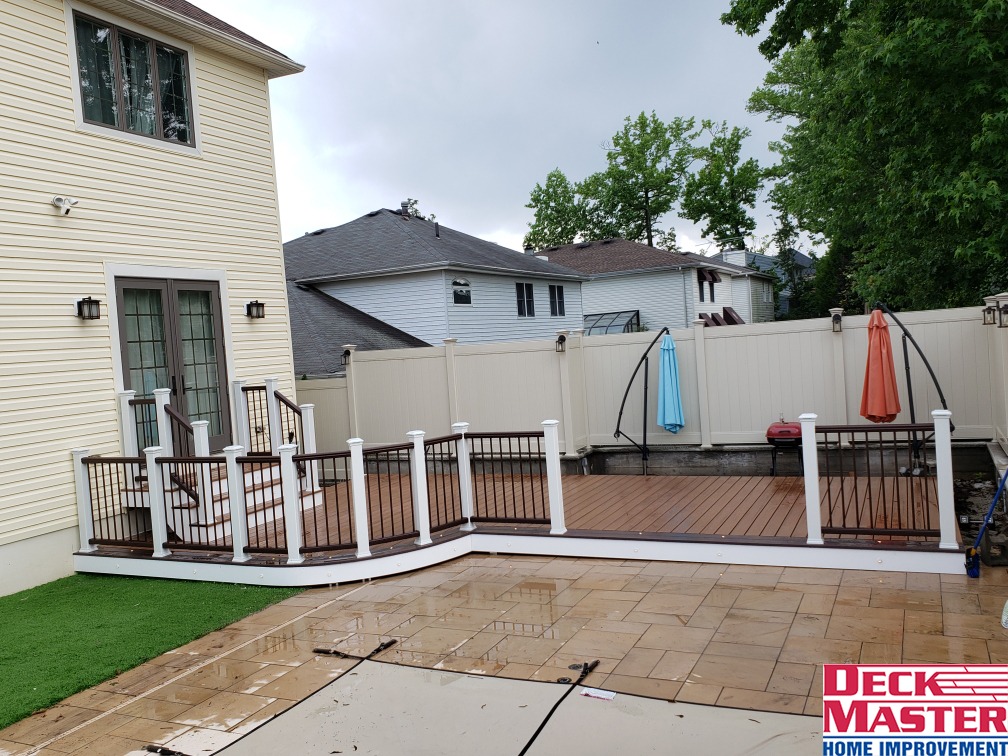
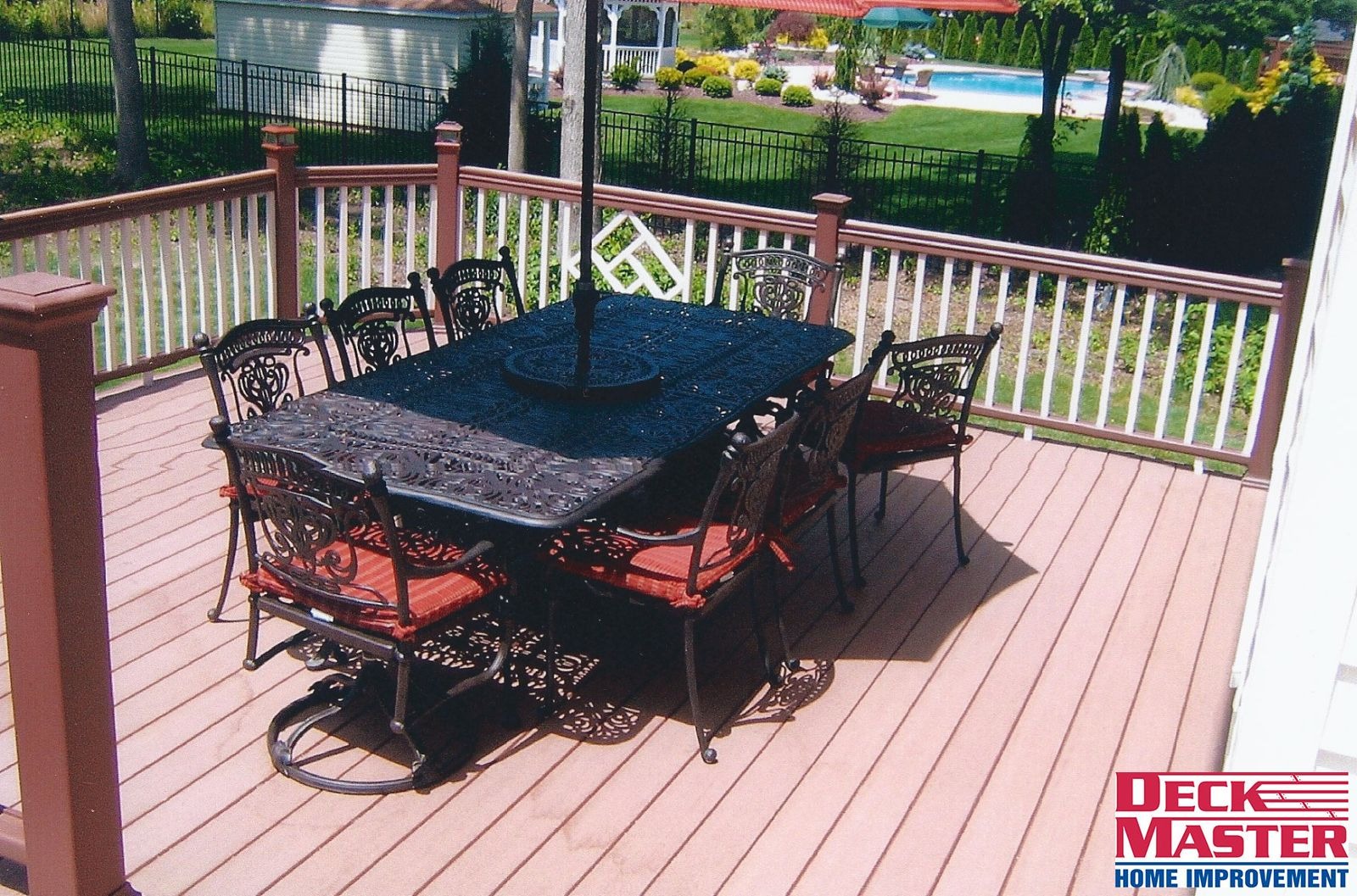
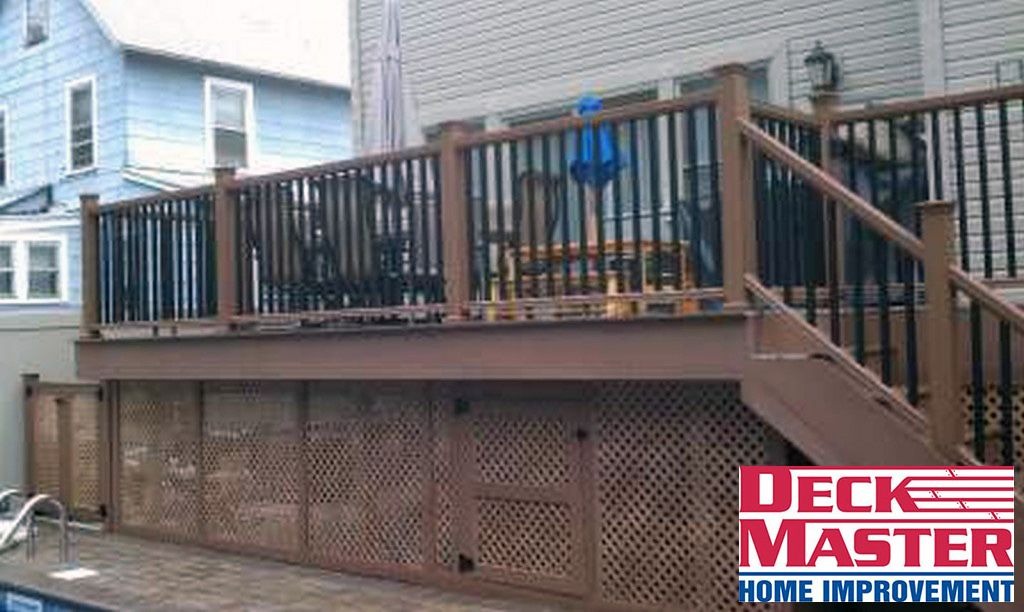
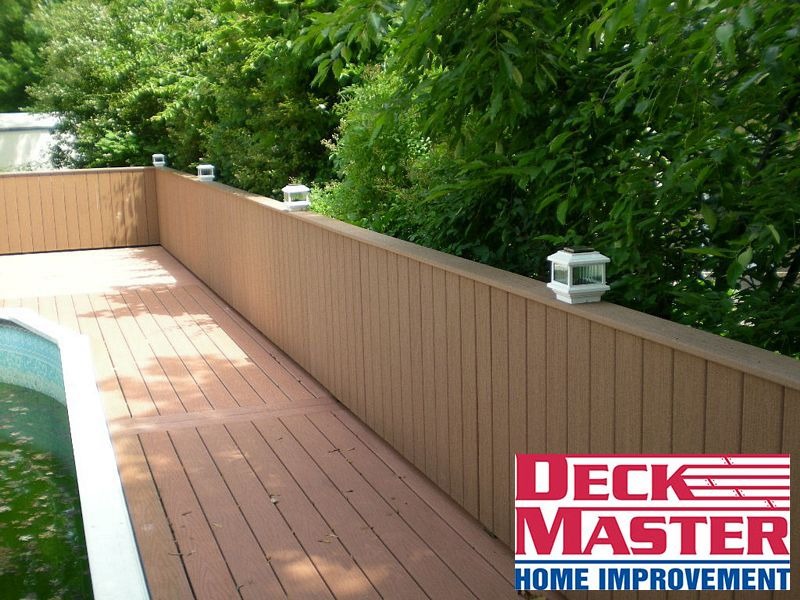
poolside entertainment spaces
large-scale residential developments
custom hardwood installations
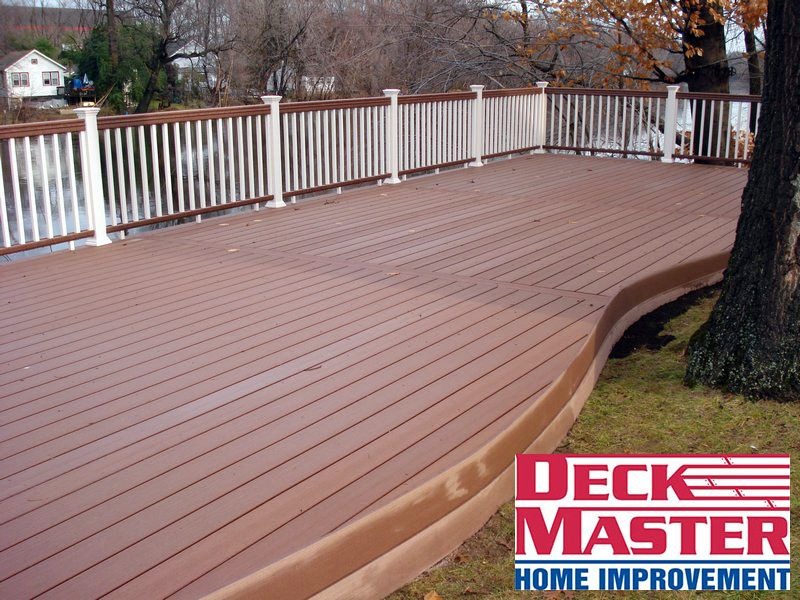
waterfront outdoor builds
Rooftop Deck Projects Require More Than Surface-Level Design
A rooftop deck project in Greenwich Village involved a custom Trex Transcend installation paired with Signature railing systems and coordinated rooftop access planning. Material staging, waterproofing coordination, and structural load distribution became part of the construction process long before decking boards were installed.
Another Manhattan rooftop build used Ipe hardwood for a custom layout overlooking the harbor. Unlike ground-level backyard projects, rooftop construction requires planning around:
structural load limitations
drainage systems
waterproof membrane protection
restricted delivery access
NYC code requirements
wind exposure at elevation
Those conditions directly affect framing methods, fastening systems, and material selection.
Staten Island Properties Create Different Structural Challenges
Backyards throughout Huguenot, Annadale, and Great Kills often deal with uneven grading, moisture-heavy soil, older retaining walls, and elevation changes that can’t be solved using prefabricated deck layouts.
One South Shore homeowner contacted us after sections of their previous wood deck started shifting near the stair landing after repeated winter freeze-thaw cycles. The visible problem looked minor from above, but underneath, moisture exposure and poor drainage had already weakened portions of the framing.
Projects like that change how footing placement, ventilation spacing, and runoff management get planned from the beginning.
Composite, Hardwood, and Waterfront Deck Systems
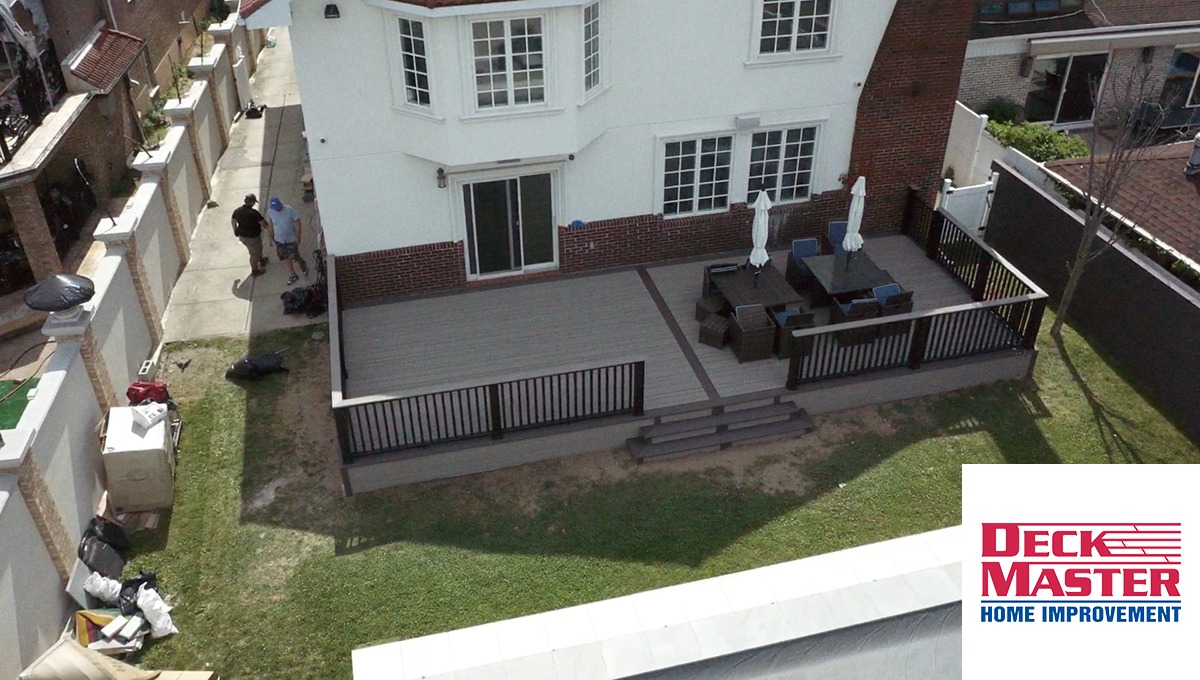
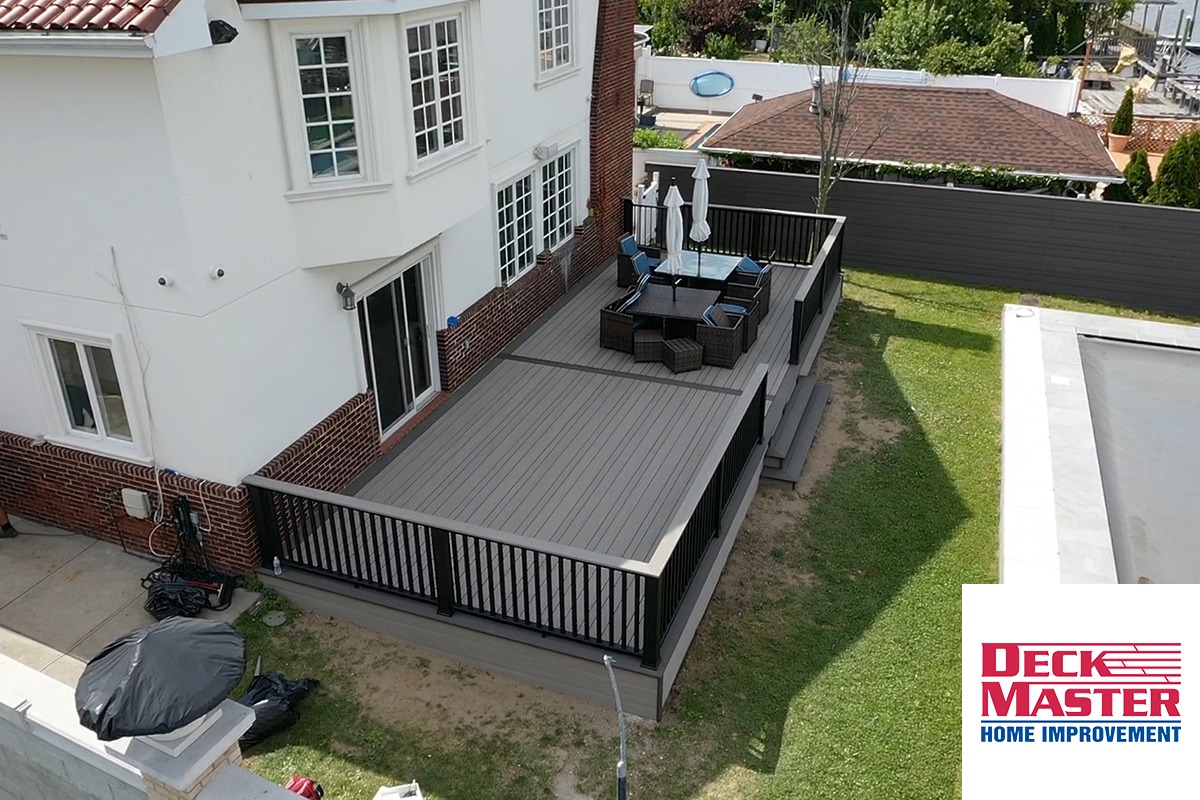
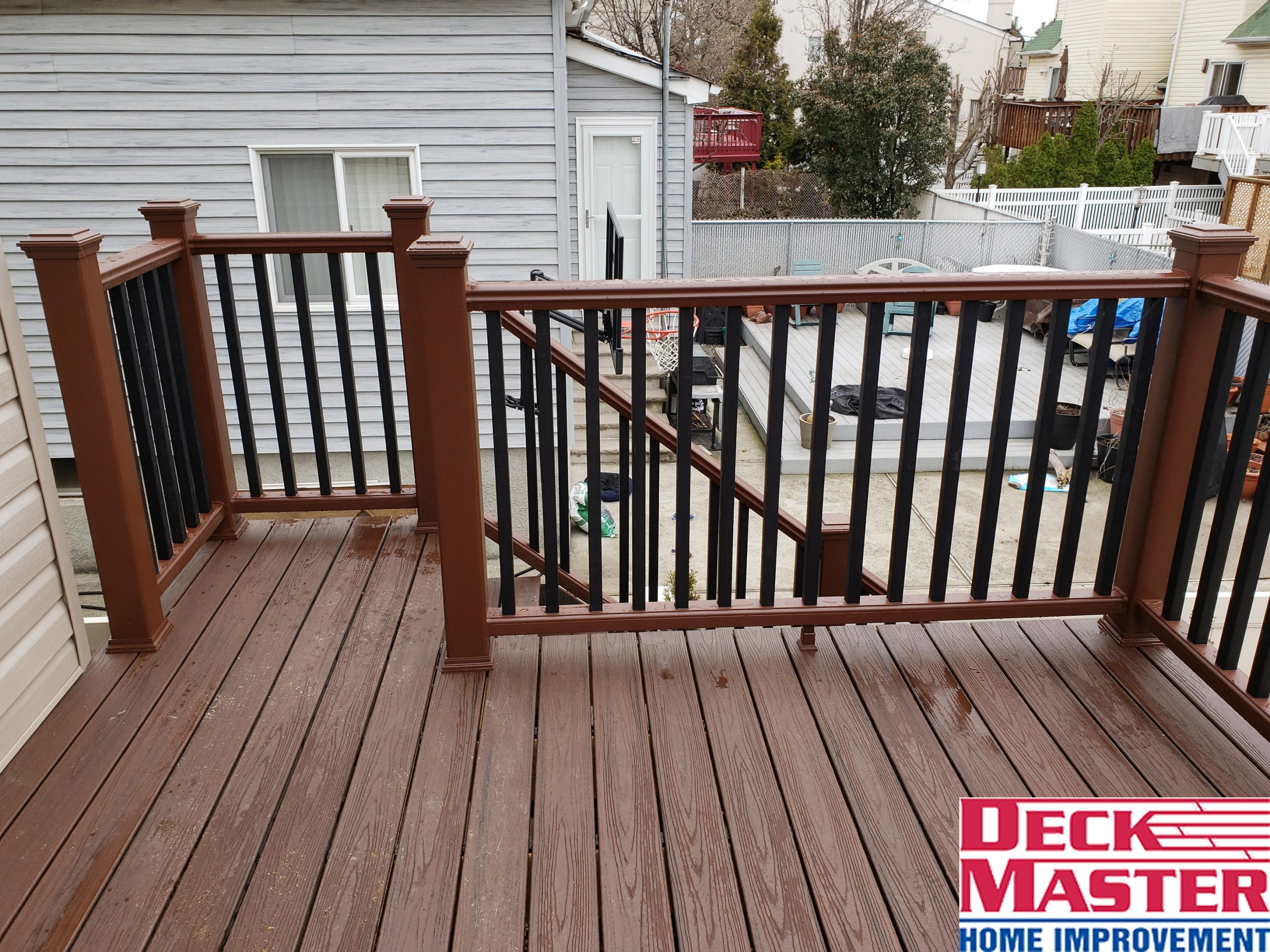
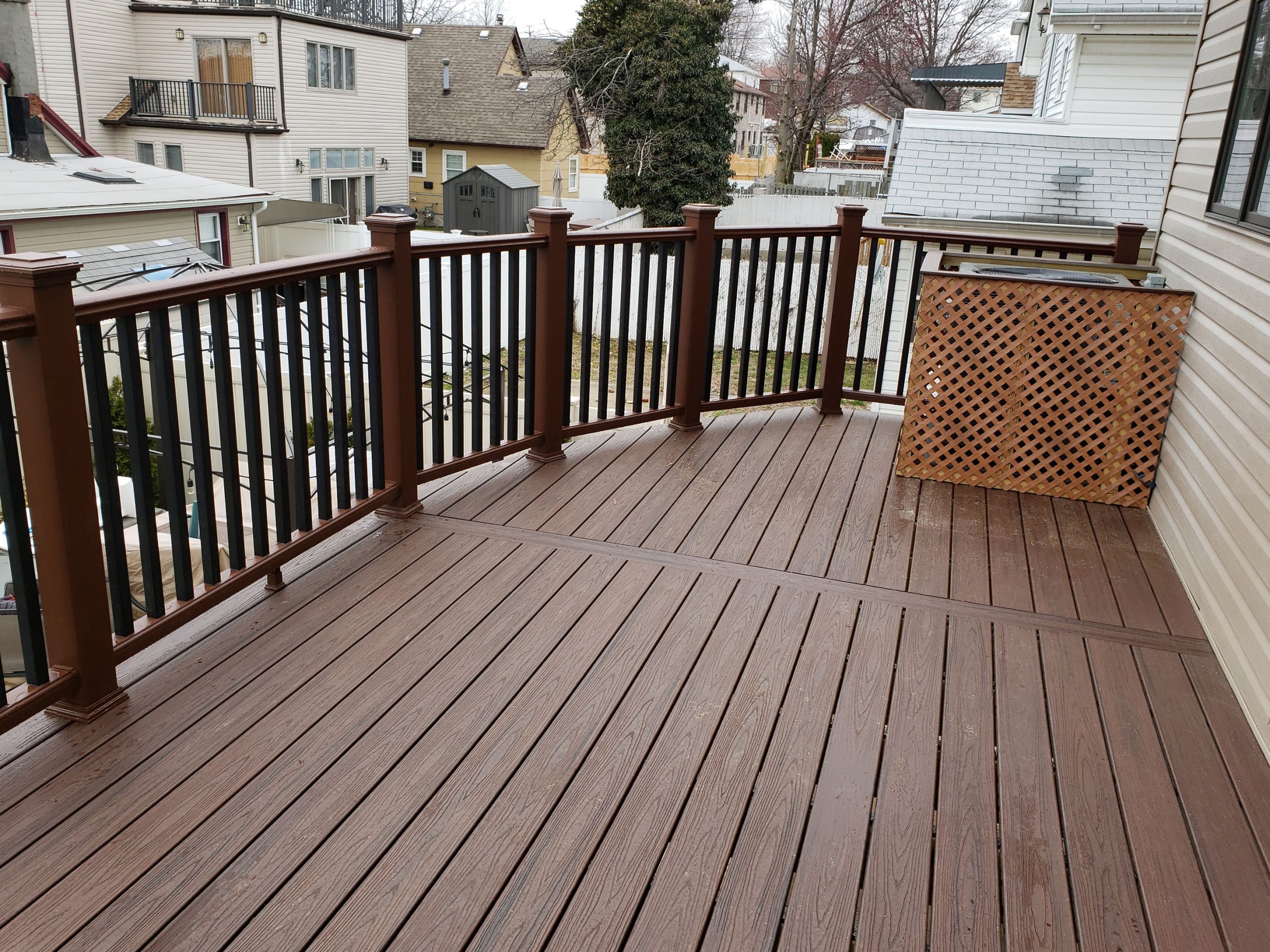
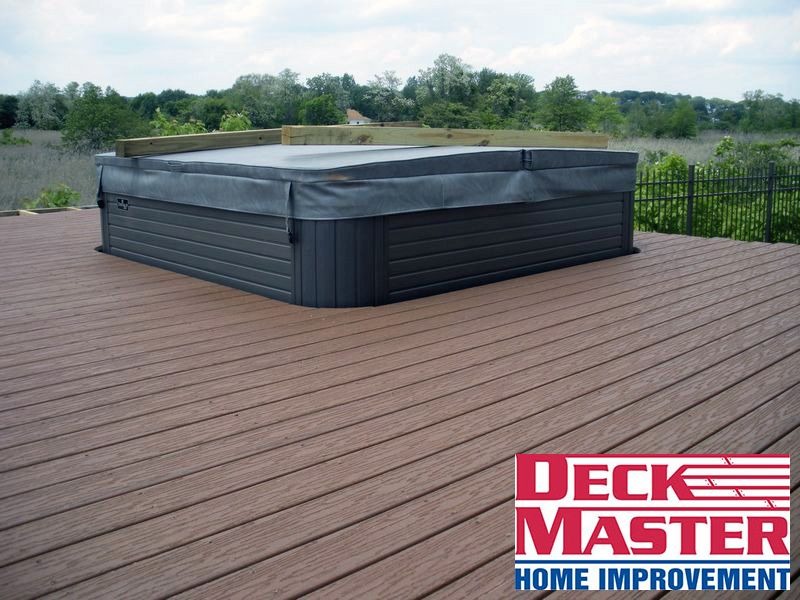
Many waterfront and poolside homeowners move toward composite systems after years of repainting, resealing, and replacing damaged wood boards.
We regularly install:
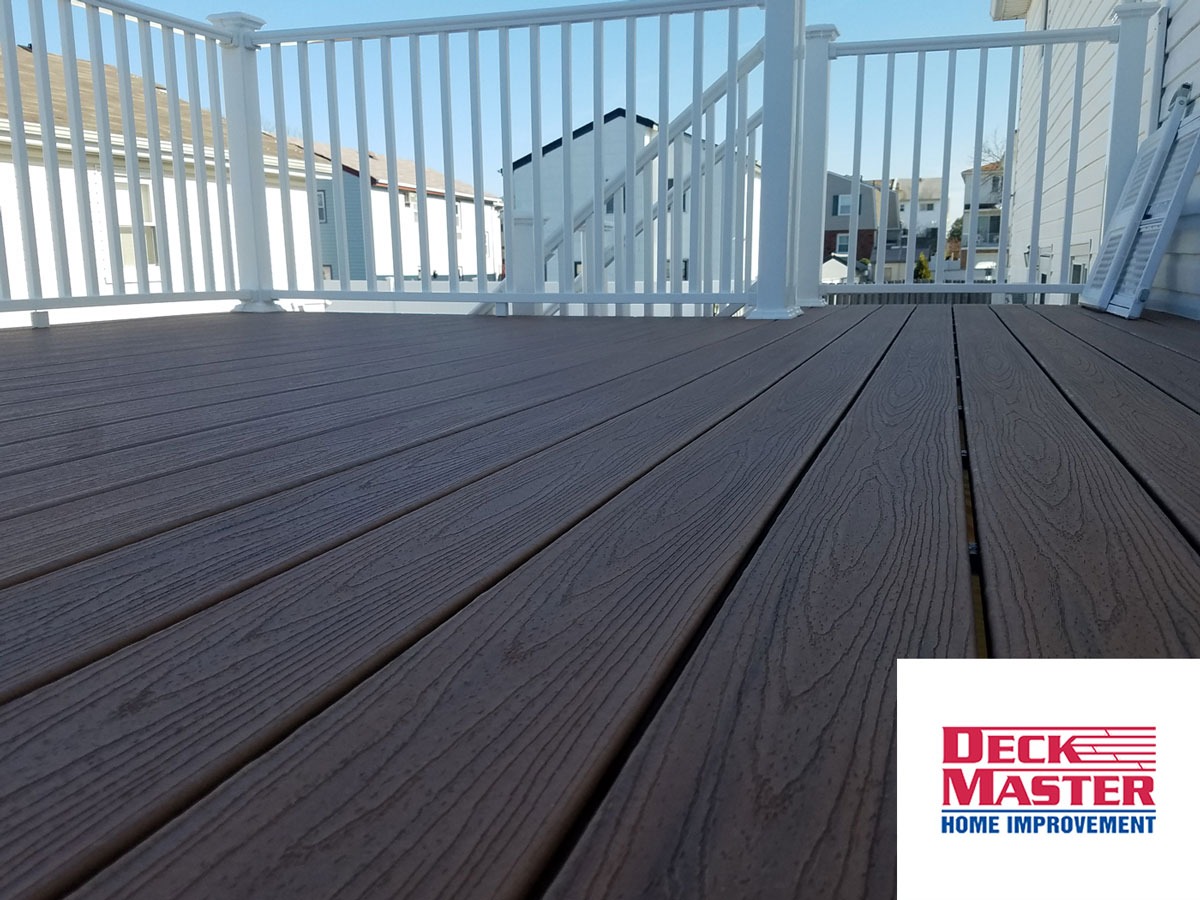
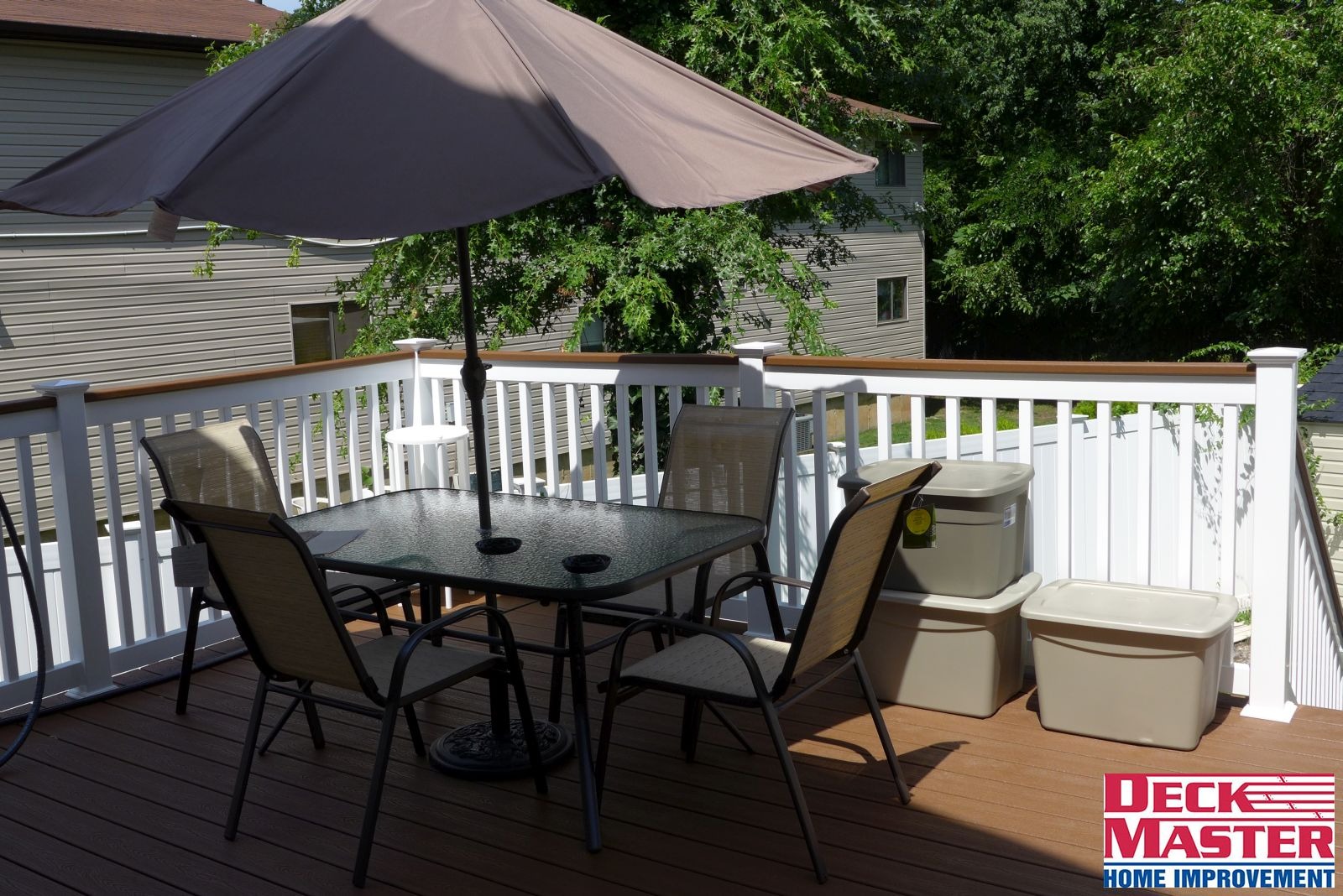
Trex Transcend composite decking
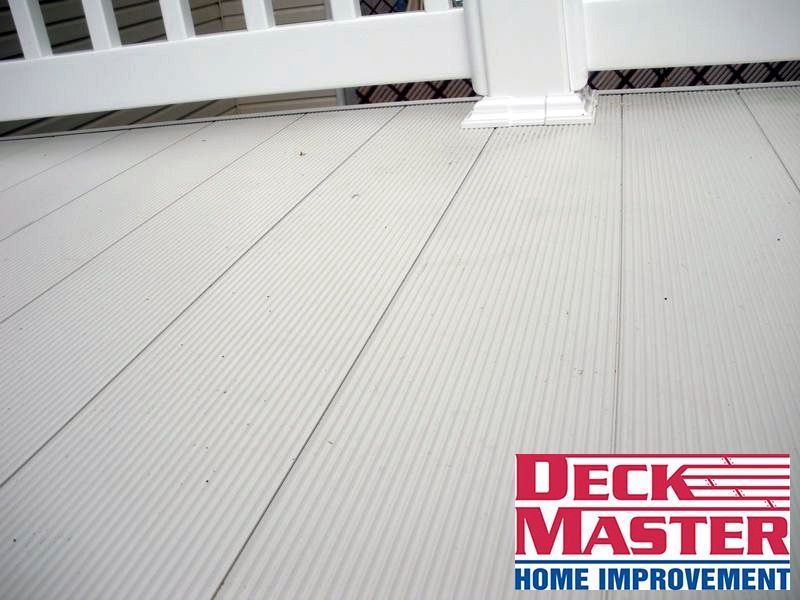
PVC decking systems
Ipe hardwood decking
Hidden fastener systems
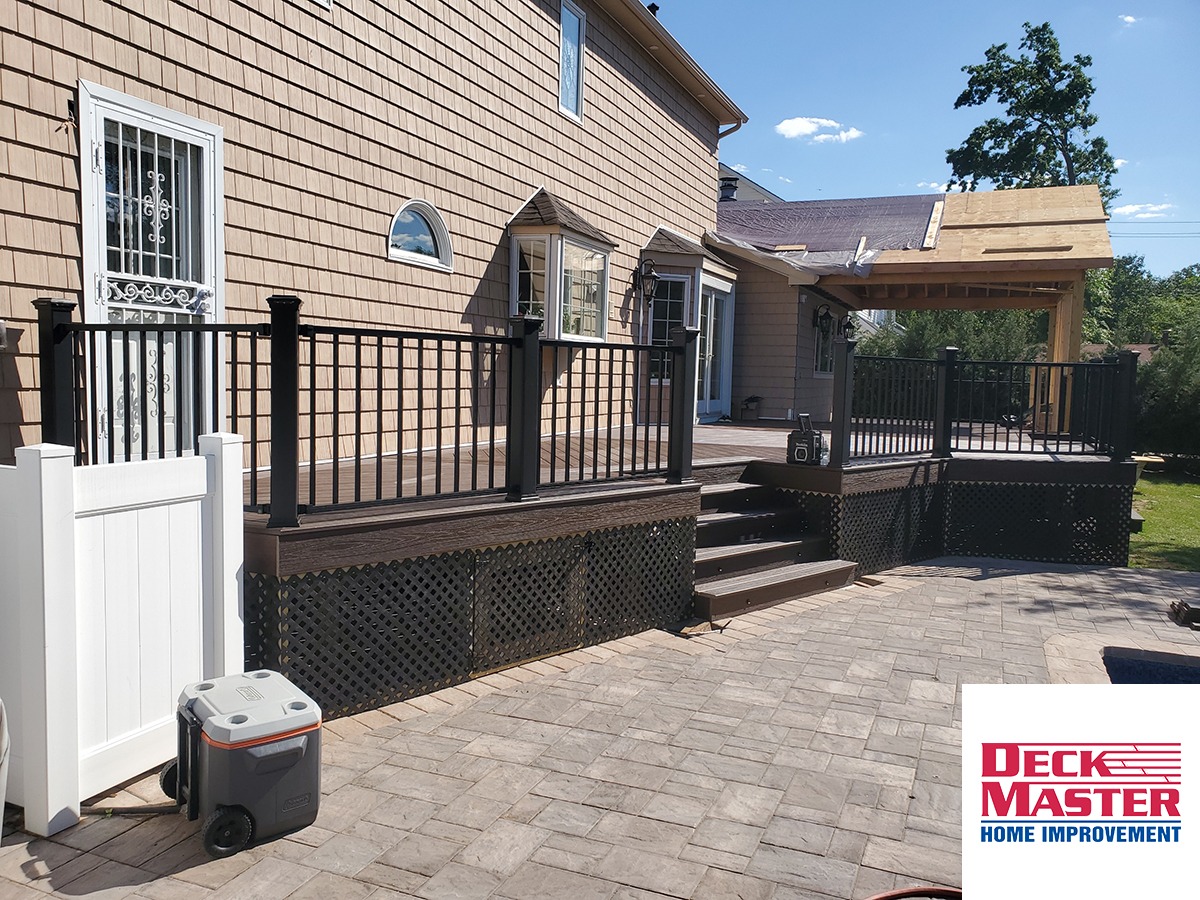
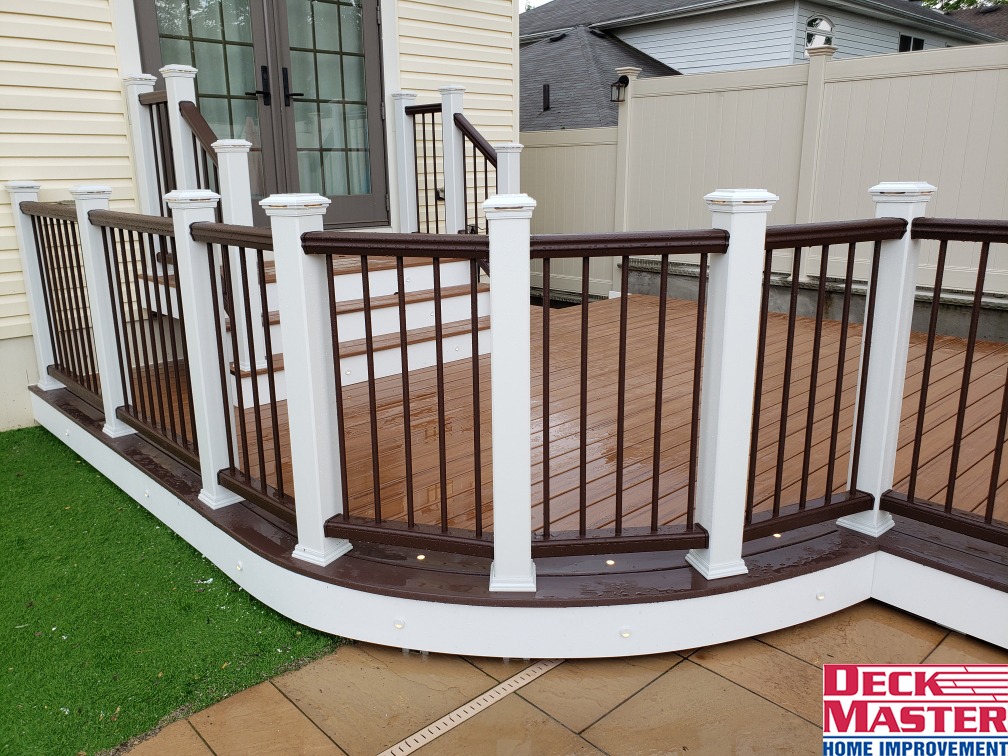
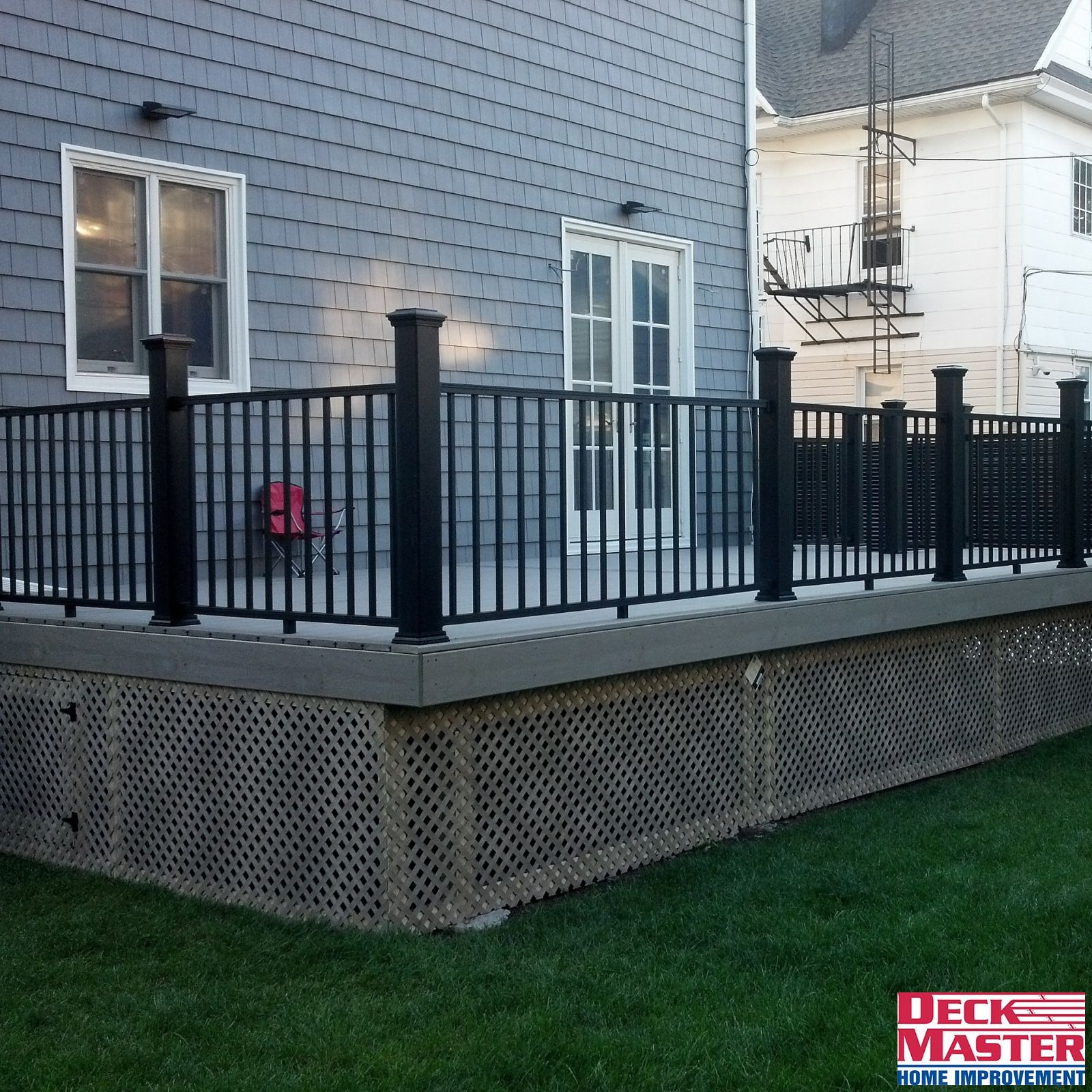
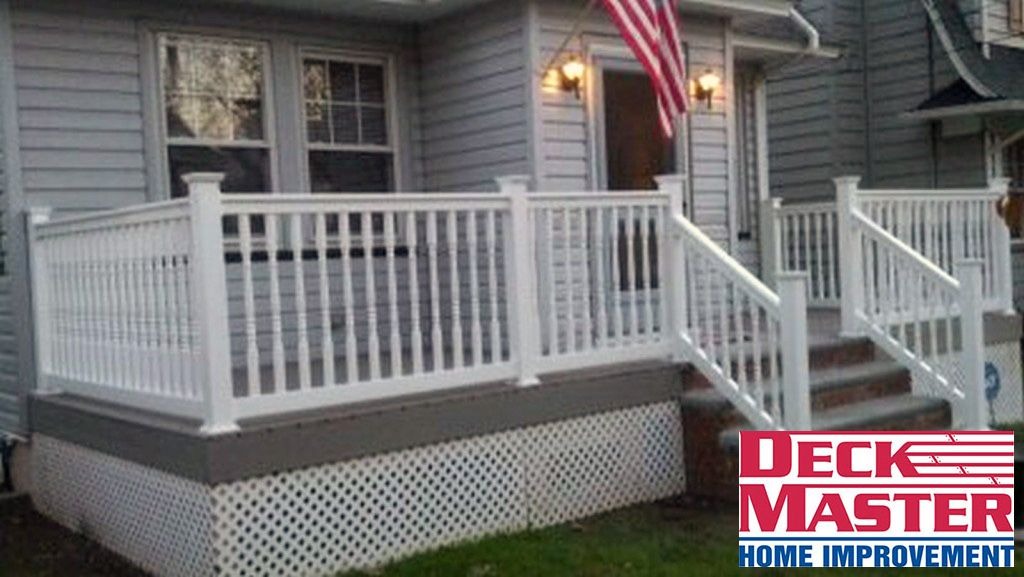
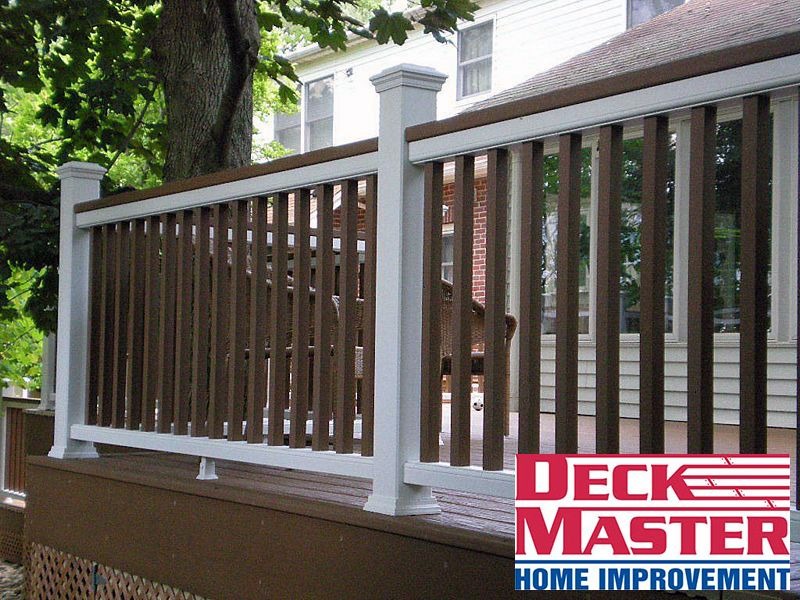
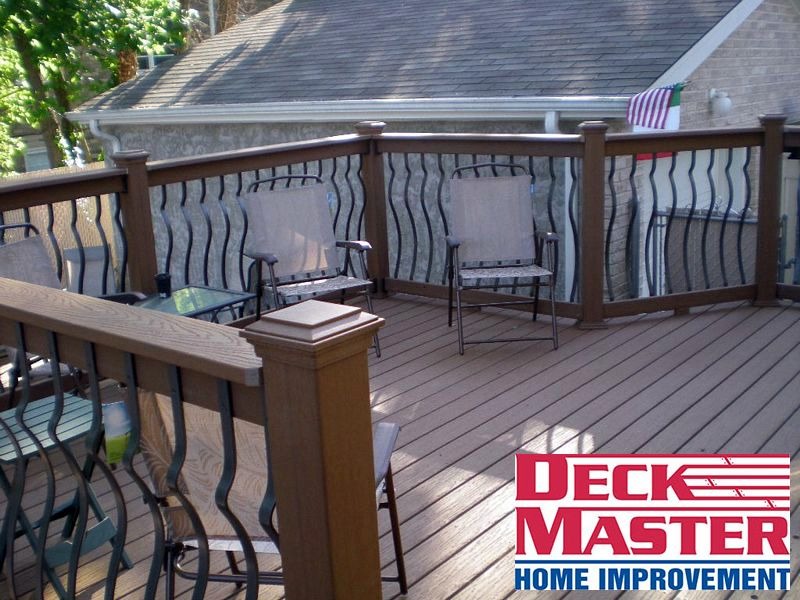
Powder-coated aluminum railings
Pressure-treated structural framing
For homes closer to the shoreline, corrosion resistance becomes part of the conversation early because salt exposure changes hardware lifespan dramatically over time.
Outdoor Spaces Built Around Real Usage Patterns
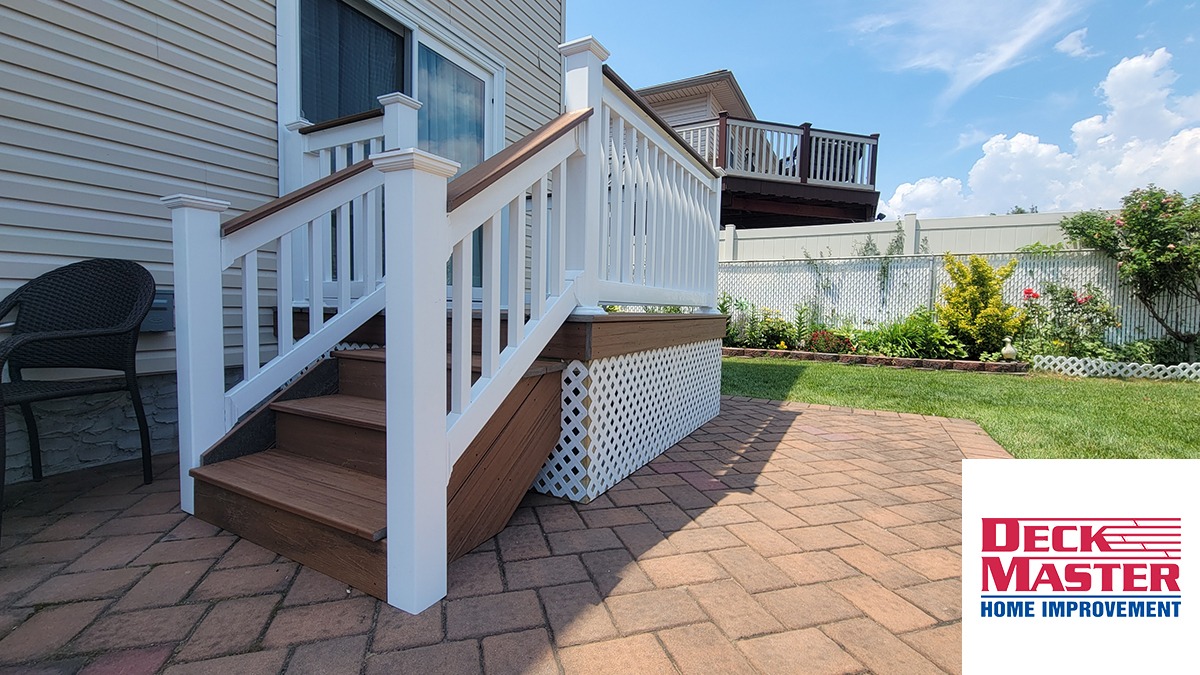
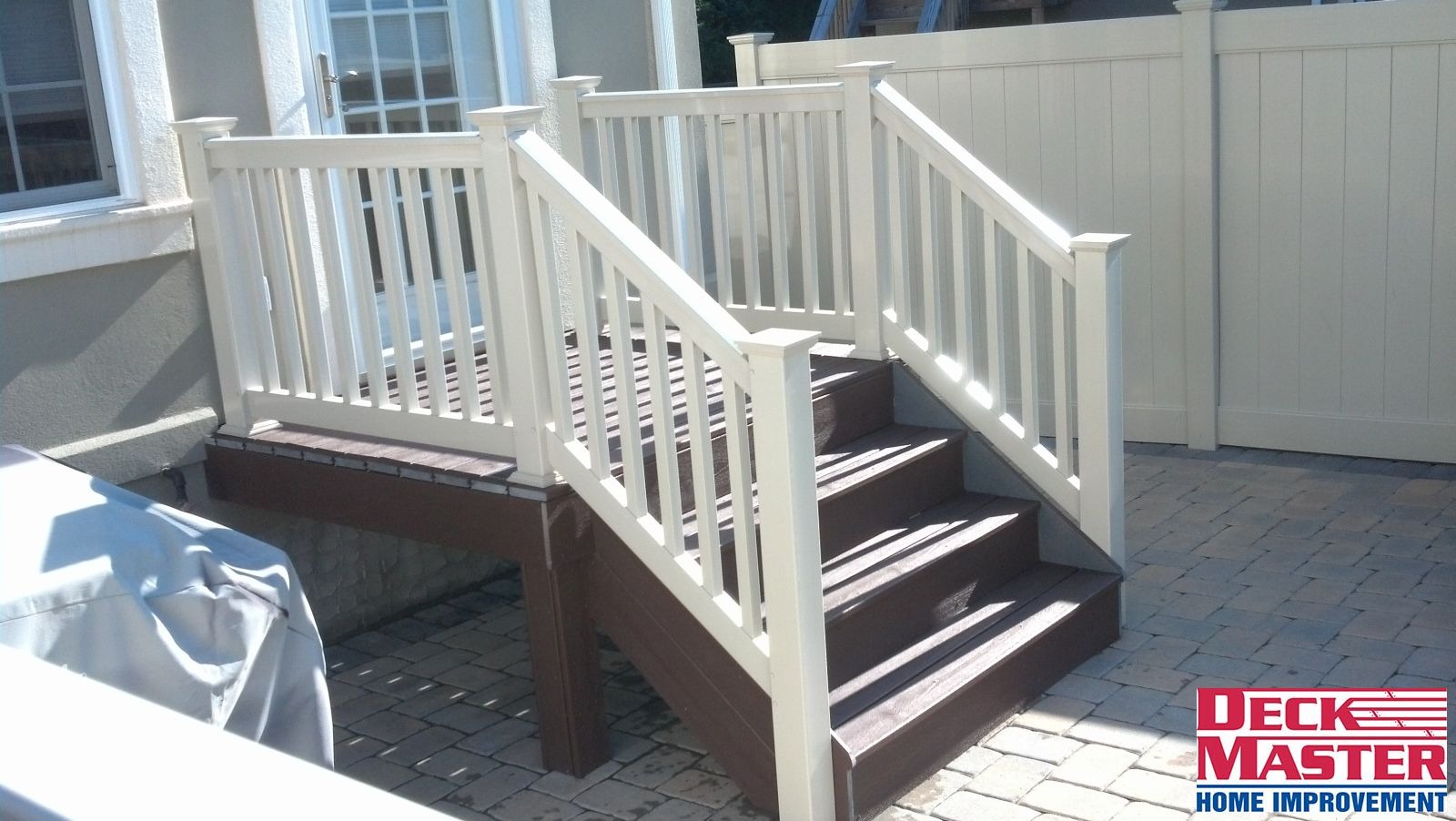
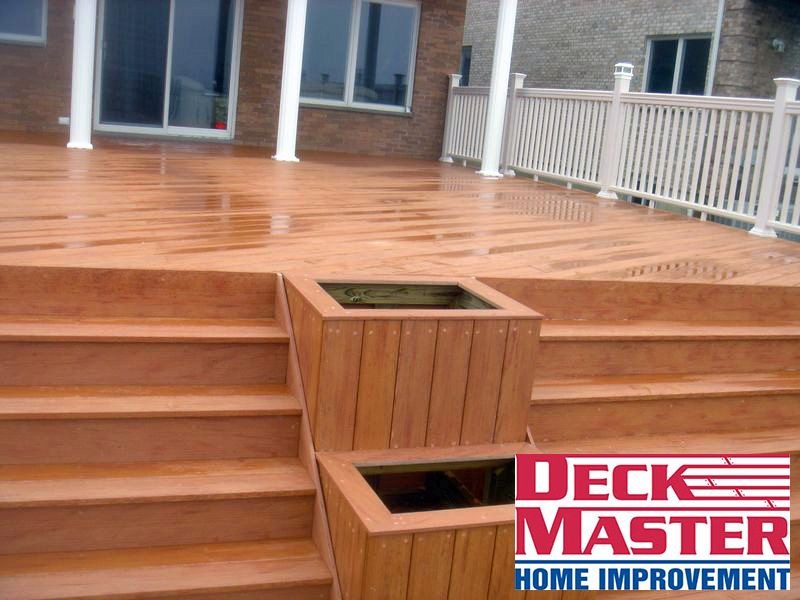
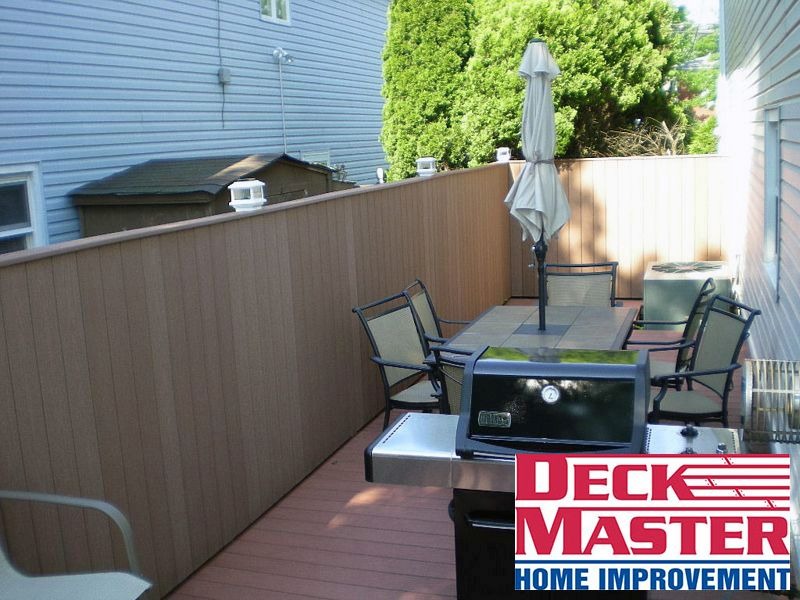
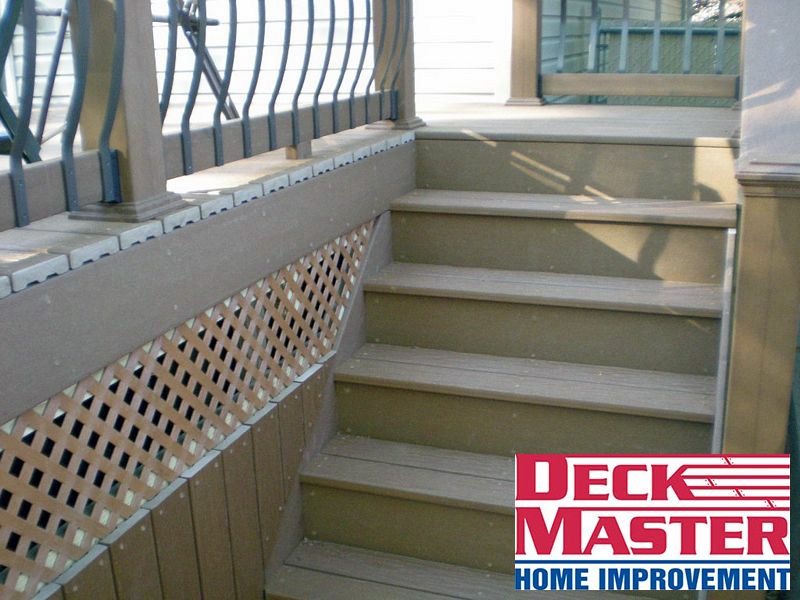
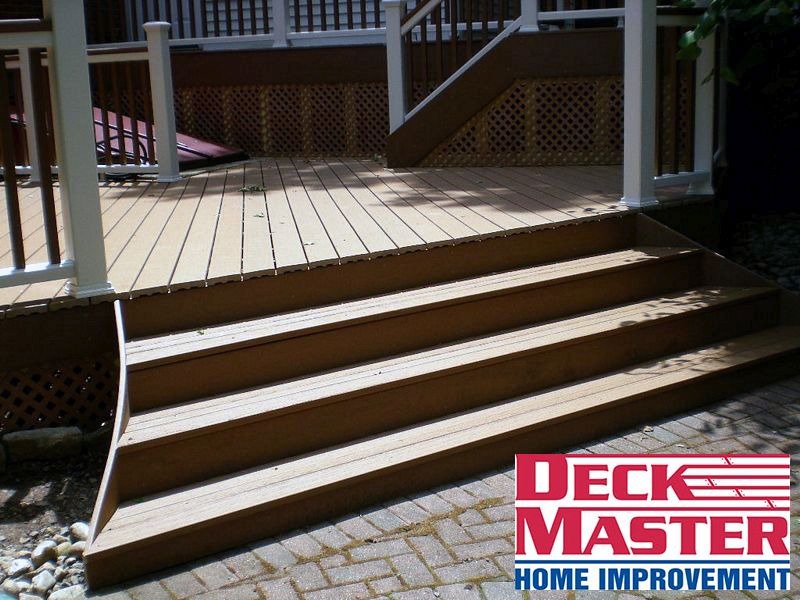
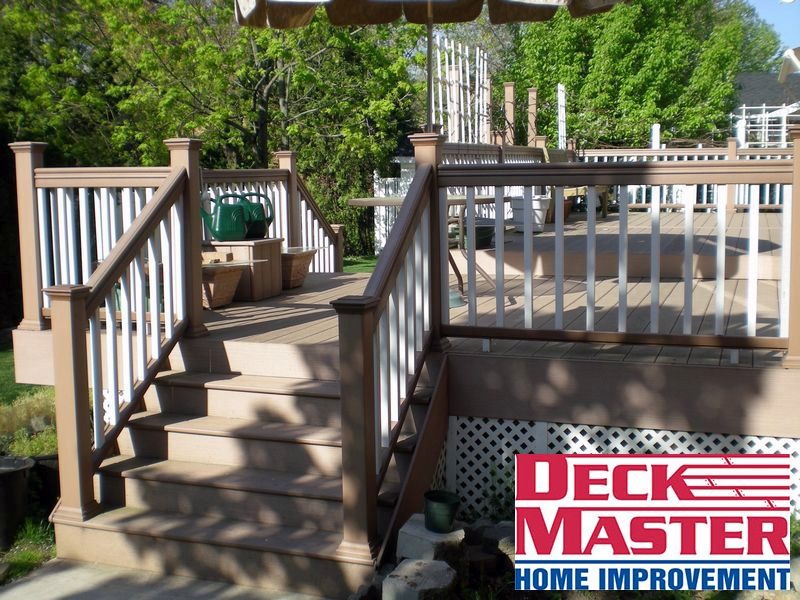
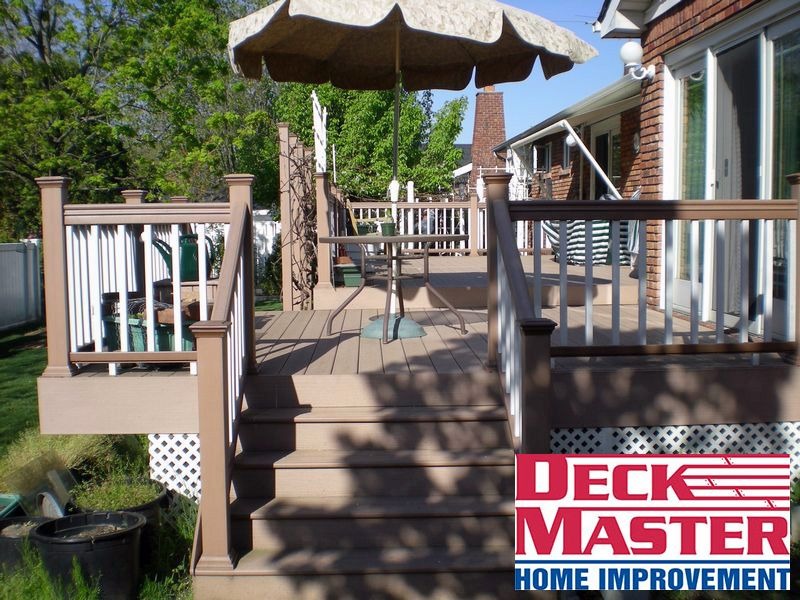
One homeowner in Tottenville widened the stair system on their new deck after years of guests bottlenecking near a narrow side entrance during summer gatherings. Another project added integrated privacy screening after neighboring second-story additions overlooked the entertaining space.
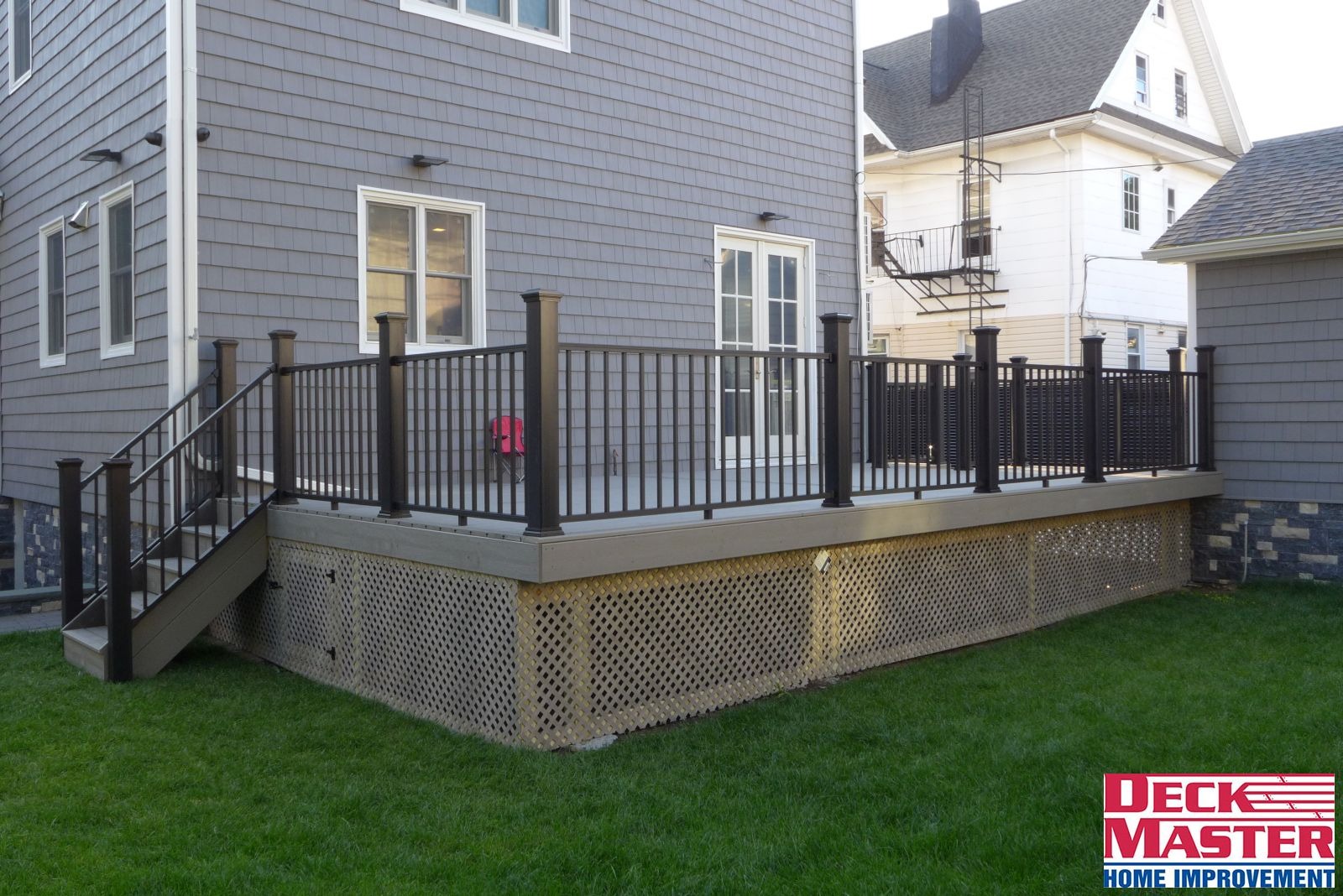
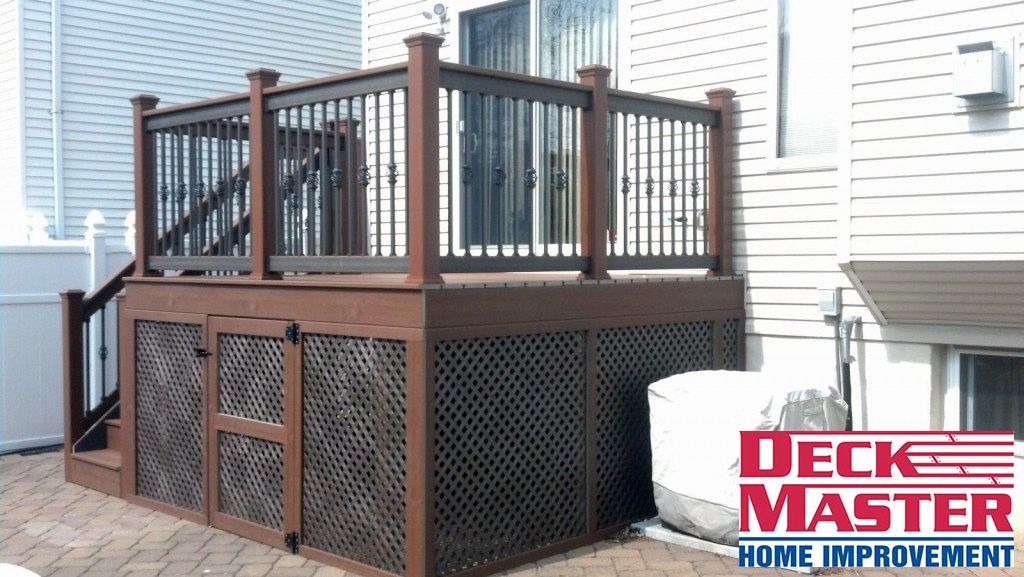
Those details shape the final design more than trend-based layouts.
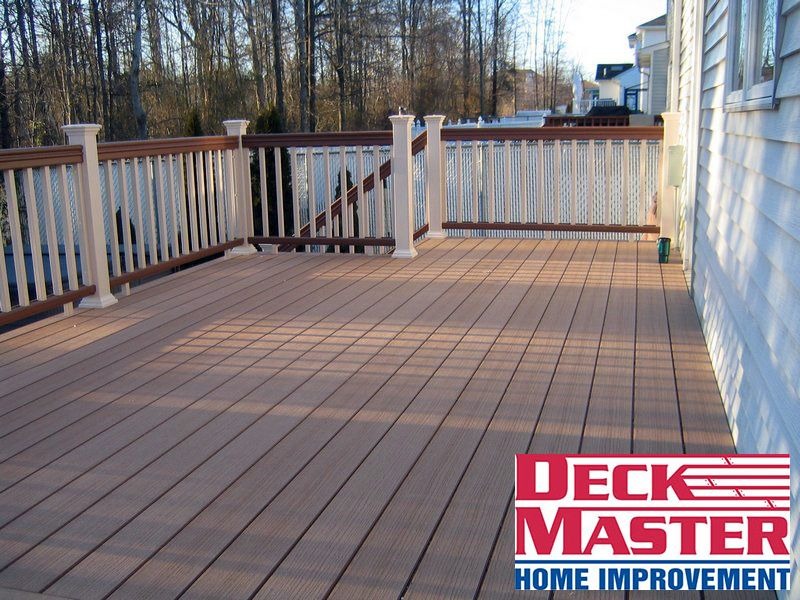
Depending on the property, projects may include:
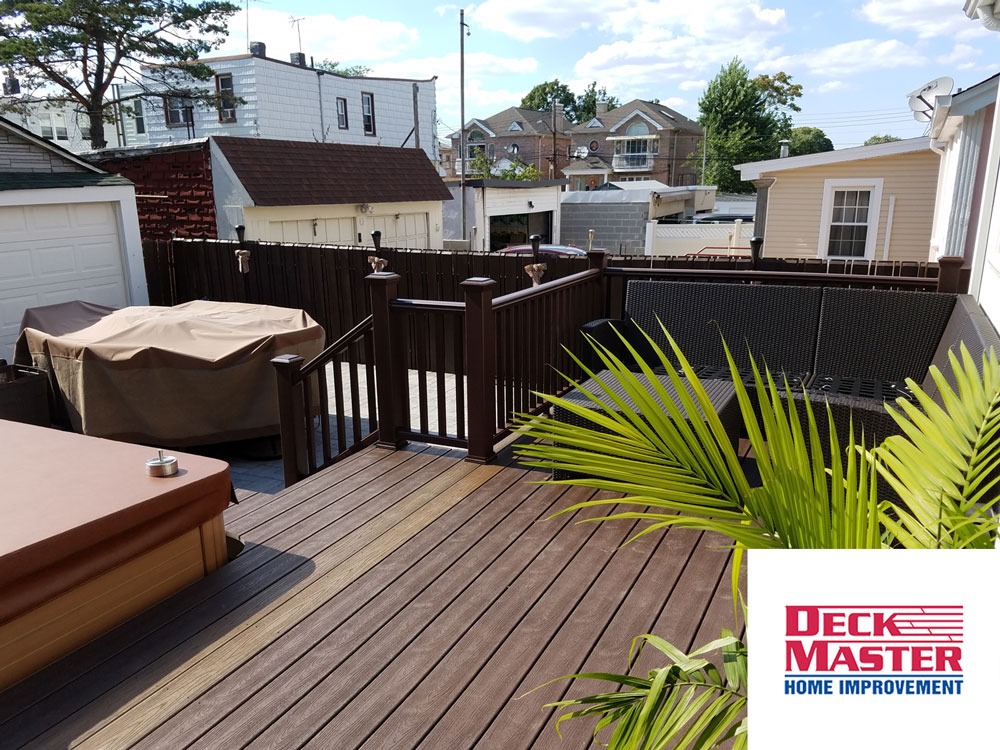
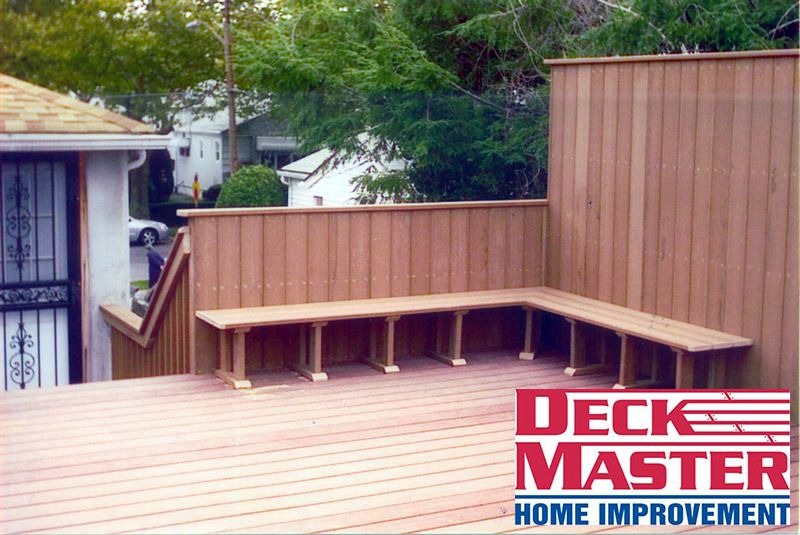
built-in perimeter seating
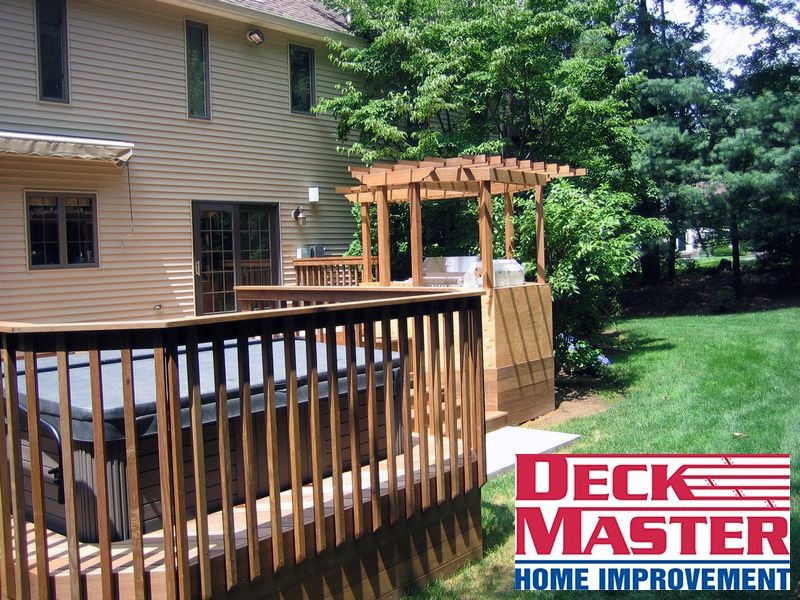
pergolas
outdoor kitchens
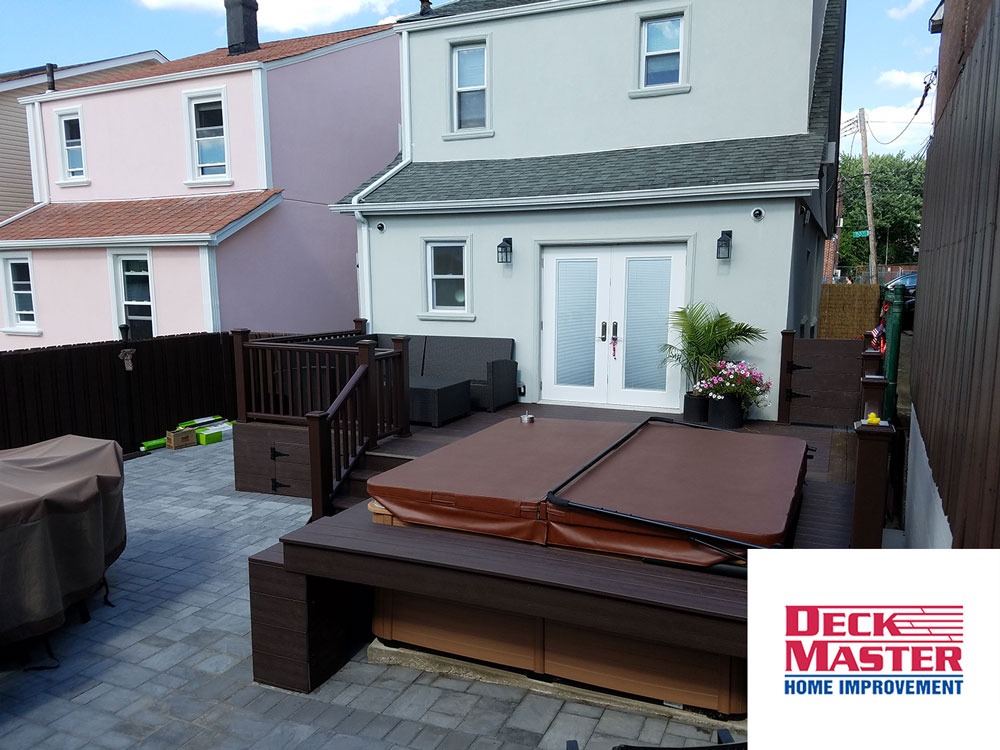
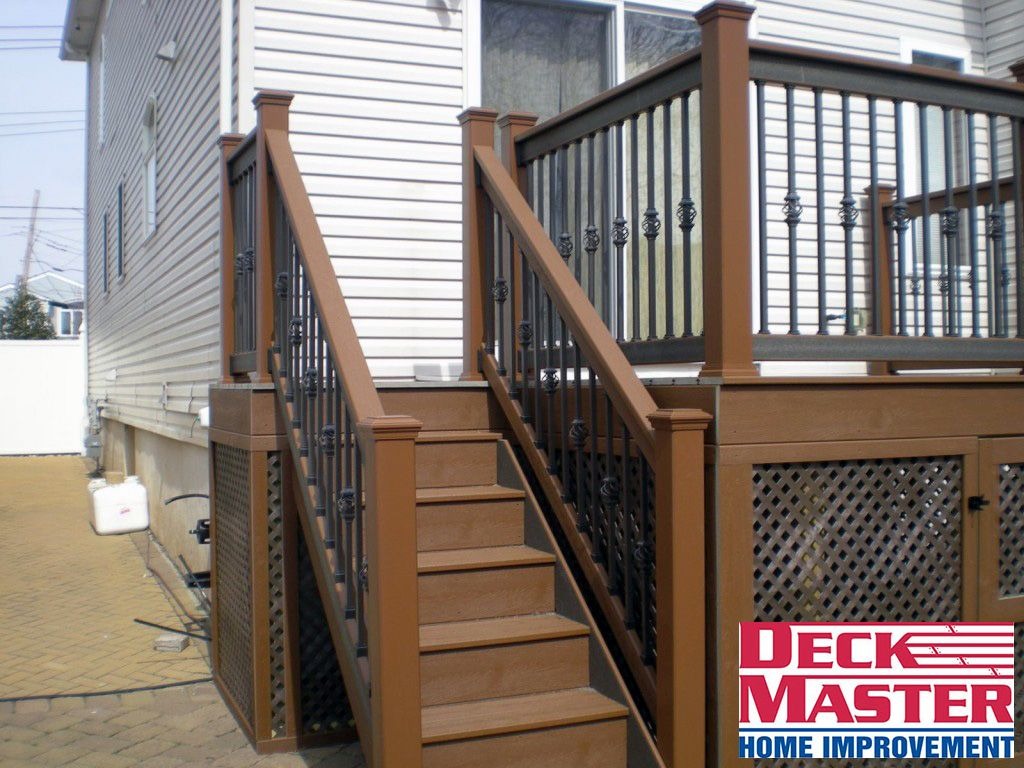
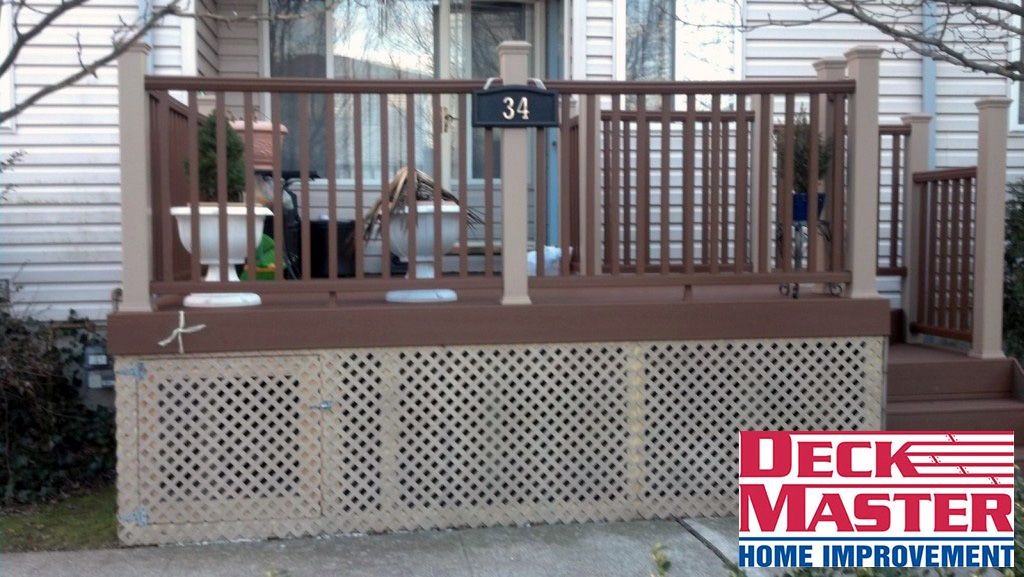
under-deck storage
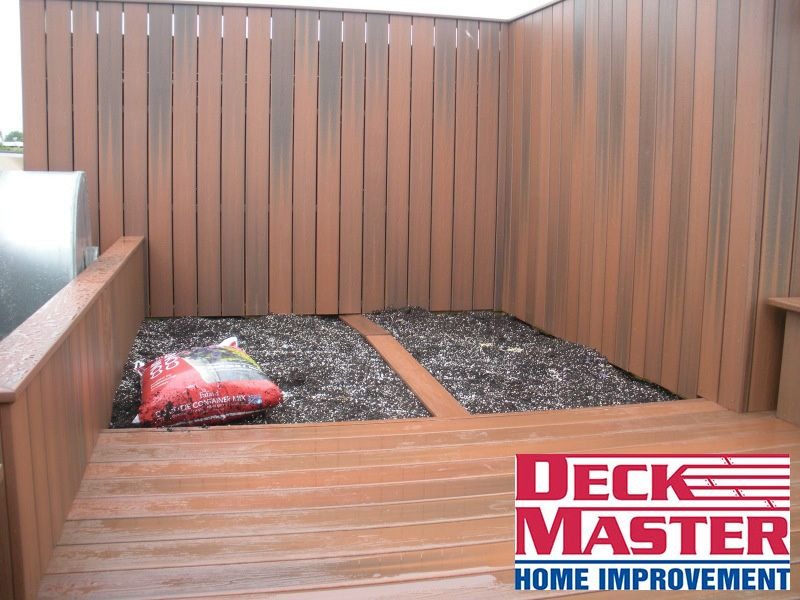
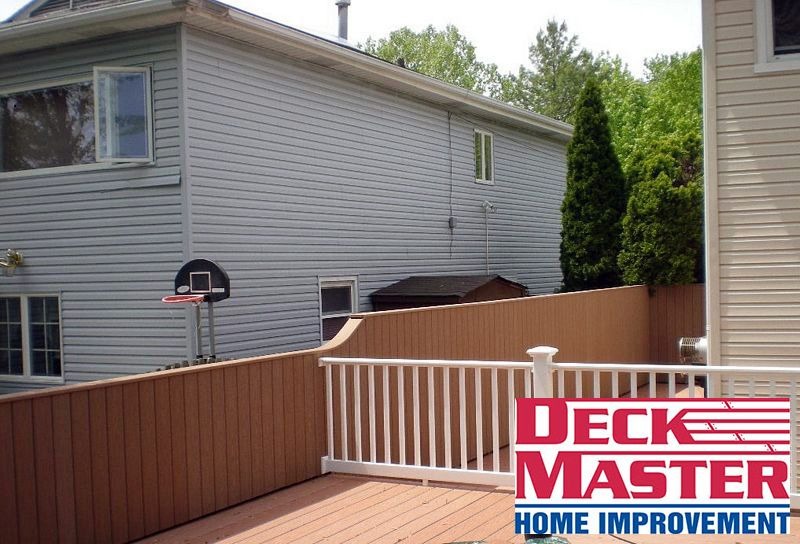
privacy partitions
integrated deck lighting
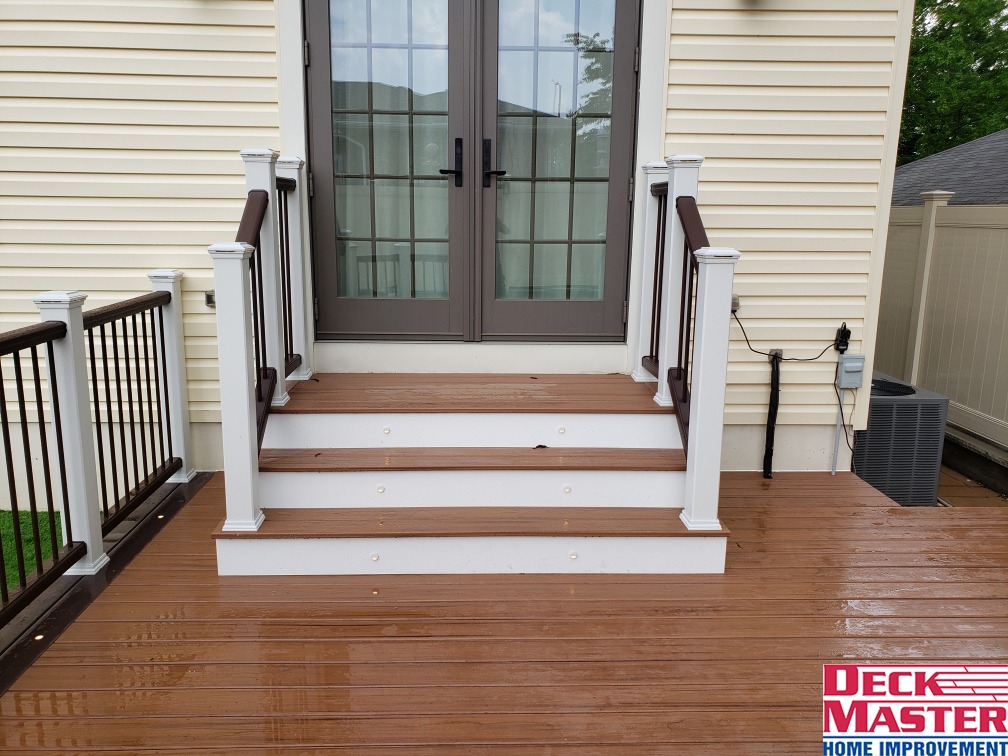
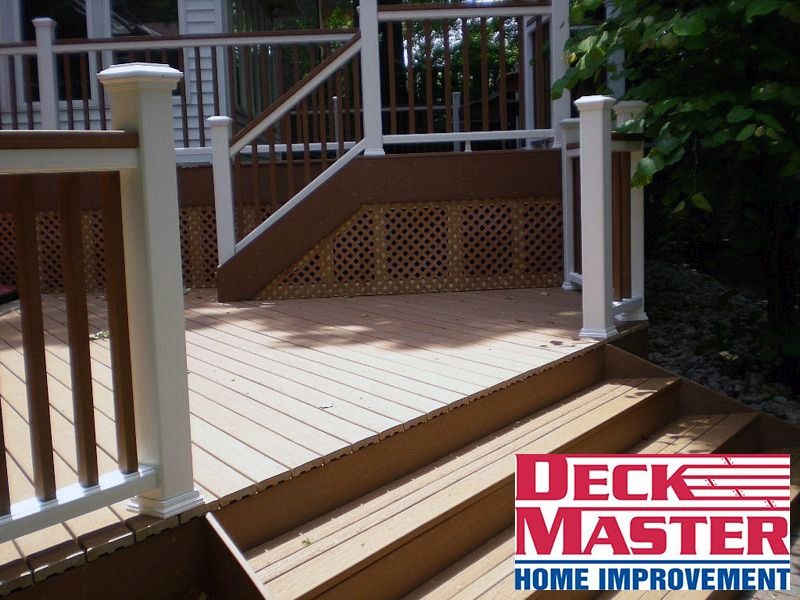
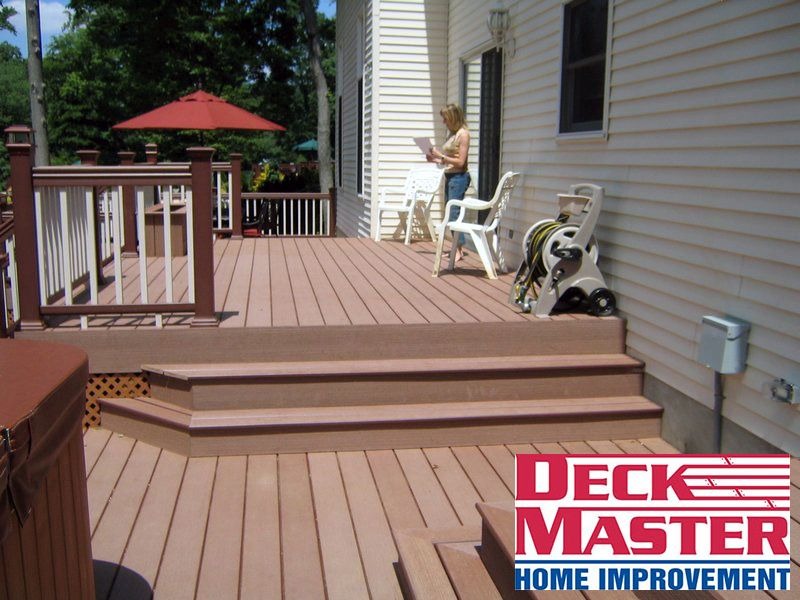
multi-point access stairs
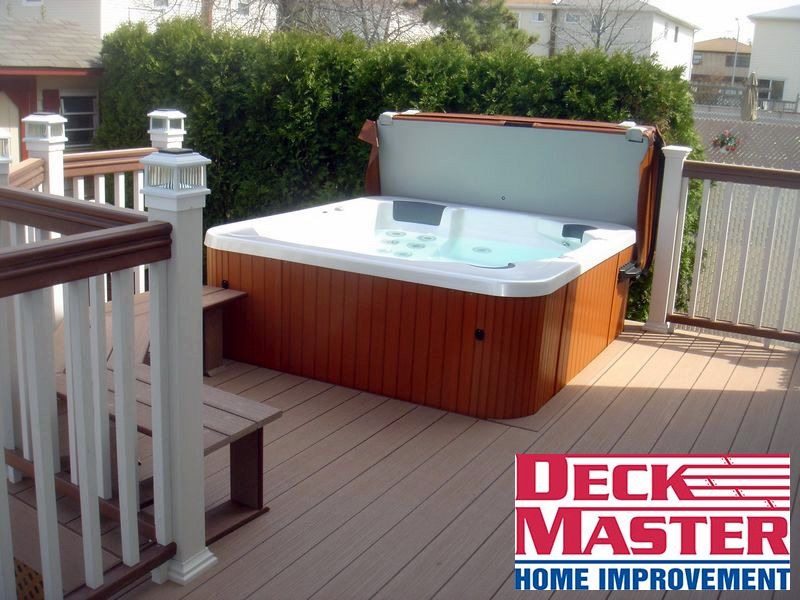
poolside gathering areas
Start Your Custom Deck Project
Whether you’re replacing an aging wood structure in Staten Island or planning a rooftop entertainment deck in Manhattan, the project should reflect the conditions of the property, the way the space gets used, and the long-term performance expected from the build.