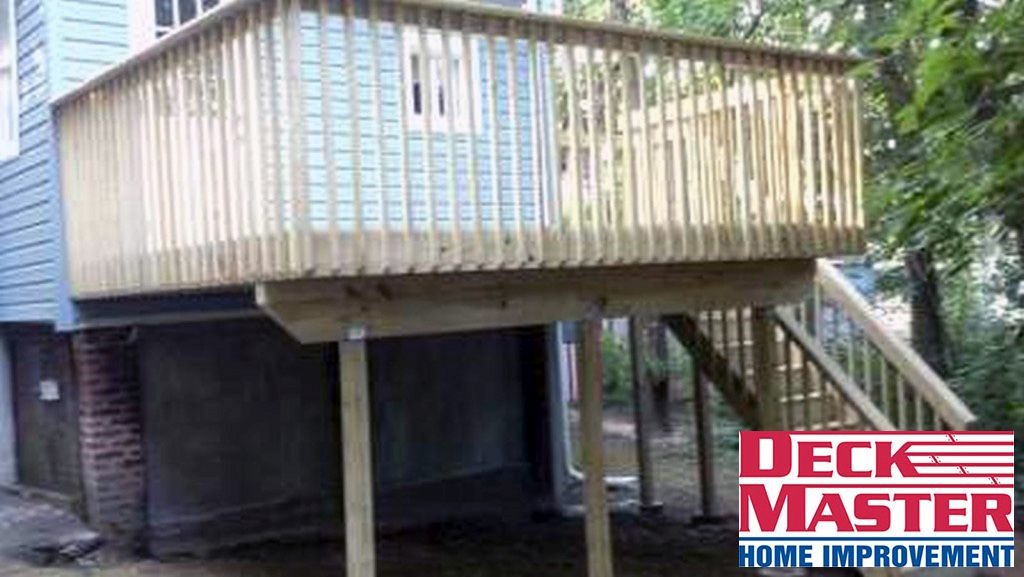
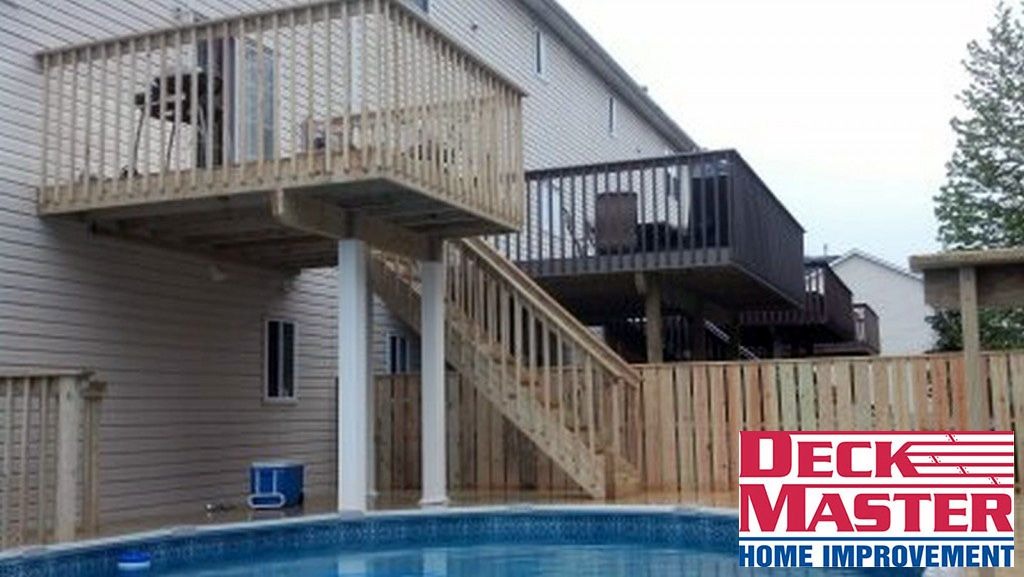
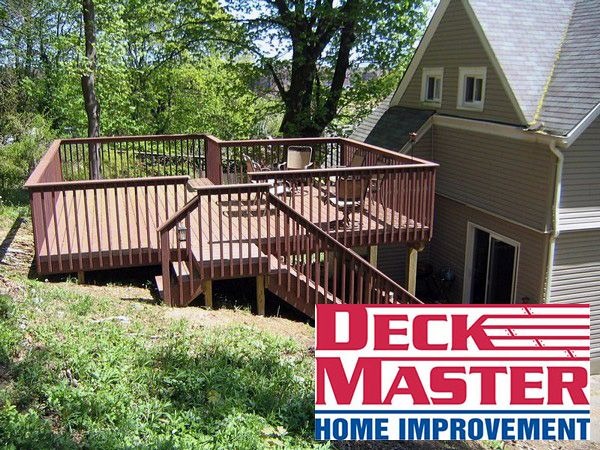
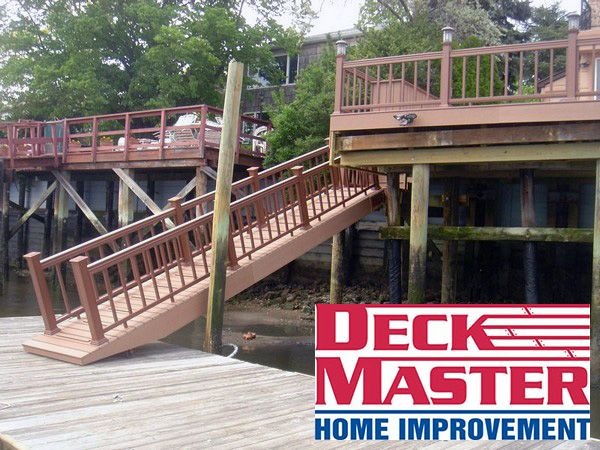
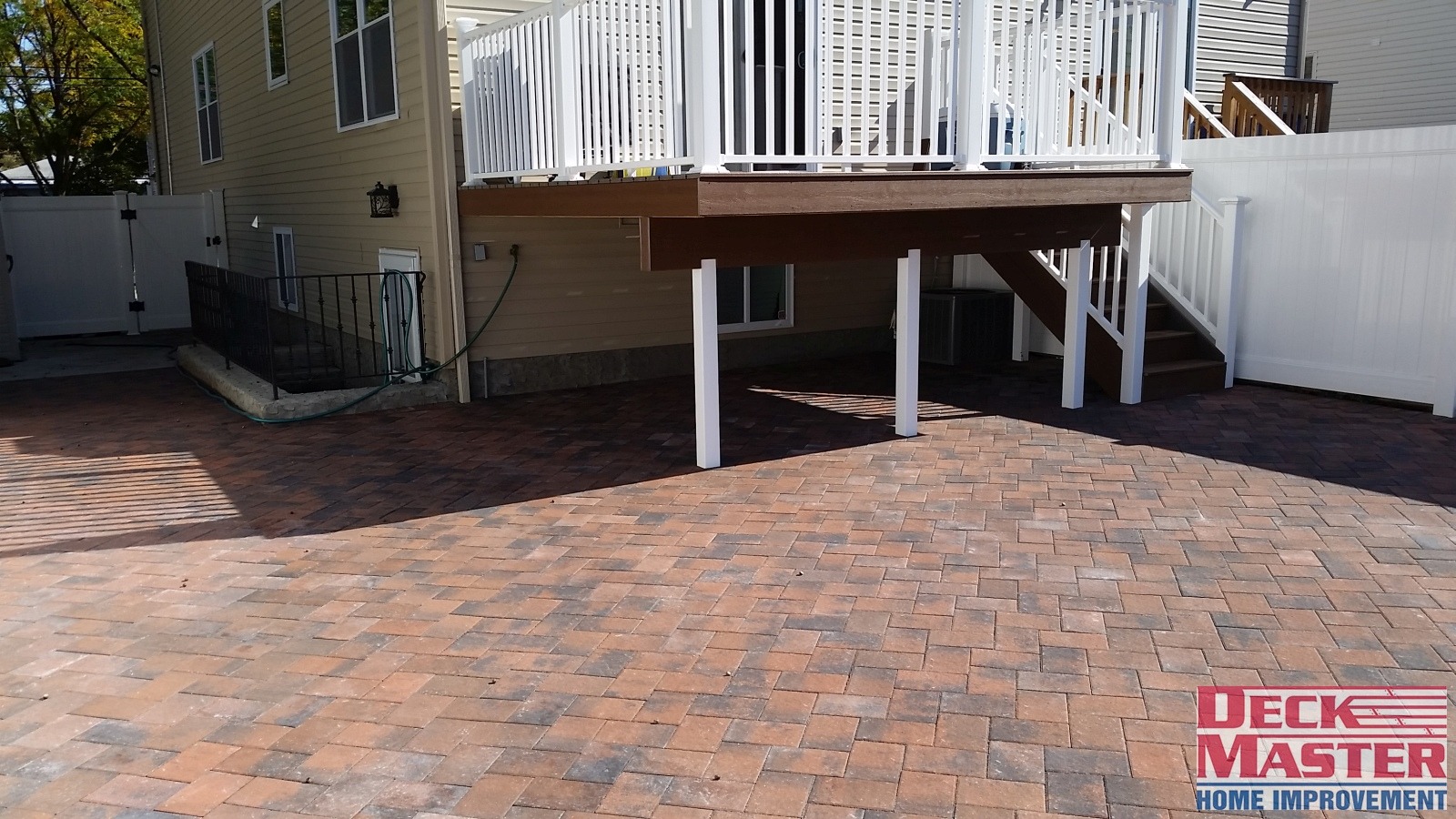
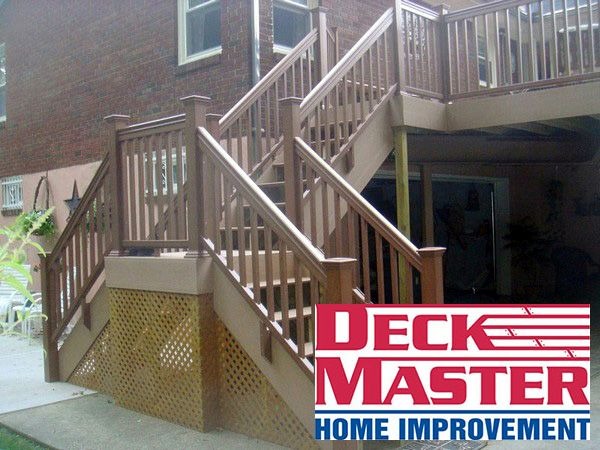
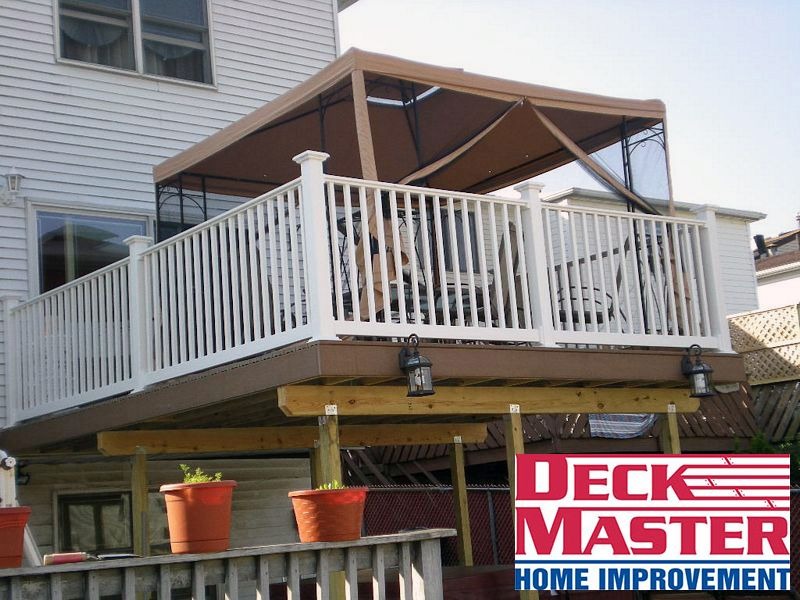
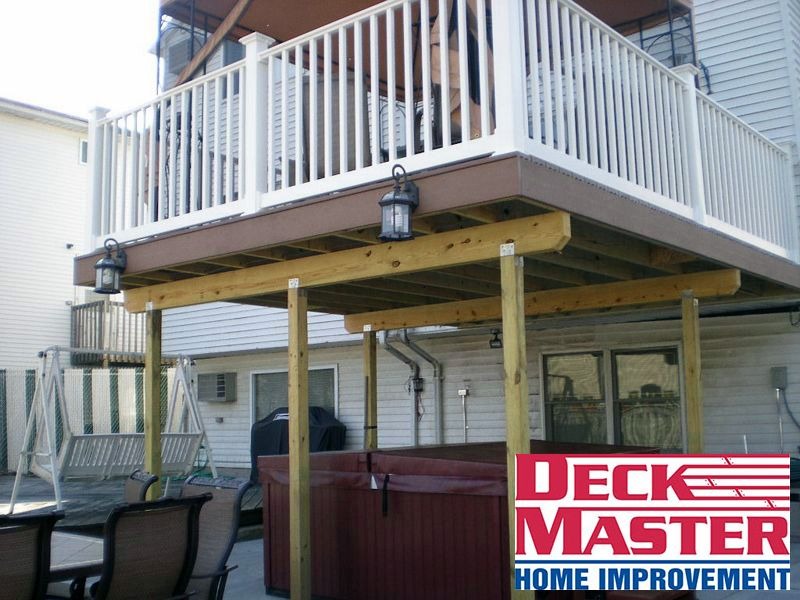
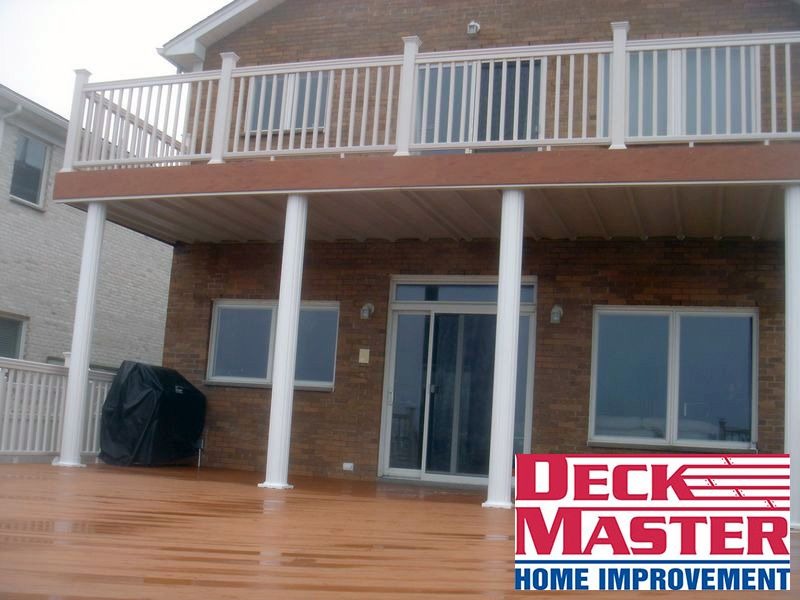
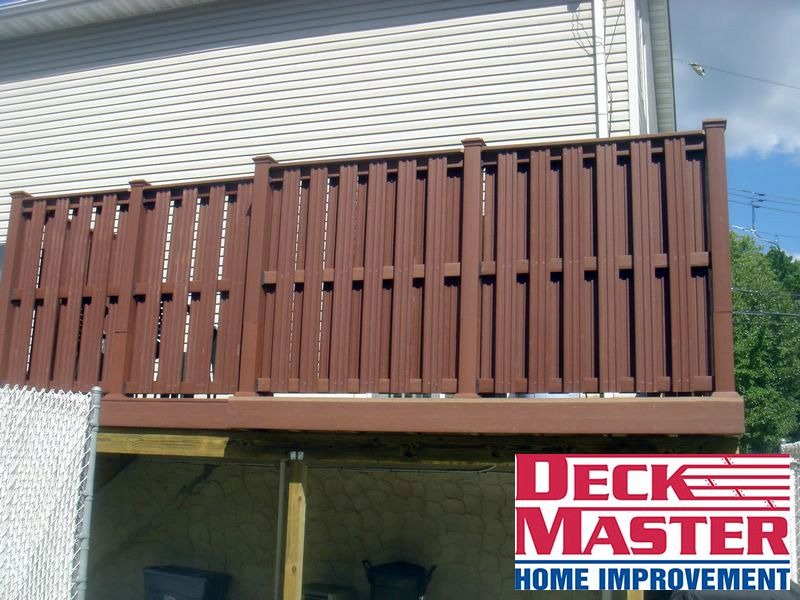
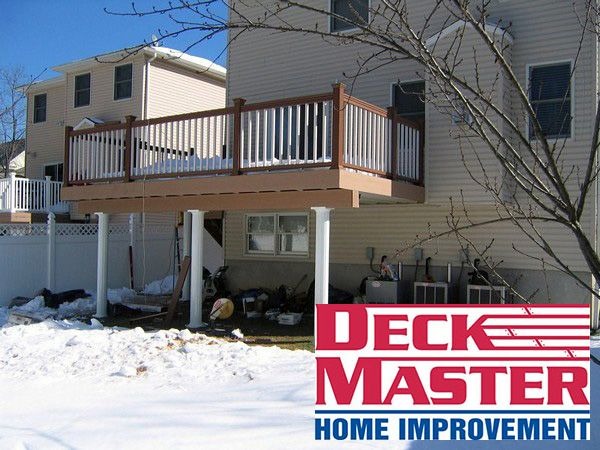
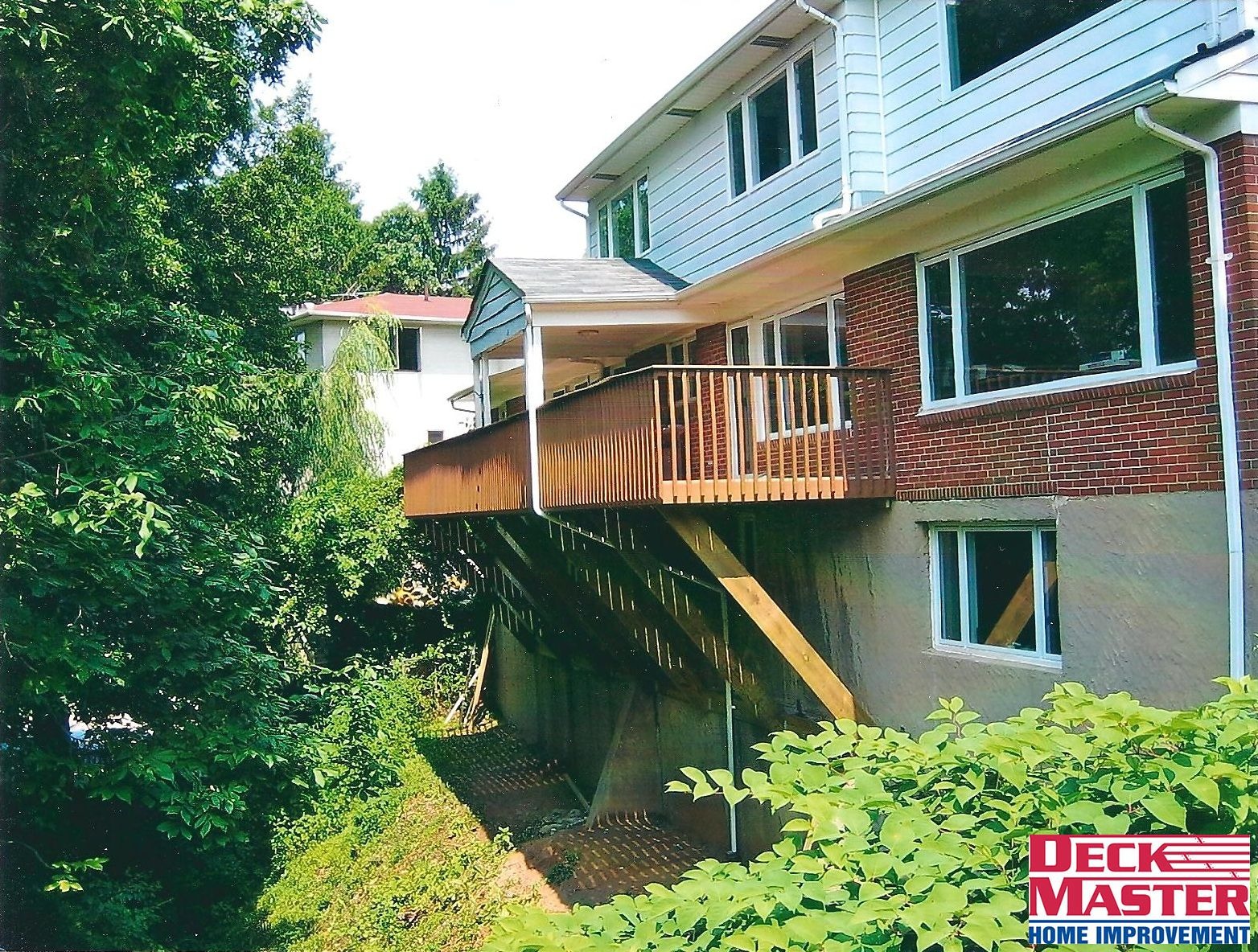
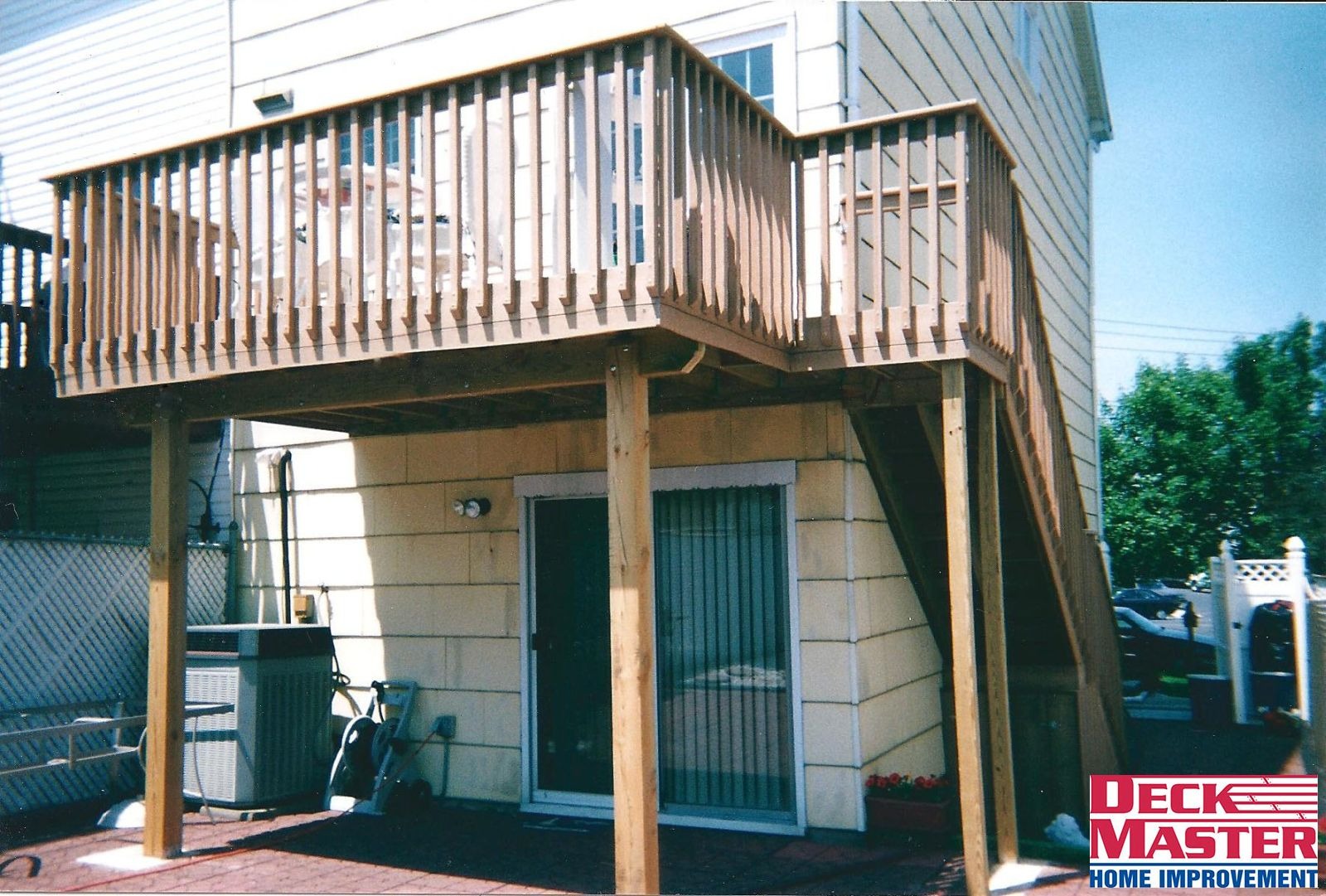
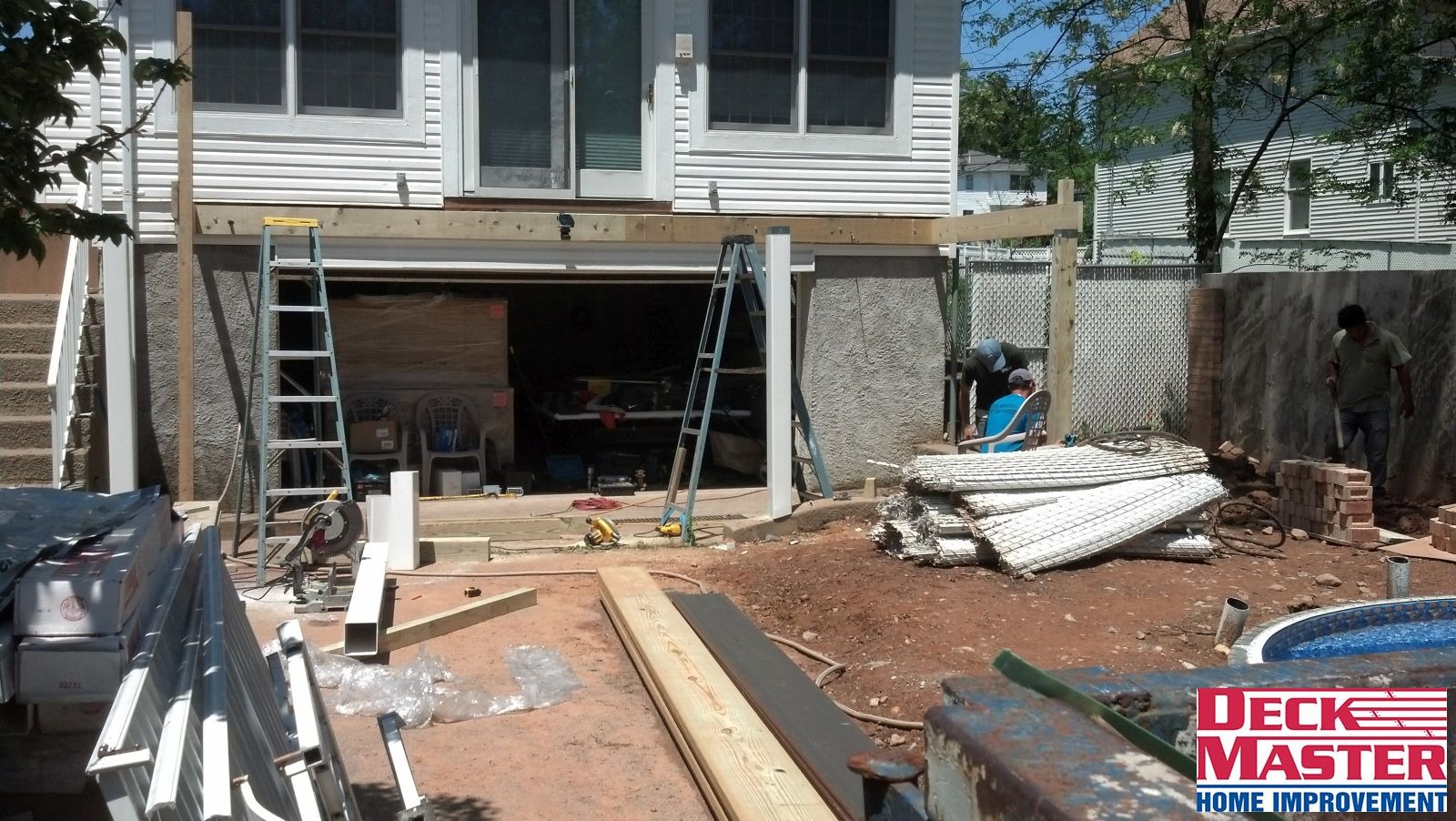
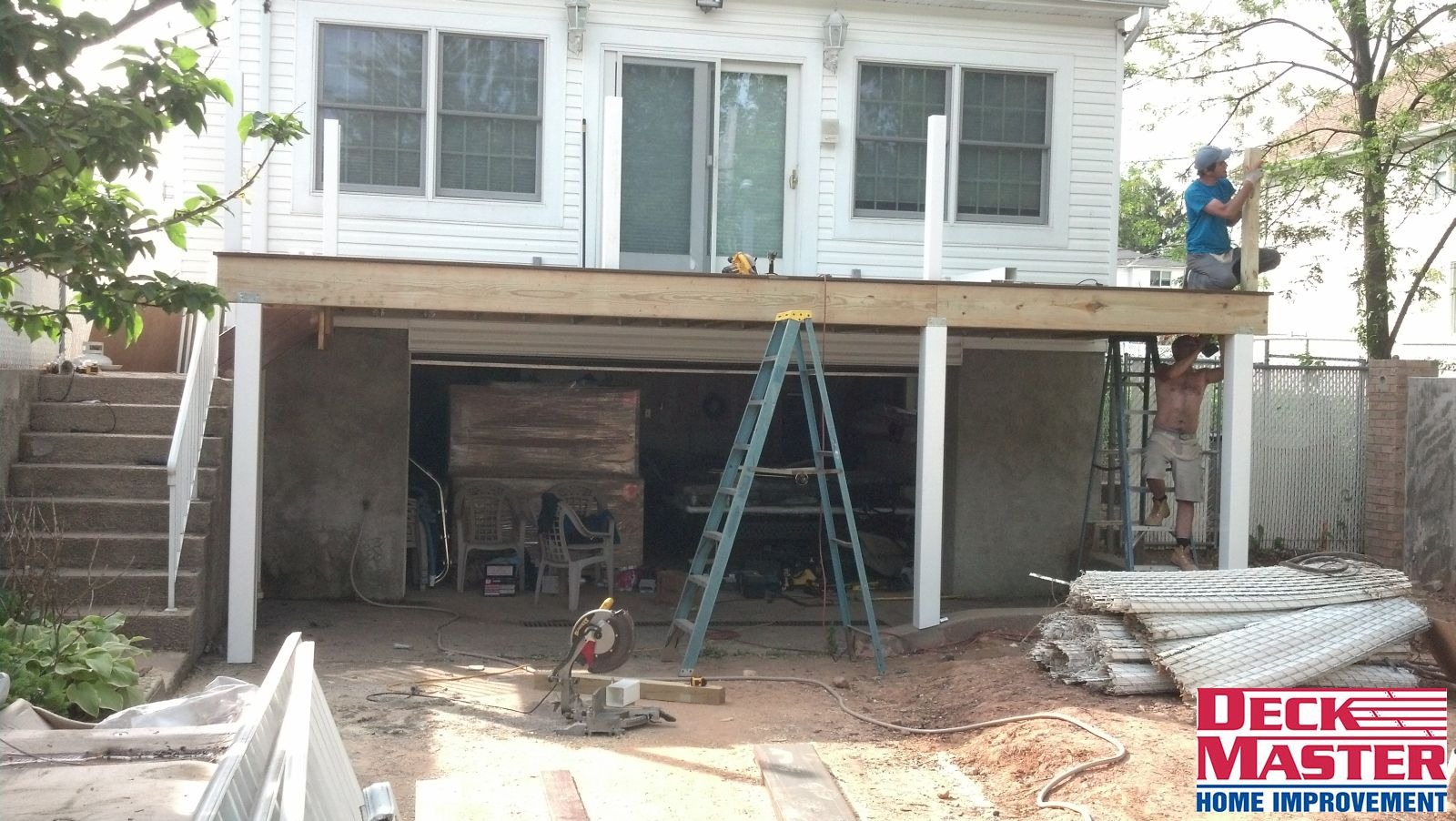
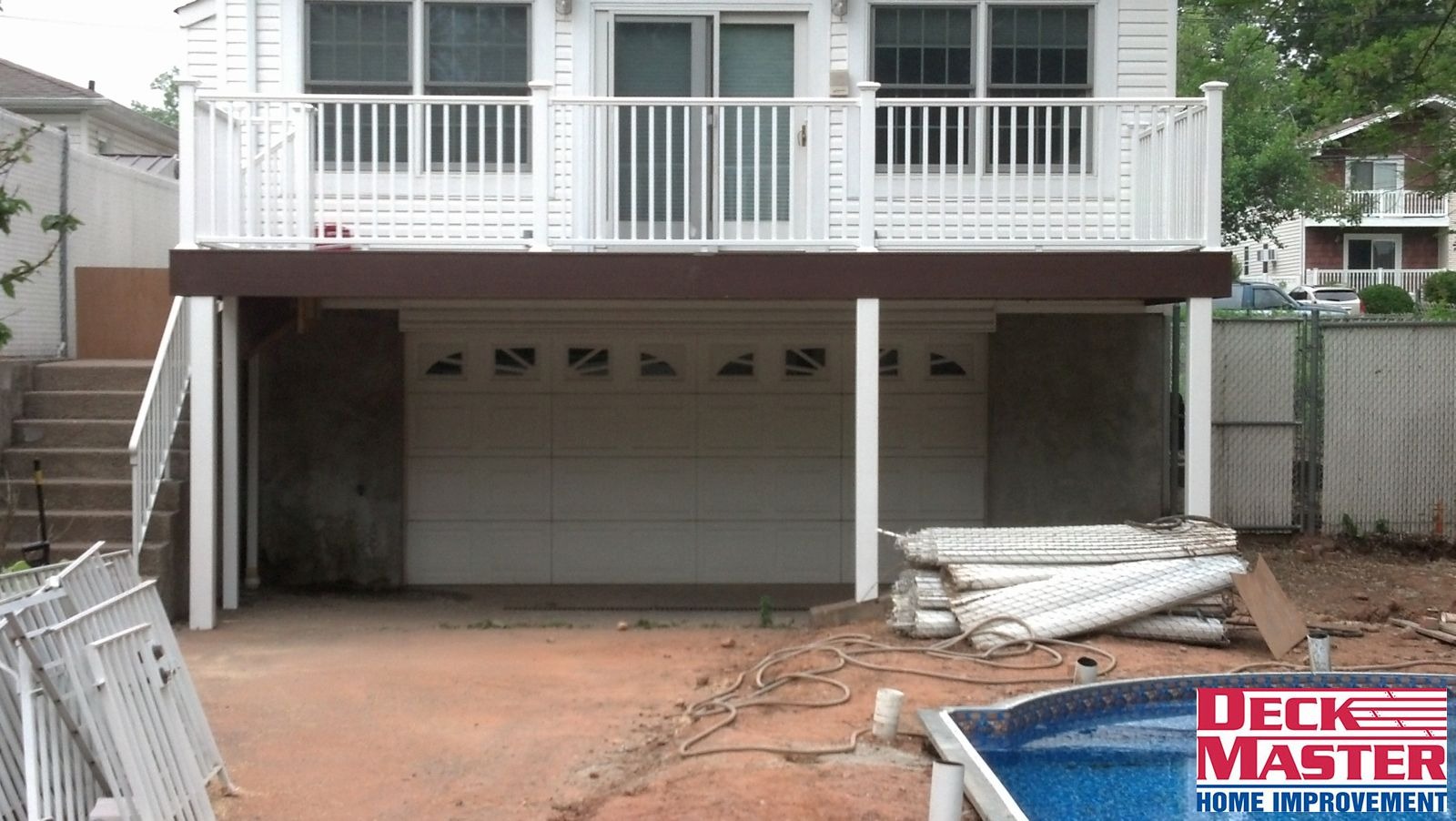
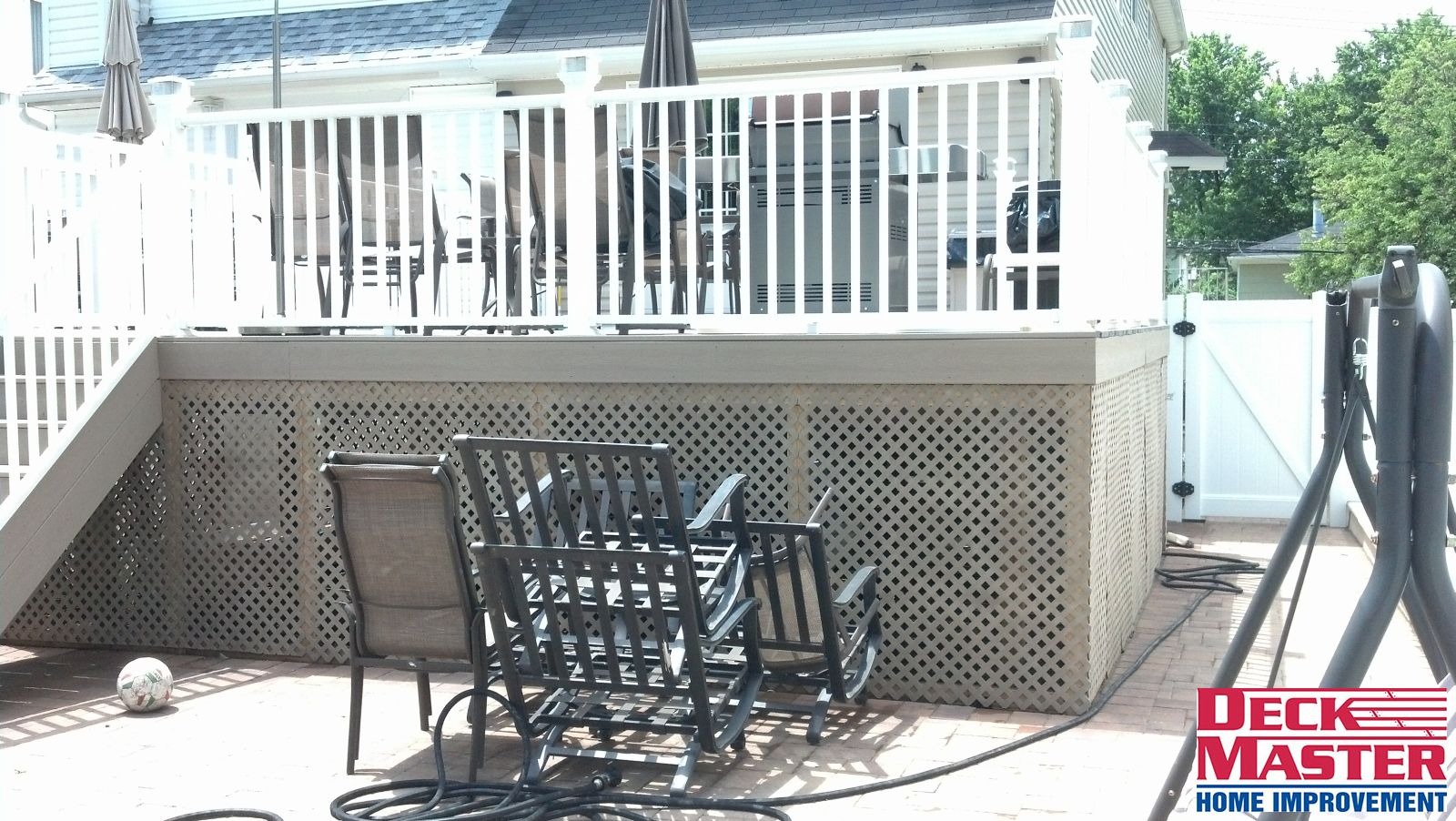
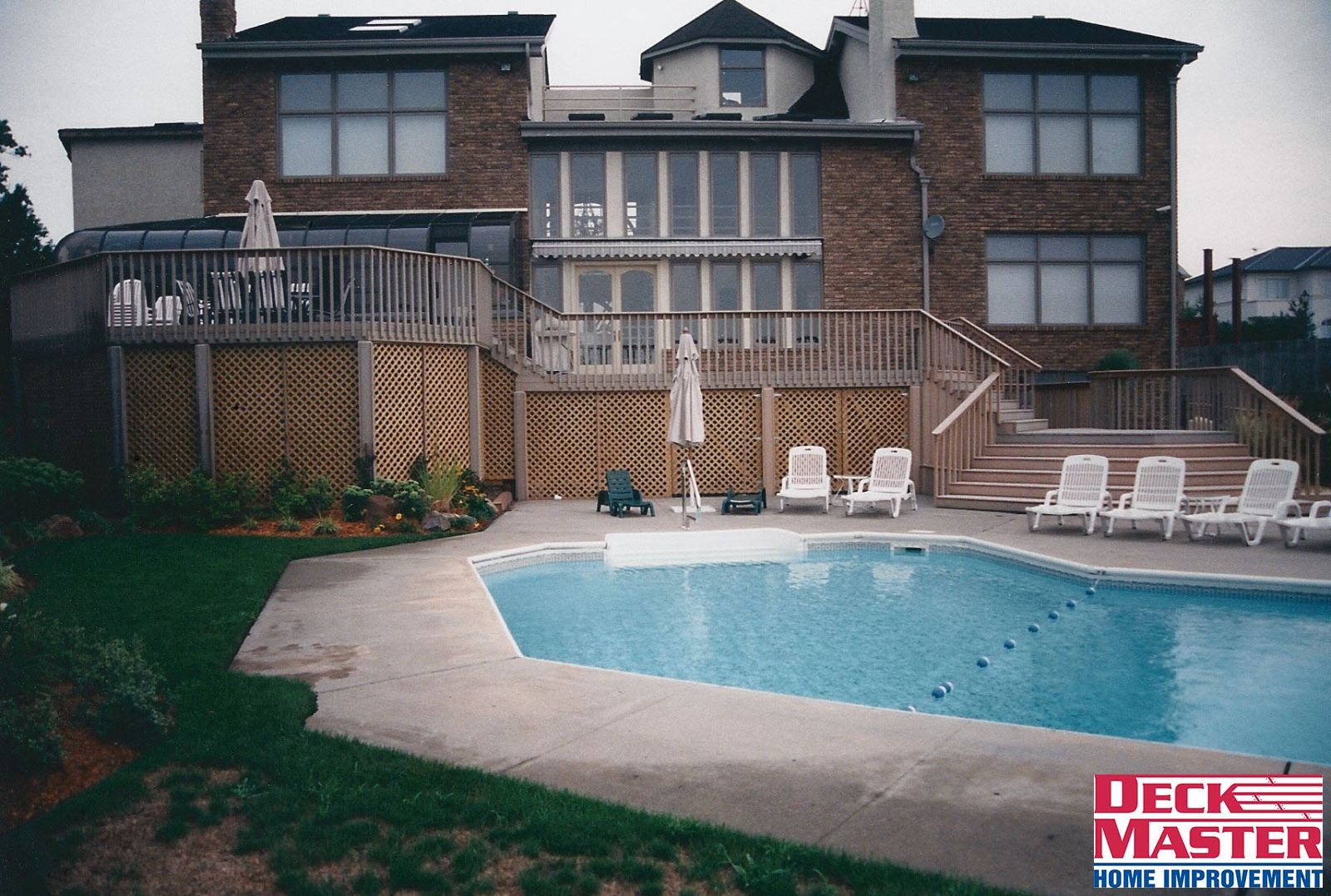
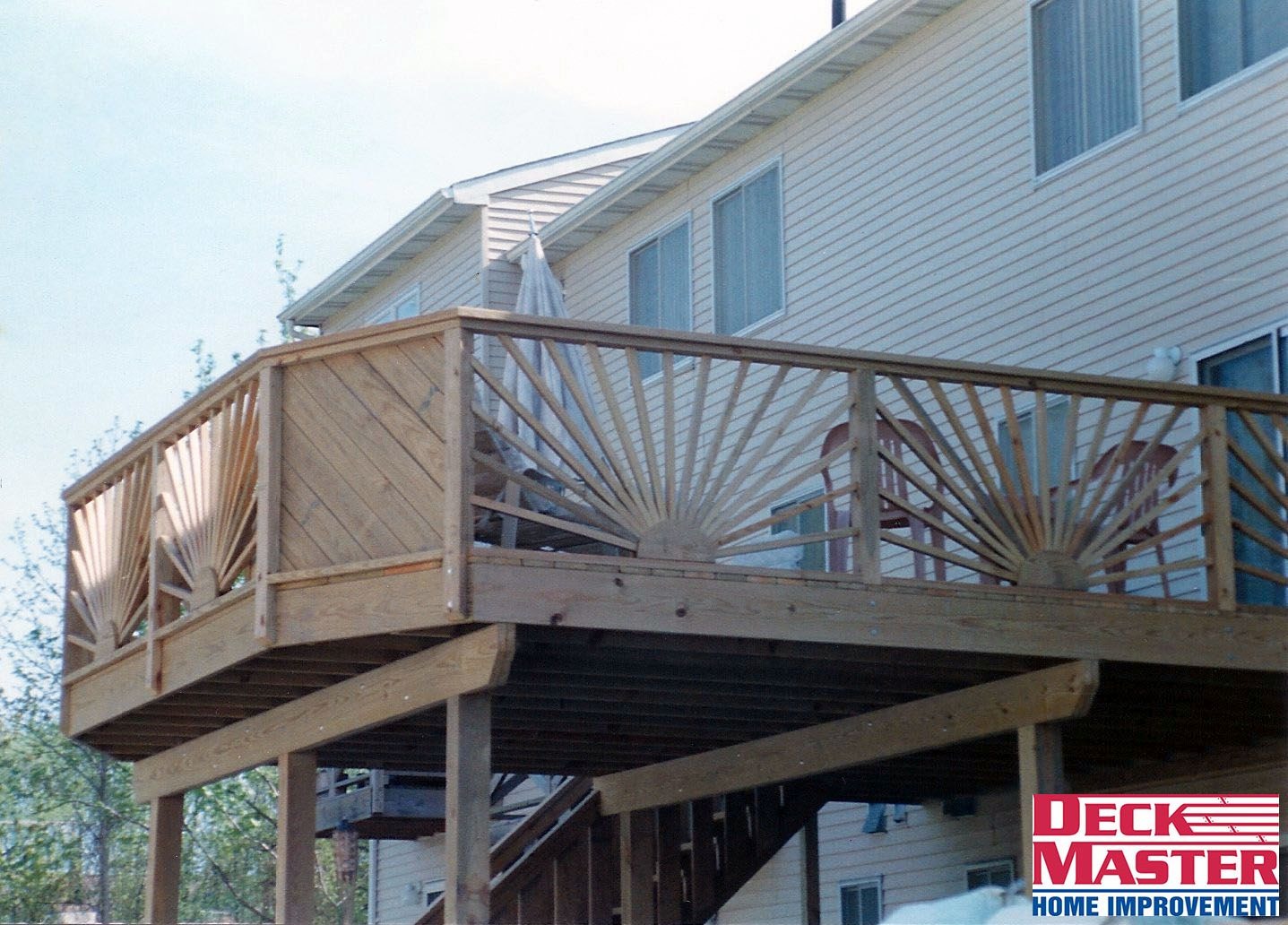
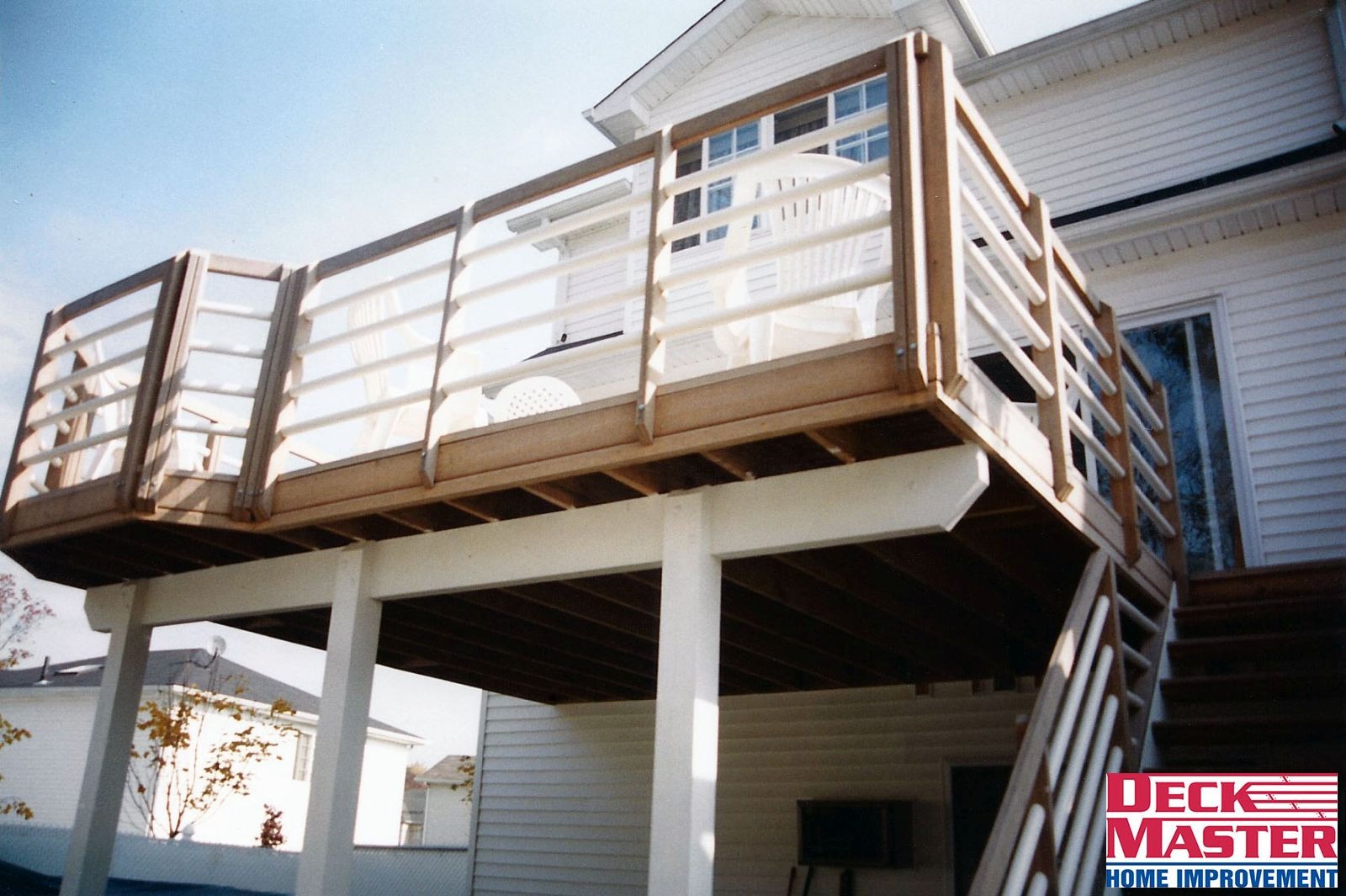
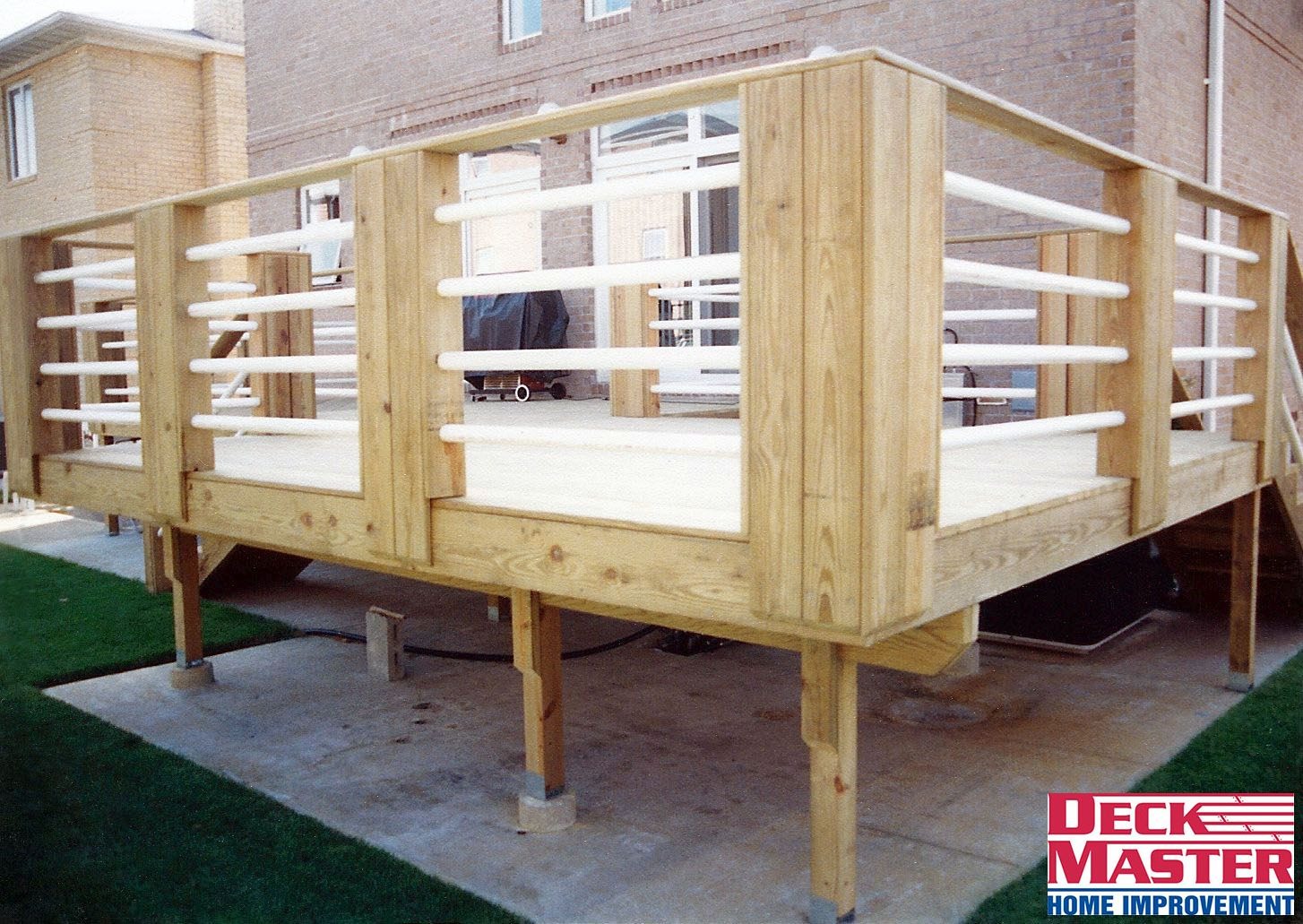
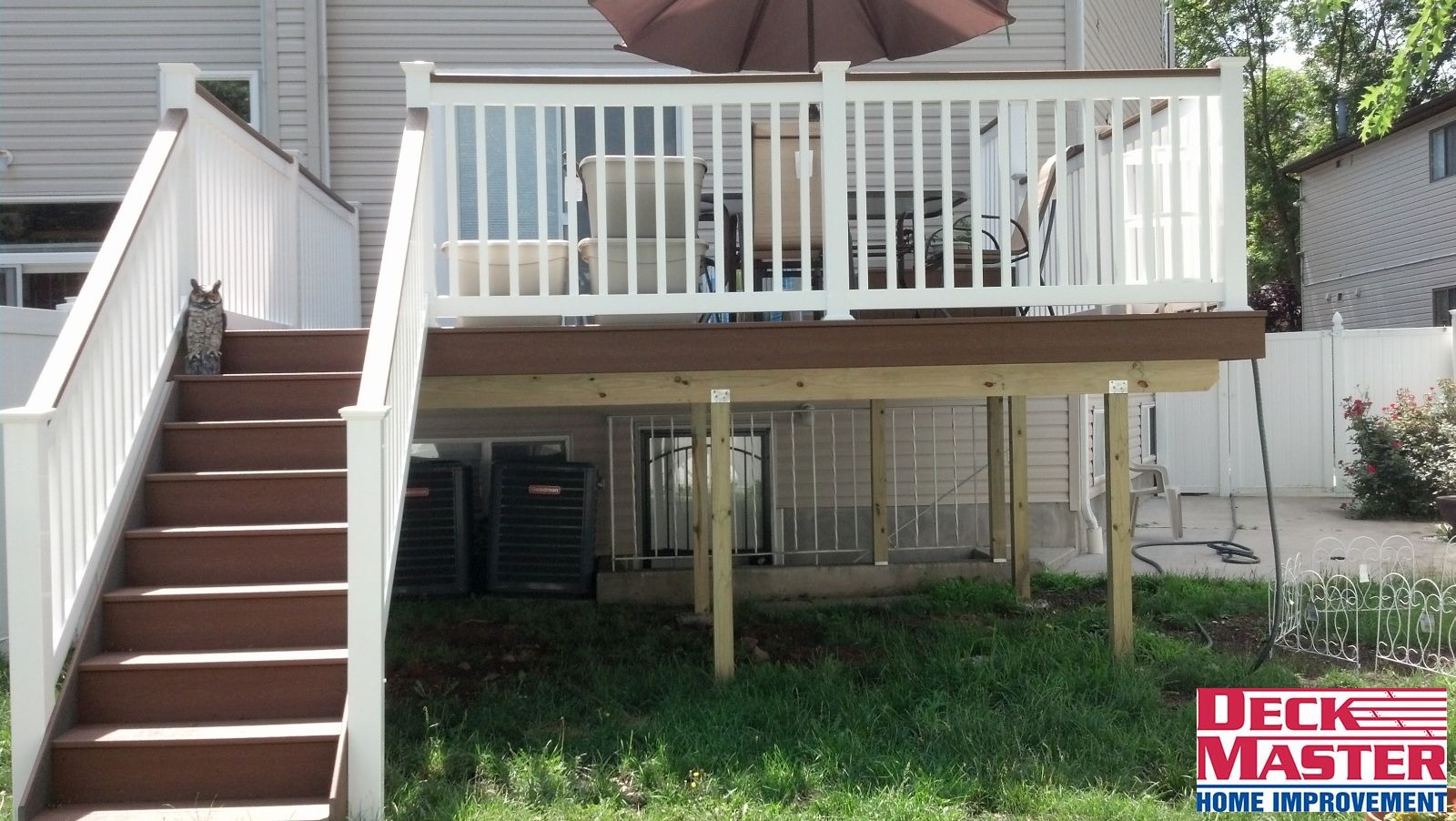
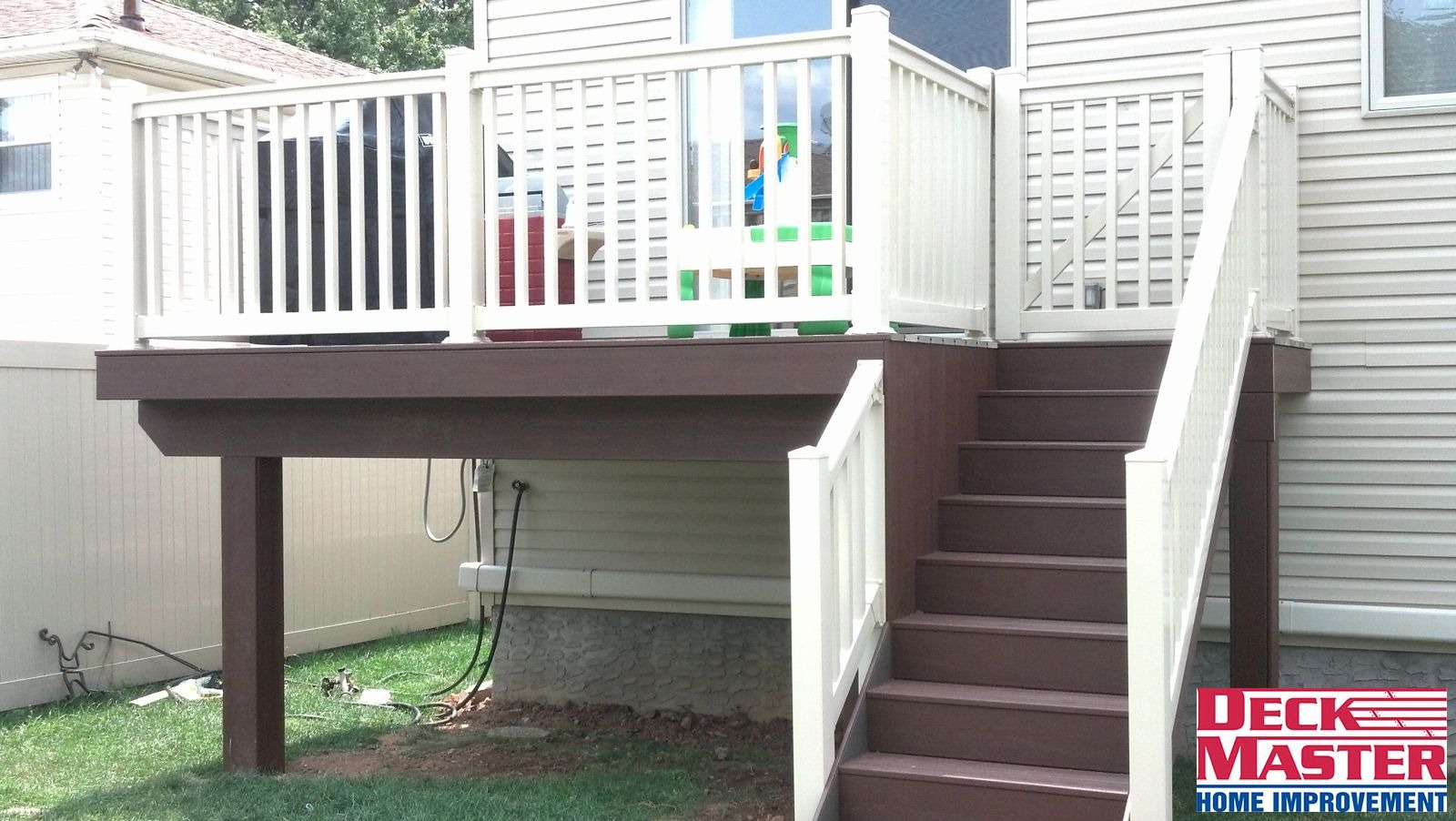
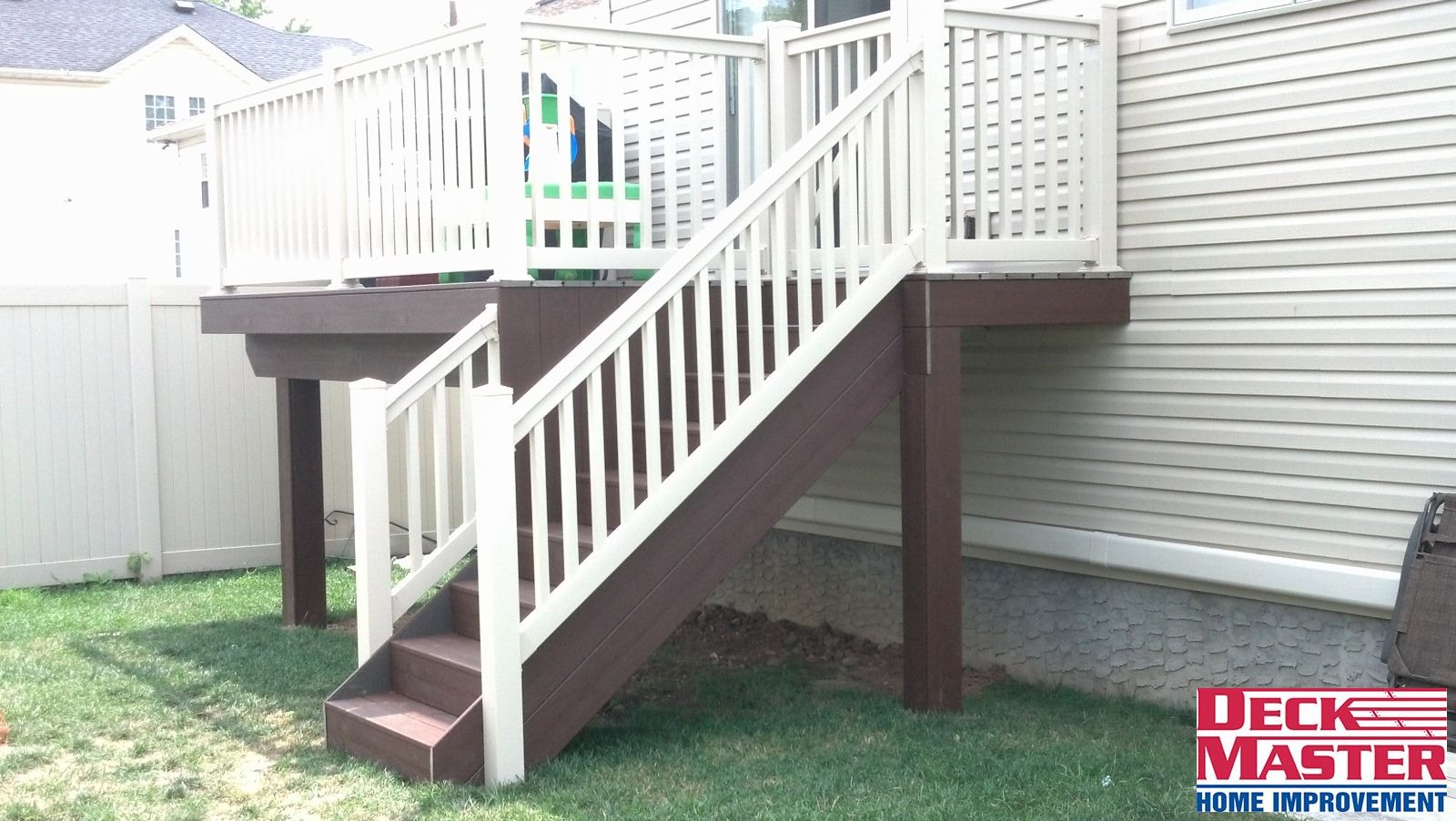
Designing an elevated deck in Staten Island takes more than standard framing knowledge. Properties across Todt Hill, Tottenville, Annadale, Arden Heights, and Huguenot sit on drastically different elevations, soil conditions, and drainage patterns. Homes closer to the South Shore face salt-heavy marine air, shifting moisture levels, and runoff after coastal storms, while inland areas deal with steep grade transitions, retaining walls, and walkout basement configurations that make traditional patio construction impractical.
At Deck Master Company, elevated decks are designed around those structural realities instead of forcing flat-lot construction methods onto uneven terrain.
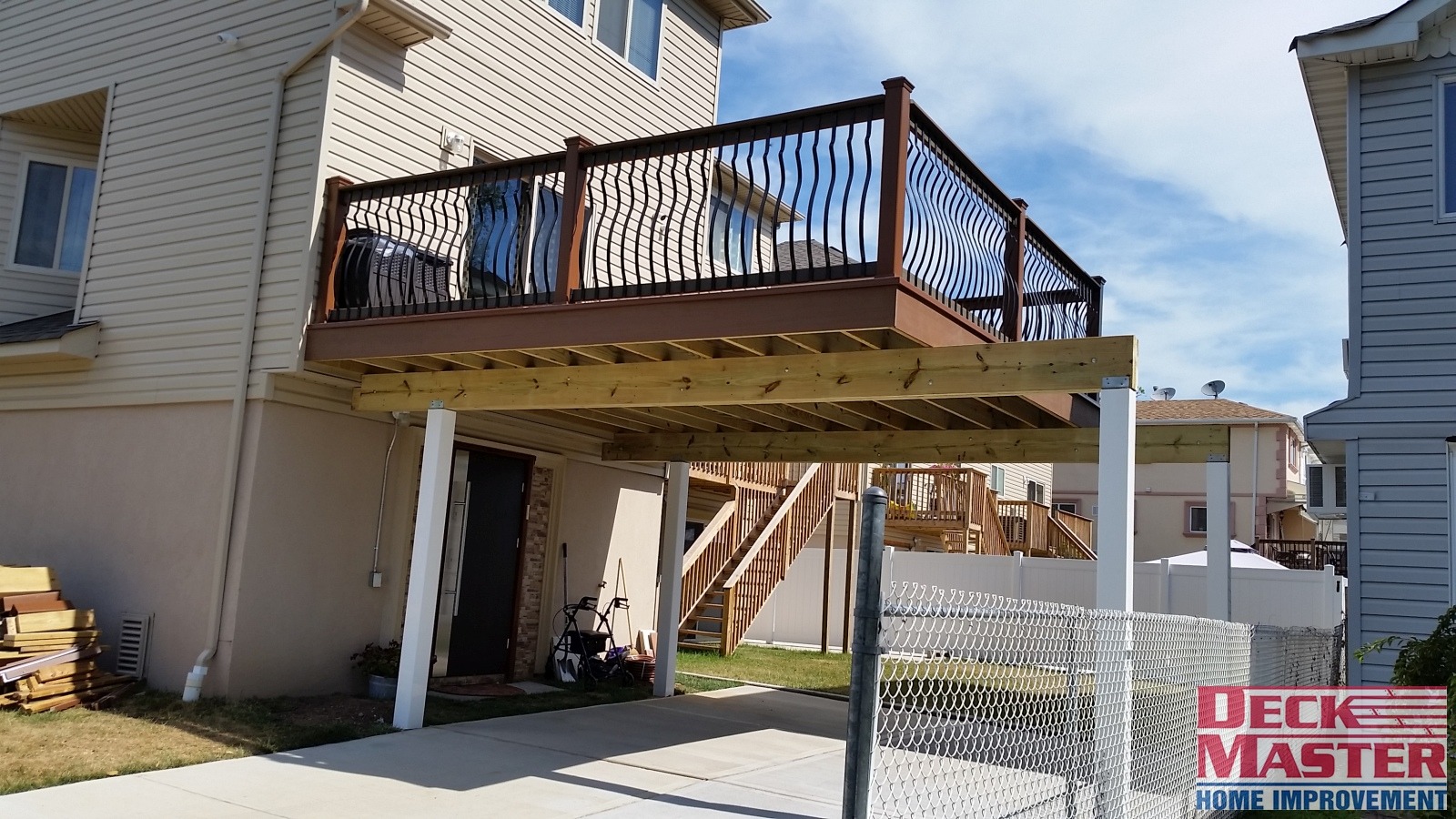
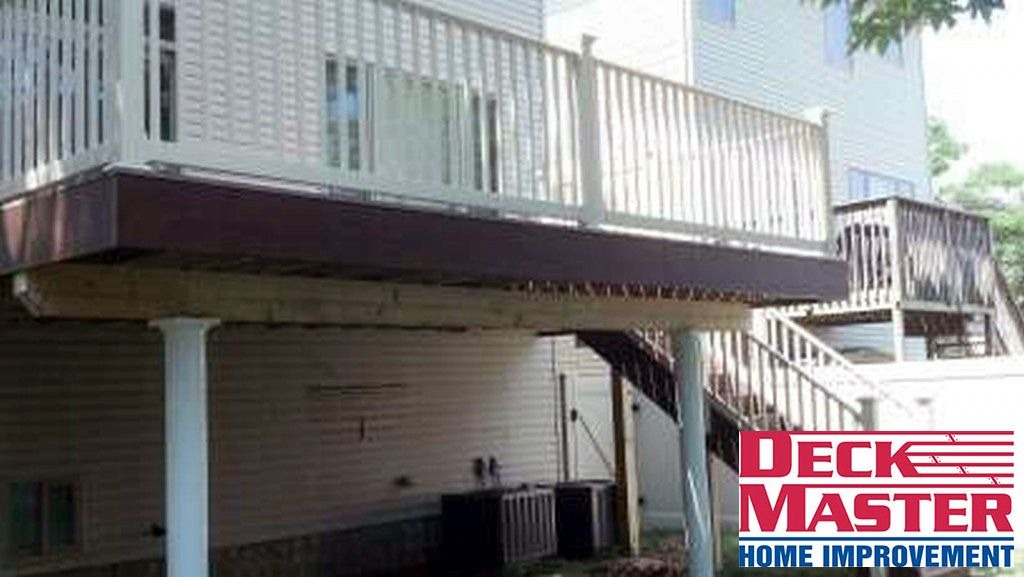
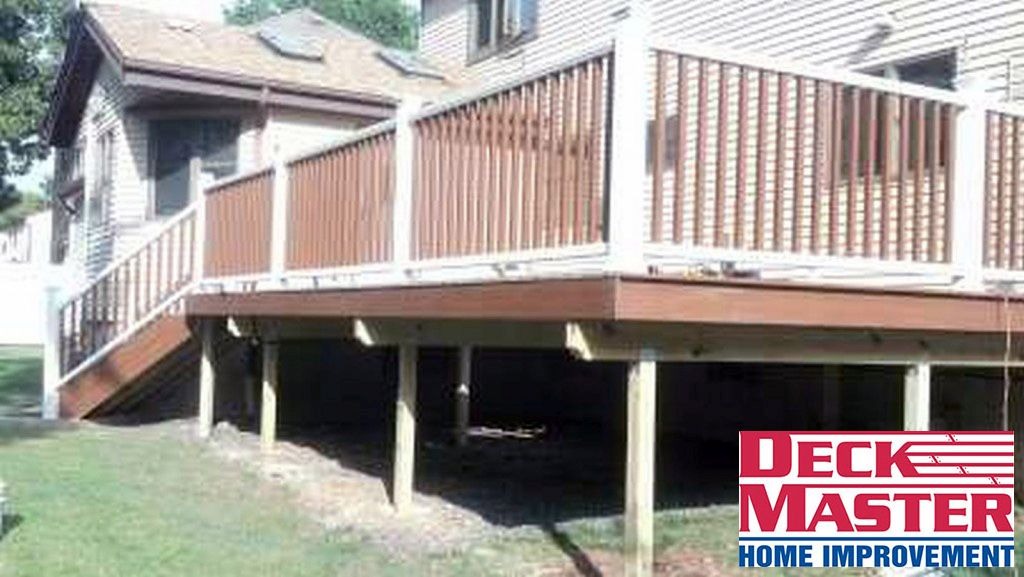
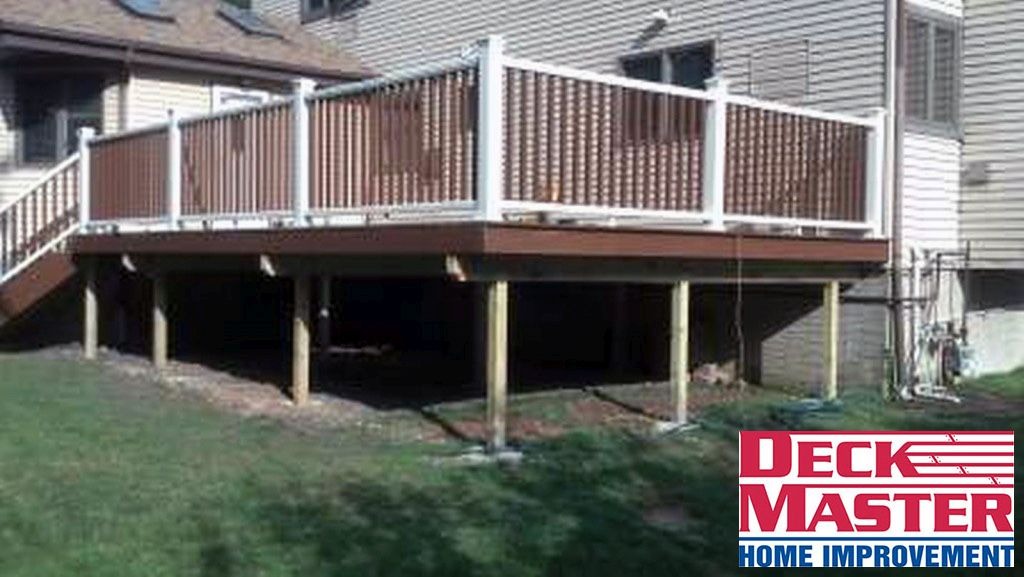
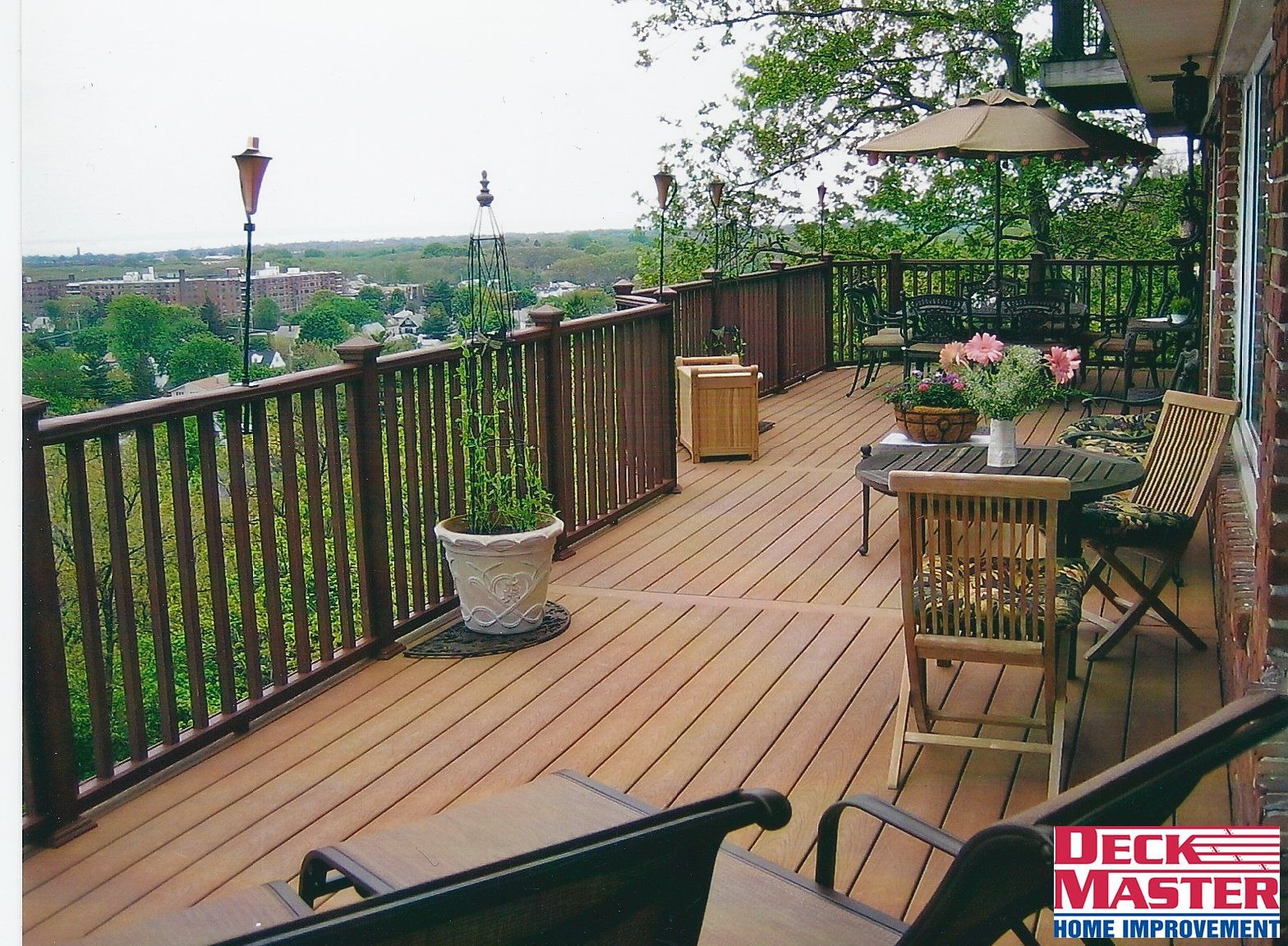
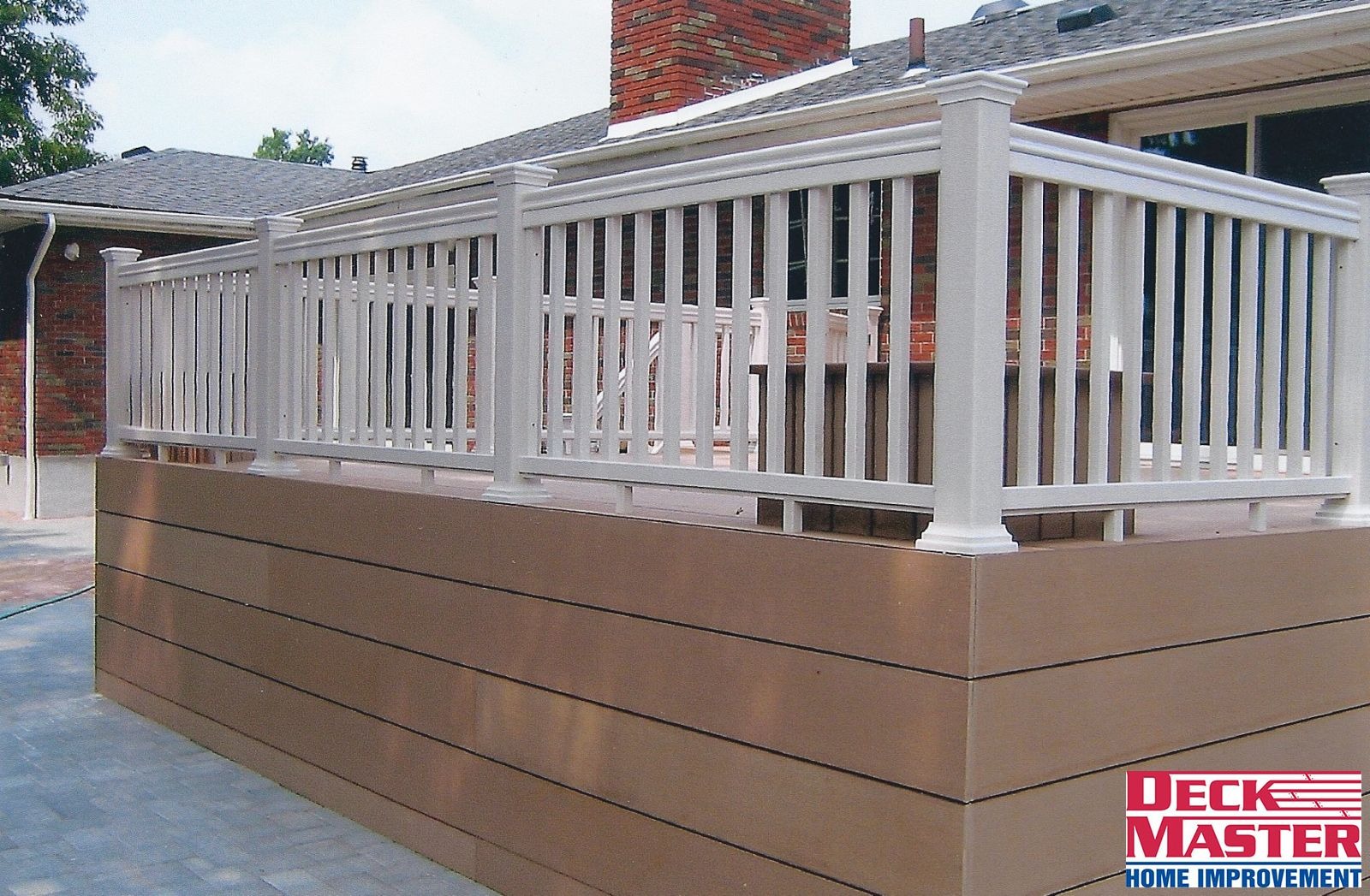
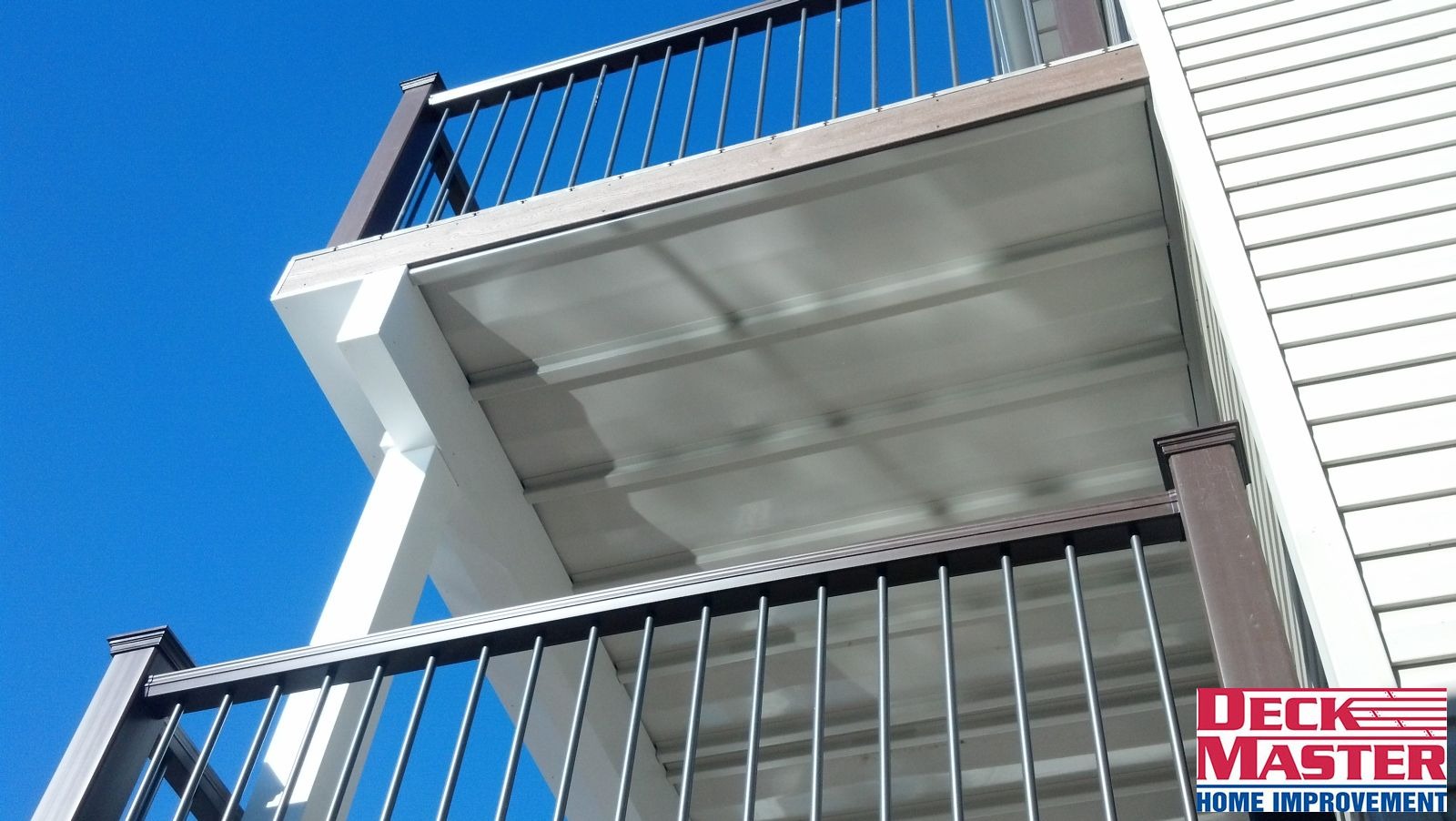
Deck Master’s published project portfolio shows extensive experience with elevated and multi-story deck construction throughout New York City, particularly Brooklyn and Manhattan. These projects demonstrate the engineering requirements involved in high-elevation outdoor structures, rooftop systems, and complex stair configurations.
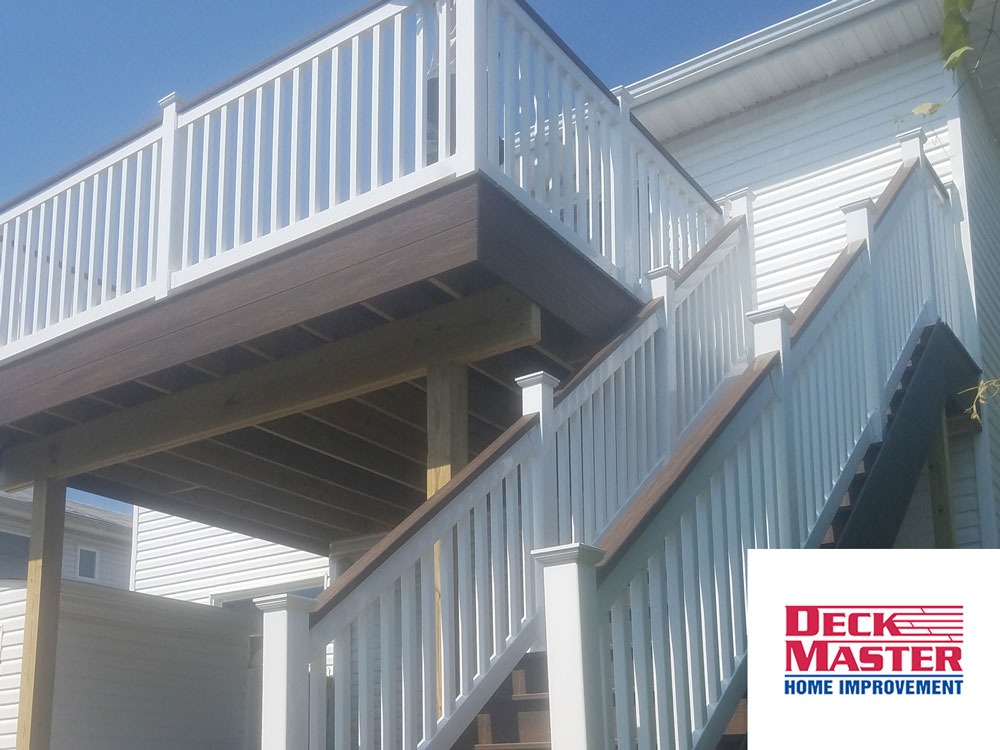
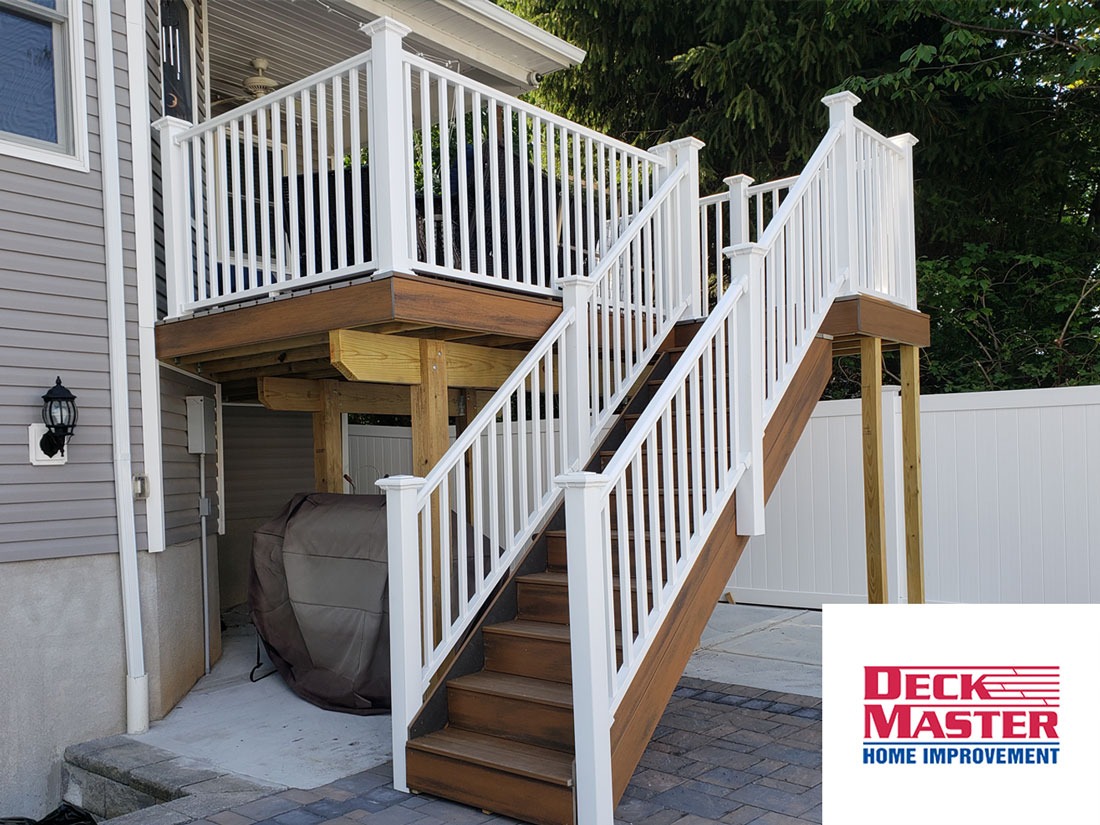
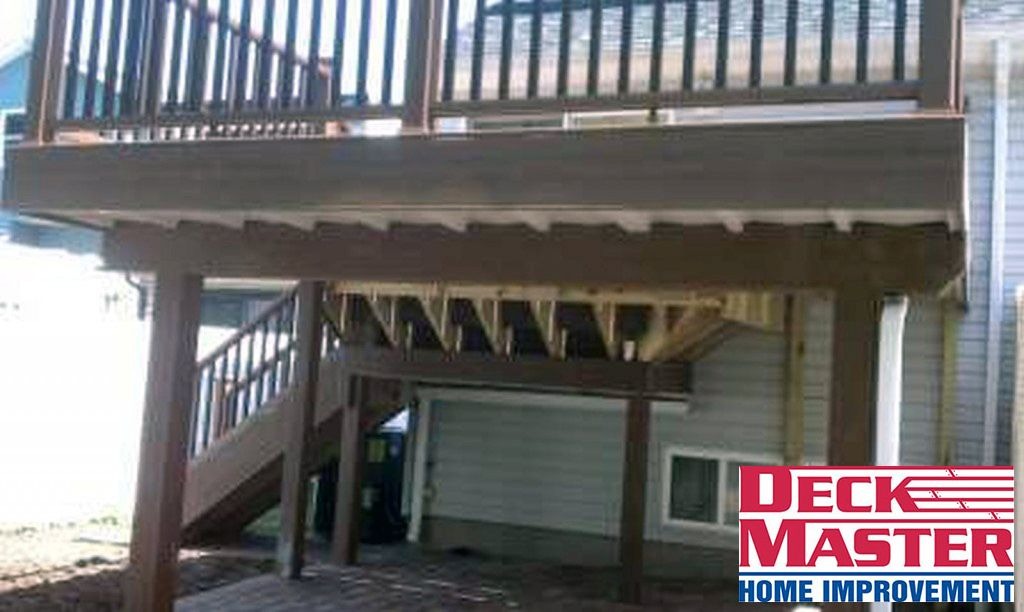
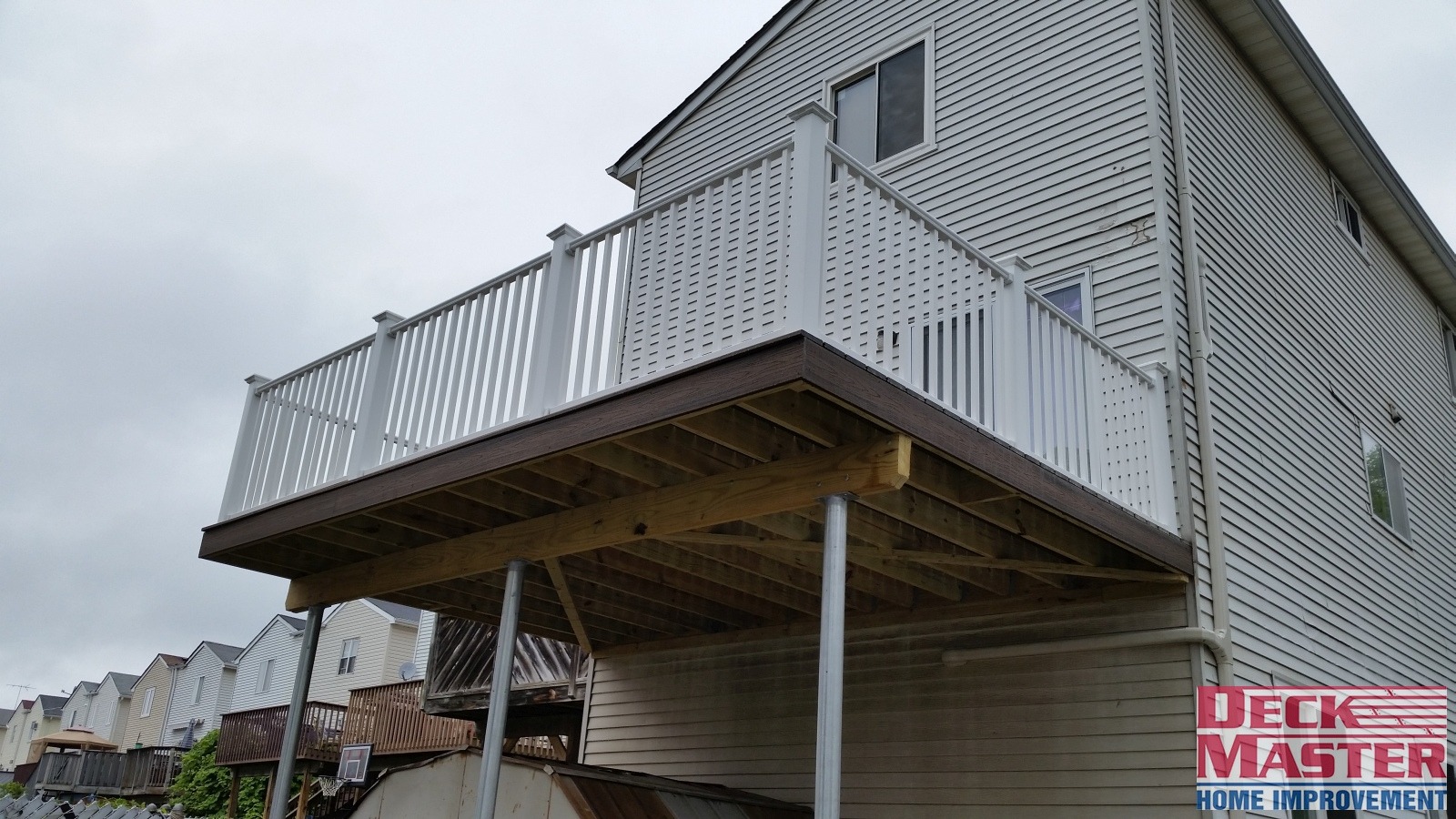
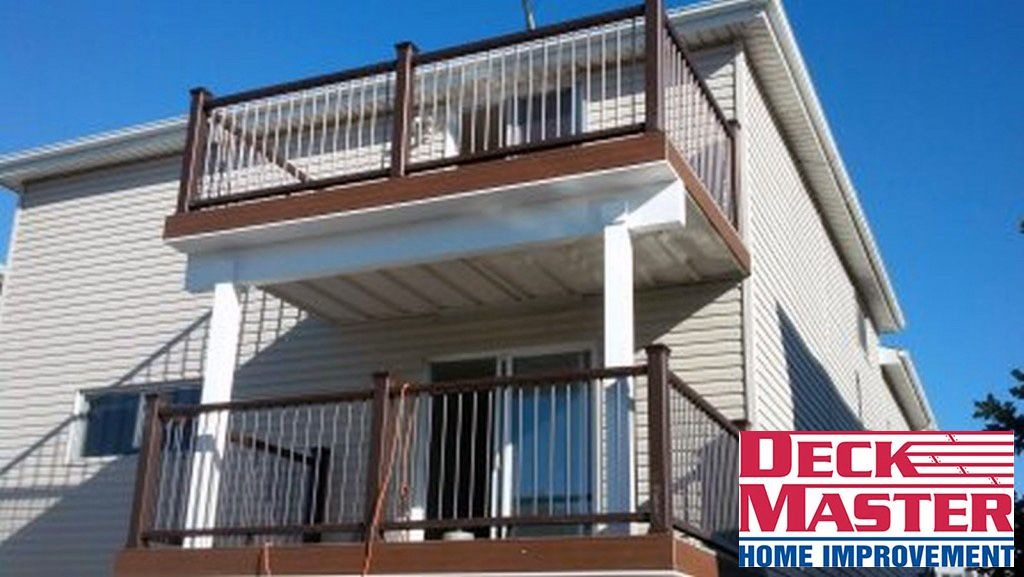
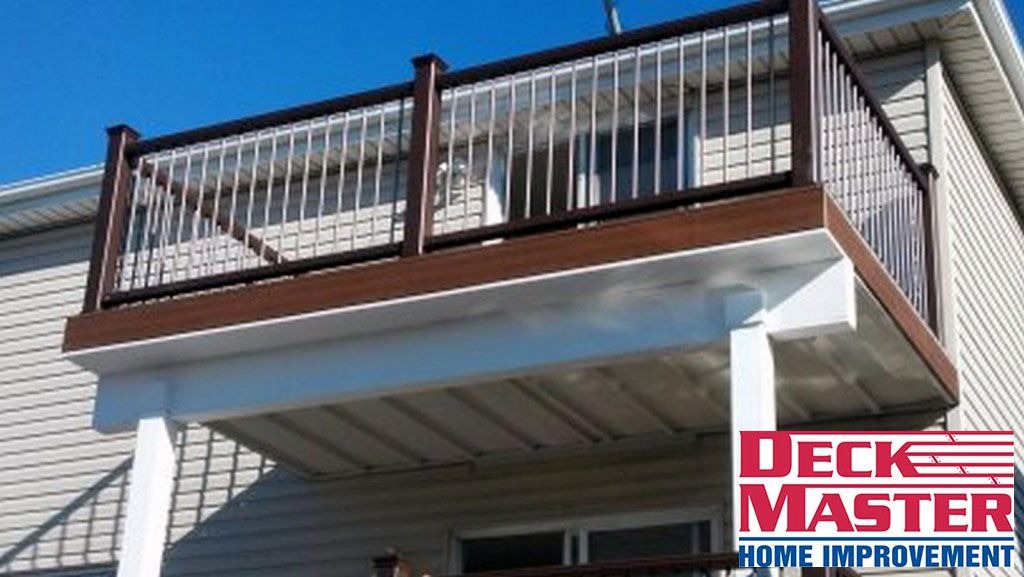
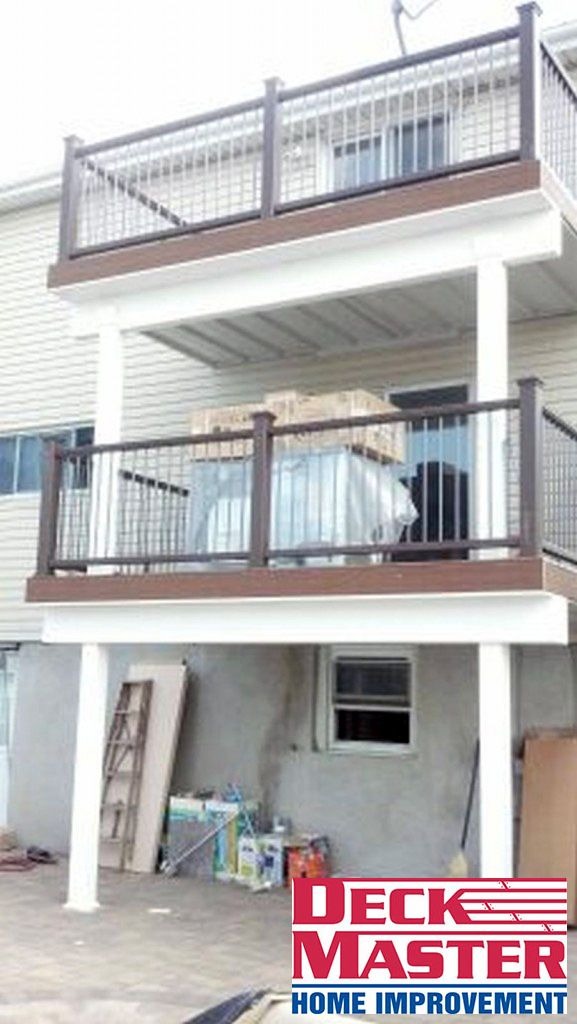
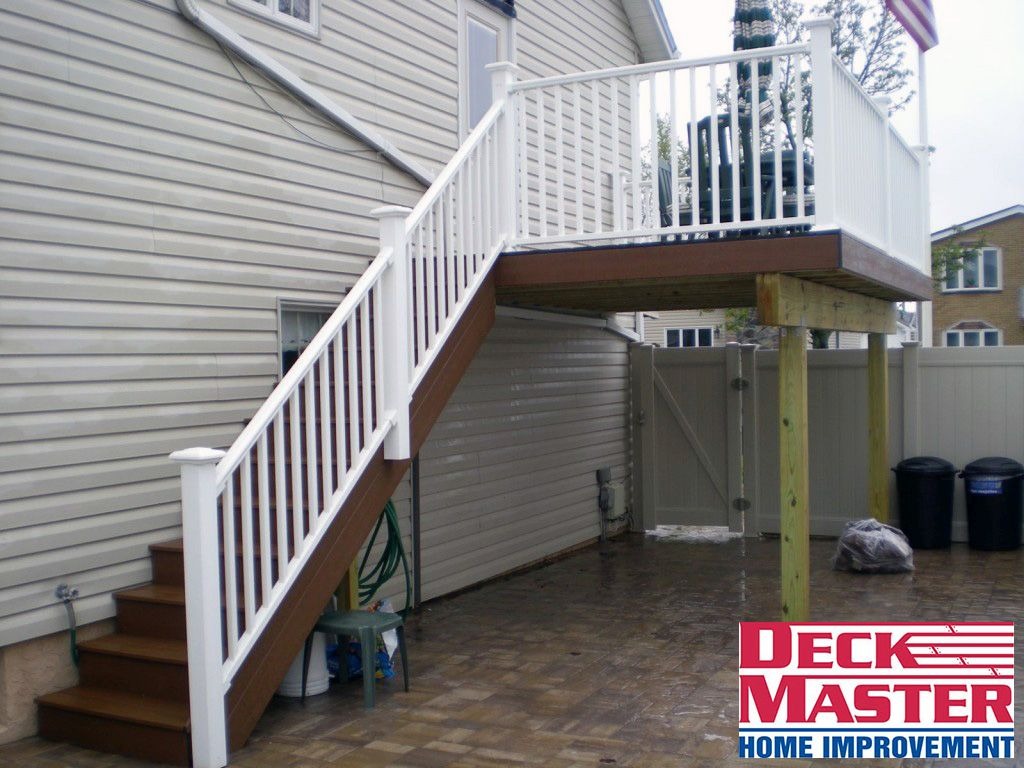
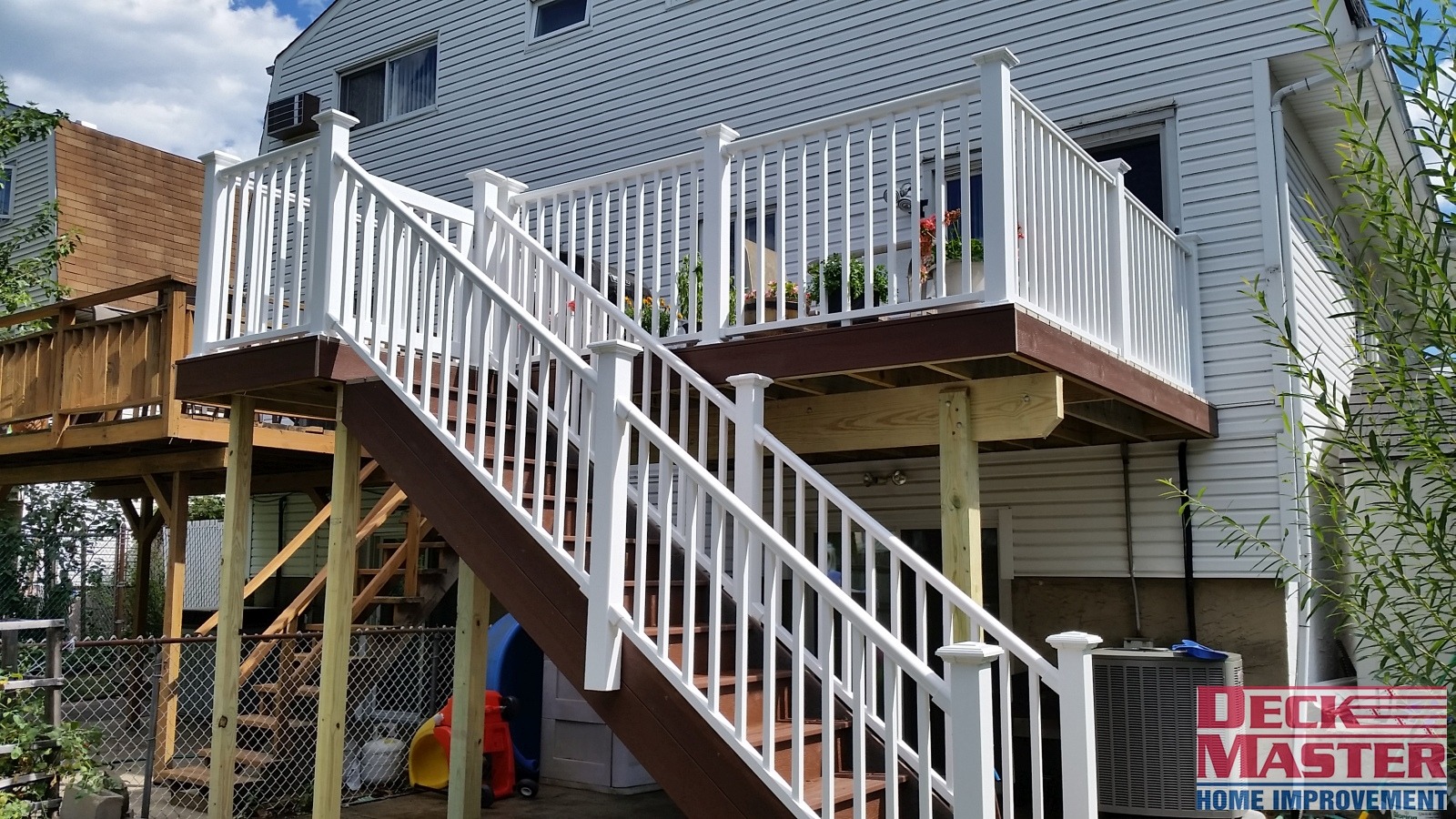
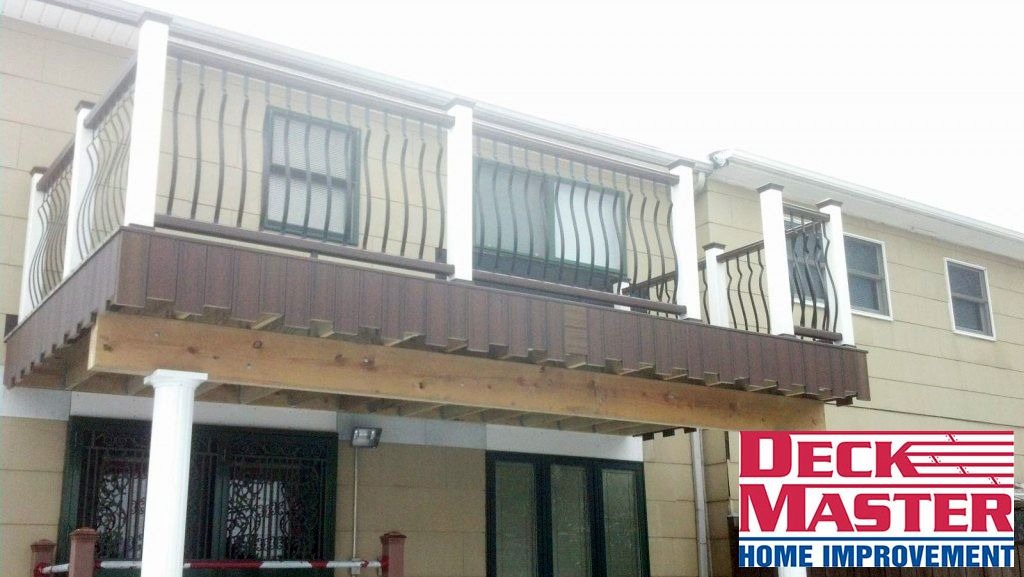
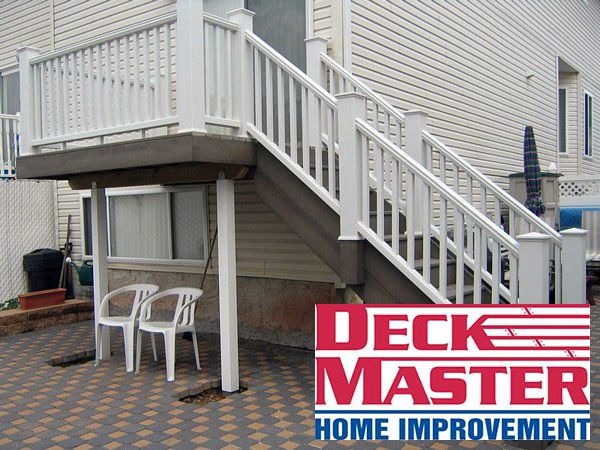
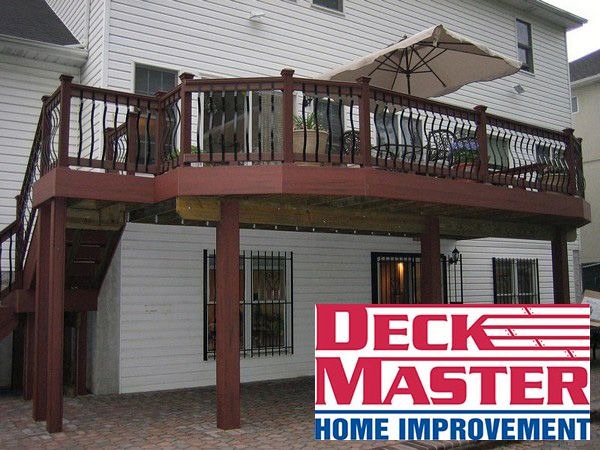
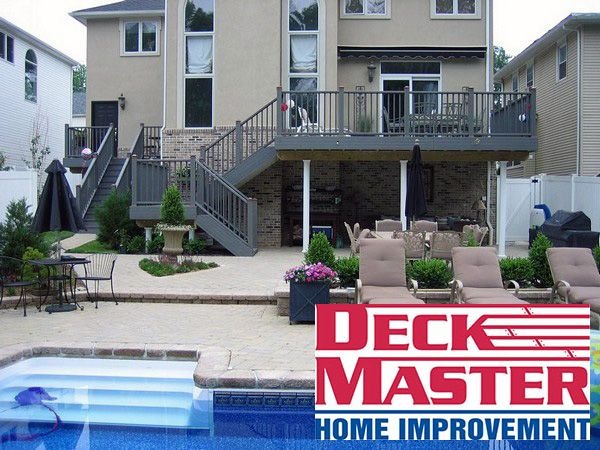
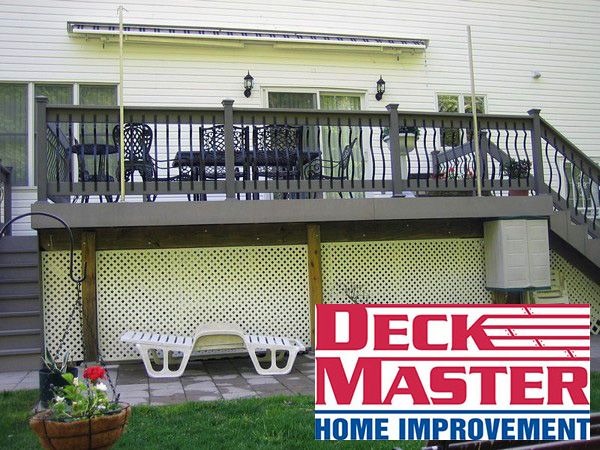
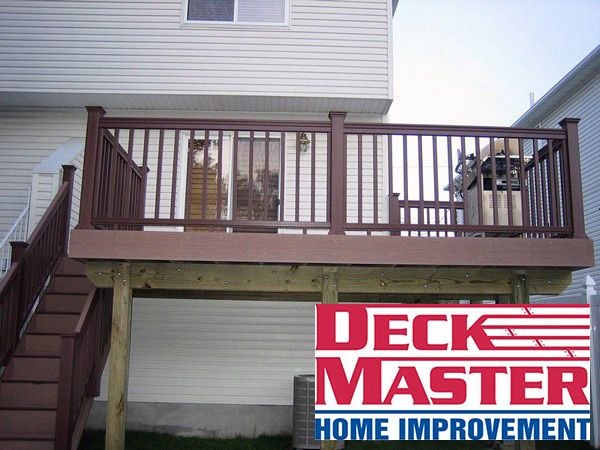
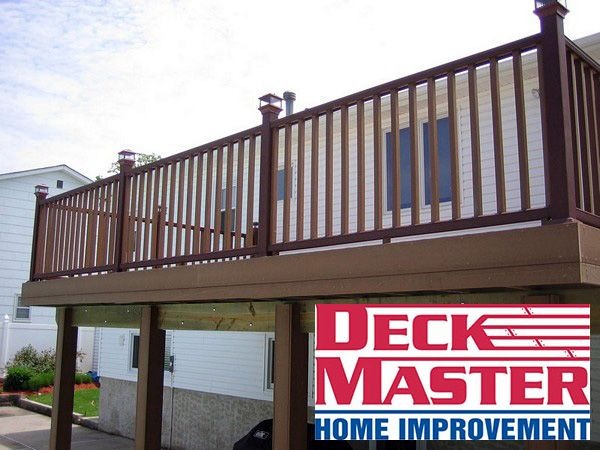
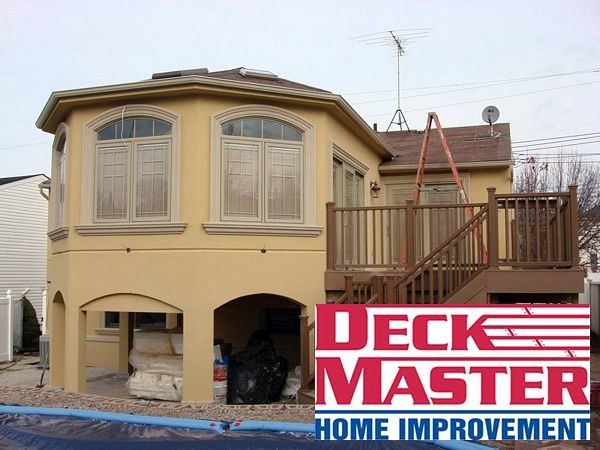
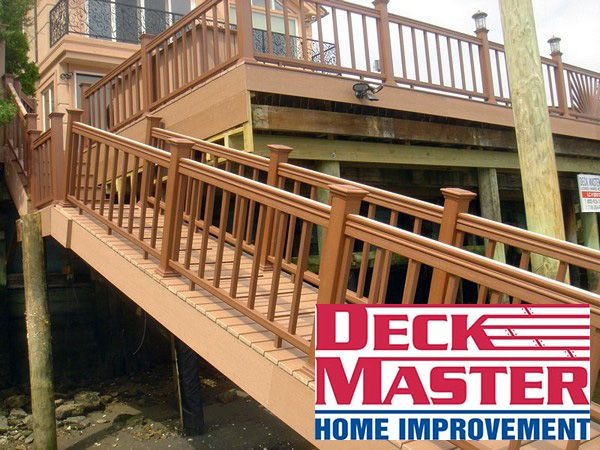
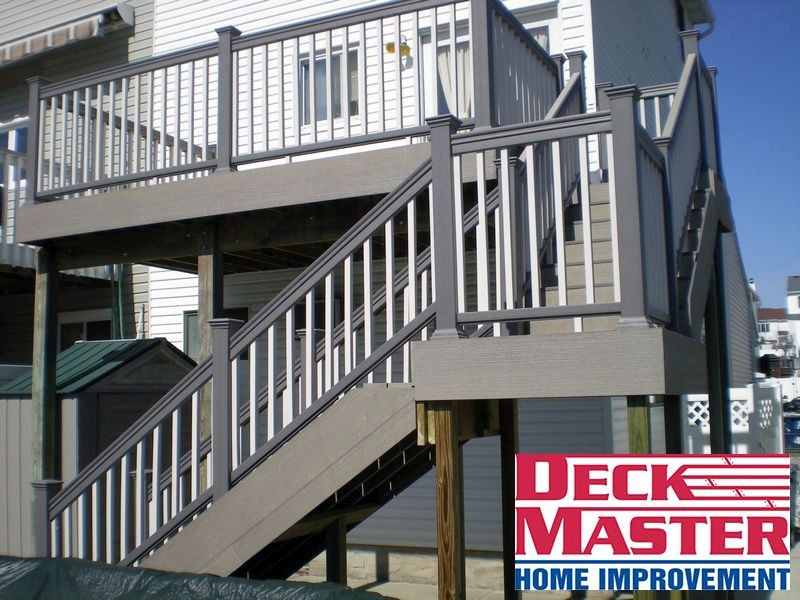
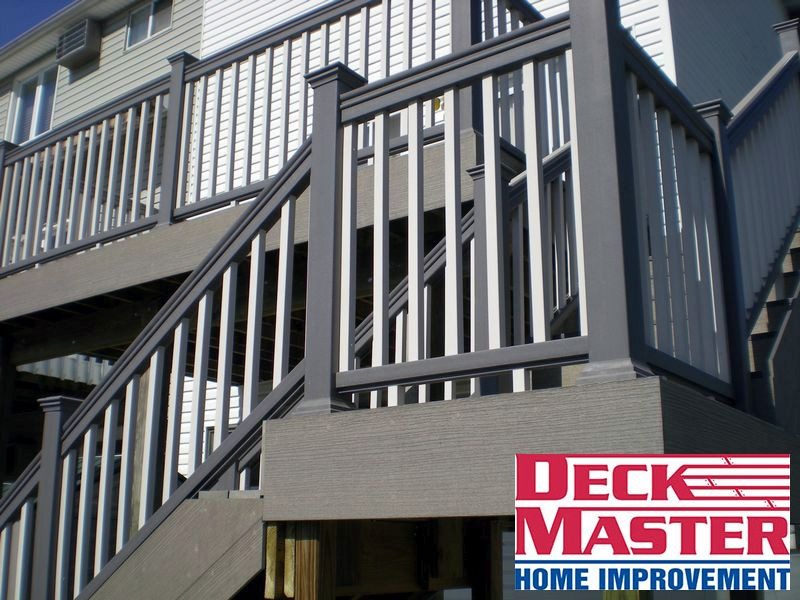
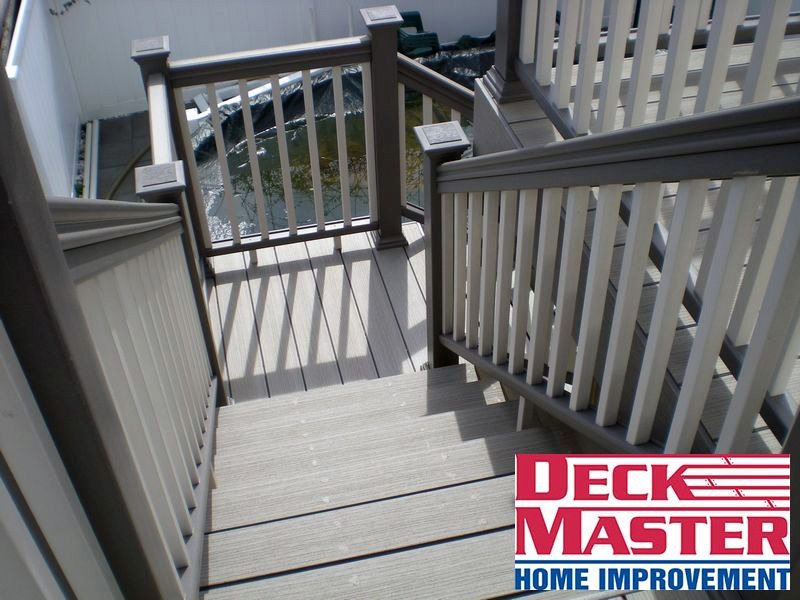
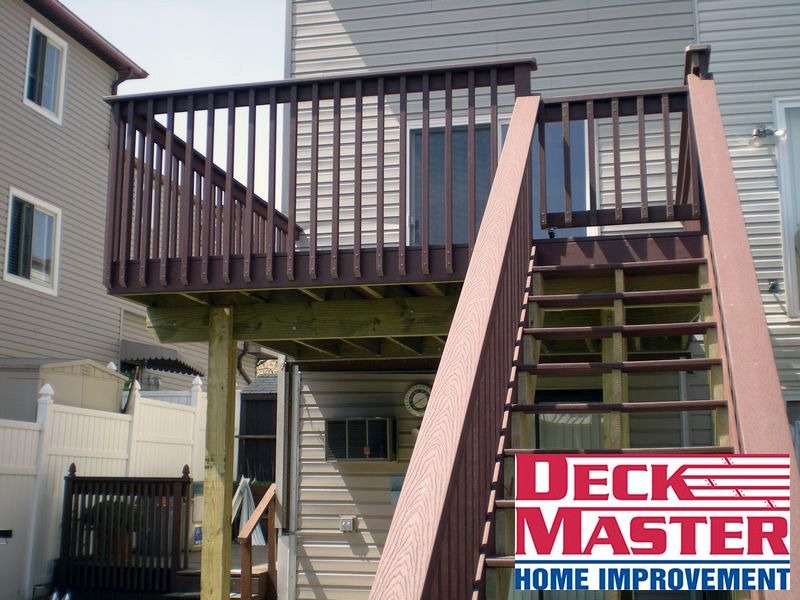
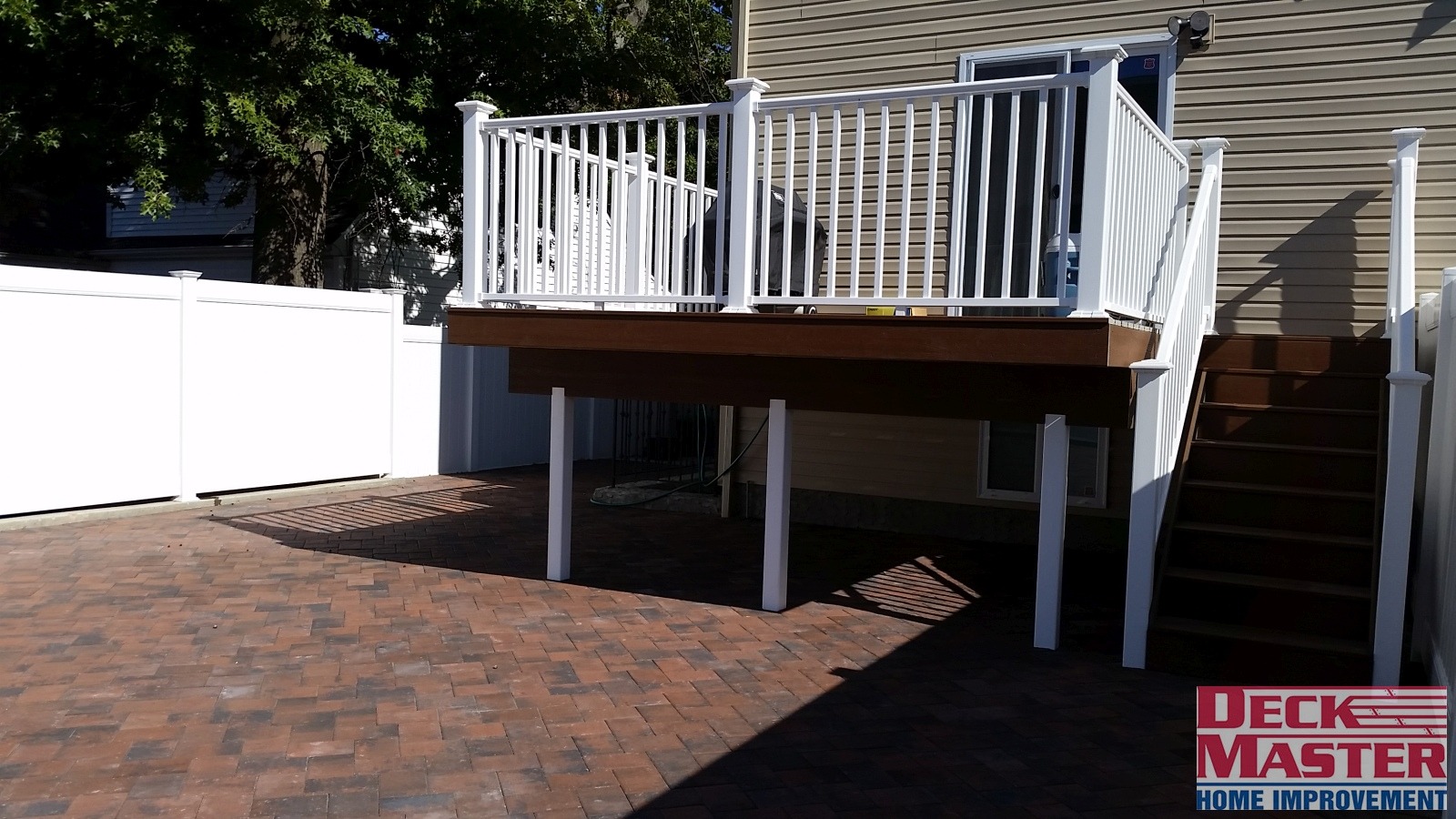
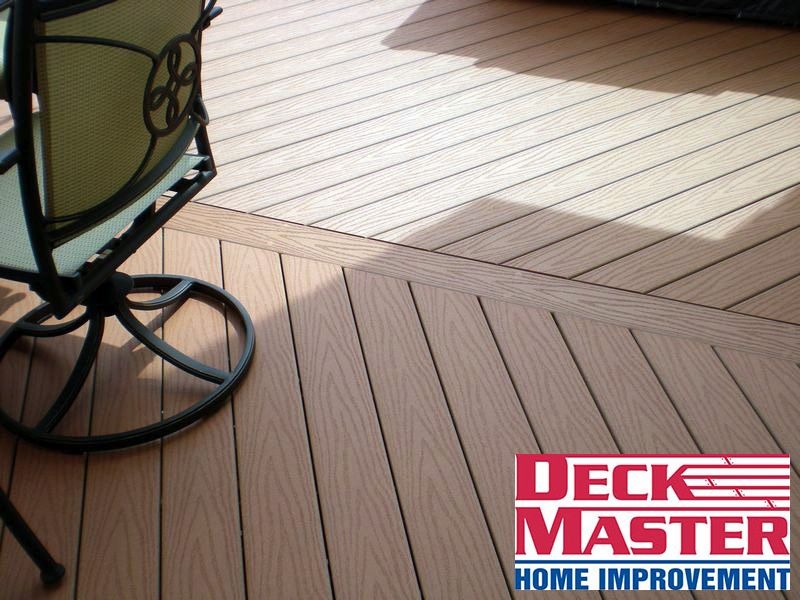
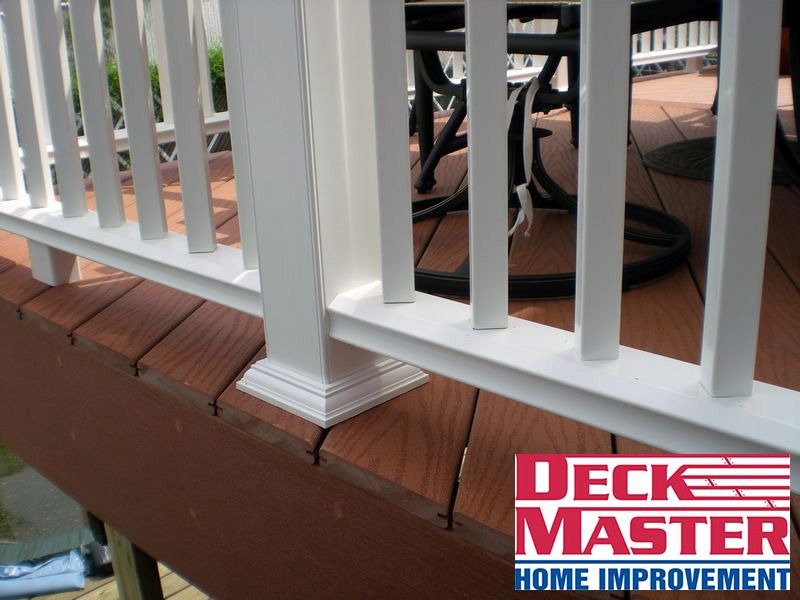
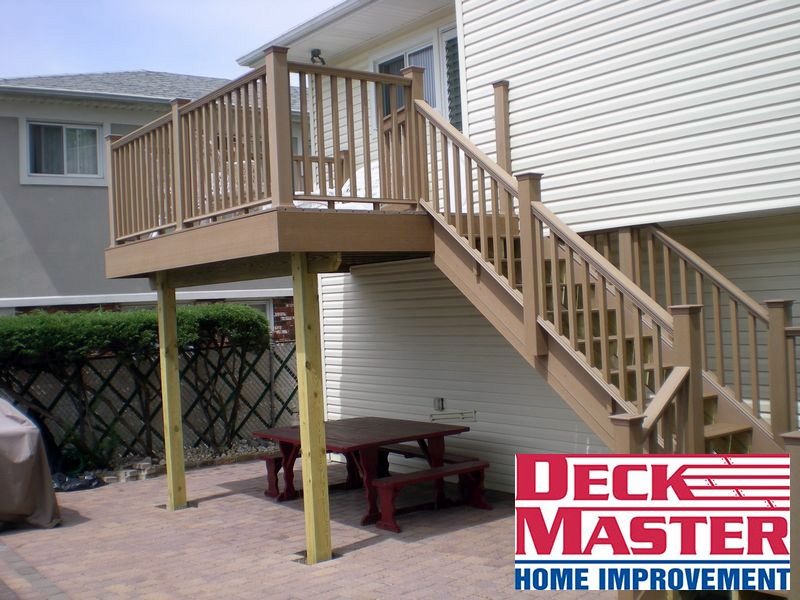
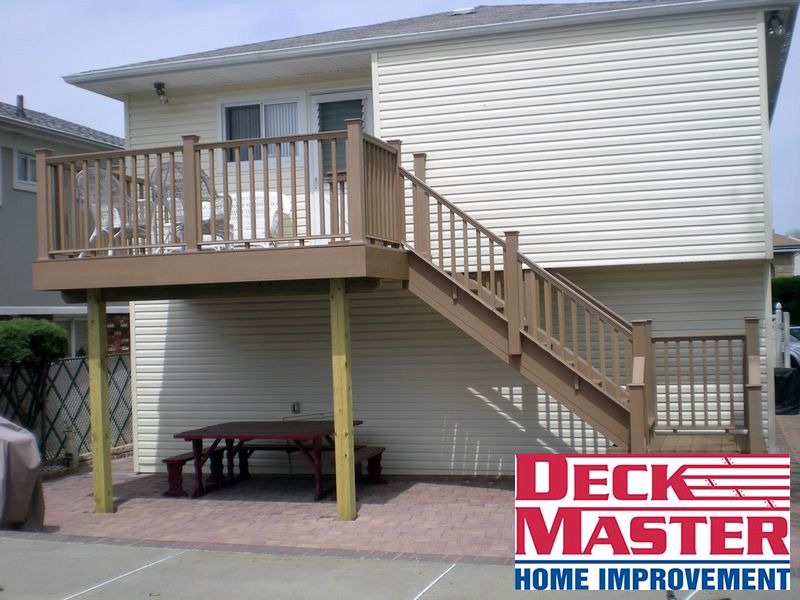
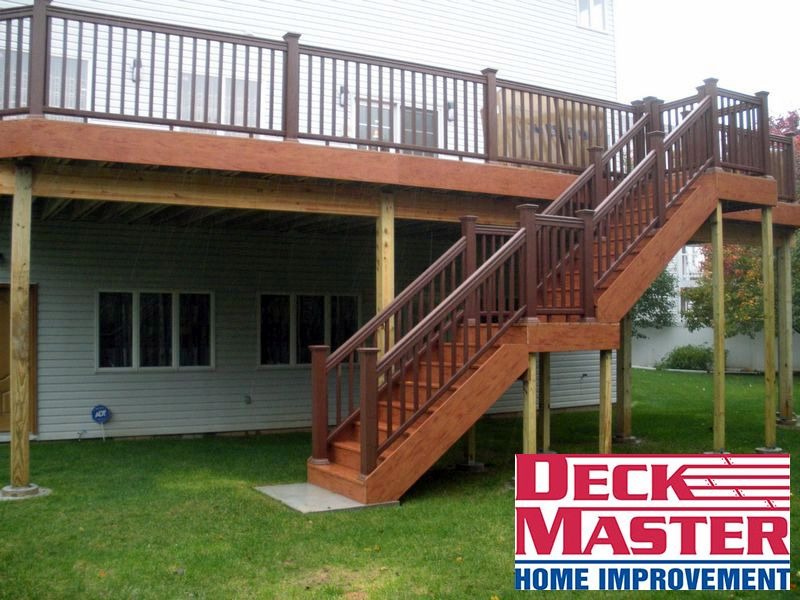
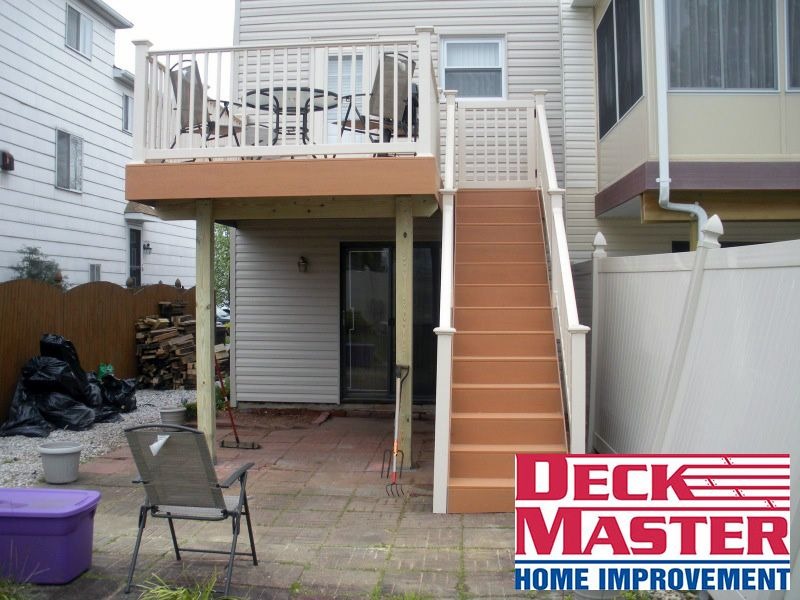
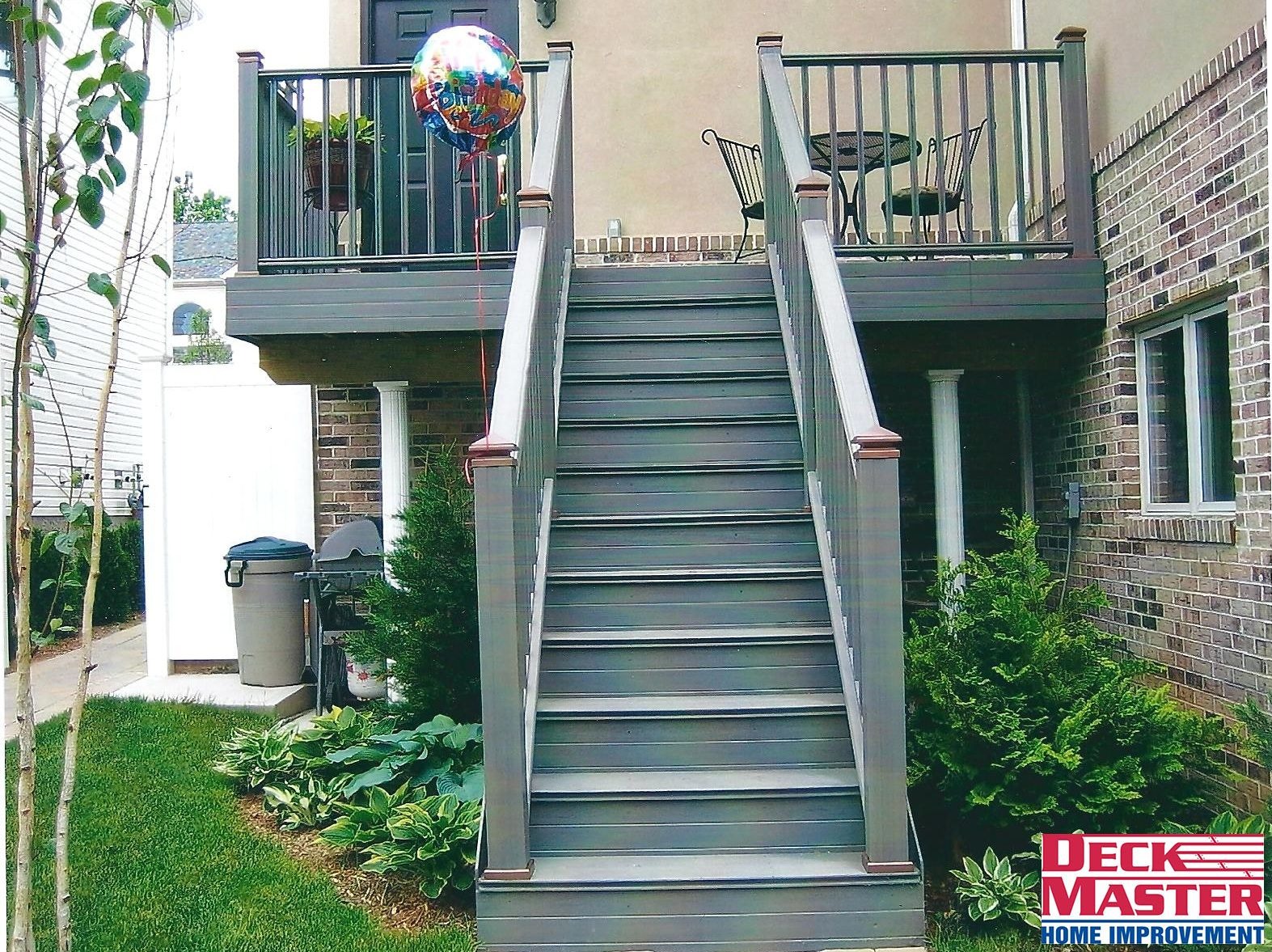
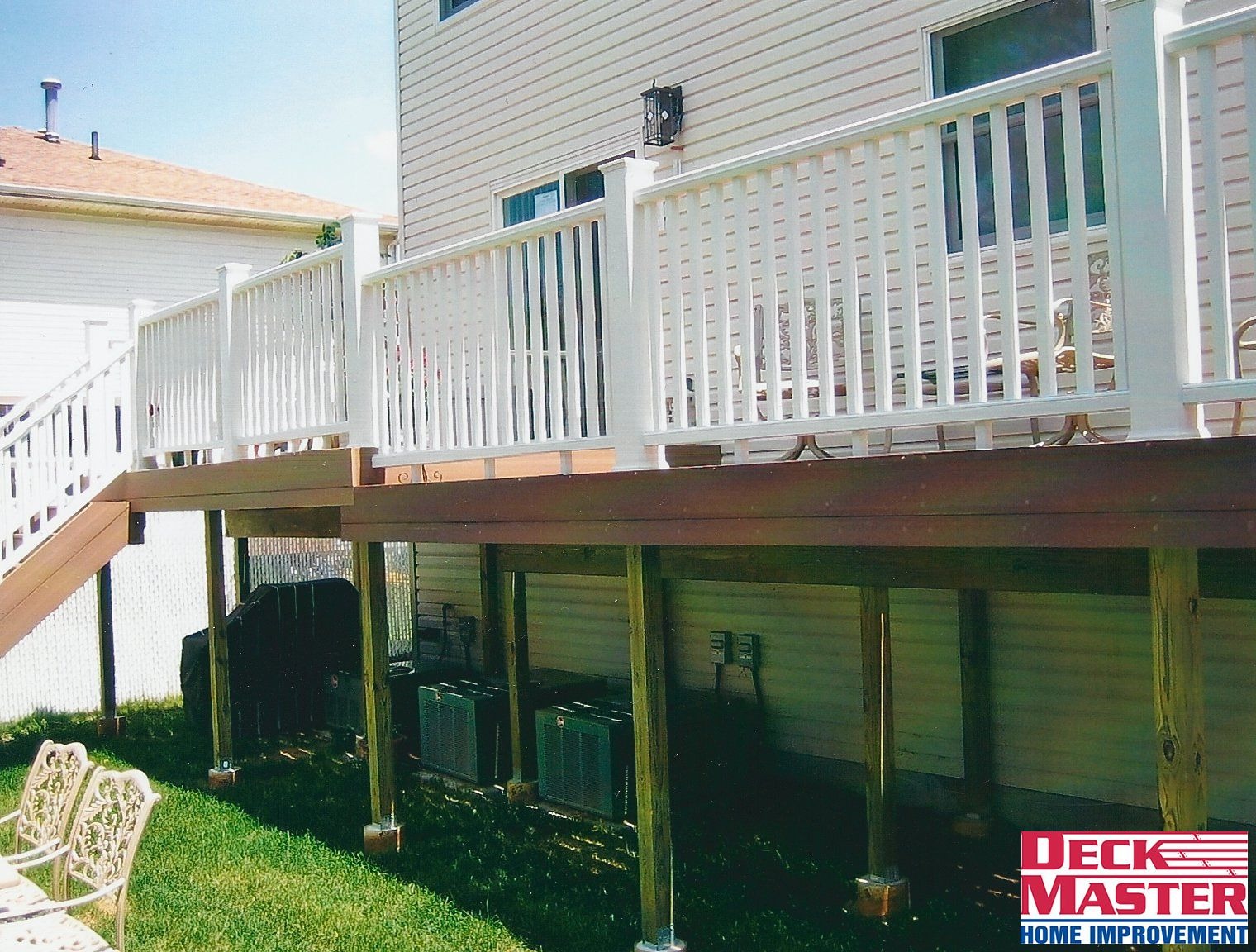
A documented second-story project in Gerritsen, NY used Trex Transcend decking with RDI railing and required a custom staircase engineered with 23 steps and 24 risers to bridge the elevation gap between the upper platform and grade level. That type of stair planning becomes necessary on properties where steep rear-yard drops make direct access impossible without extended vertical egress systems.
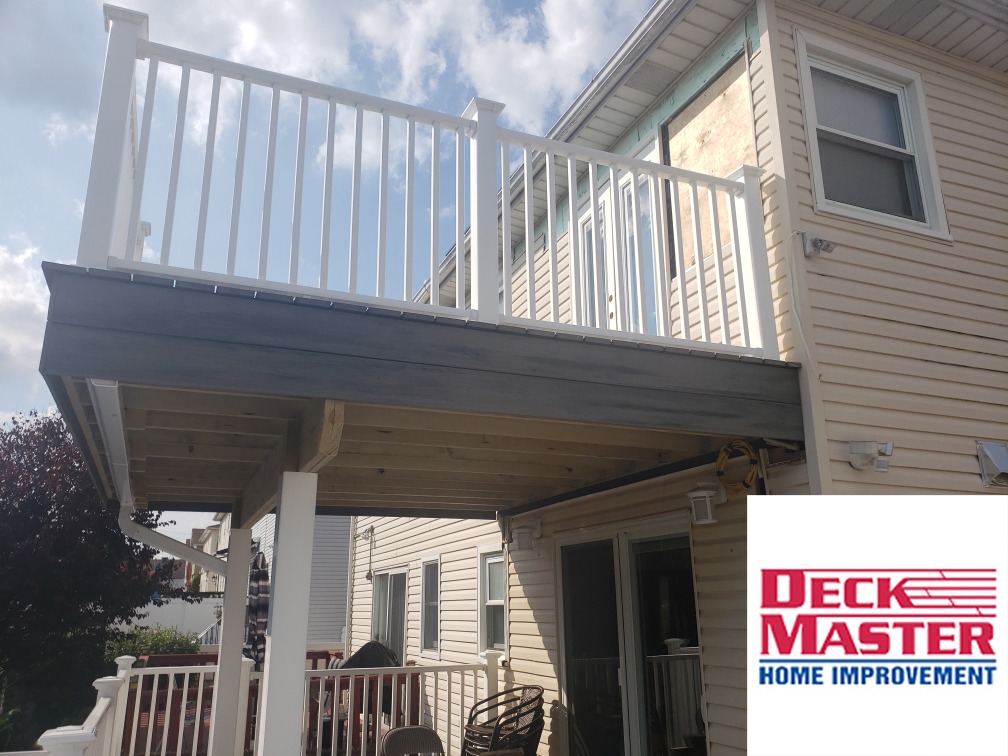
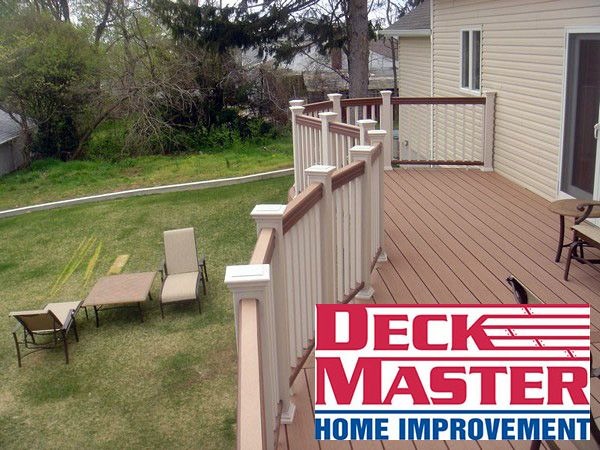
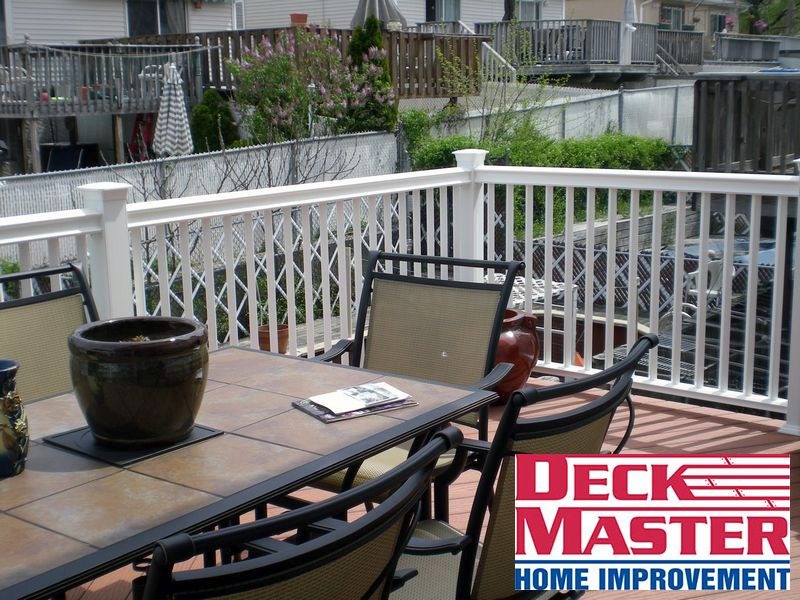
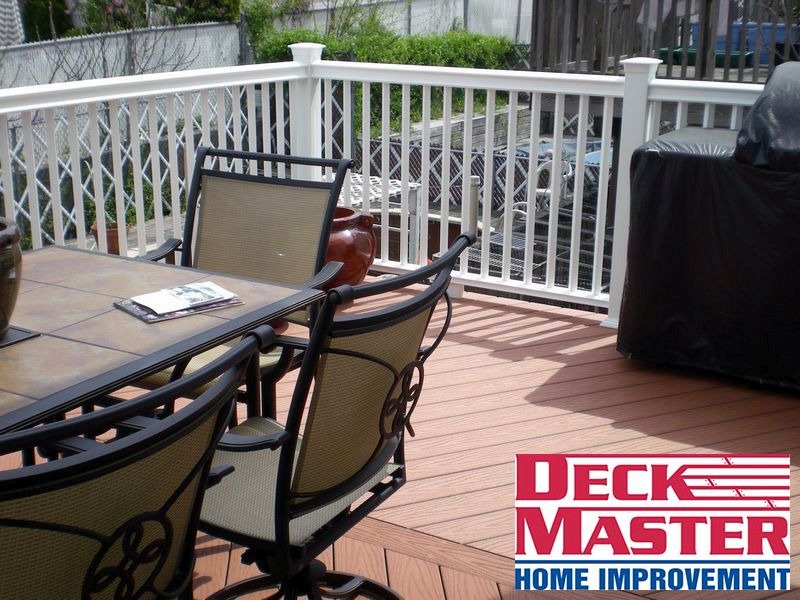
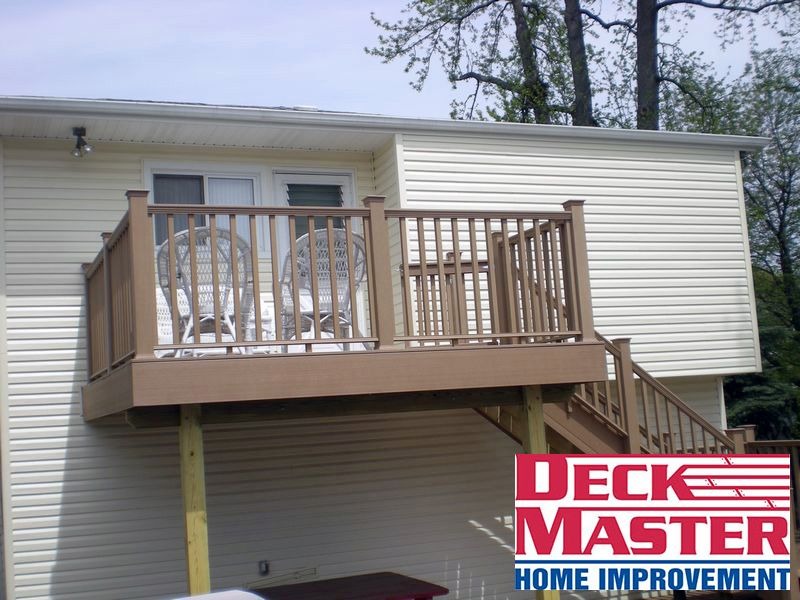
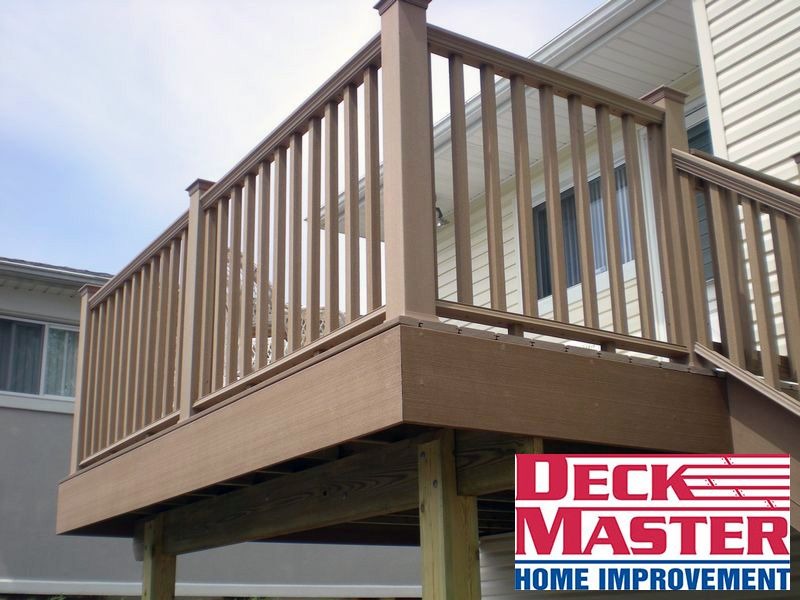
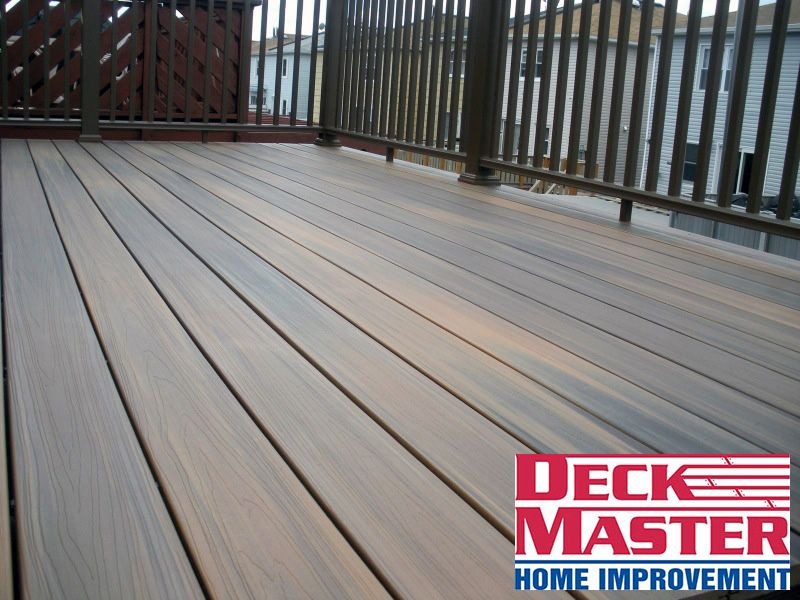
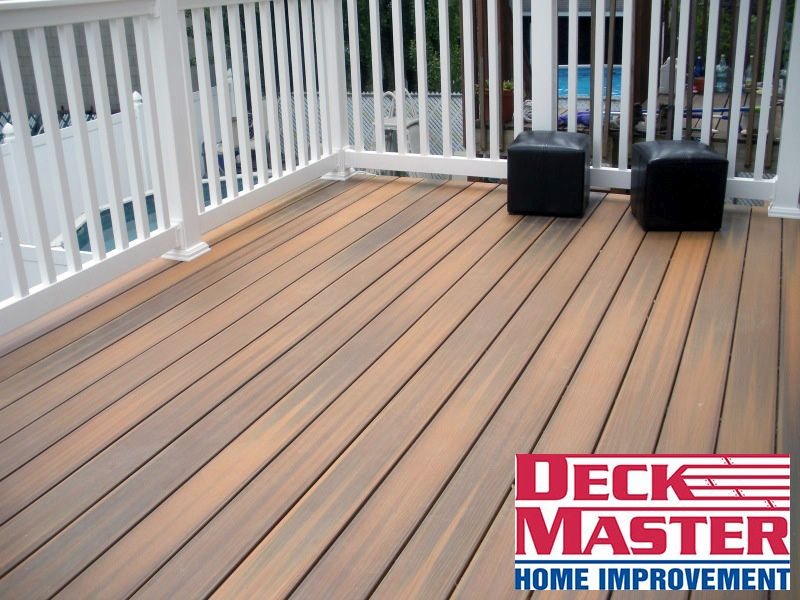
In Mill Basin, NY, Deck Master completed a 240-square-foot second-story deck finished with Trex Transcend flooring, aluminum railing, and integrated cocktail tops. The project maximized usable outdoor living space on a compact residential lot while maintaining open traffic flow between the rear entry and lower yard areas.
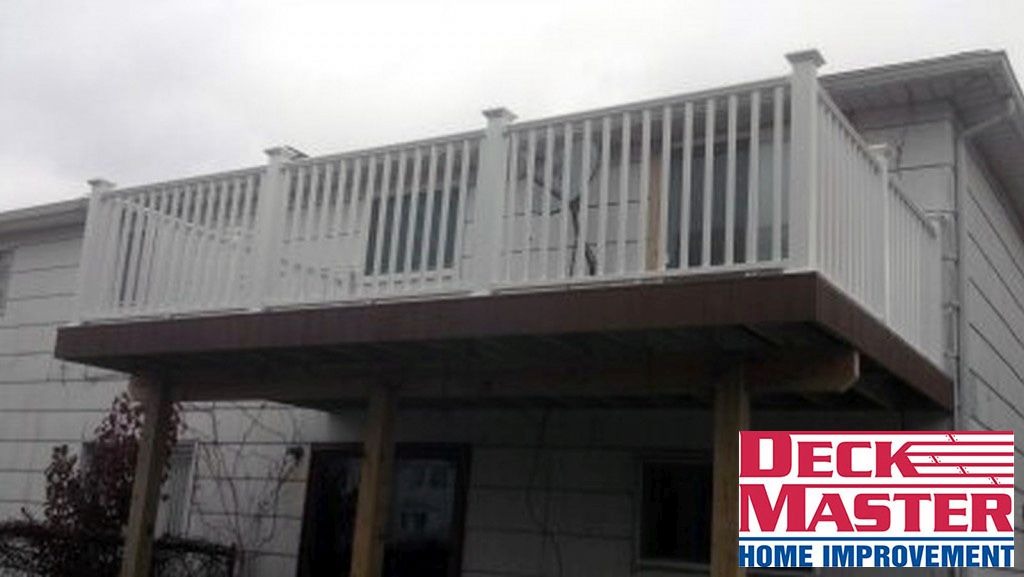
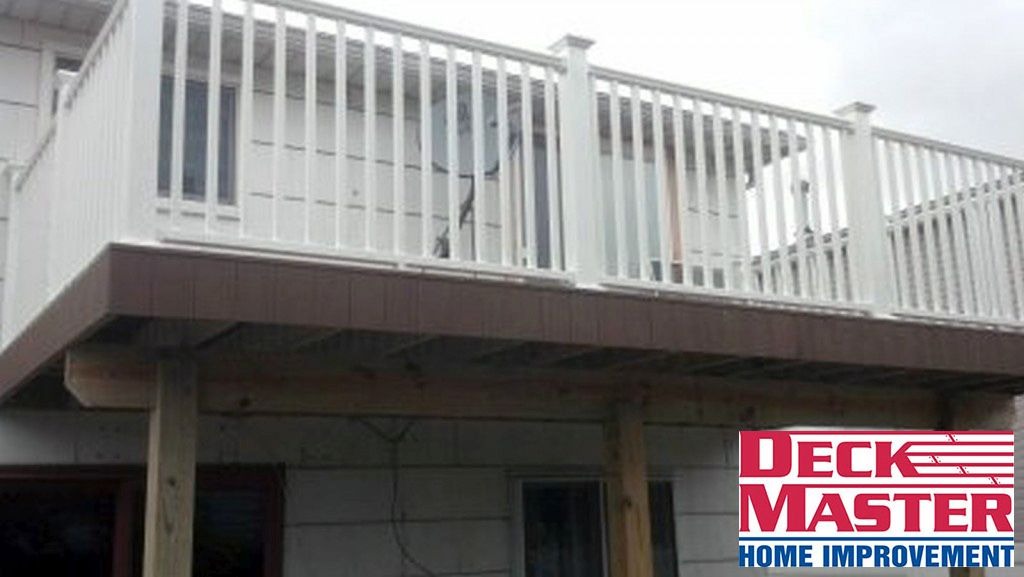
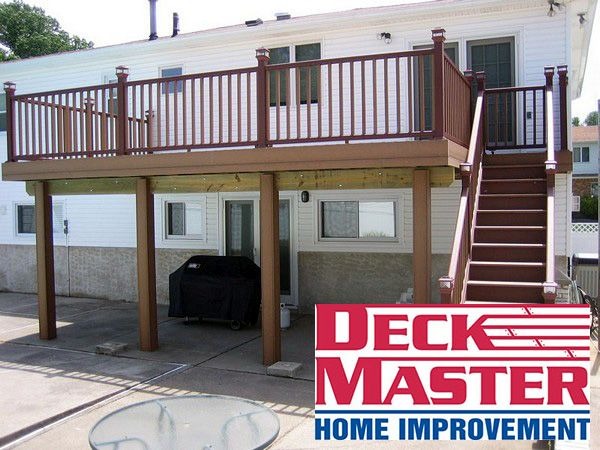
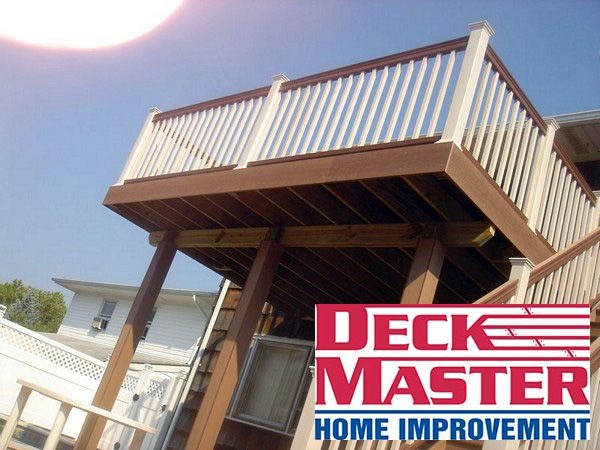
Another verified build included a 678-square-foot elevated second-story deck in Brooklyn using Trex Transcend composite flooring and RDI railing systems. Projects at this scale require reinforced framing layouts, footing calculations based on live-load requirements, and structural planning that accounts for long-term seasonal movement during Northeast freeze-thaw cycles.
The company has also completed complex rooftop projects, including a 600-square-foot rooftop deck in Greenwich Village using Trex Transcend and Trex Signature systems, along with a 1,200-square-foot rooftop installation in Sheepshead Bay that incorporated structural pergolas and integrated planter benches.