Extensions and Enclosures That Make Outdoor Space Usable Year-Round
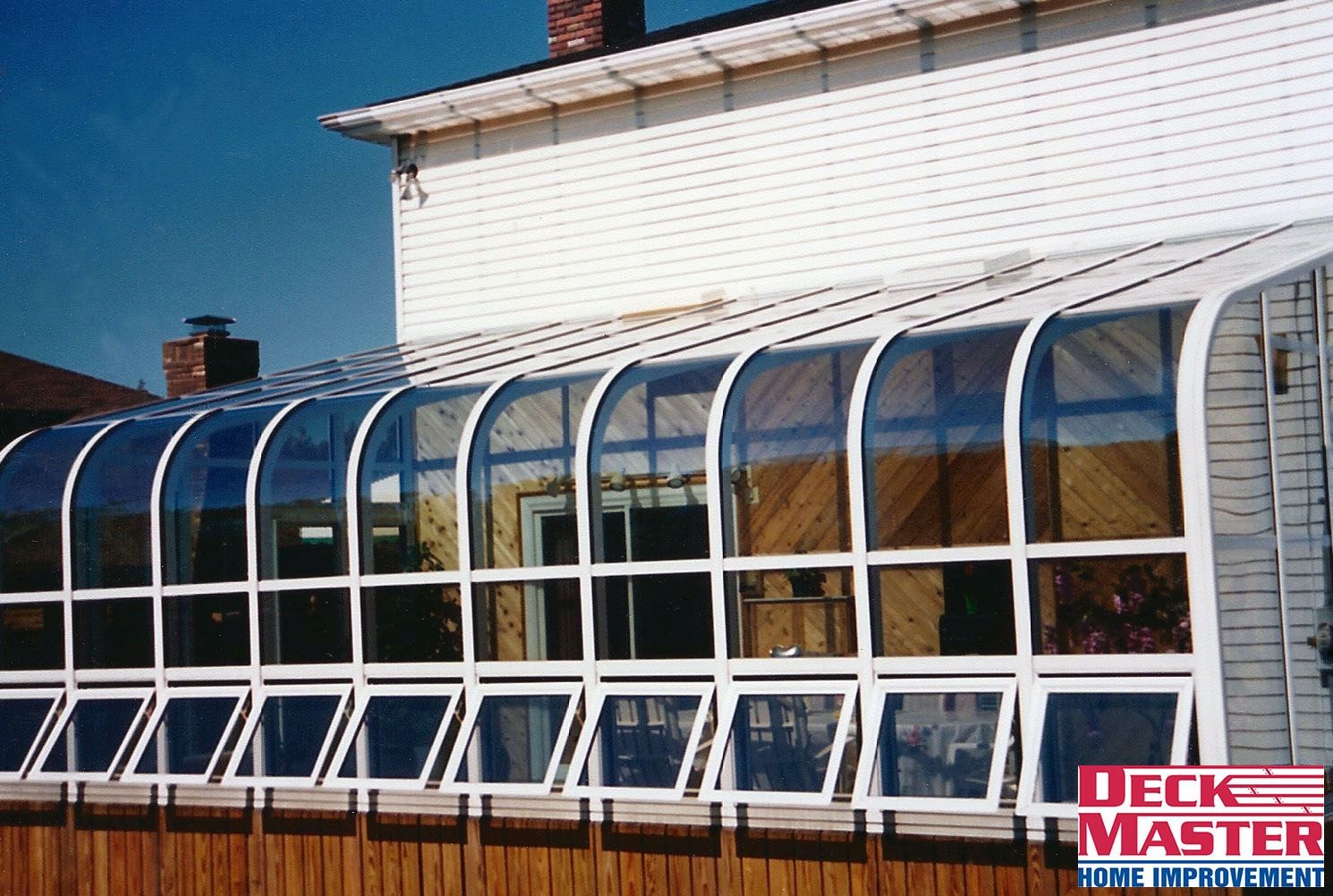
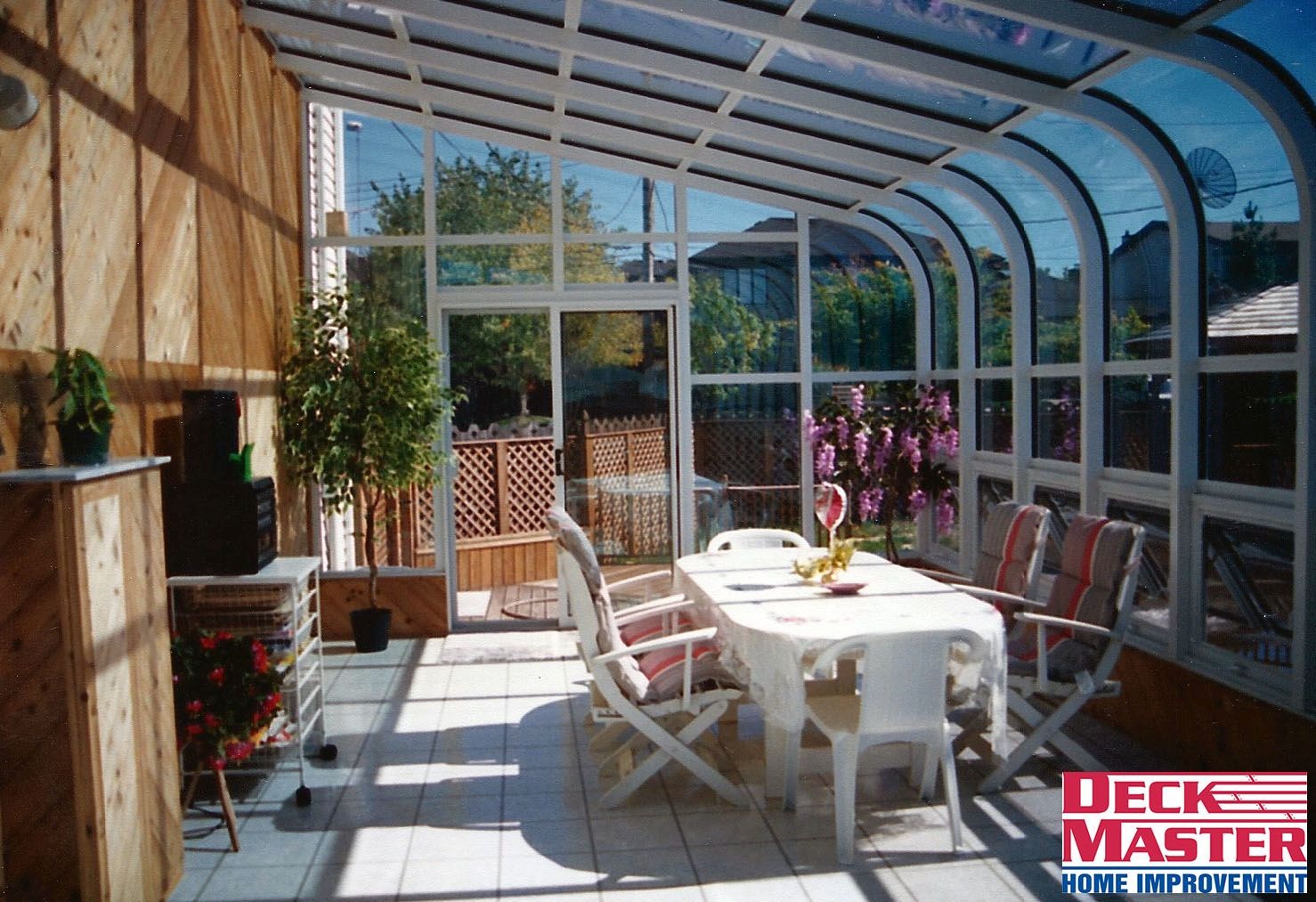
A deck extension or enclosure changes how a property functions. In Staten Island, many homeowners start with a basic deck layout and later realize they need more protection from wind, rain, neighboring sightlines, or seasonal weather. Others want to turn an exposed outdoor area into a covered entertainment space that works beyond summer weekends.
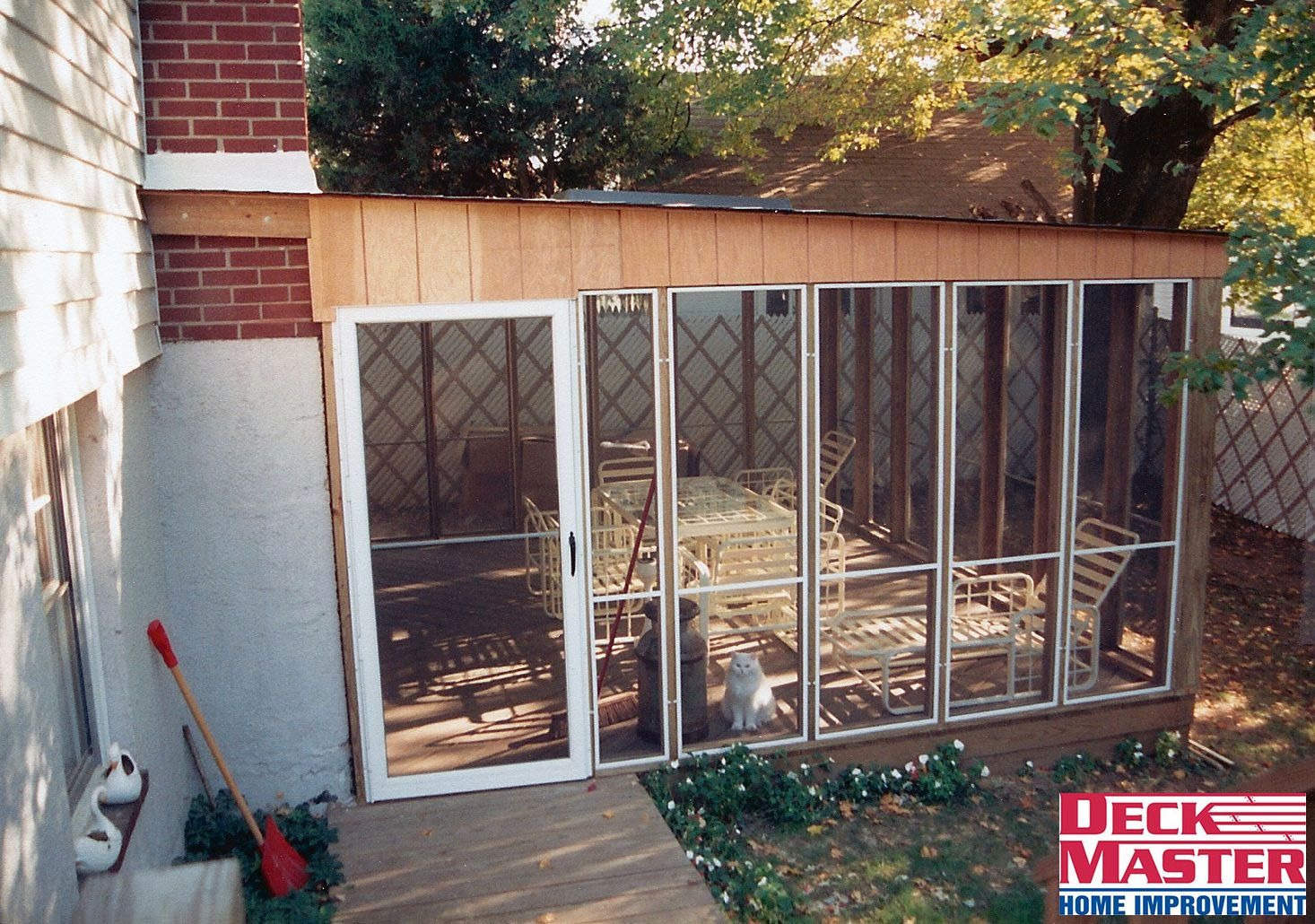
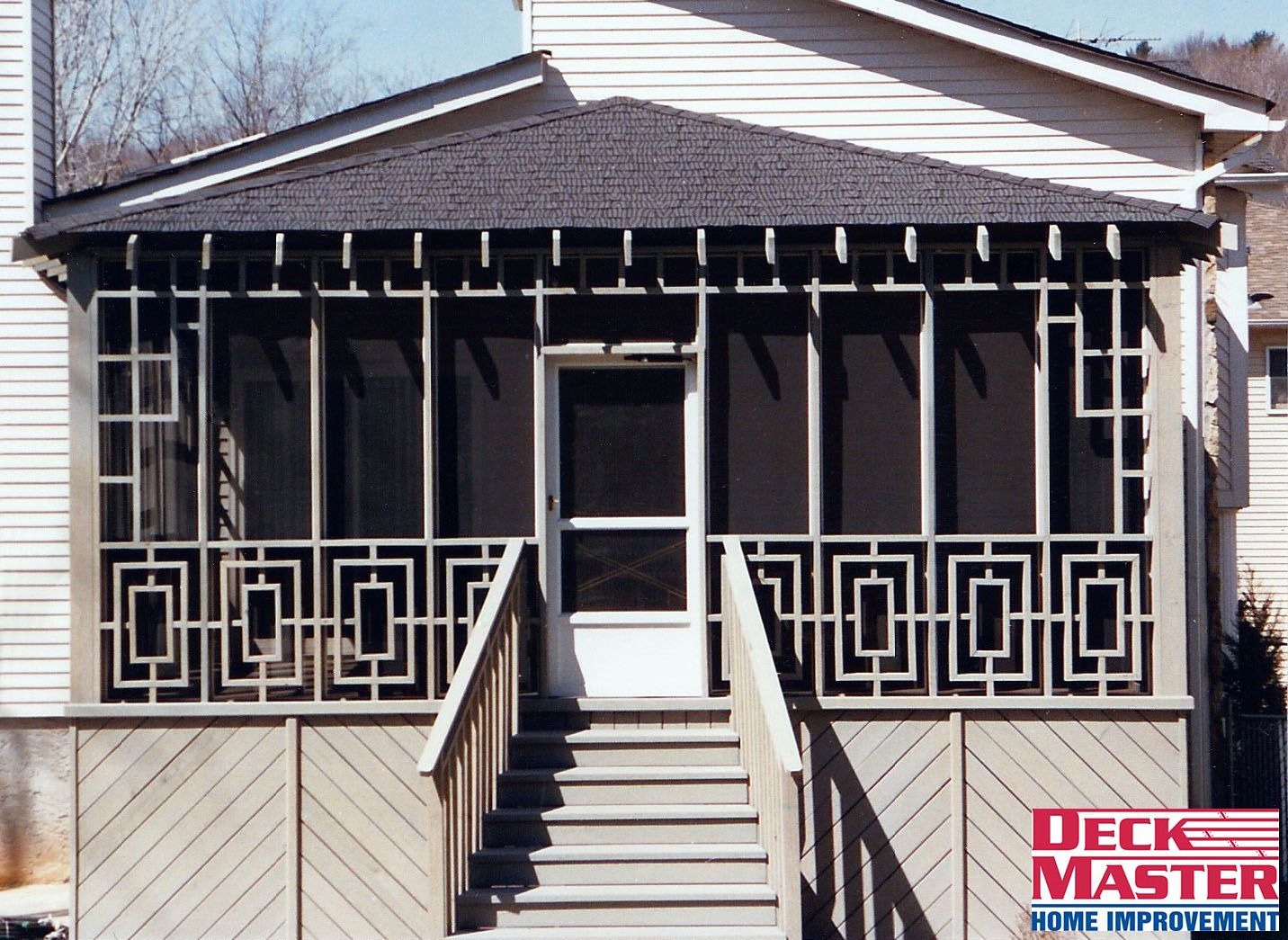
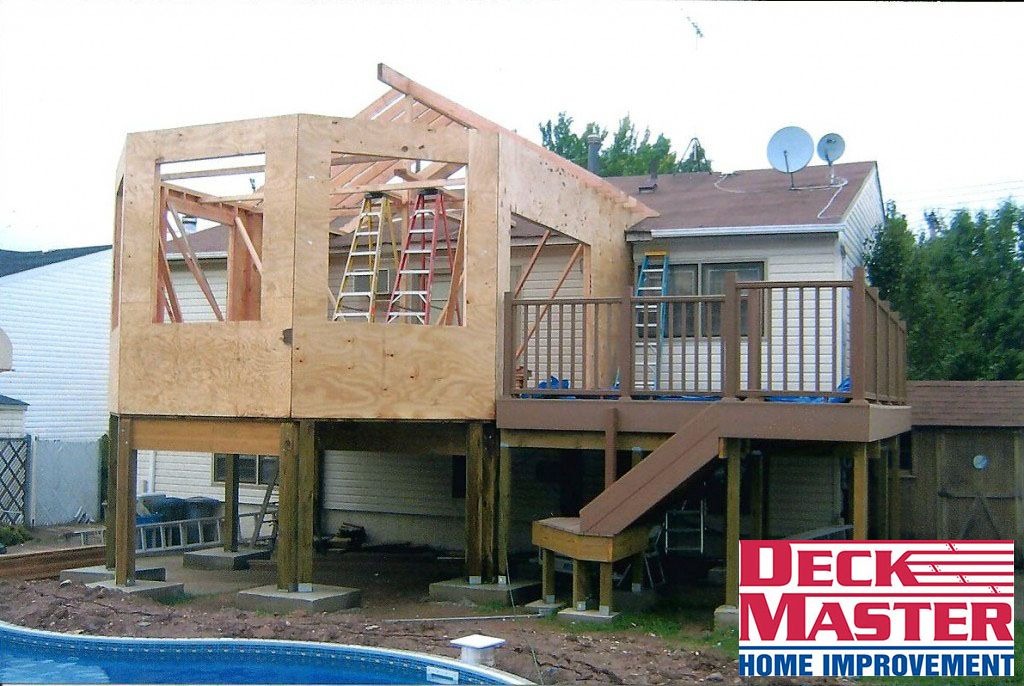
At Deck Master Company, extensions and enclosures are designed as structural additions that integrate with the original deck system instead of feeling like separate add-ons attached afterward.
Built Around Staten Island’s Coastal Conditions
Outdoor structures near Great Kills, Tottenville, South Beach, and waterfront Brooklyn neighborhoods deal with constant environmental pressure from salt-heavy air, moisture retention, coastal wind, and freeze-thaw movement. Open decks without proper overhead protection often experience faster surface wear, fading, and moisture buildup around framing connections.
Properties in inland Staten Island neighborhoods like Todt Hill, Annadale, and Arden Heights face a different issue. Elevated grading, wooded lots, and shaded backyards create long periods of moisture retention during spring and fall, especially beneath enclosed or partially covered structures.
That’s why deck extensions and enclosure systems need to be designed around ventilation, drainage, and long-term structural movement from the beginning.
Extensions Designed Around How the Space Is Actually Used
Most homeowners requesting deck extensions aren’t trying to make the deck bigger for appearance alone. They’re usually solving a functional problem caused by limited entertaining space, poor weather protection, awkward traffic flow, or lack of usable seating areas.
Common extension and enclosure additions include:
Covered lounge sections
Pergolas and overhead shade systems
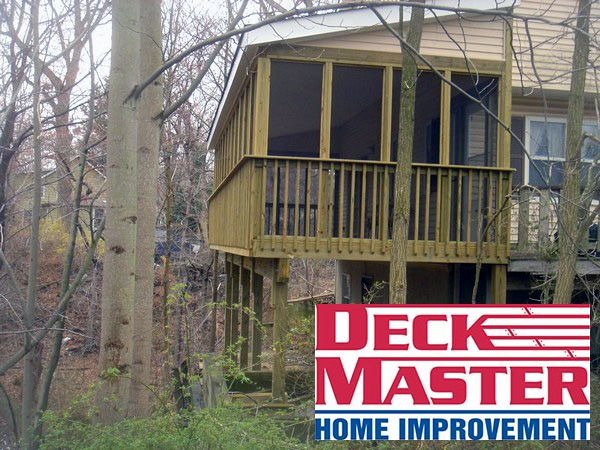
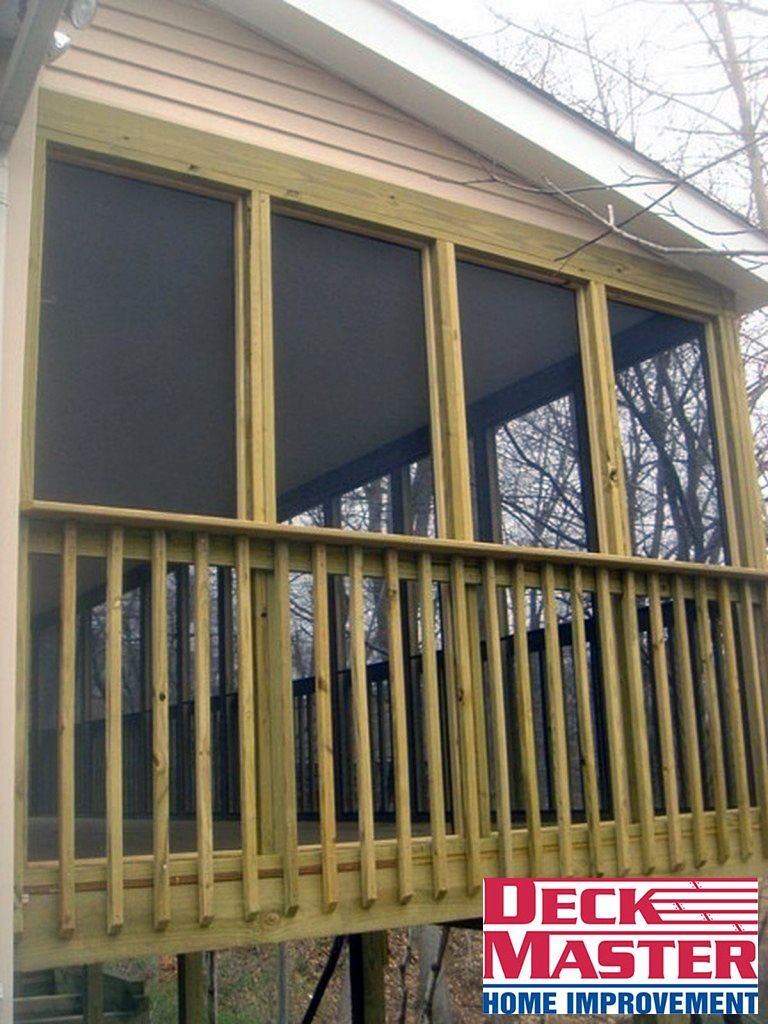
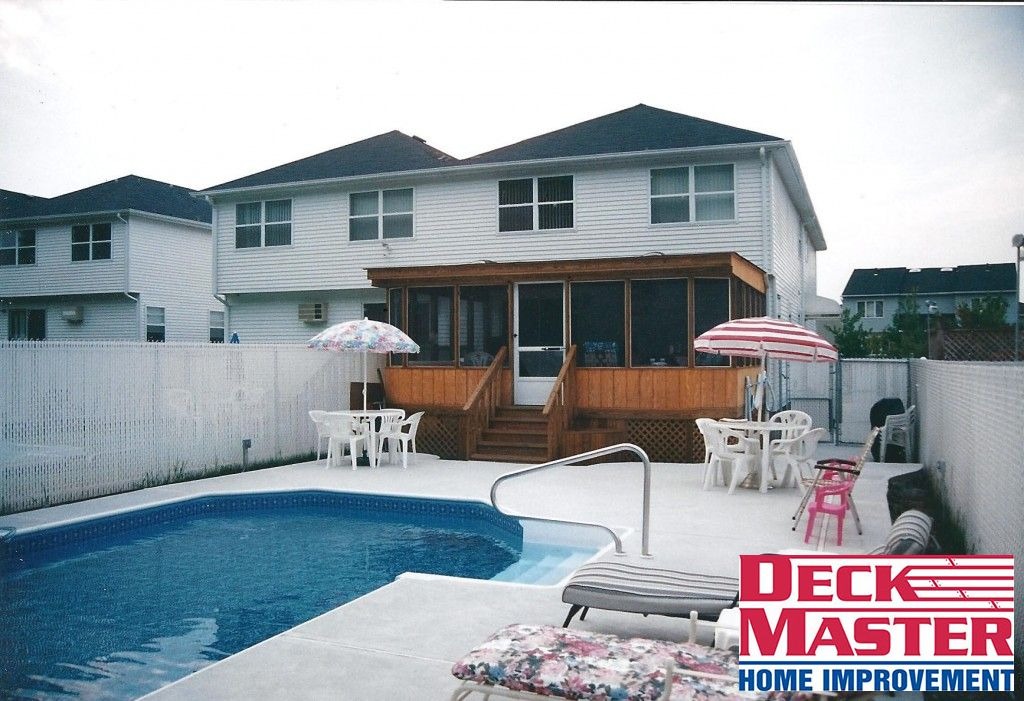
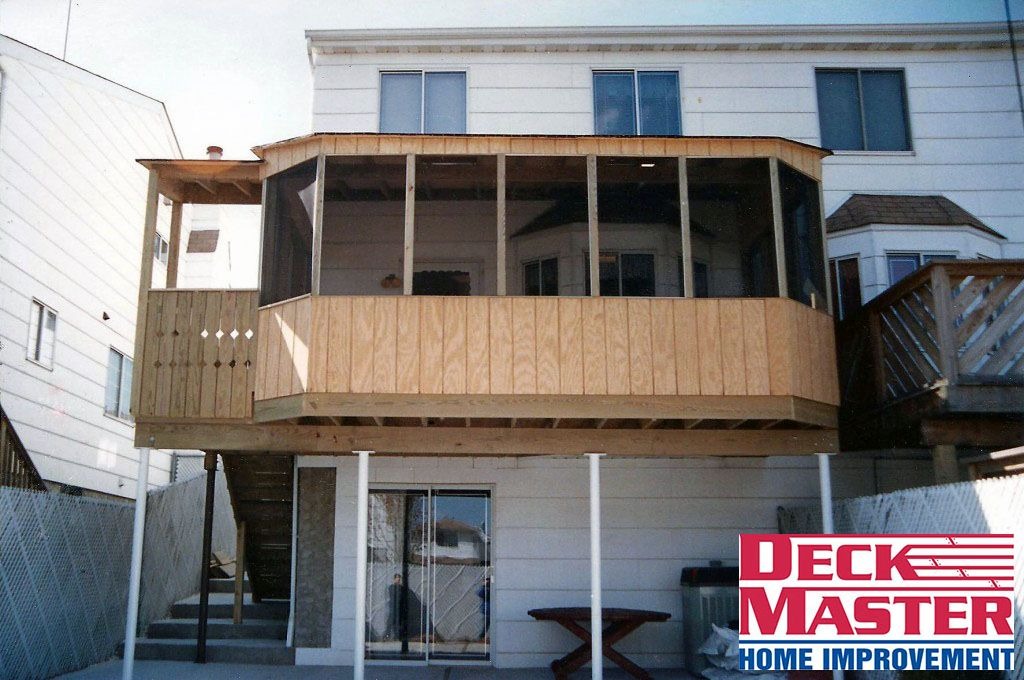
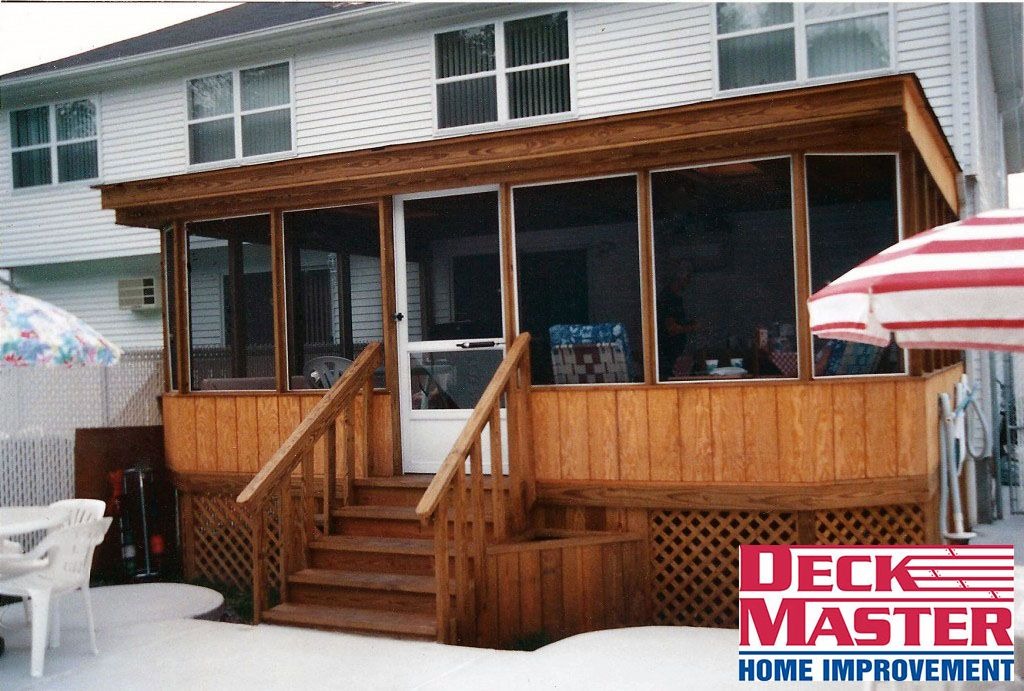
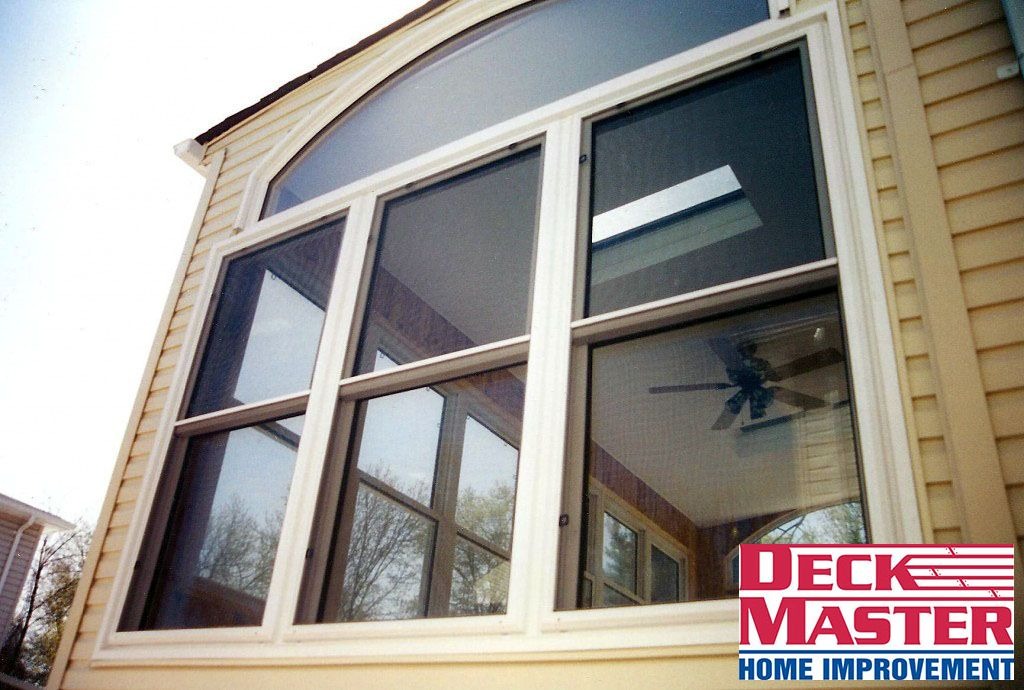
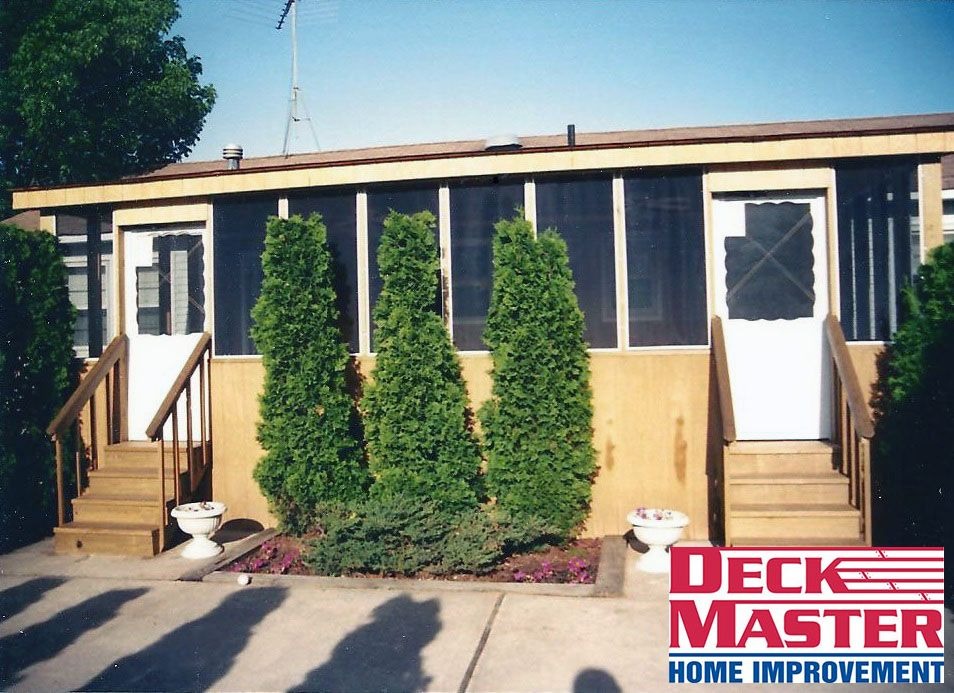
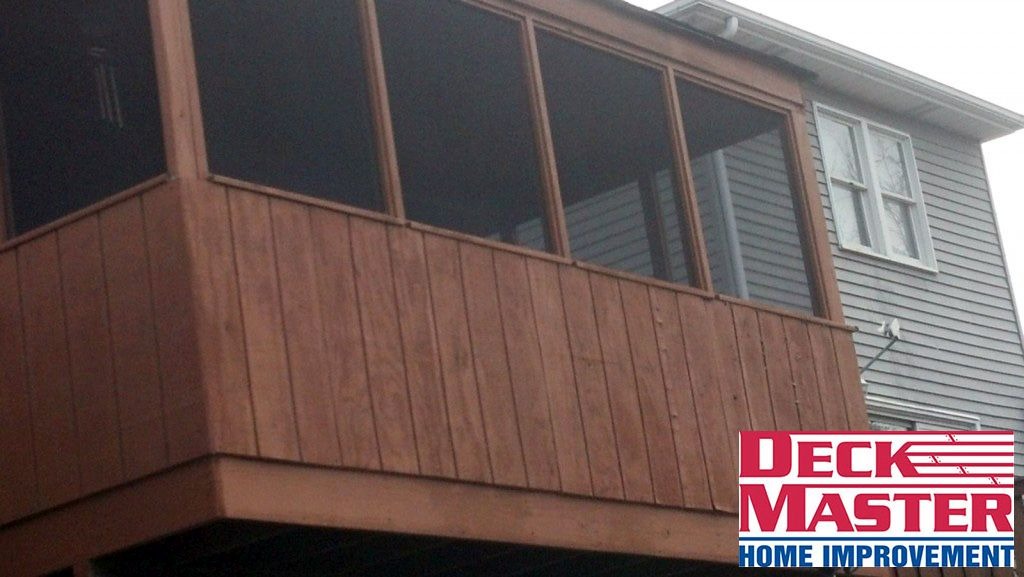
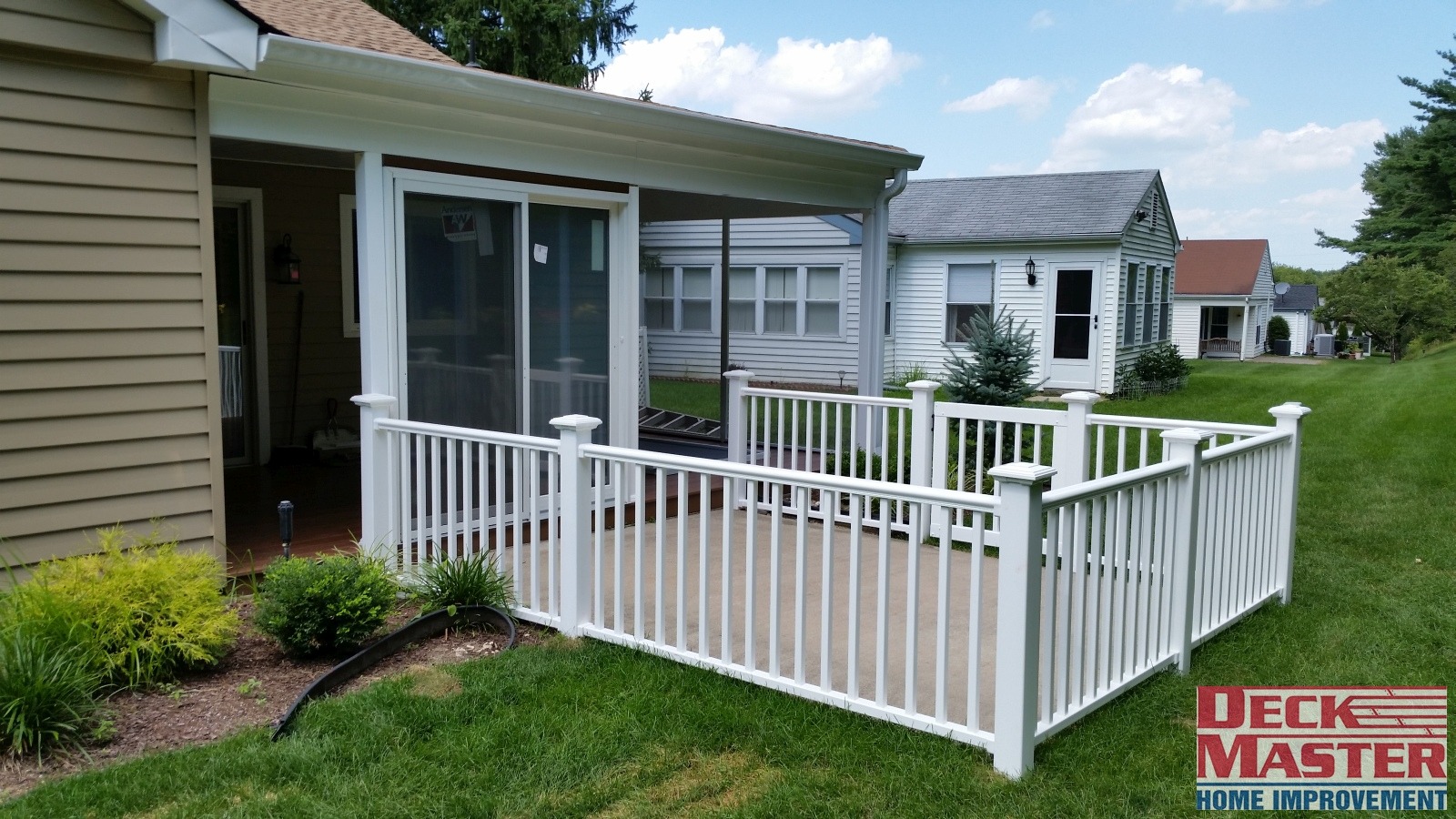
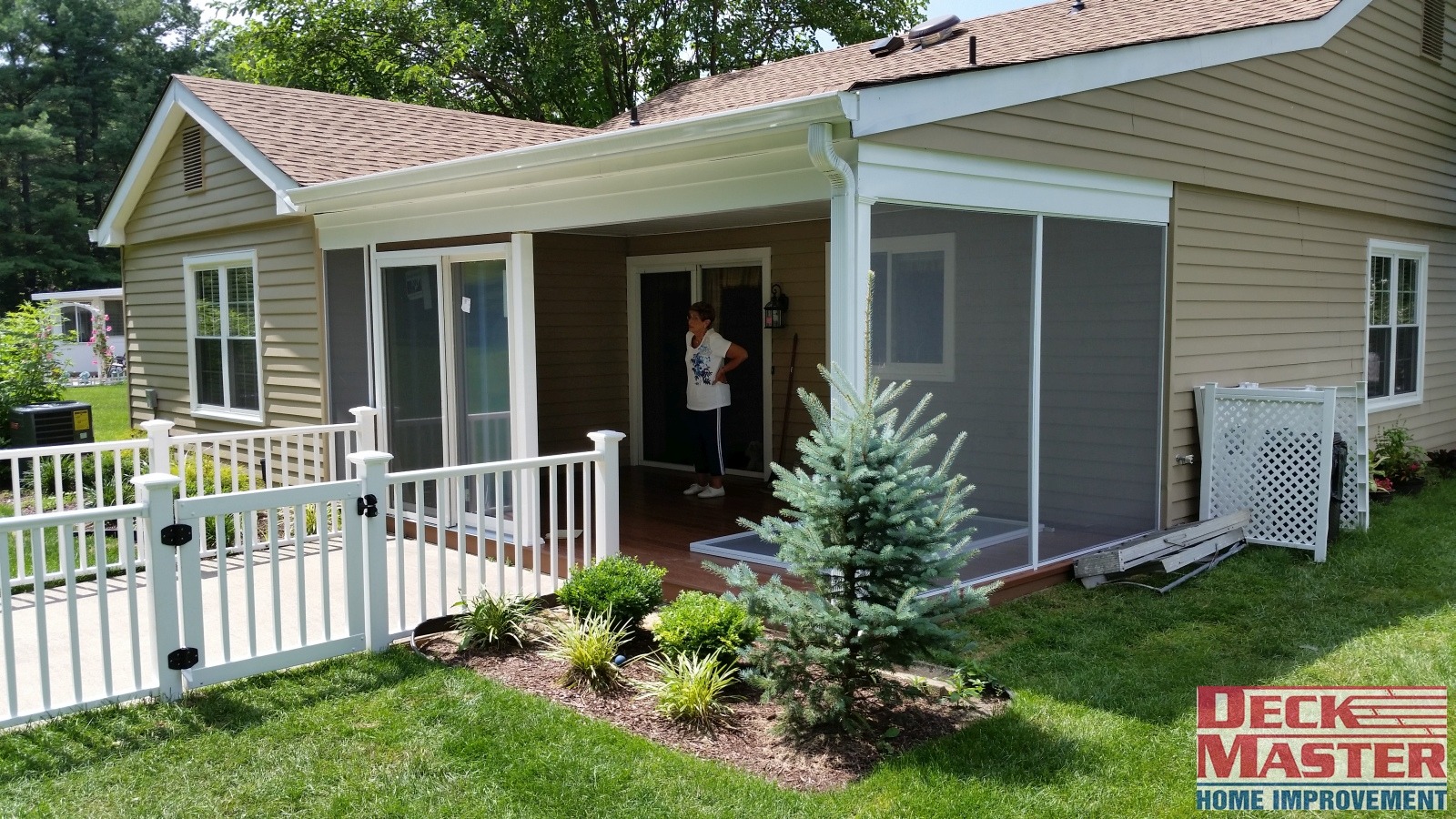
Screened enclosures
Roof extensions
Outdoor dining areas
Underdeck dry storage systems
Privacy walls and partitions
Expanded stair landings and transitions
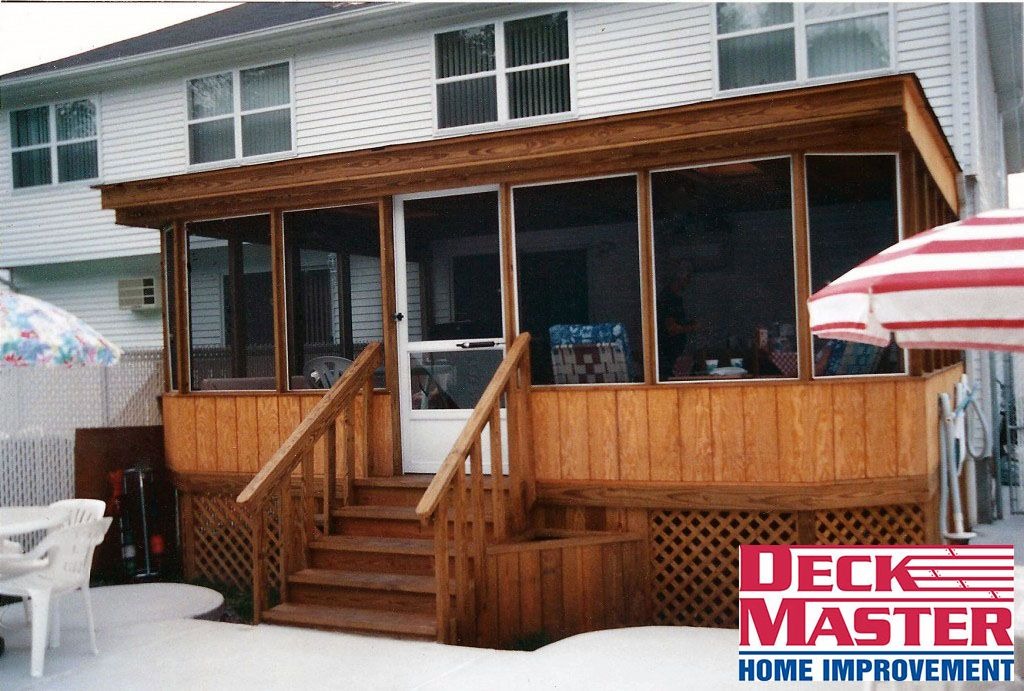
On elevated decks, enclosure systems are often used to create separation between grilling areas, lounge sections, and outdoor dining layouts without completely blocking airflow or visibility.
Verified Elevated and Multi-Level Projects
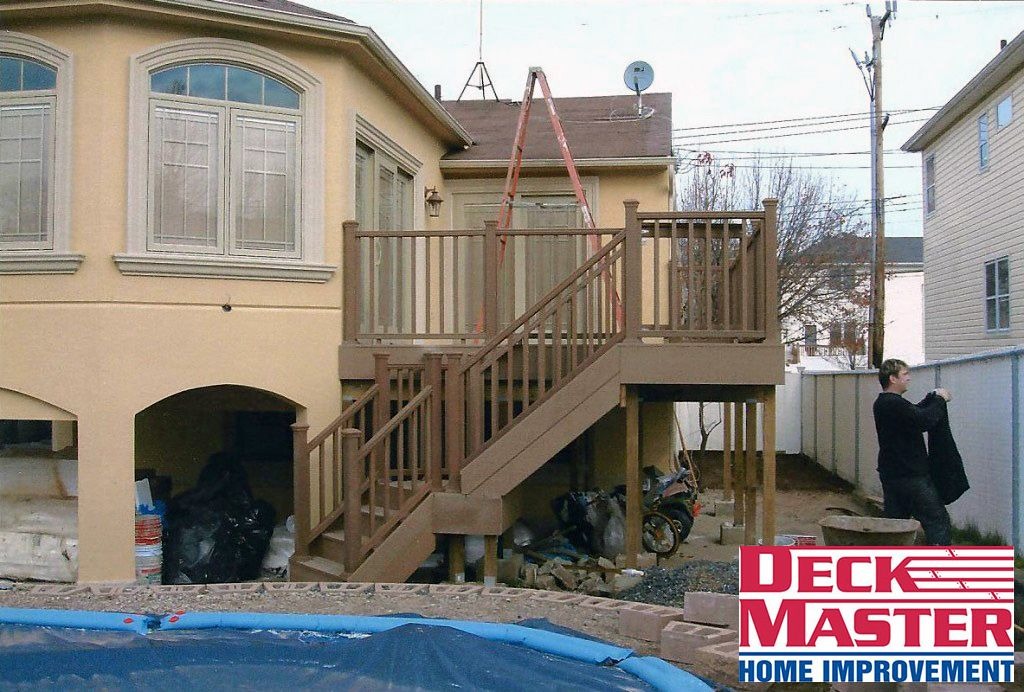
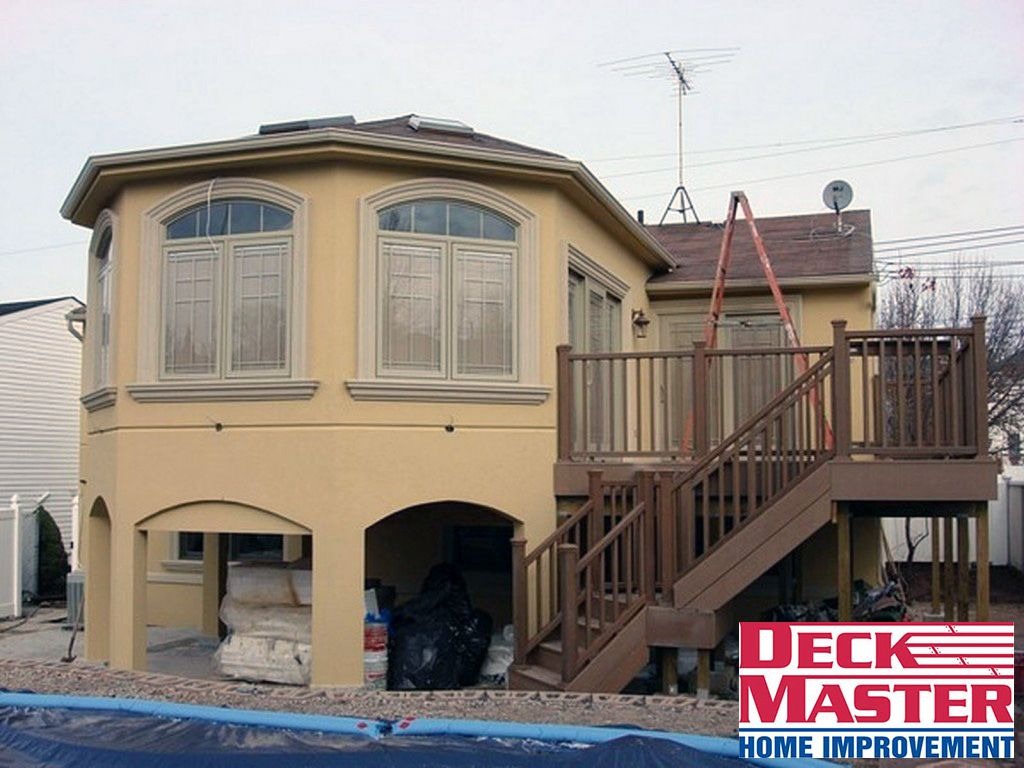
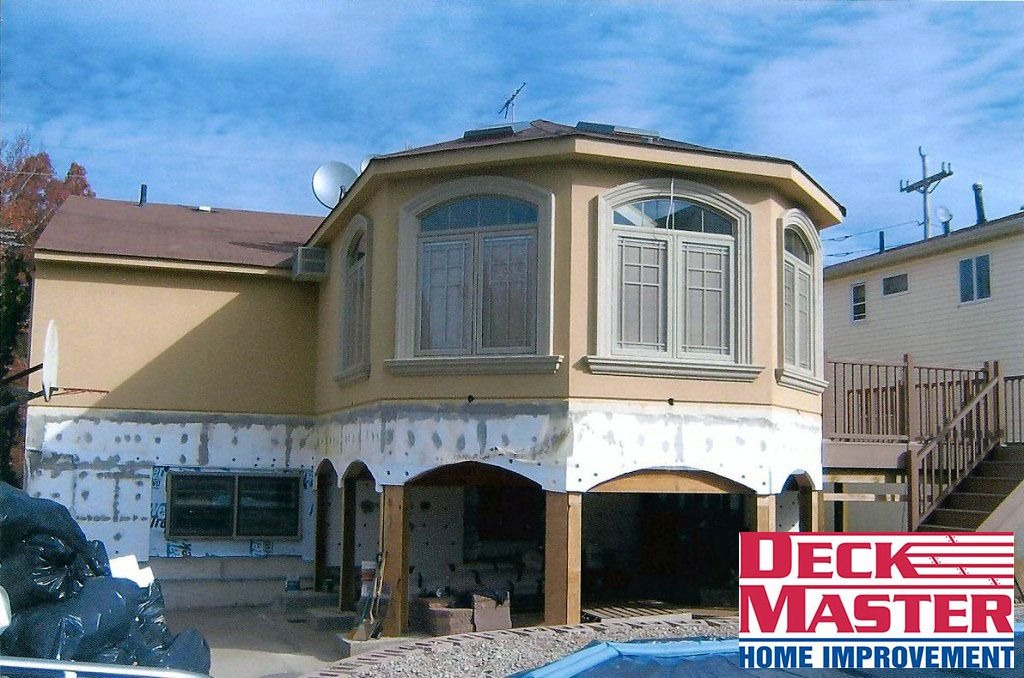
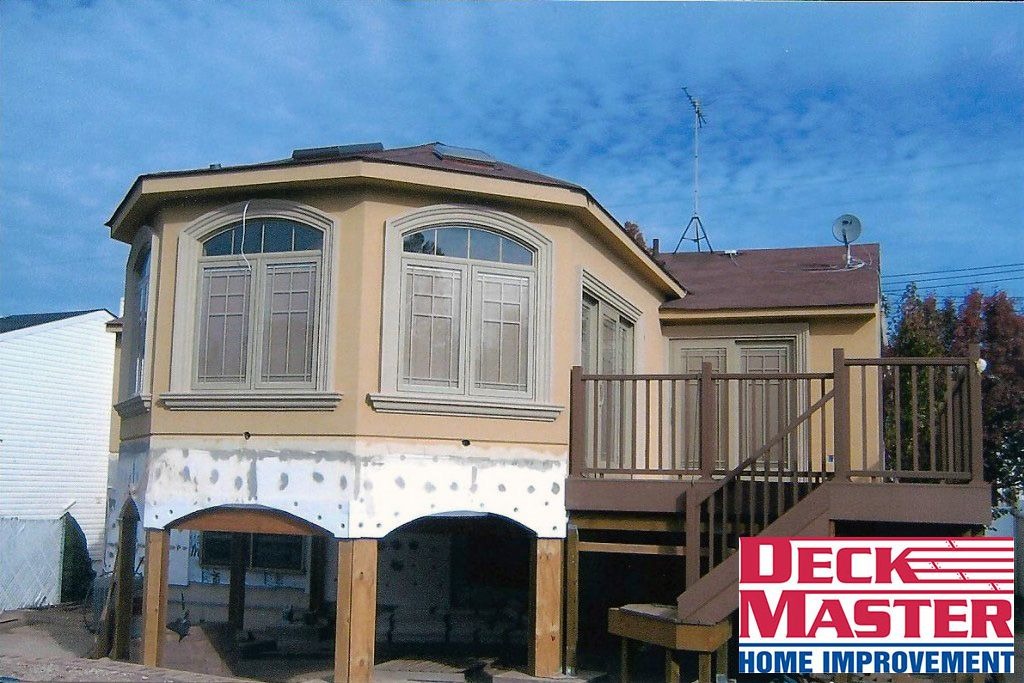
Deck Master’s published project portfolio shows extensive experience building elevated structures, rooftop decks, multi-level outdoor spaces, pergola systems, and integrated accessory features throughout New York City.
A verified Sheepshead Bay rooftop project included a 1,200-square-foot rooftop deck with integrated pergolas and built-in planter benches designed for long-term outdoor exposure. Projects like this require reinforced framing and overhead structural planning similar to enclosed deck extensions where additional load distribution becomes part of the engineering process.
Another documented Park Slope project combined TimberTech composite decking with Trex Signature railing, integrated planter systems, and custom cedar siding across a multi-level outdoor layout.
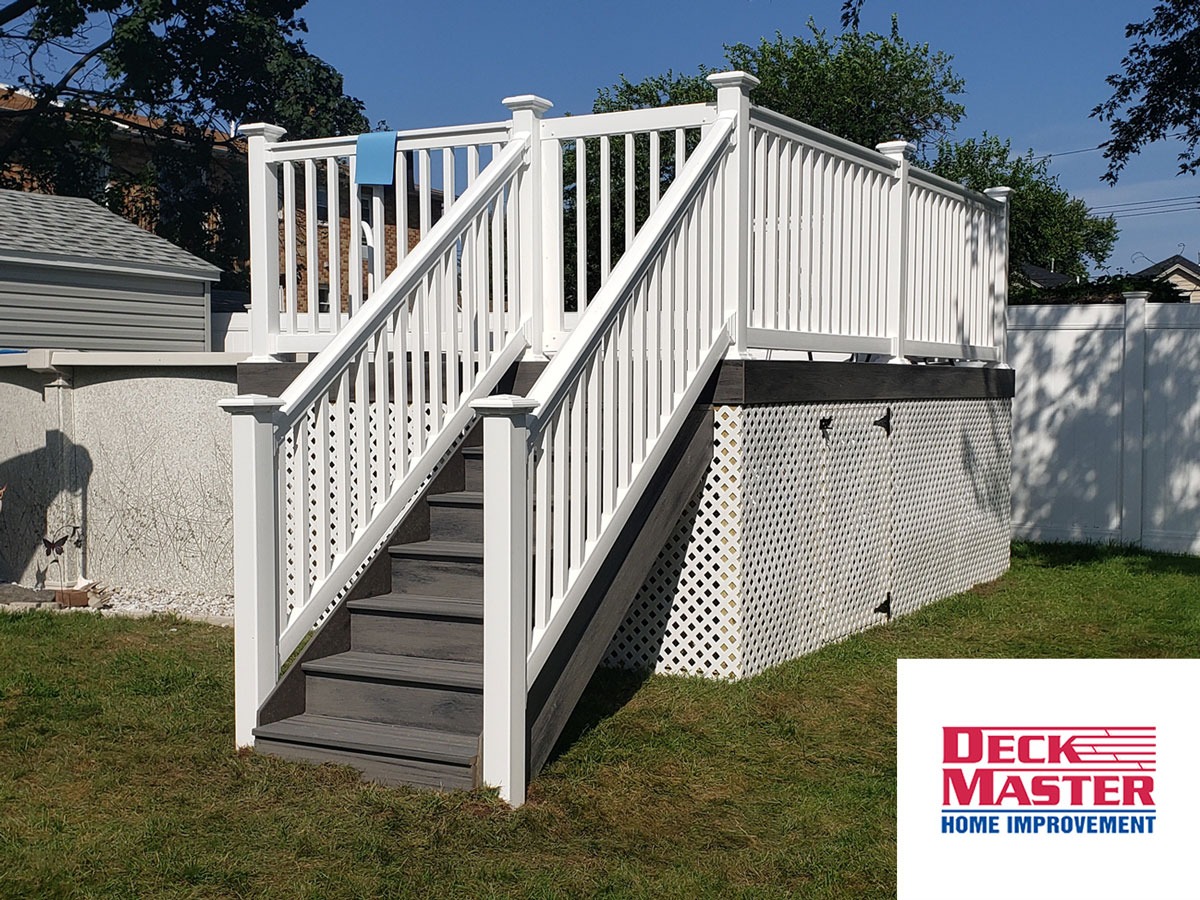
The company’s Gerritsen second-story project also demonstrates the type of vertical planning required when expanding elevated outdoor living spaces. That build incorporated a custom stair system engineered with 23 steps and 24 risers to maintain safe transitions between the elevated structure and yard below.
Structural Planning Matters More on Covered Decks
Covered and enclosed deck systems place additional load pressure on the framing beneath them. Roof structures, overhead beams, privacy walls, and enclosure panels all change how weight and movement distribute across the deck system.
That’s why enclosure projects require:
Reinforced beam layouts
Proper footing depth
Moisture-isolated framing connections
Ventilation beneath enclosed sections
Drainage planning around roof runoff
Stable stair and railing integration
These structural details become even more important on elevated decks and rooftop installations where wind pressure and weather exposure remain constant year-round.
Composite Systems Used Across Verified Projects
Deck Master’s published project database heavily features Trex Transcend and Trex Signature systems across elevated and rooftop builds throughout New York. The company holds TrexPro Platinum Contractor status, reflecting extensive experience with Trex composite systems in long-term outdoor applications.
Composite materials are commonly selected for deck extensions and enclosure projects because they resist:
Moisture absorption
Surface cracking
Rot and splintering
UV fading
Seasonal expansion and contraction
The verified portfolio also shows select TimberTech installations on multi-level custom builds where homeowners wanted specialized material combinations.
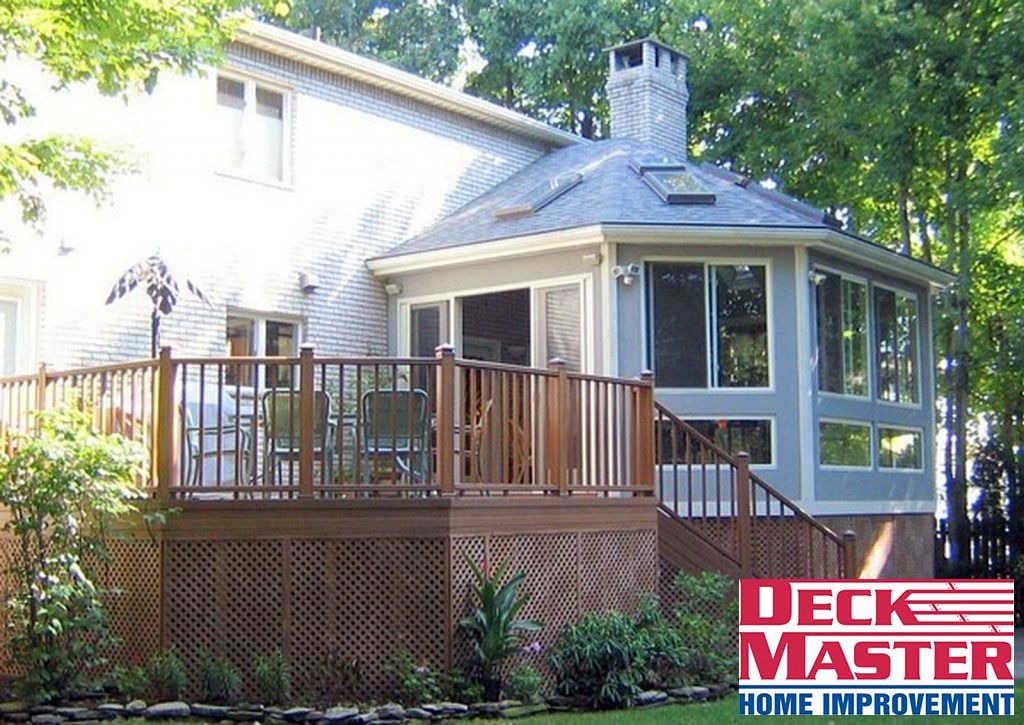
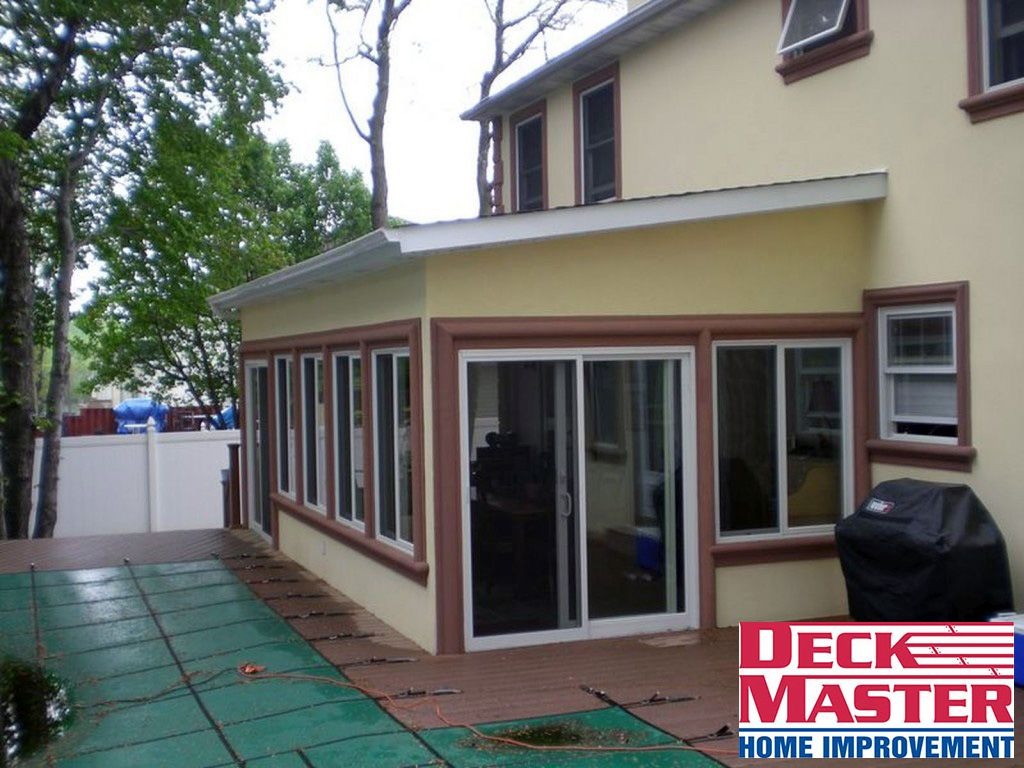
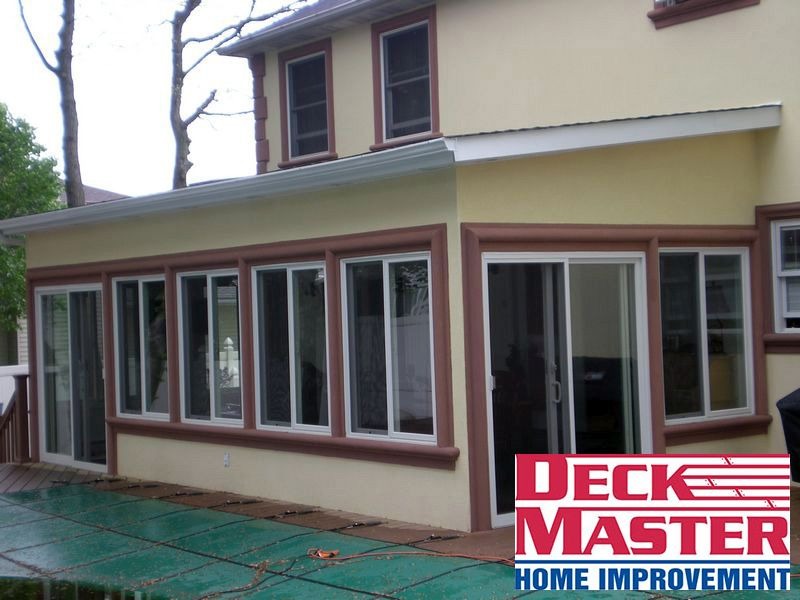
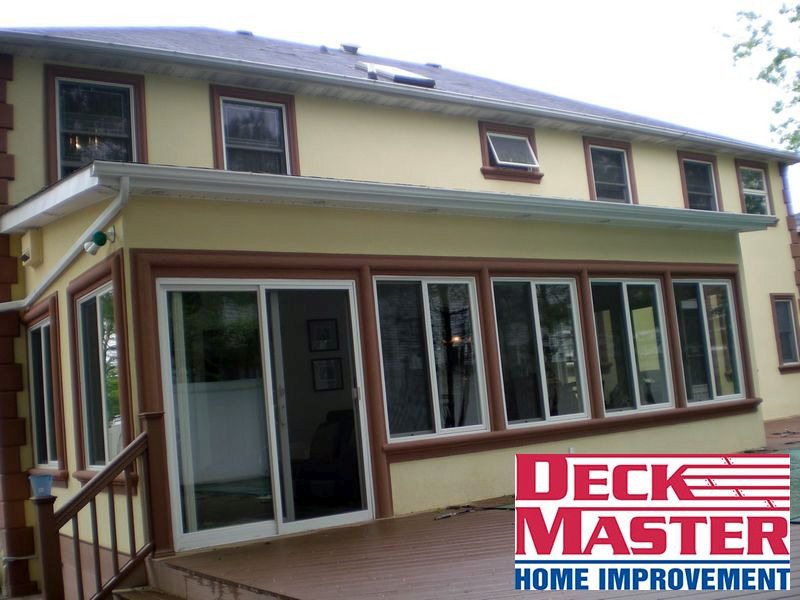
Outdoor Spaces That Stay Functional Beyond Summer
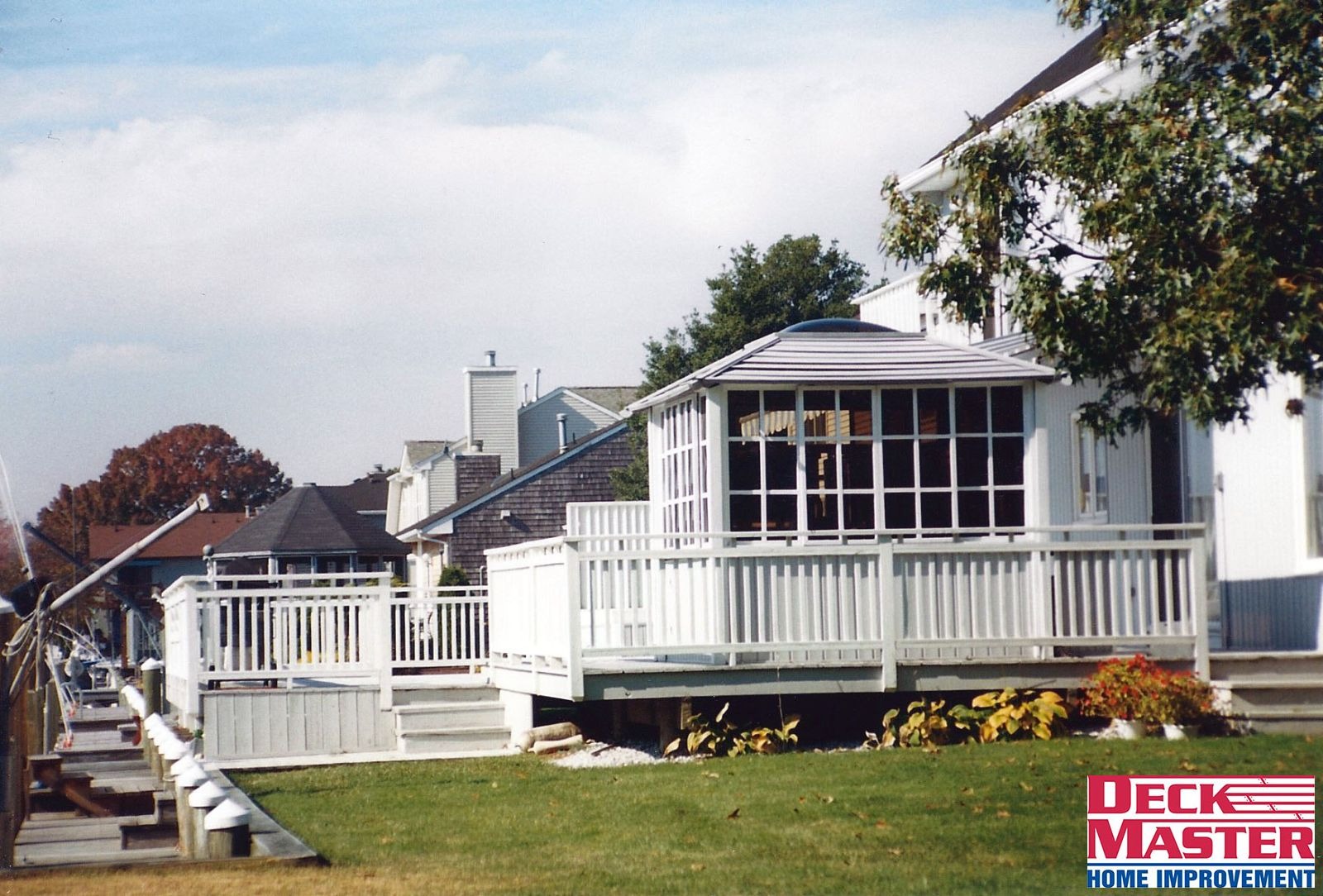
A well-designed extension or enclosure allows the deck to stay usable during cooler months, rainy weather, and high-sun afternoons when open deck spaces become uncomfortable.
Deck Master designs deck extensions and enclosures throughout Staten Island, Brooklyn, Manhattan, and surrounding New York areas with layouts built around long-term durability, coastal weather exposure, and everyday outdoor living.